
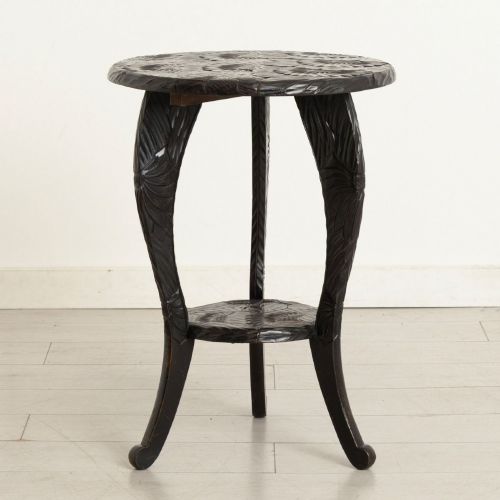
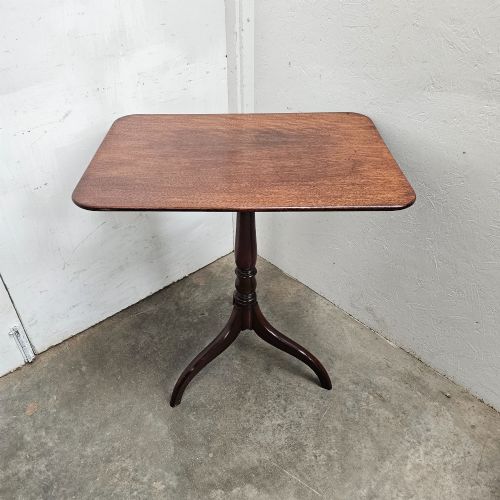
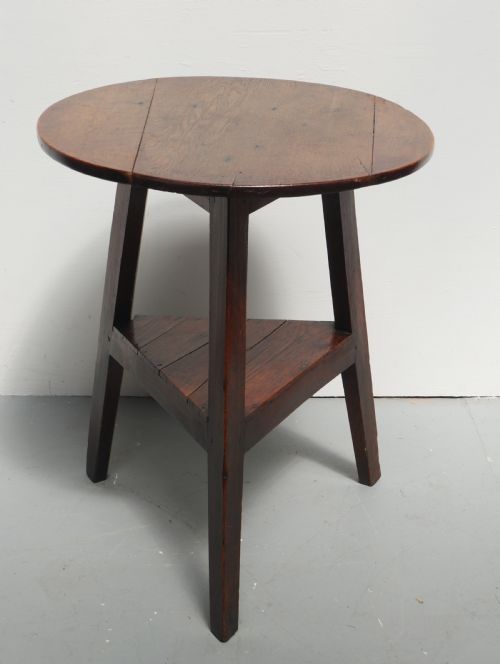

Three Legged Wine Table
A three legged wine table offers a sturdy tripod base and a compact top, built to hold a single glass or lamp beside a chair.
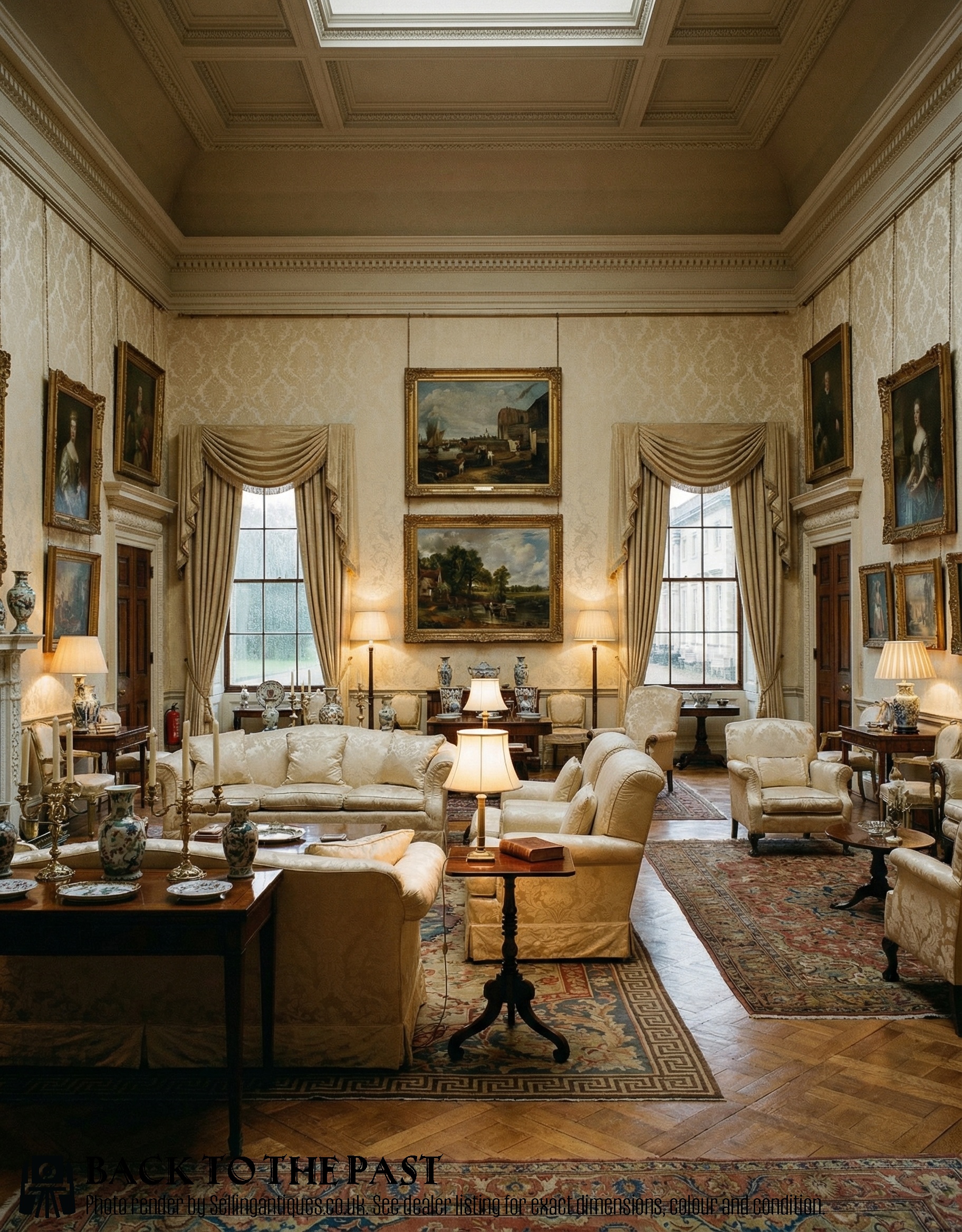
Three Legged Wine Table
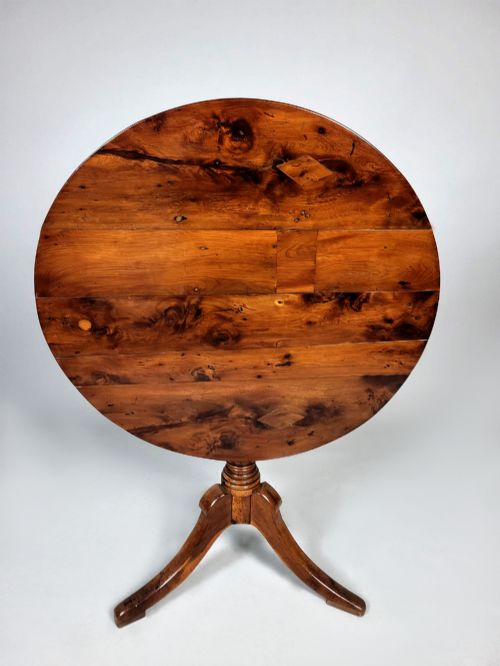
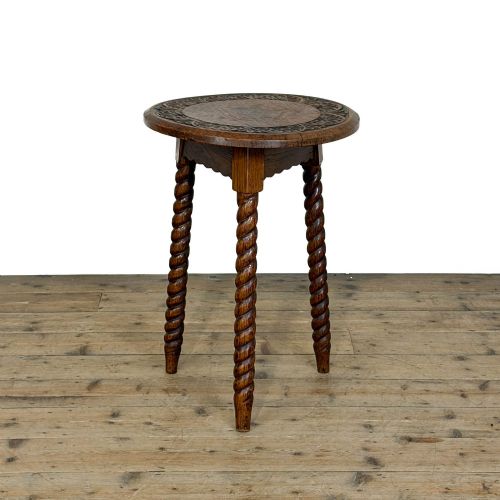
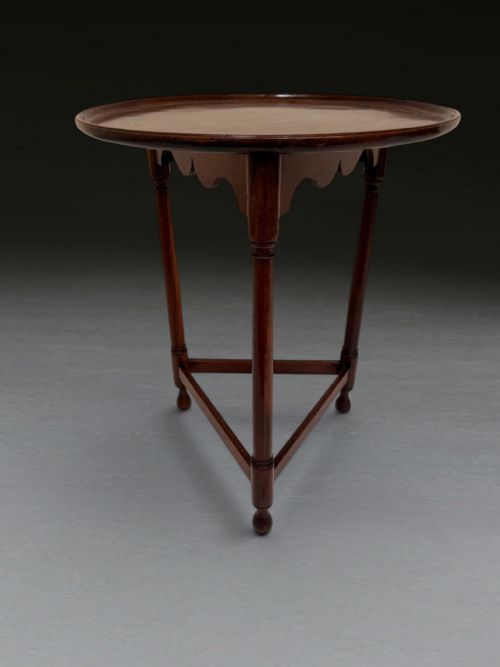
A three legged wine table is a compact occasional piece designed for portability and balance on uneven floors. These small tables appear most frequently in mahogany and oak, spanning periods from the eighteenth century through the Edwardian era.
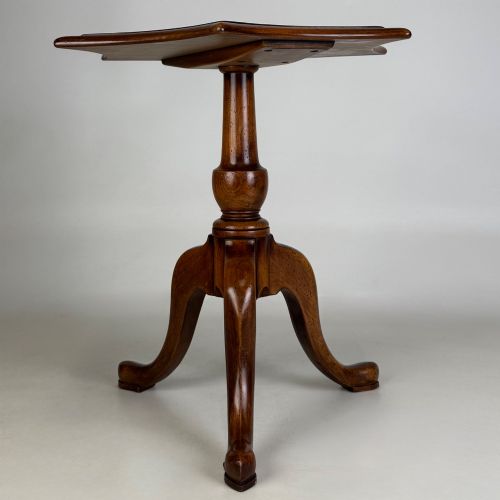
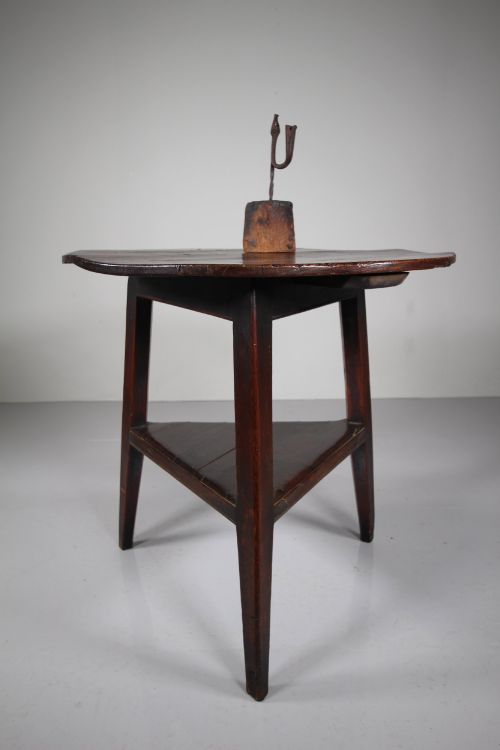
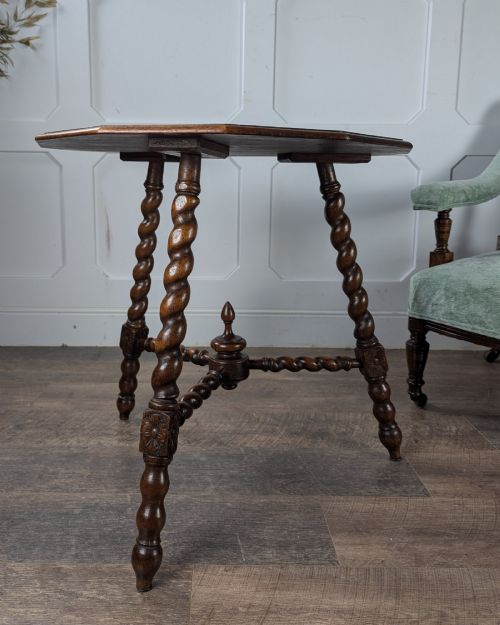
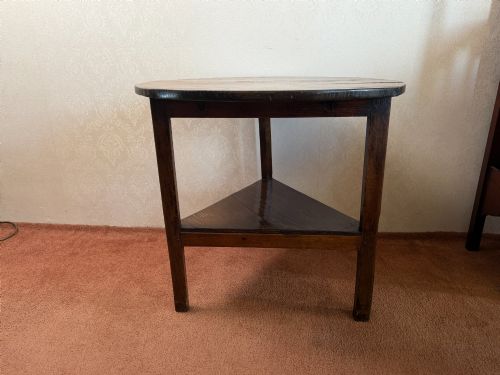
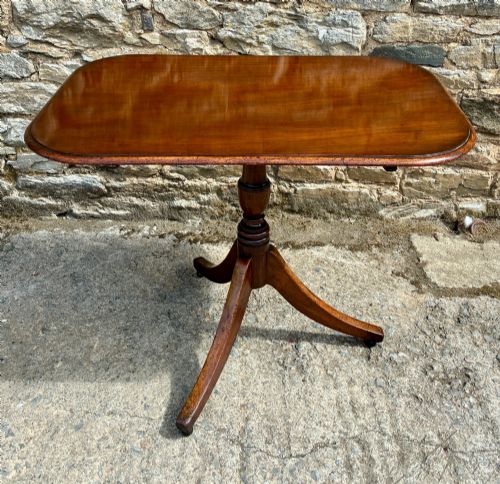
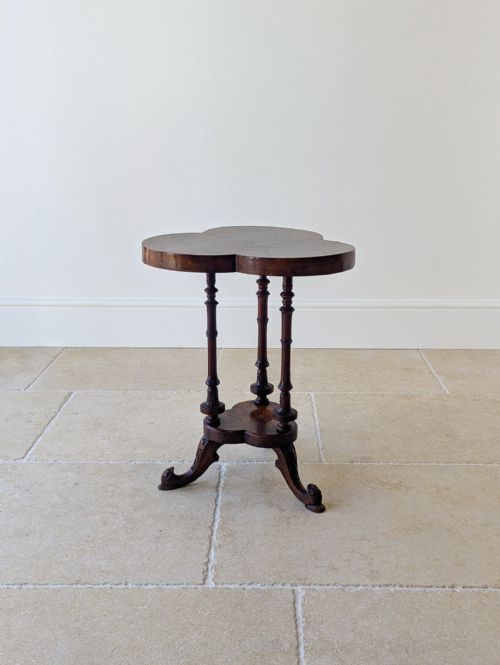
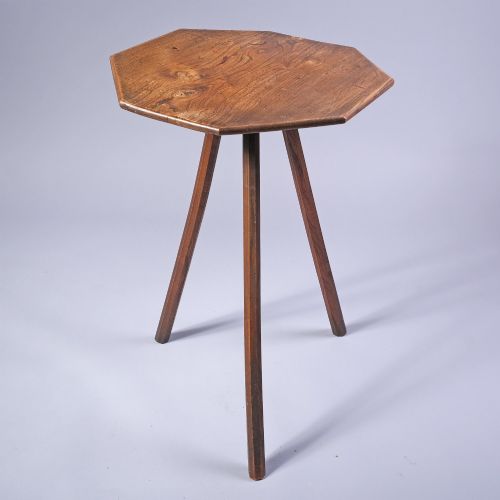
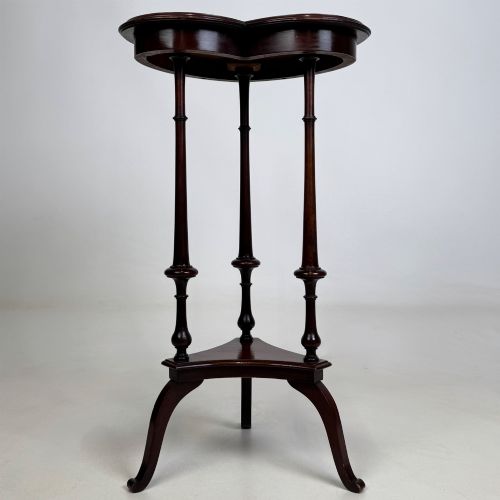
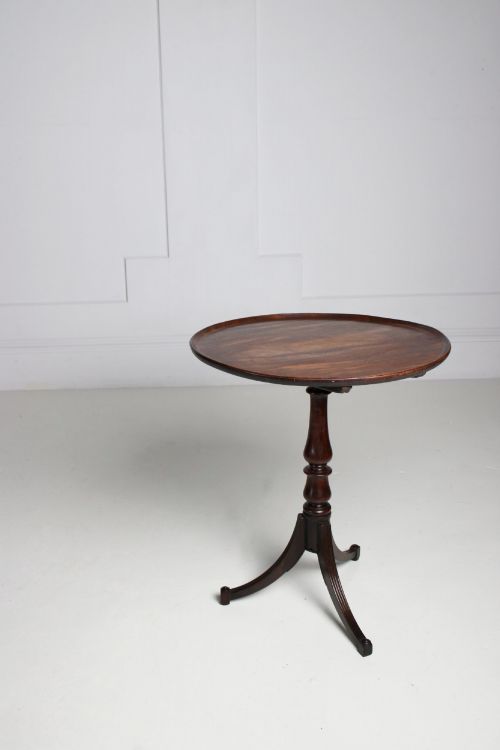
Buyers encounter forms ranging from simple cricket tables with three splayed legs to tilt top pedestal designs and trefoil occasional pieces. Origins stretch across English country workshops, Georgian parlours, and later Victorian iterations.
How they were made
Timbers such as mahogany, oak, walnut, and yew wood provide the structural integrity for these tripod frames. Cabinetmakers shaped solid planks and turned pillars on lathes, joining tops to pedestals with pegged tenons or tilt mechanisms.
Surface treatments rely on natural grain finishes, sometimes enhanced with inlaid details, brass fixtures, or hand-carved motifs along the edges and legs.
Three Legged Wine Table Retail Price Guide 2026
Typical asking prices for three legged wine table among the pieces listed under this phrase on Sellingantiques today, from the lower quarter to the upper quarter. They describe what is for sale here now, not the wider market.
Listings feature mahogany, oak, walnut, and yew wood across Georgian, Victorian, and Edwardian periods.
What varies in quality
Quality rests in the choice of timber and the stability of the tripartite joint where the legs meet the central column. Superior examples display well-figured grain, such as burr walnut or dense mahogany, alongside crisp carving and tight joinery.
Lesser pieces show replacement parts, heavy repairs to the tripod base, or mismatched tops and pillars that compromise the balance of the table.
Liberty of London
The Three Legged Wine Table Glossary
- Cricket table
- A small three-legged wooden table originating from English vernacular traditions, typically featuring a round top and pegged construction.
- Tripod table
- Any small table supported by a central pillar resting on three separate feet, designed to maintain stability on uneven floors.
- Tilt top table
- A table with a hinged top that pivots vertically, allowing the piece to stand flat against a wall when not in use.
- Trefoil
- A decorative shape composed of three overlapping circles or lobes, often seen in the outline of occasional table tops.
- Dumbwaiter
- A tiered revolving stand used in dining rooms for serving food and wine without the aid of servants.
Three Legged Wine Table: Frequently Asked Questions
How do I use a wine table today?
These compact pieces serve well as bedside stands, lamp supports, or small surfaces beside an armchair in a living room.
Their narrow footprint allows them to fit into tight corners where larger furniture cannot go.
Are three legged tables stable on carpets?
A three-legged base naturally rests firmly on uneven floors without wobbling, unlike four-legged furniture.
Thick carpets can slightly cushion the feet, so placing them on firm flooring or flat rugs ensures maximum stability.
What is the difference between a cricket table and a wine table?
Cricket tables generally feature simple pegged wooden construction with three splayed legs, rooted in country vernacular traditions.
Wine tables more often utilise a central turned pedestal with three cabriole or tripod feet beneath a round or dish top.
How do I date an antique wooden table?
Examining the timber grain, tool marks beneath the top, and the method of joinery helps determine the period.
Georgian and eighteenth-century examples often show hand-sawn boards and pegged joints, while later Victorian and Edwardian pieces utilise machine-cut elements.