


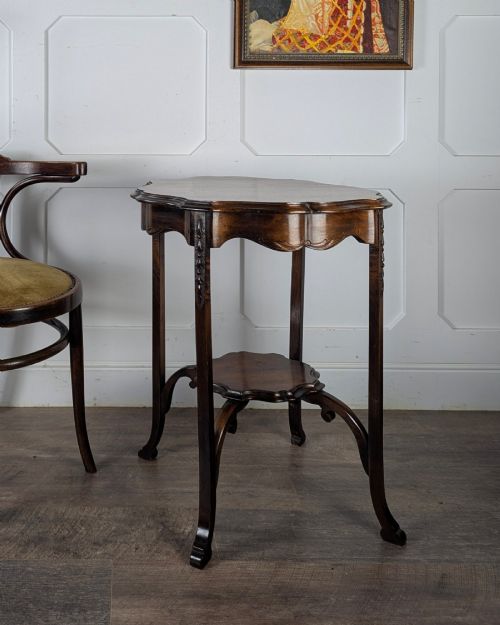
Traditional Accent Table
A traditional accent table brings practical surface space and period character into a room through versatile forms like occasional and wine tables.
Traditional Accent Table
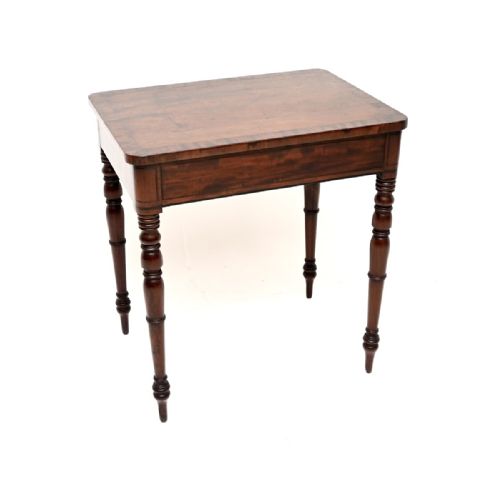
When you search for a traditional accent table, you are looking at smaller auxiliary surfaces designed to sit beside seating or in corners. These pieces include side tables, occasional tables, wine tables, nests of tables, and lamp tables spanning the eighteenth, nineteenth, and early twentieth centuries.
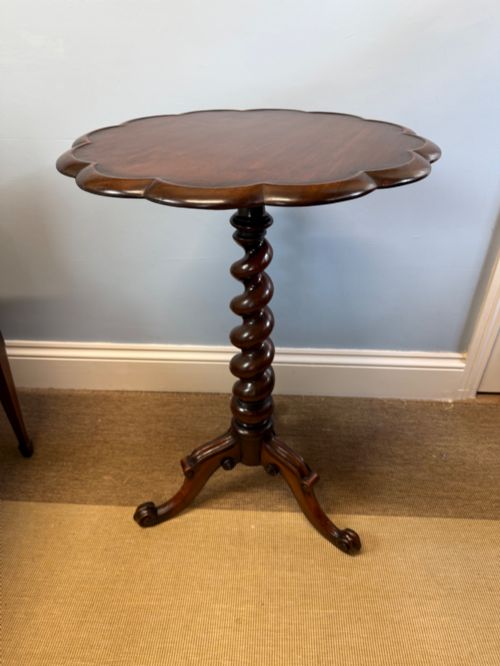
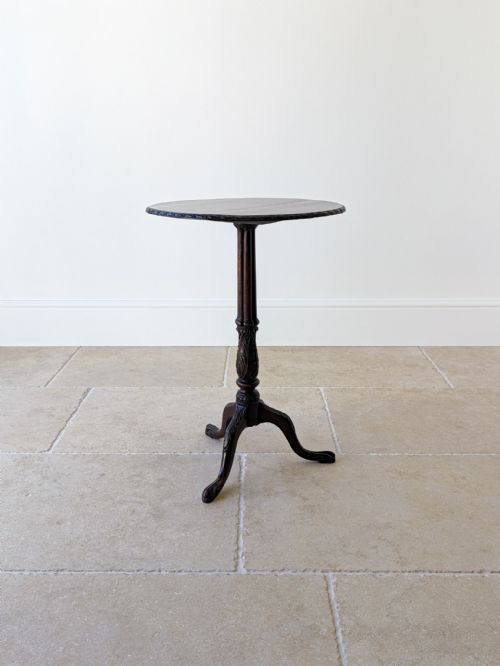
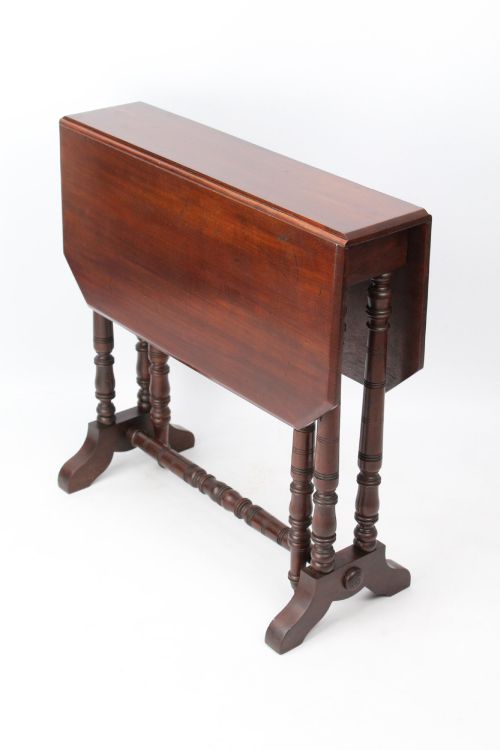
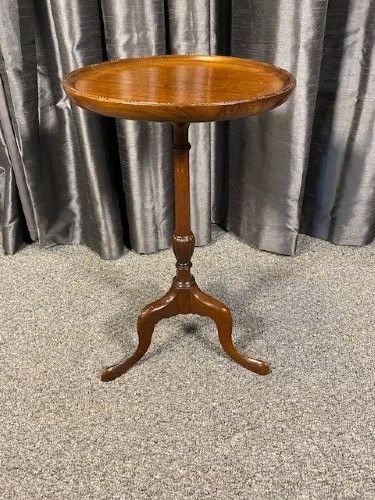
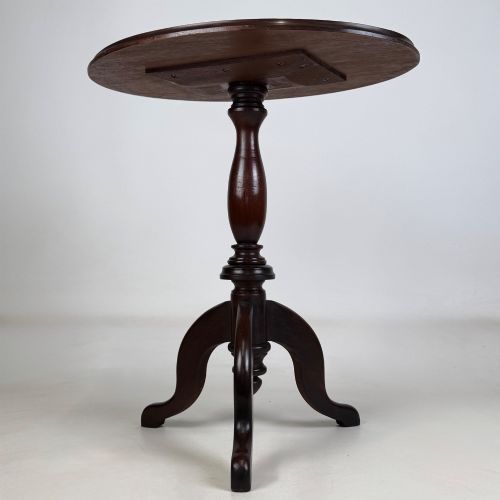
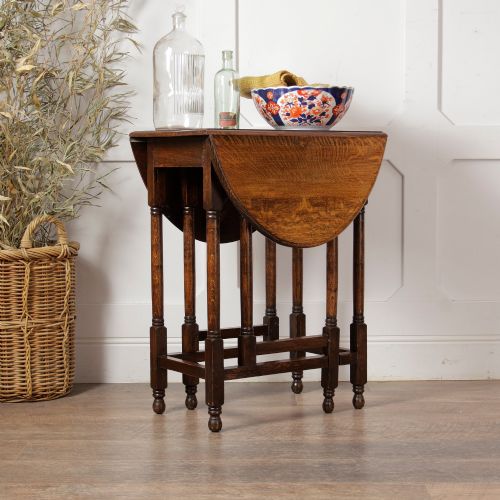
The versions you are most likely to meet on this page date from the Victorian and Edwardian eras, constructed in substantial numbers from timbers such as mahogany and oak. They range from simple tripod wine tables to gateleg and Sutherland tables intended for flexible use in domestic interiors.
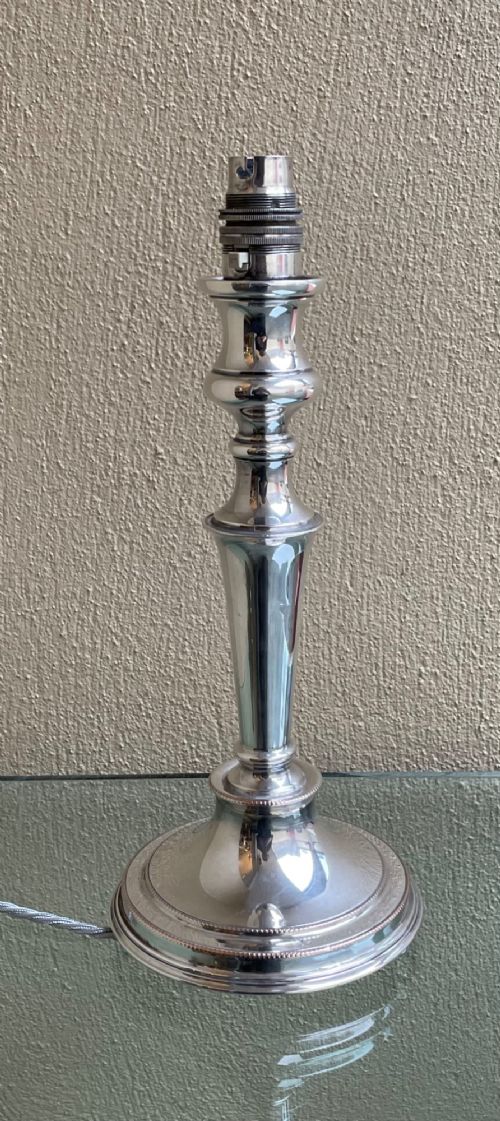
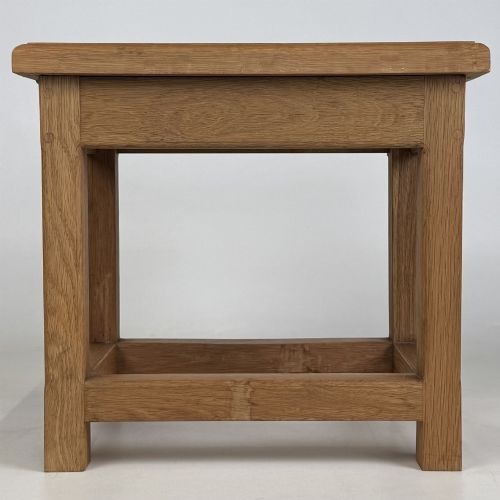
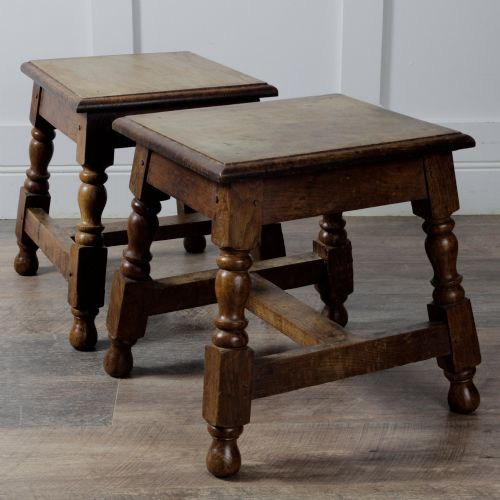
Alongside timber tables, the selections encompass related occasional forms such as joint stools and cricket tables, as well as cast brass table lamps that function as decorative lighting accents. Styles stretch from Georgian and Jacobean Revival to English Country and Arts and Crafts.
Materials and construction methods
Cabinetmakers relied heavily on hardwoods, utilising rich mahogany, golden oak, walnut, and yew for structural stability and fine grain figuring. Pine and hardwearing country timbers also appear, particularly in utilitarian cricket tables and joint stools.
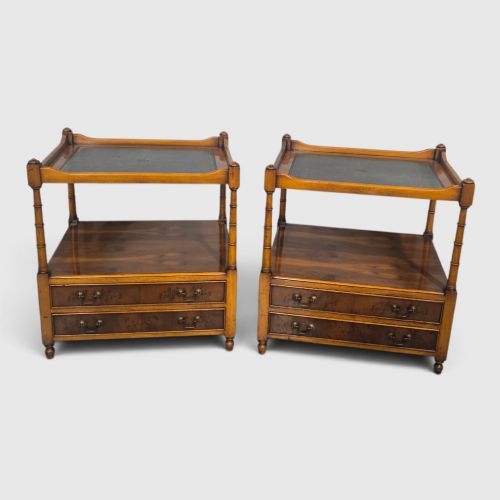
Secondary materials such as cast brass, silver plating, and leather surface inserts add functional detail and decorative contrast to the timber frames. Joinery methods range from traditional mortise and tenon joints in early oak pieces to turned pedestals and tripod legs on nineteenth-century wine tables.
Distinctions in quality and execution
Quality rests upon the selection of timber, visible in the rich figuring of burr walnut or pollard oak tops and the solidity of carved or turned supports. Finer pieces demonstrate careful proportion, crisp carving on edges and legs, and balanced structural design.
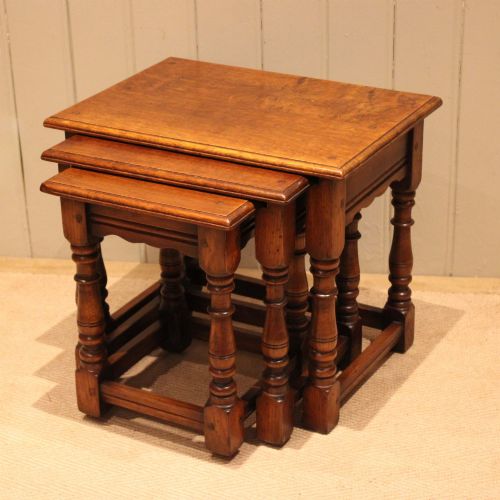
Maker execution separates standard production items from exceptional examples, such as those featuring detachable tripod tops, pie crust rims, or multi-tiered nesting configurations. The integrity of the original joints and the warmth of the polished timber finish dictate the overall standard.
The Traditional Accent Table Glossary
- Occasional table
- A small, movable table designed for specific, intermittent use rather than central placement in a room. These versatile items include wine and lamp variations.
- Sutherland table
- A narrow drop-leaf table with exceptionally slender folding flaps supported by swing legs. This clever design allows the piece to fold flat when not in use.
- Cricket table
- A small, three-legged circular table traditionally featuring a wooden top set on pegged legs. They originated as sturdy utilitarian pieces in domestic settings.
- Tripod table
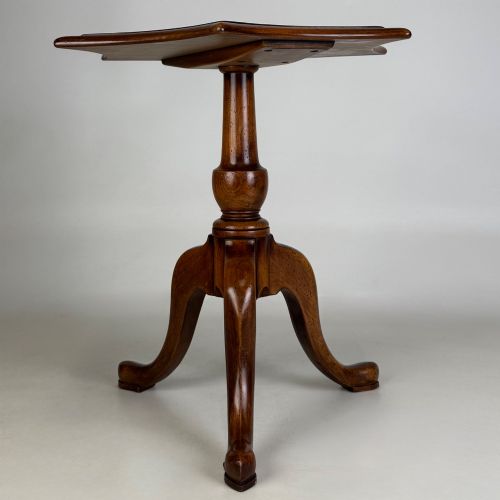
- A small freestanding table supported by a central pillar resting on three spreading feet. They are frequently found in wine and tea table formats.
- Gateleg table
- A table with hinged leaves supported by legs that swing out like gates. This mechanism provides expanded surface area while maintaining a compact profile.
Traditional Accent Table: Frequently Asked Questions
What is a traditional accent table used for?
These tables provide convenient surface areas for lamps, drinks, and books next to armchairs or sofas.
They also serve as decorative display stands for ornaments and plants in hallways and corners.
How do I identify a Georgian style table?
Georgian and revival pieces typically feature rich mahogany timber, elegant tripod pedestals, and restrained classical carving.
Look for balanced proportions and understated details like shaped rims rather than heavy ornamentation.
What makes a nest of tables useful?
A nest comprises multiple scaled tables that stack neatly beneath one another to save floor space.
They pull apart easily when entertaining guests, offering multiple surfaces before storing compactly again.
Are these tables suitable for modern homes?
Their compact dimensions allow them to fit effortlessly beside contemporary seating and into smaller rooms.
Period timbers and classic forms introduce warmth and historical texture to minimalist interior schemes.