



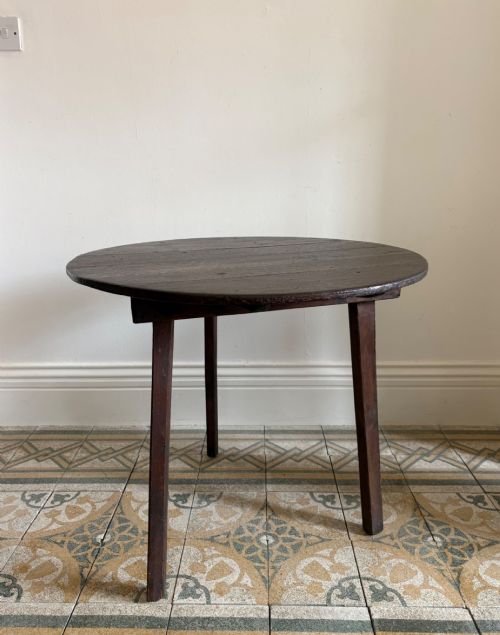
Rustic Three Legged Table
These rustic three legged table examples offer utilitarian country charm and honest carpentry for any interior.
What They Are
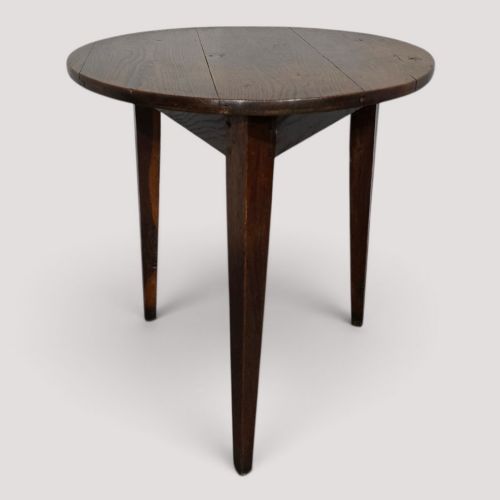
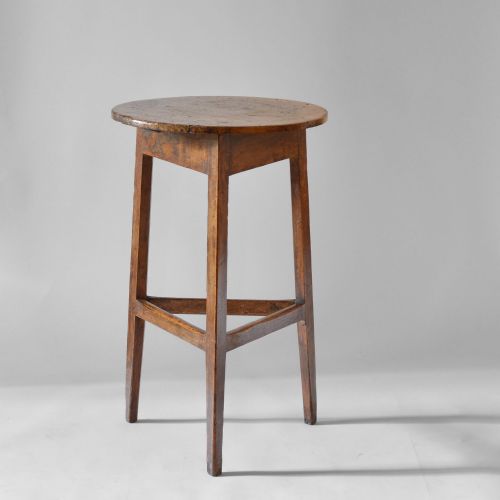
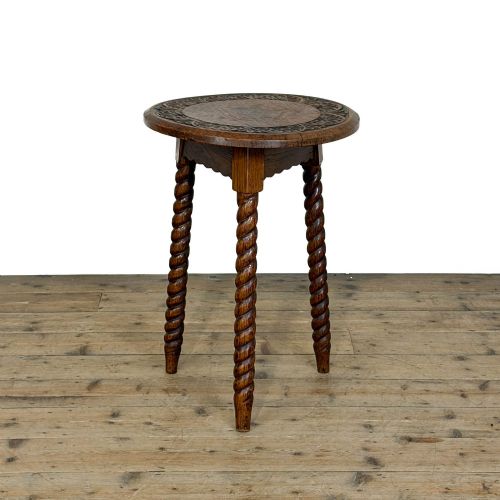
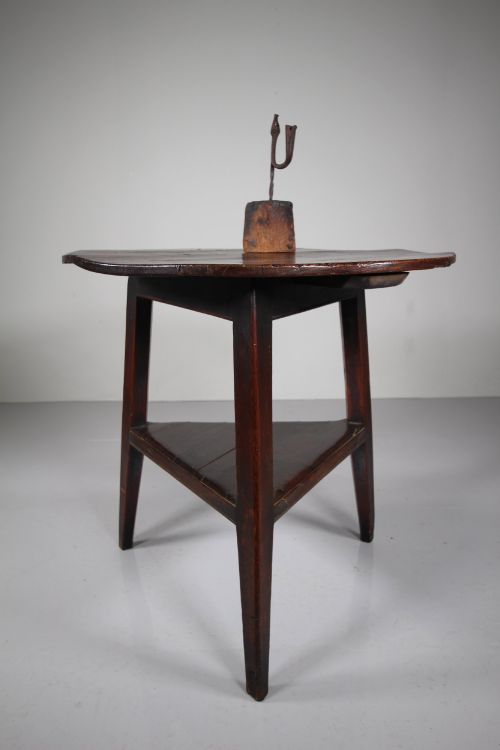
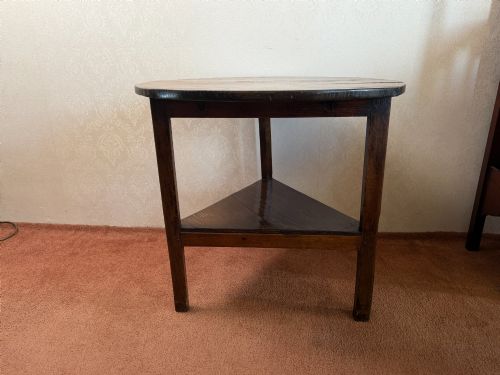
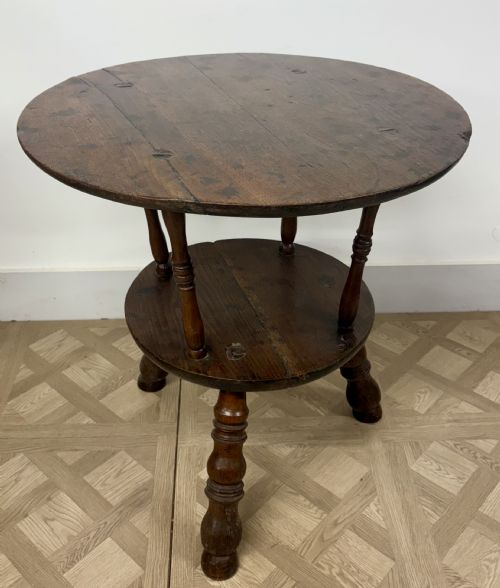
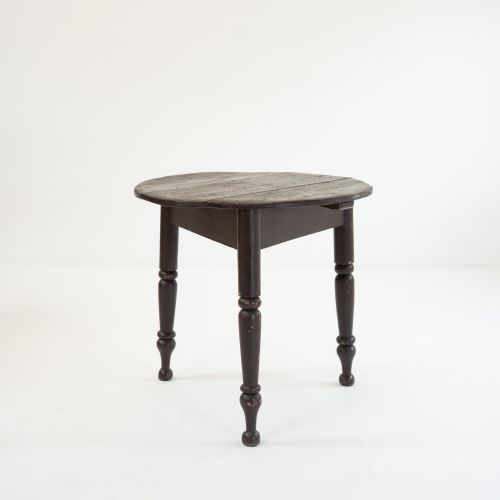
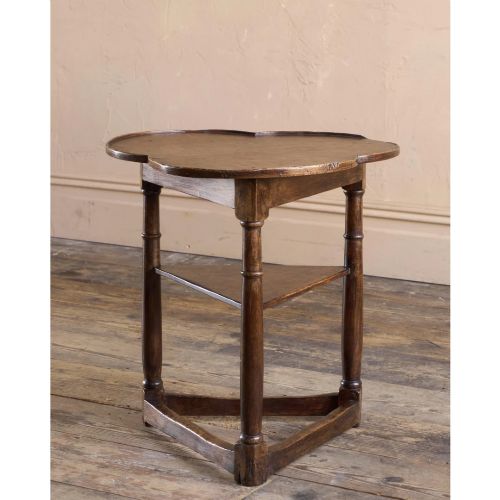
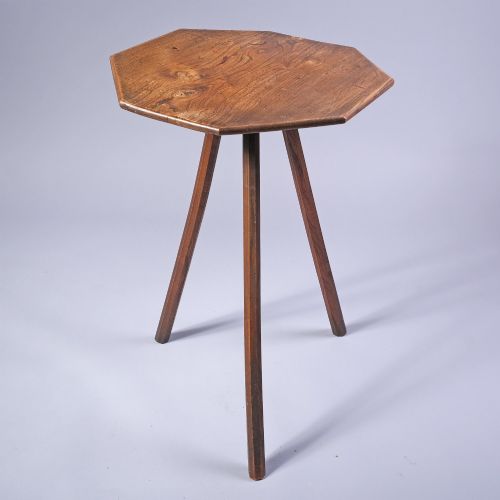
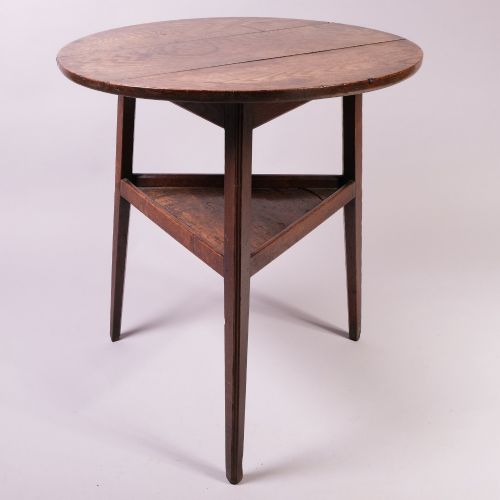
A rustic three legged table serves as an occasional surface or side table rooted in historical domestic use. These pieces embody English country, Welsh vernacular, and rustic farmhouse traditions from the nineteenth century.
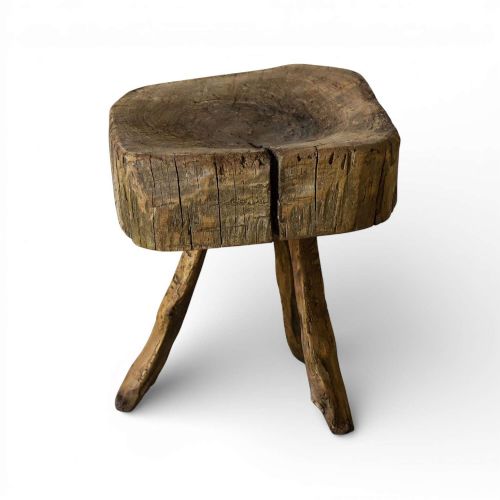
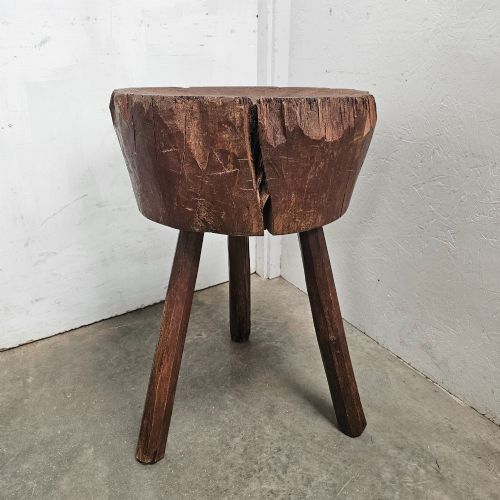
Buyers encounter forms such as cricket tables and Catalan shepherd occasional tables within this selection. Each piece relies on a tripod base for stability on uneven farmhouse floors.
How They Were Made
Carpenters utilised native timbers including elm, pine, and oak to construct these robust surfaces. The construction methods reflect straightforward vernacular woodworking traditions without superfluous ornamentation.
Makers shaped solid wood tops and fitted three integral legs directly into the underside. The resulting timber frames prioritize functional endurance and structural simplicity.
Catalan shepherds apparently possessed fine taste in occasional furniture.
What Varies in Quality
Quality rests in the character of the timber and the integrity of the original joints. Pieces exhibiting honest wear and patinated surfaces command greater interest among collectors of vernacular furniture.
Proportion and regional carpentry traits distinguish standard utilitarian items from more distinctive vernacular forms. The integration of the legs into the top reveals the maker's practical skill.
The Rustic Three Legged Table Glossary
- Cricket table
- A small three legged round table traditionally used beside a hearth in English country homes. The three legs ensure it remains stable on uneven flagstone floors.
- Vernacular furniture
- Domestic pieces made by local carpenters using regional materials and traditional designs rather than high-style metropolitan patterns. This approach produces honest and direct objects.
- Elm
- A dense native timber valued by country carpenters for its interlocking grain that resists splitting. It frequently forms the circular tops of nineteenth century tables.
- Tripod base
- A structural arrangement of three legs that inherently prevents rocking on uneven surfaces. It represents a defining characteristic of these occasional tables.
Frequently Asked Questions
What is a rustic three legged table used for?
These pieces function primarily as occasional surfaces or side tables in domestic interiors. Historically, country households utilised them beside hearths or chairs for daily tasks.
Today, they serve as display surfaces for lamps, books, or plants. Their compact footprint allows them to fit easily into smaller spaces.
How do I identify a nineteenth century table?
Nineteenth century examples display hand-worked timber surfaces and traditional joinery methods. Carpenters relied on native woods like elm, pine, and oak during this period.
Examine the underside of the top to observe how the three legs are fitted. Tool marks and natural patination develop over generations of use.
Are these tables stable on uneven floors?
A three legged construction inherently rests firmly on uneven surfaces without rocking. This practical geometry explains why country makers favoured tripod designs for flagstone floors.
Each leg makes contact with the ground independently. This stability remains a key advantage in older properties.
What woods were used for these tables?
Carpenters utilised native timbers including elm, pine, and oak for these regional pieces. Elm was frequently chosen for table tops due to its tough, splitting-resistant grain.
Selection depended on local availability in English and Welsh workshops. These materials age gracefully with exposure to light and touch.