

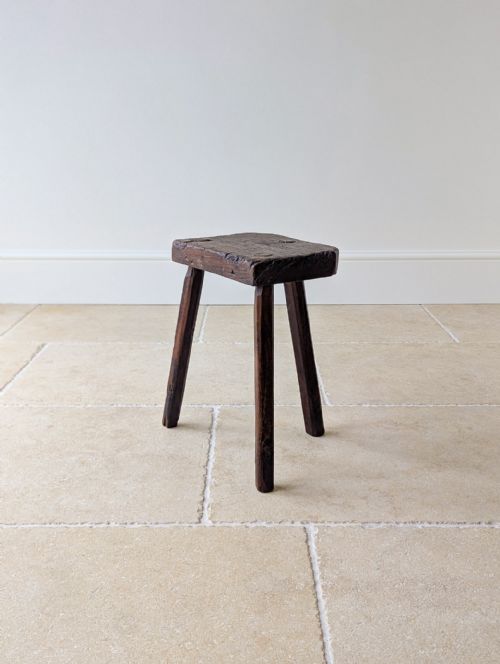

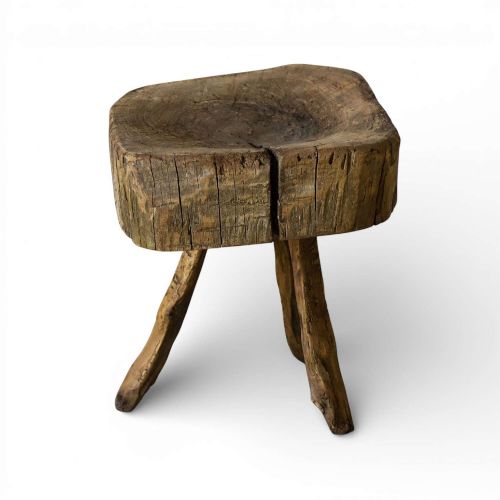
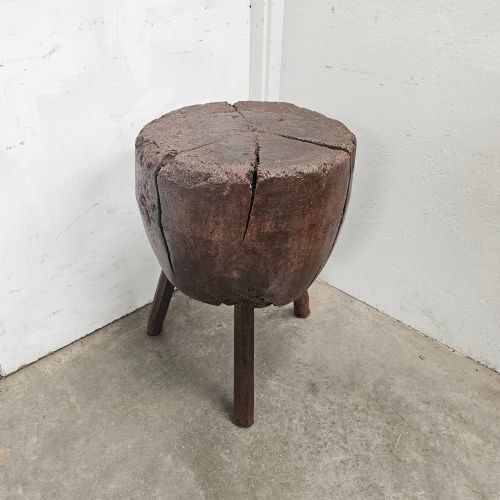
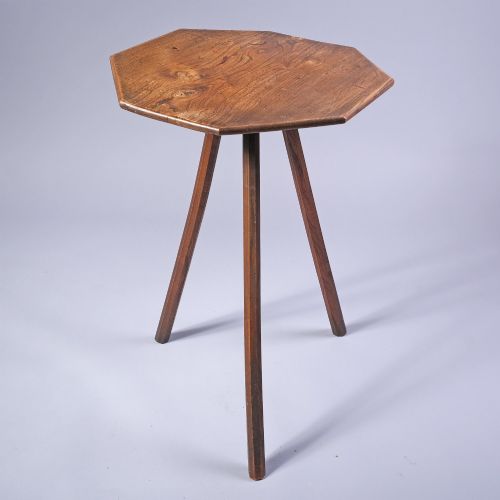
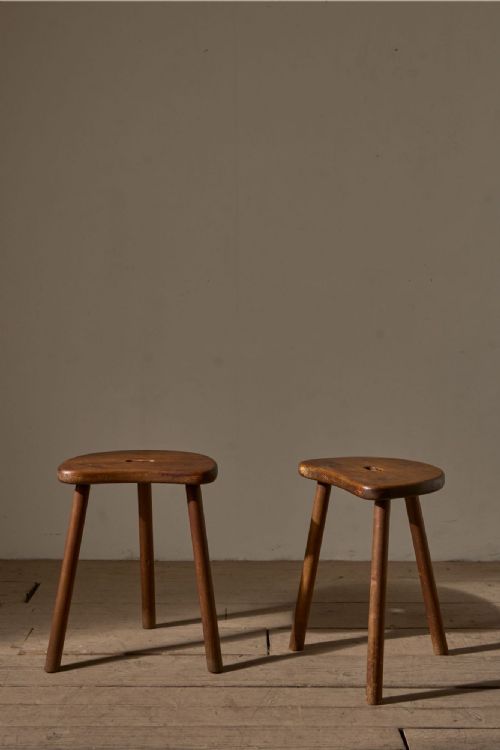
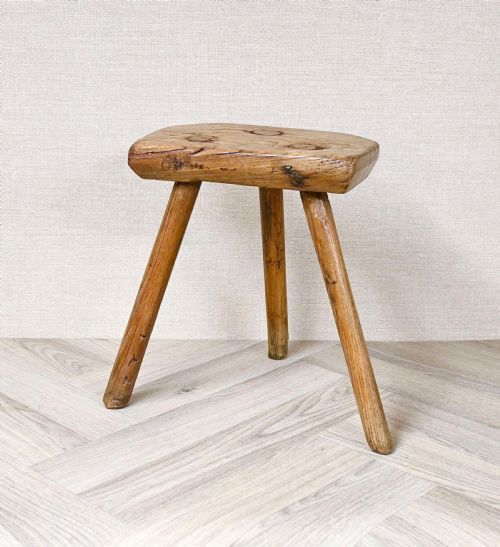
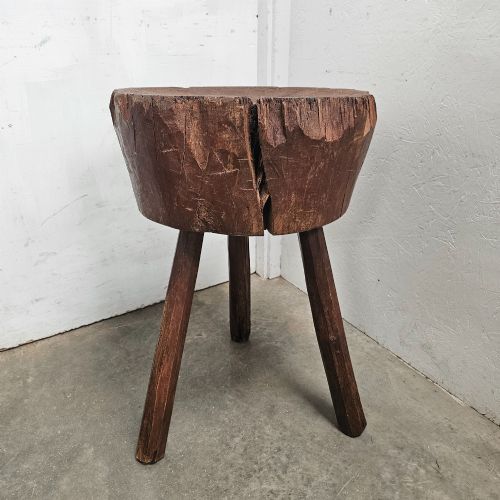


Rustic Tripod Stool
These rustic tripod stool examples offer tactile honesty and functional simplicity, bringing tangible rural character into modern spaces.
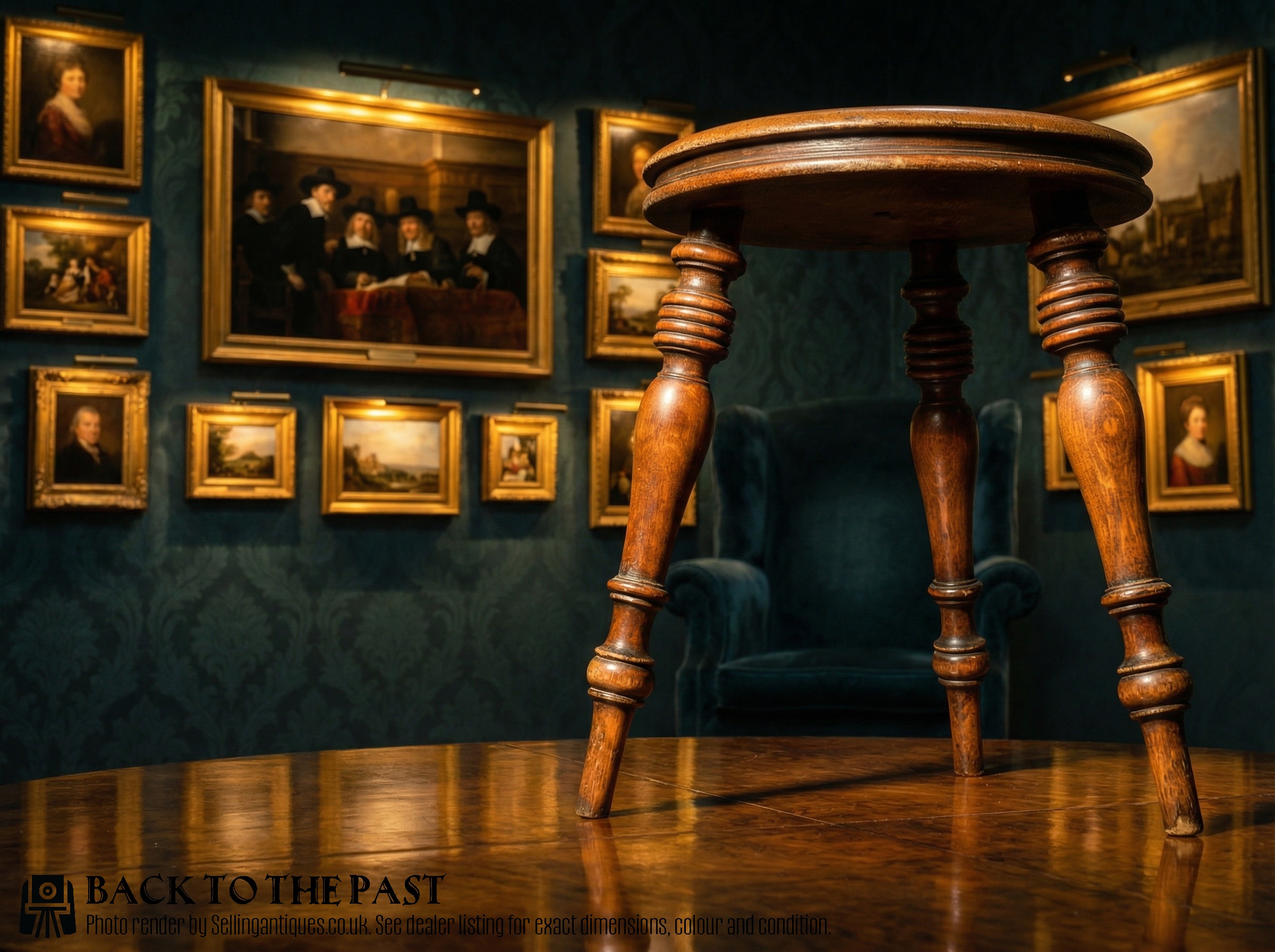
Rustic Tripod Stool
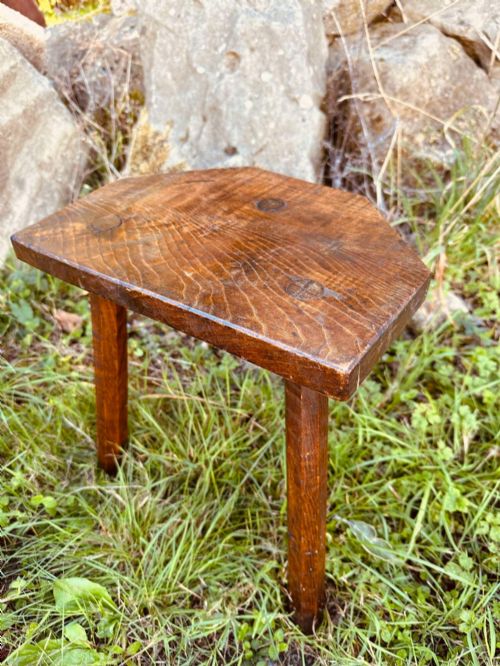
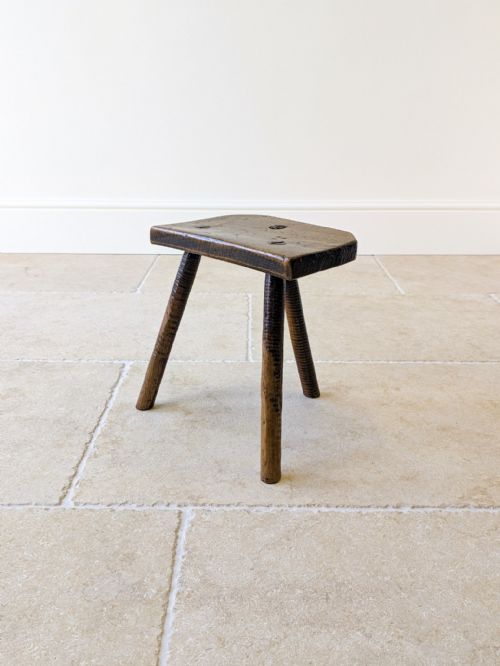
A rustic tripod stool represents an honest intersection of vernacular design and practical utility, built by local makers using readily available timber. When exploring this phrase, buyers encounter pieces intended for specific rural tasks, including milking, dairy work, cutting, and workshop trades.
The selections span distinct periods, notably the eighteenth and nineteenth centuries, alongside Victorian and Georgian eras. English, French, and Catalan provincial traditions dominate, presenting solid seats supported by three splayed legs.
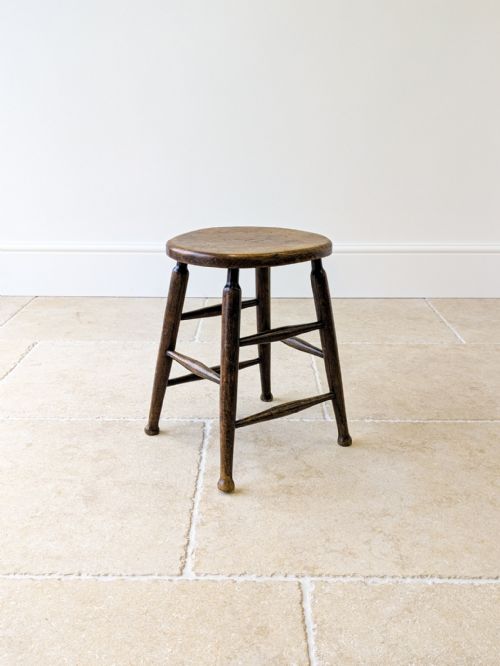
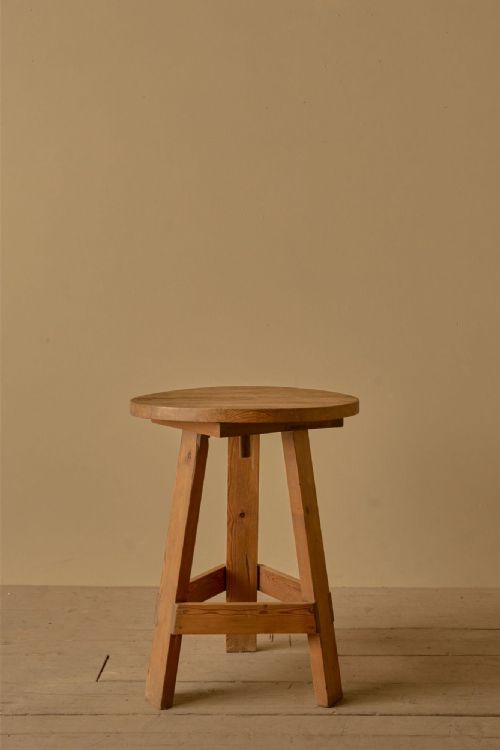
While stools form the core of this grouping, related vernacular seating and occasional tables share the same three-legged construction principle. These items reflect the resourcefulness of country makers who valued stability on uneven earthen floors above symmetrical perfection.
Judging Quality and Character
Quality in a rustic tripod stool rests on the harmony of proportions, the integrity of the timber, and the honesty of wear. Superior examples display thick, characterful seat slabs paired with well-balanced, splayed legs that provide genuine stability.
The presence of original surfaces, untouched patina, and visible tool marks elevates an object above plain utility. Alterations or excessive replacement parts diminish the historical integrity that collectors seek in vernacular furniture.
Subtle regional variations, unusual joining methods, or specific utilitarian adaptations like swivels or blacksmith repairs distinguish standard workshop output from more intriguing survivals.
Rustic Tripod Stool Retail Price Guide 2026
Typical asking prices for rustic tripod stool among the pieces listed under this phrase on Sellingantiques today, from the lower quarter to the upper quarter. They describe what is for sale here now, not the wider market.
The listings show solid elm, oak, and ash combined with iron bracing across nineteenth-century vernacular seating forms.
The Rustic Tripod Stool Glossary
- Vernacular
- Everyday furniture made by local craftsmen for domestic or agricultural use, prioritising function over academic stylistic convention. This approach produced the robust three-legged forms seen here.
- Splayed legs
- Legs angled outward from the centre to provide a wider base and greater stability on uneven ground. This arrangement is the defining structural feature of any tripod seating.
- Mortise and tenon
- A traditional woodworking joint where a projecting tongue fits snugly into a corresponding cavity. Wedges were frequently driven into the tenon top to lock the leg permanently in place.
- Adze
- A cutting tool with a curved blade used for shaping and hollowing out wooden seat blanks. The subtle ripples left on the wood surface reveal the hand of the maker.
- Patina
- The surface sheen and colour developed over decades of handling, exposure, and polishing. Genuine patina cannot be artificially duplicated and signals an authentic antique history.
Rustic Tripod Stool: Frequently Asked Questions
What were three-legged stools originally used for?
These pieces served practical roles in rural homes, dairies, workshops, and farms where everyday tasks required a movable seat. The three-legged design ensured the stool remained stable on uneven dirt or stone floors.
Specific trades utilised specialised variants, such as milking stools for agriculture or cutler's stools for workshop seating, adapting the height and shape for repetitive labour.
How do I spot a fake rustic stool?
Authentic pieces display genuine wear patterns, tool marks appropriate to their period, and dry, oxidised timber surfaces beneath centuries of use. Artificial ageing often looks uniform and lacks the convincing dents and friction marks found on genuine working furniture.
Examine the joints underneath to check for modern adhesives, machine-cut screws, or incongruous wood species that contradict the stated age and origin.
Are tripod stools stable on modern floors?
Three-legged furniture naturally finds a firm footing on any surface without wobbling, unlike four-legged pieces that require level flooring. This inherent mechanical advantage makes them remarkably practical in modern rooms.
Their compact footprint also allows them to fit easily into tight corners as side tables or occasional seats.
How should I clean and care for old elm?
Historic timber requires minimal intervention to preserve its dry surface and accumulated character. Dust gently with a dry cloth and apply a neutral beeswax sparingly only if the wood appears parched.
Keep these objects away from direct heat sources and dramatic humidity shifts to prevent the solid elm seats from splitting.