

18th Century Wooden Stool
An 18th century wooden stool brings genuine age and sturdy craft to a room, offering practical use as a seat or rest.
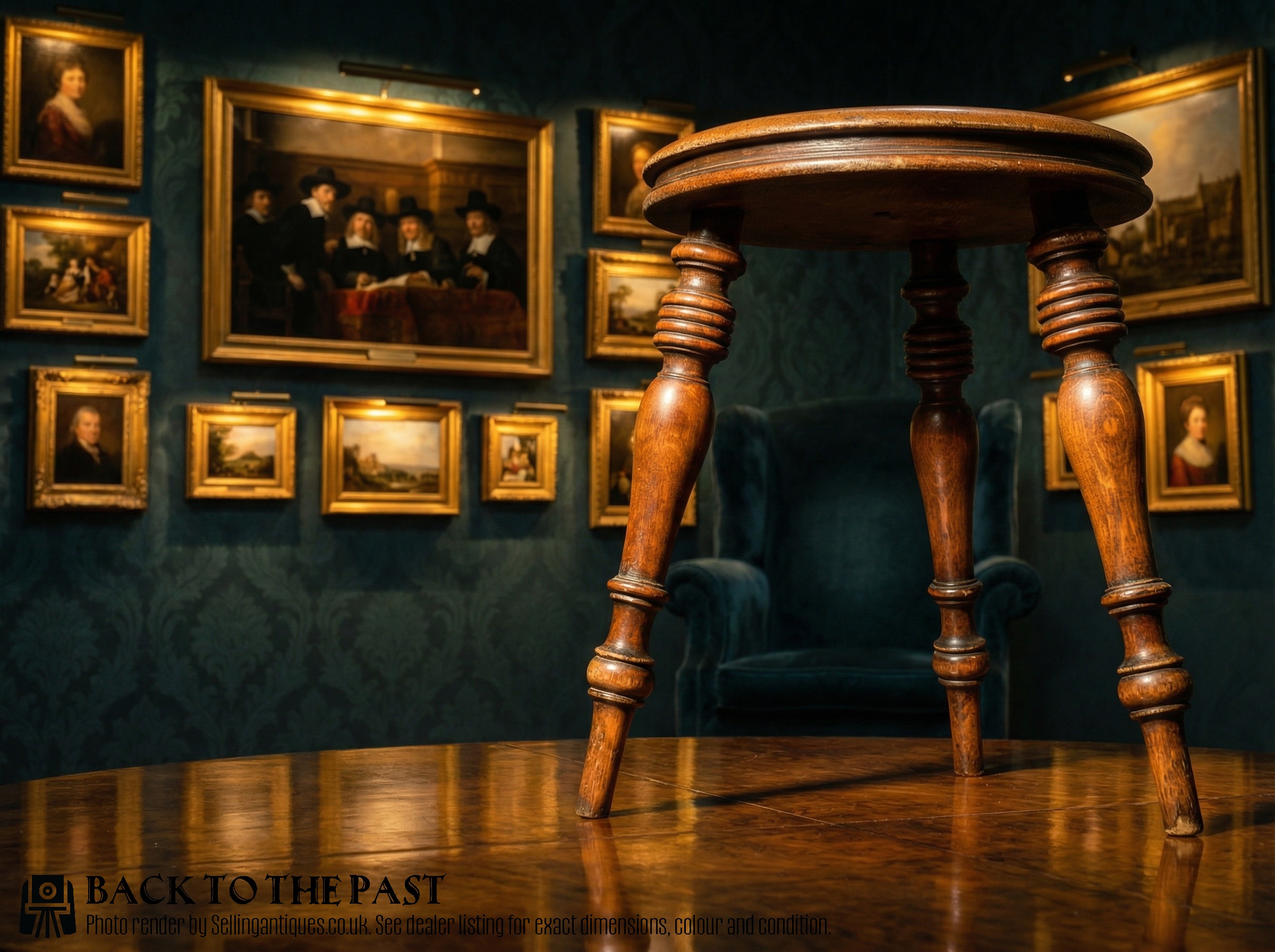
18th Century Wooden Stool
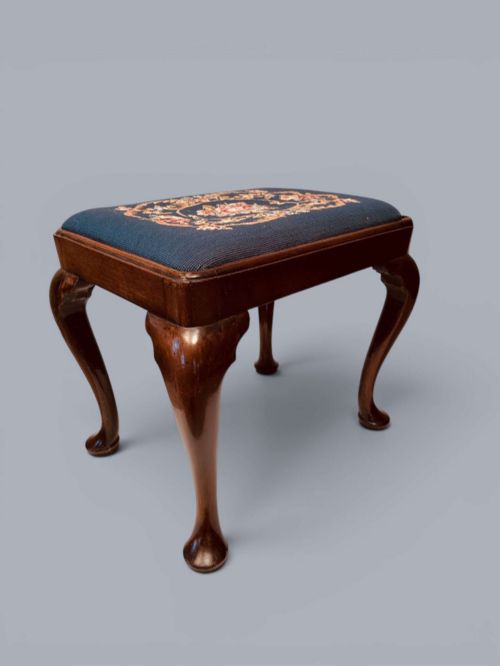
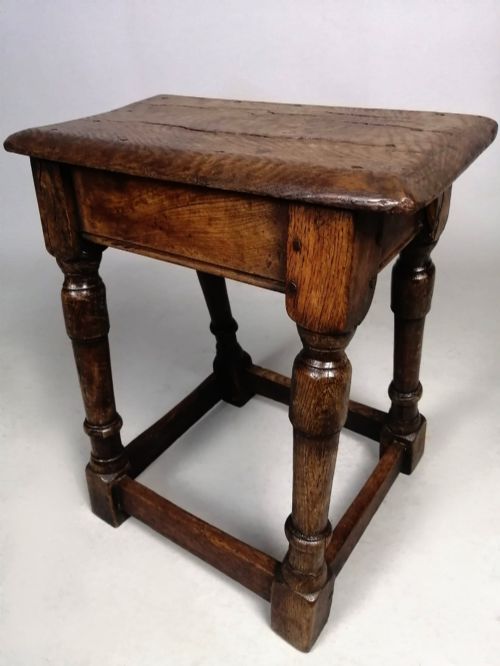
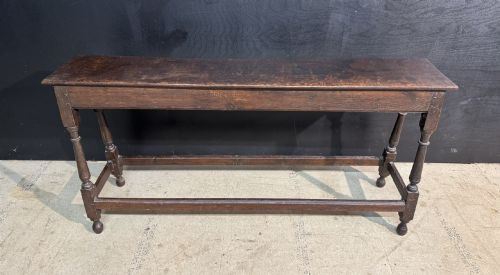
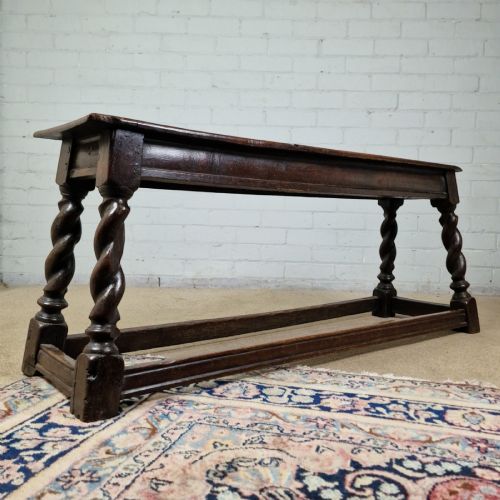
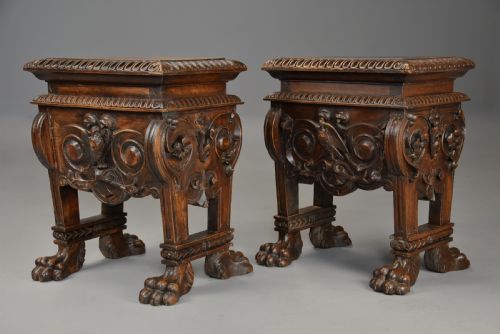
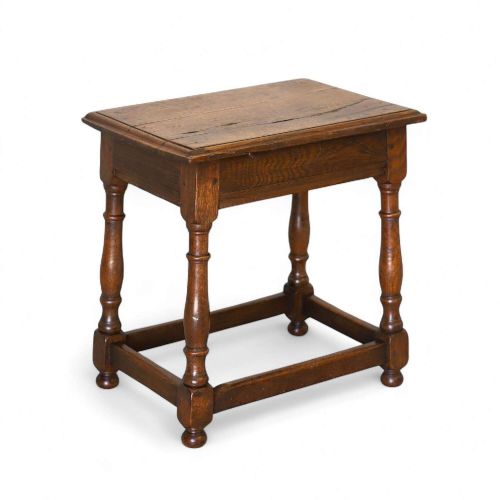
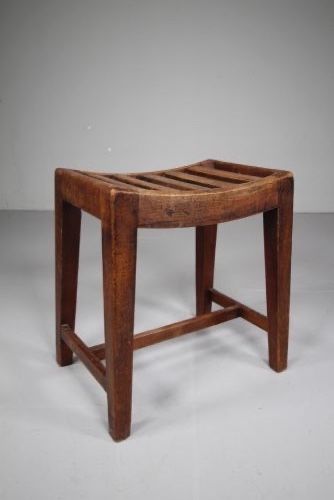
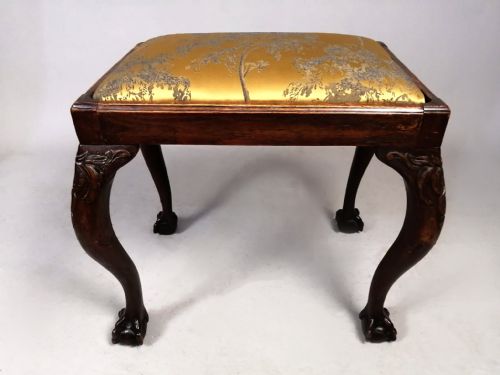
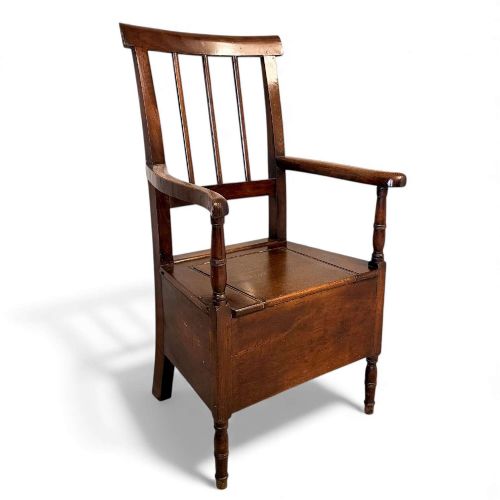
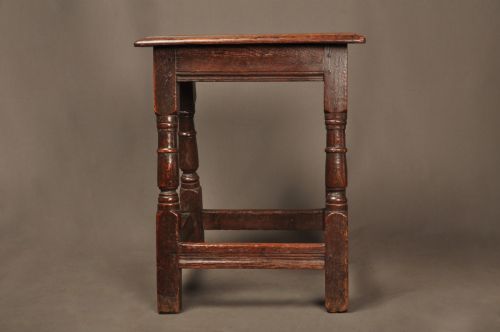
An 18th century wooden stool encompasses several distinct forms, from simple joint stools and plank-top designs to elaborate carved walnut pieces and fitted close stools. Buyers seeking these items will encounter sturdy provincial seating alongside refined Georgian examples with cabriole legs.
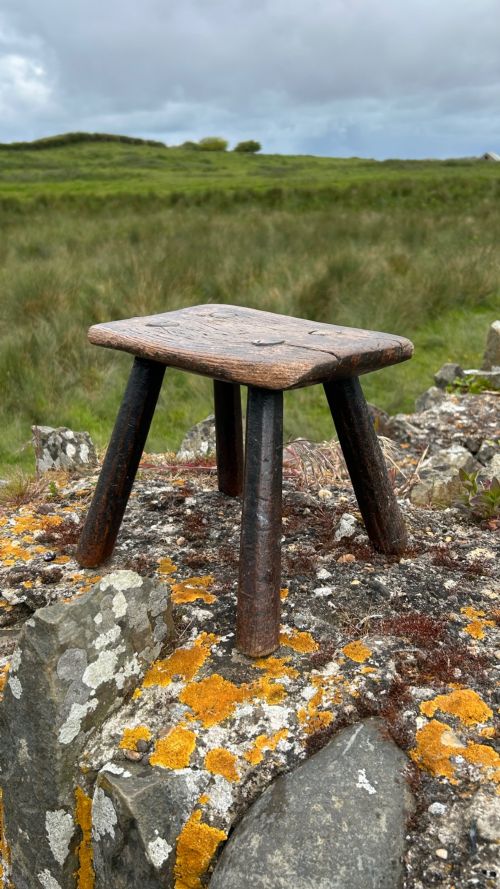
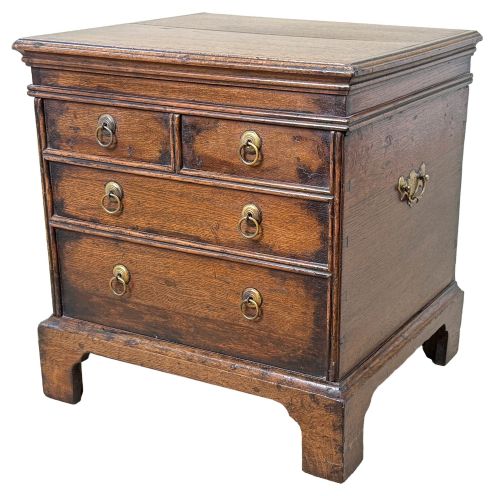
The selection spans domestic seating, footstools, and clever multi-purpose items disguised as small chests. Oak and elm dominate the rustic provincial examples, while walnut and mahogany appear in more formal domestic settings.
Materials and Construction
Makers utilised solid timbers such as oak, elm, walnut, and mahogany, shaping planks and turning legs by hand. Joinery relied on traditional joint stool construction, pegged mortise and tenon joints, and occasional blacksmith repairs.
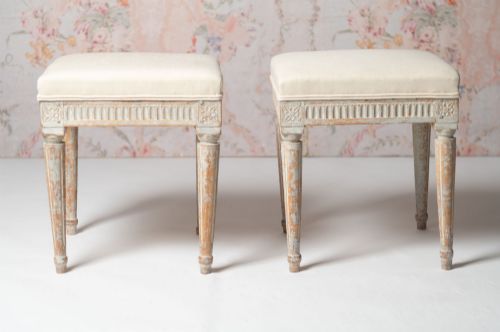
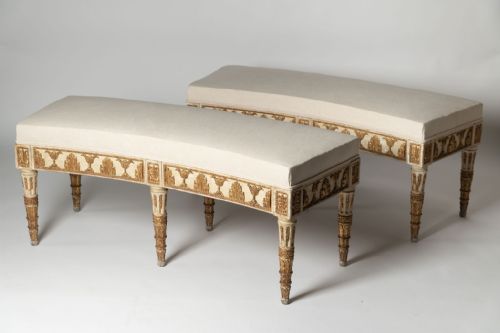
Upholstered versions incorporate textiles, tapestry, and tweed over traditional stuffing, whilst carved Italian and English pieces display hand-chiselled ornamentation directly into the dense hardwood.
18th Century Wooden Stool Retail Price Guide 2026
Typical asking prices for 18th century wooden stool among the pieces listed under this phrase on Sellingantiques today, from the lower quarter to the upper quarter. They describe what is for sale here now, not the wider market.
The listings feature oak, elm, walnut, and mahogany, spanning periods from the late 17th century through the Georgian era and into the 20th century.
Character and Craft
The distinction between ordinary and exceptional pieces lies in the crispness of the timber's carving, the honesty of historical repairs, and the depth of the natural surface patina. Pieces exhibiting rich colour and untouched primitive construction carry greater authenticity.
Proportion and timber selection dictate the visual weight of each piece, distinguishing utilitarian milking stools and vernacular splayed-leg designs from high-style Georgian and Queen Anne seating.
The 18th Century Wooden Stool Glossary
- Joint stool
- A sturdy wooden stool built with pegged mortise and tenon joints rather than turned legs alone. These pieces were historically utilised for sitting or as small tables.
- Close stool
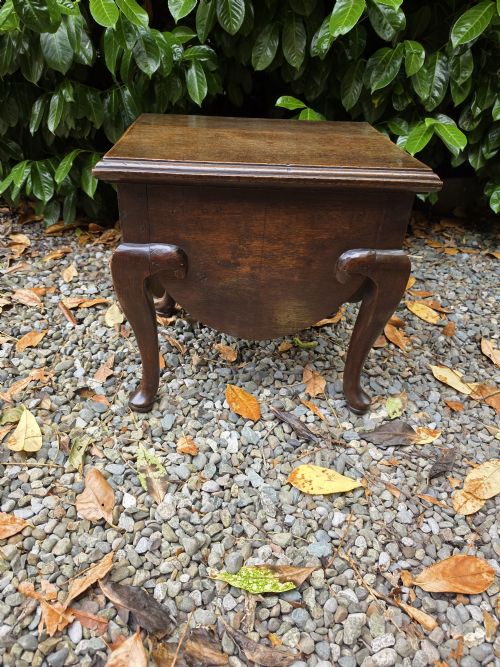
- A piece of furniture resembling a small chest, box, or armchair that enclosed a chamber pot for indoor sanitation. They often feature cupboard doors or lift lids hiding a commode seat.
- Cabriole leg
- A furniture leg that curves outward at the knee and tapers inward toward the foot, mimicking animal limbs. It is frequently seen on refined Georgian seating.
- Vernacular
- Everyday domestic objects made by local craftsmen using regional materials and traditional methods rather than following metropolitan fashion.
- Plank top
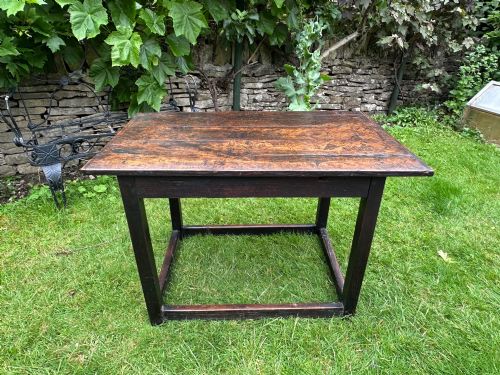
- A solid wooden top constructed from one or more thick boards joined together to form the surface of a stool or table.
18th Century Wooden Stool: Frequently Asked Questions
What is an 18th century wooden stool used for today?
These pieces serve well as low occasional seats, bedside tables, or decorative stands in a hallway.
Their compact size allows them to fit easily into modern rooms while adding historic character.
How do I identify a genuine 18th century joint stool?
Look for pegged joints, hand-planed surfaces, and natural wear patterns accumulated over generations of use.
Genuine examples display tool marks and timber shrinkage consistent with age rather than modern mechanical production.
What is a close stool?
A close stool is an enclosed box or chair designed to conceal a chamber pot for private use.
Many examples disguise this function cleverly beneath a hinged lid or within the frame of a small bedside chest.
Which woods were used for these stools?
Craftsmen utilised native hardwoods such as oak, elm, walnut, and mahogany depending on the region and the intended formality of the piece.
Rustically inclined makers favoured tough timbers like elm and oak, whereas urban workshops chose walnut and mahogany.