


Vernacular Wooden Seating
Vernacular wooden seating comprises honest country chairs, settles and stools shaped by local makers using native timbers through centuries past.
Vernacular Wooden Seating
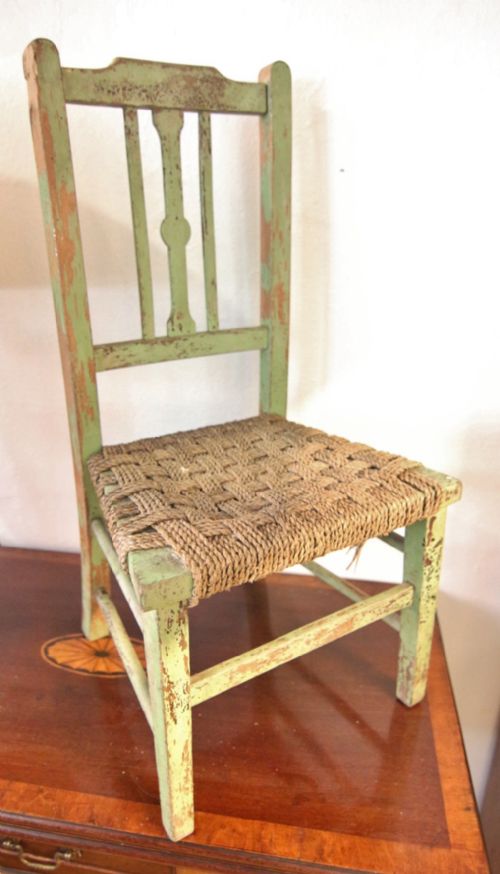
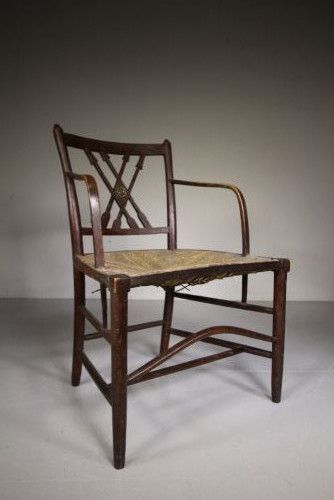
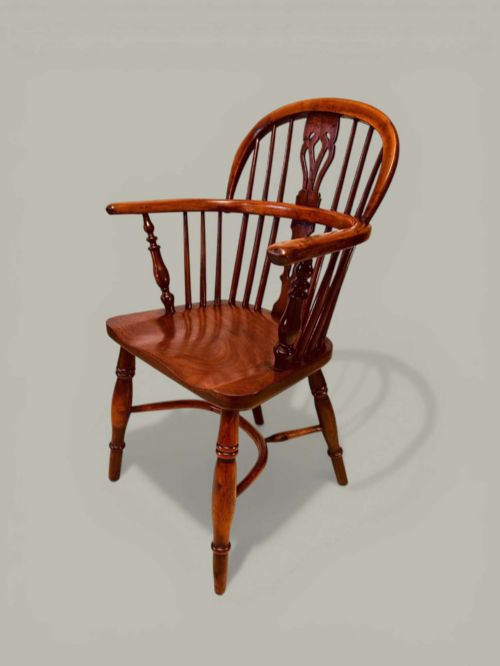
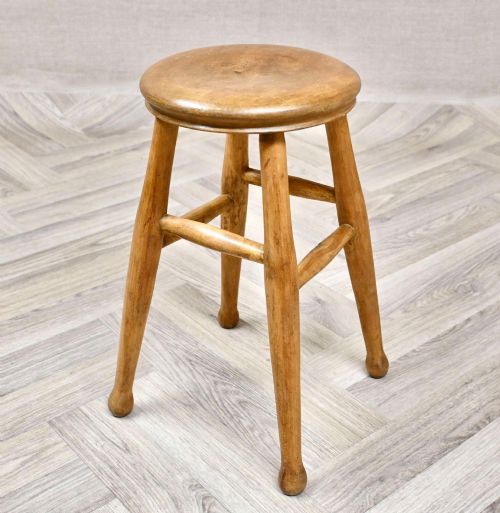
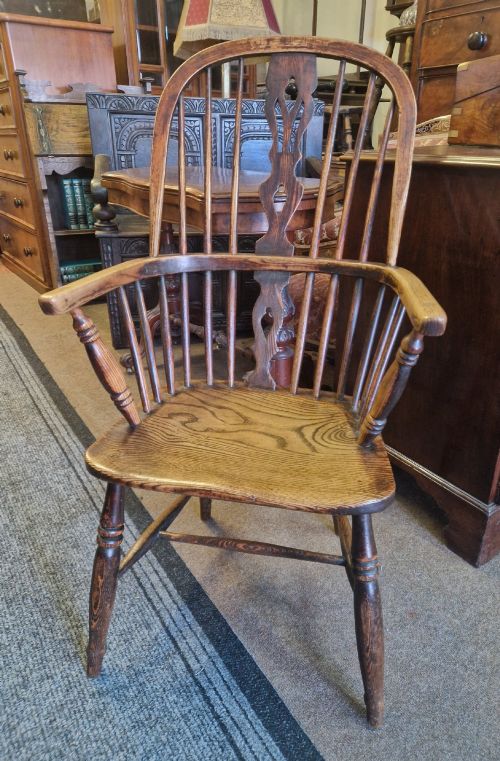
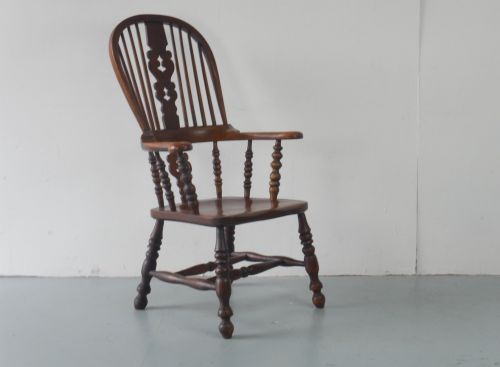
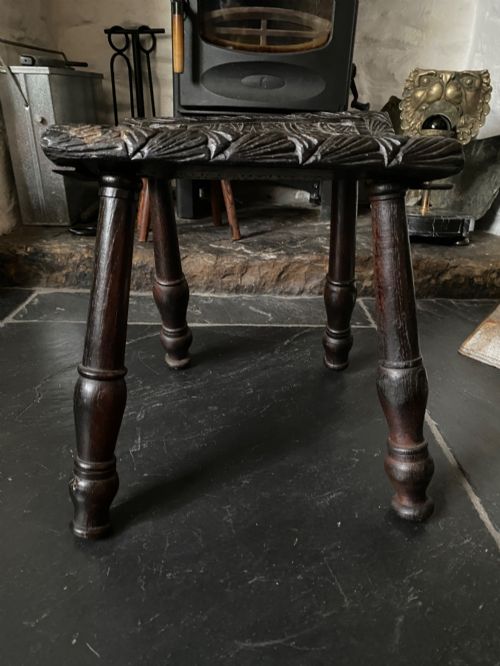
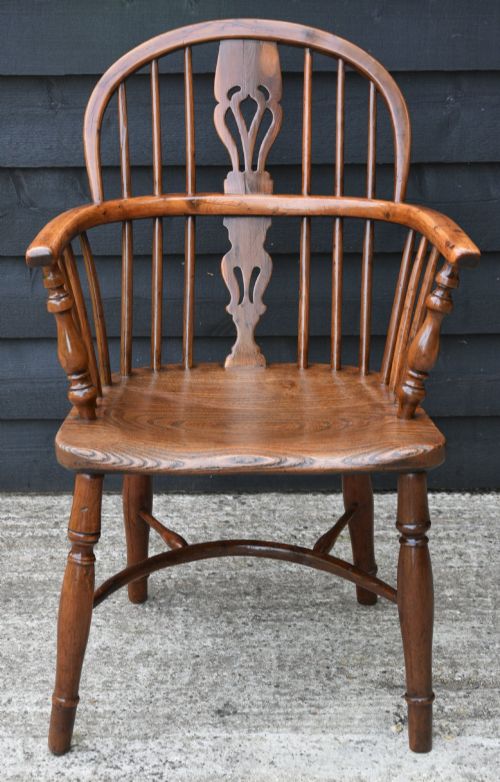
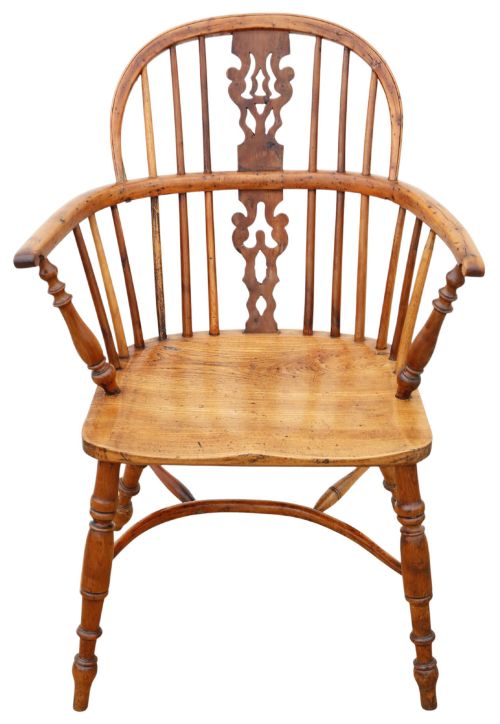
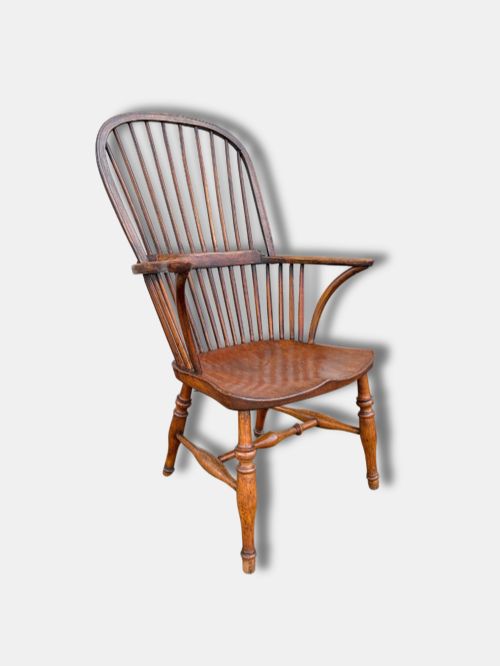
Vernacular wooden seating encompasses practical household furniture made away from metropolitan workshops, relying on regional traditions and readily available materials. You will frequently encounter nineteenth-century Windsor armchairs, ladderbacks, and simple stools built for everyday use in farmhouses and cottages.
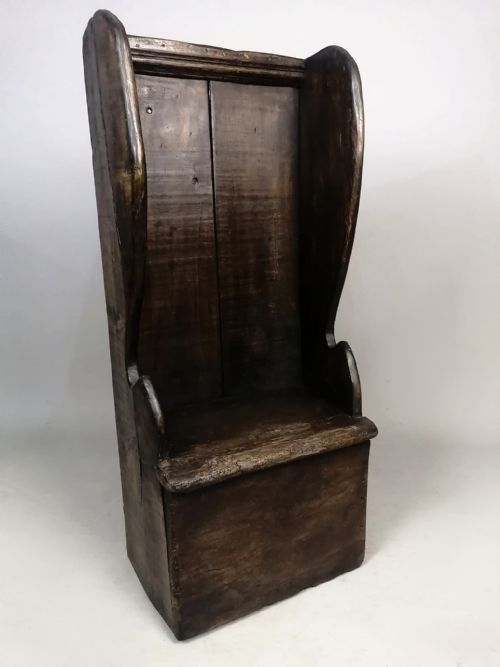
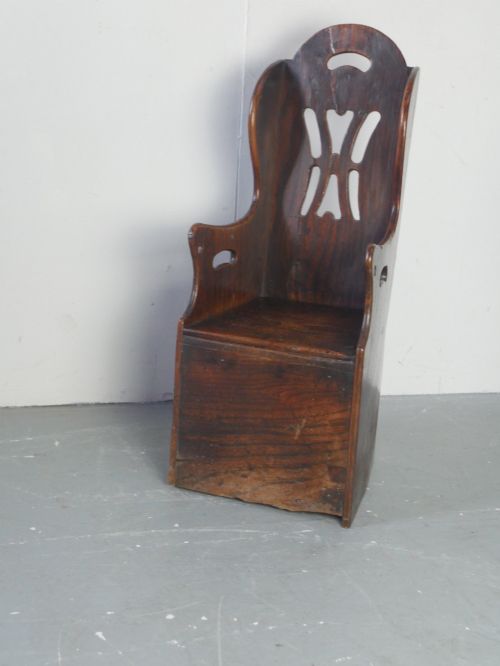
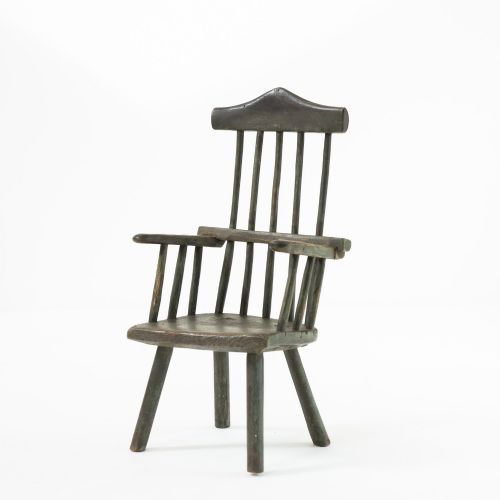
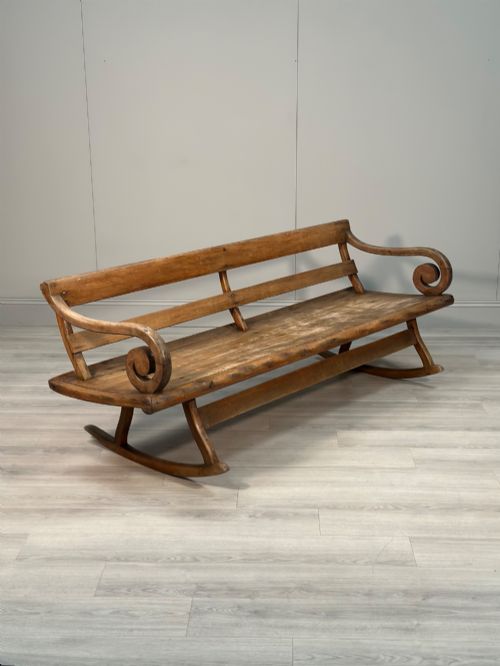
The selection ranges from seventeenth-century oak lambing chairs to nineteenth-century ash and elm stickbacks, showing how forms evolved to serve domestic comfort. Makers met local needs through straightforward construction, producing dining chairs, benches, and child-sized armchairs without urban ornament.
Many examples display the regional characteristics of areas like the Thames Valley or Wales, where specific turning and joining methods persisted for generations. These objects carry the marks of rural life, reflecting the practical demands of the kitchens, hearths, and parlours they inhabited.
How they were made
Constructed primarily from native hardwoods such as elm, ash, oak, beech, and yew, these pieces combine different timbers based on their natural properties. Craftsmen frequently selected sturdy oak or ash for frames and undercarraments, pairing them with thick elm for sculpted saddle seats.
Joinery methods rely on traditional techniques like bodging and Windsor construction, where spindles and legs are wedged directly into bored seats. Frame components are shaped using drawknives and shaves, leaving subtle tool marks that reveal the hand of the maker.
Vernacular Wooden Seating Retail Price Guide 2026
Typical asking prices for vernacular wooden seating among the pieces listed under this phrase on Sellingantiques today, from the lower quarter to the upper quarter. They describe what is for sale here now, not the wider market.
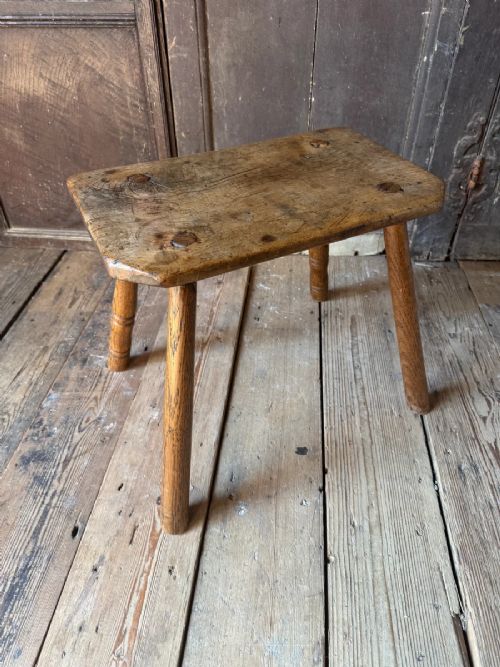
Milking stools on this page occasionally feature a single leg, requiring the milker to balance like a tripod while working in the shed.
What varies in quality
Quality rests in the balance of proportions and the integrity of the timber selection, distinguishing robust workshop output from clumsy repairs. A well-balanced Windsor armchair with a deeply sculpted seat and well-turned spindles demonstrates greater mastery than a rigid, heavy-handed copy.
The degree of original surface wear and untouched patination dictates the visual appeal of each piece, showing how time has seasoned the wood. Pieces retaining their early finish without excessive scraping or inappropriate restoration hold a stronger connection to their origins.
Philip Clissett
The Vernacular Wooden Seating Glossary
- Windsor chair
- A chair built with a solid wooden seat into which the legs and back stick are independently fitted. This design relies on the strength of bored joints rather than a continuous frame.
- Box settle
- A high-backed wooden bench featuring a storage compartment beneath the seat and solid side panels to block drafts. They stood near farmhouse hearths to provide enclosed warmth.
- Lambing chair
- An enclosed armchair featuring high wings and a low seat, historically designed to shelter shepherds or livestock keepers near the fire. They often incorporate drawer or box sections beneath.
- Ladderback
- A chair style featuring horizontal slats set between two upright posts forming the backrest. These slats are frequently curved to fit the sitter's spine.
- Bodger
- A rural woodworker who turned chair legs and spindles on pole lathes in the woods near the source of timber. Their components supplied local chairmakers for final assembly.
Vernacular Wooden Seating: Frequently Asked Questions
What is vernacular seating?
Vernacular seating refers to utilitarian furniture made by regional carpenters and country craftsmen rather than fashionable city cabinetmakers. These items were designed to serve functional purposes in rural homes.
Makers utilised local timber and traditional methods suited to domestic life, resulting in diverse regional styles across England and Wales.
How do I identify a Windsor chair?
A Windsor chair is identified by its solid sculpted wooden seat, which acts as the central anchor for the legs below and the back spindles above. Unlike framed chairs, the components are tenoned straight into the thick seat slab.
Variations include hoop backs, stick backs, and comb backs, each reflecting different regional English traditions from the eighteenth and nineteenth centuries.
Where were box settles used?
Box settles were traditionally placed in the kitchens and halls of farmhouses and cottages, positioned near the hearth to shield occupants from cold drafts. The high back and solid wings trapped warmth around the sitter.
The enclosed base beneath the seat doubled as a chest for blankets, dry goods, or household storage.
Why are different woods mixed in one chair?
Country makers combined multiple timber species to exploit the specific mechanical strengths of each wood. Elm was chosen for seats because its interlocking grain resisted splitting when bored.
Ash and oak provided rigid strength for legs and spindles, while yew offered flexibility and rich colour for bent bow arms.
How should I care for antique wood?
Antique wooden seating requires stable indoor humidity away from direct heat sources and strong sunlight to prevent timber shrinkage and cracking. Periodic application of natural wax helps maintain the surface sheen.
Avoid aggressive modern cleaning agents that strip away the historic patination accumulated over centuries of use.