
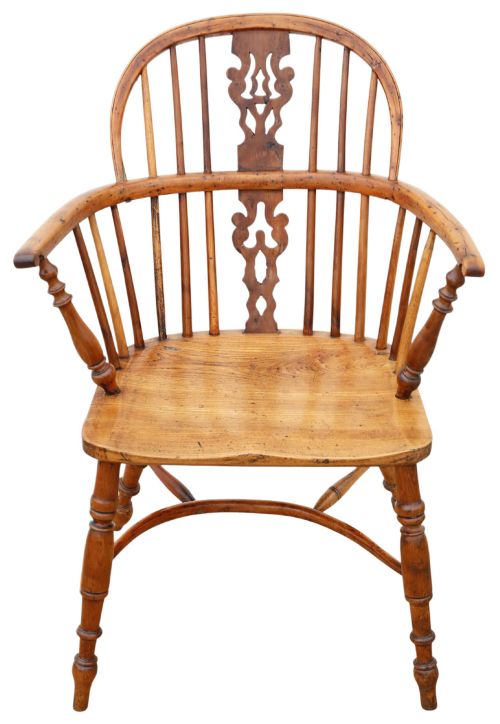
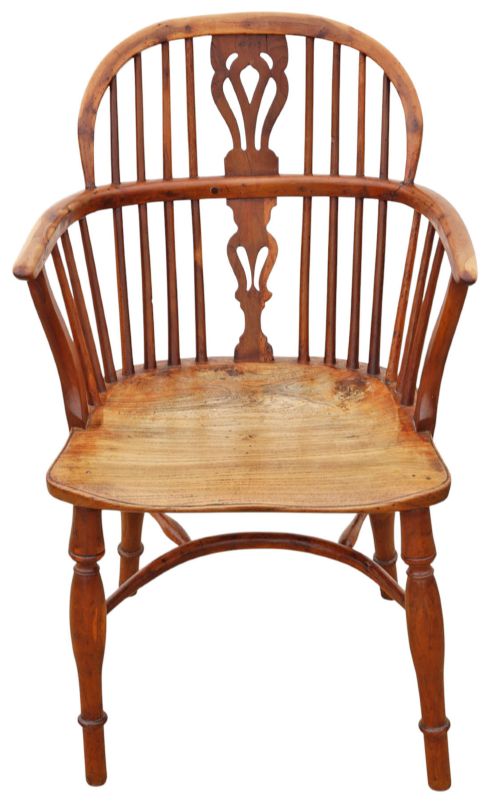
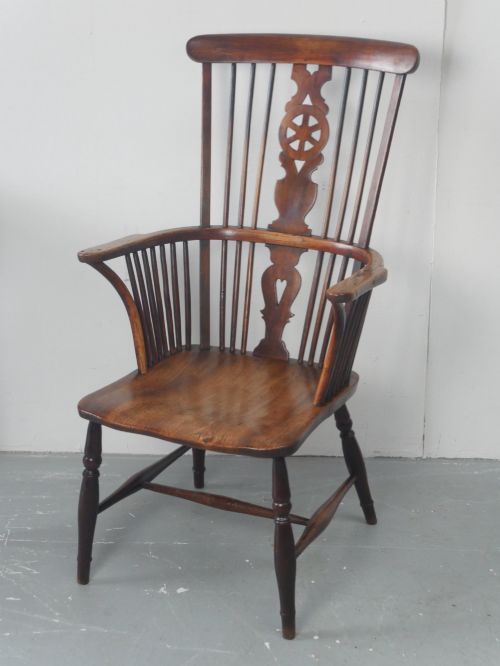
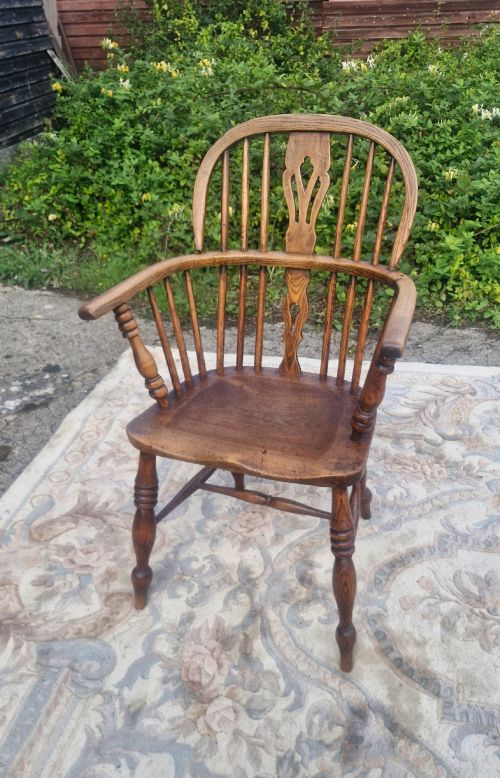



Traditional English Chair
These traditional english chair selections encompass centuries of domestic seating, from sturdy country Windsors to formal mahogany dining suites.
Traditional English Chair
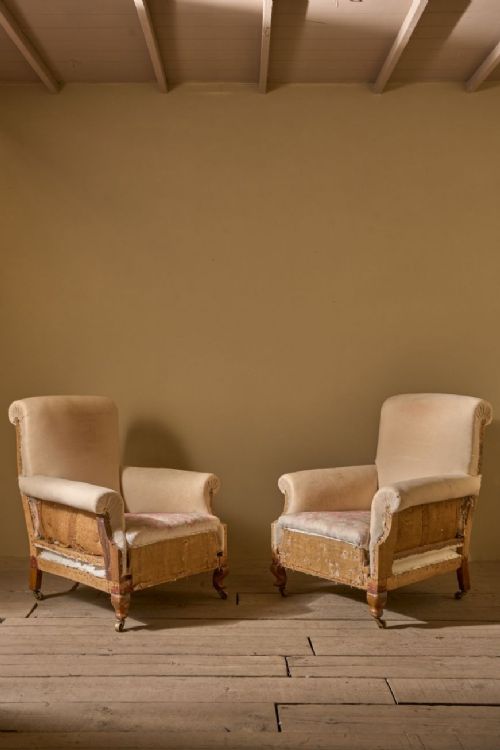
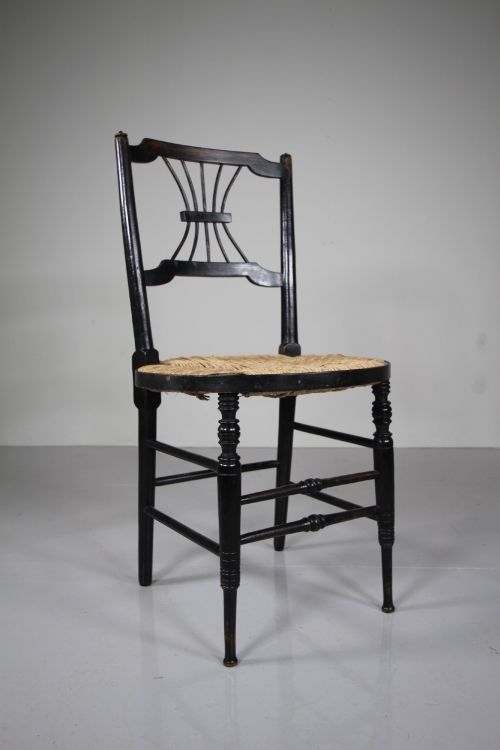
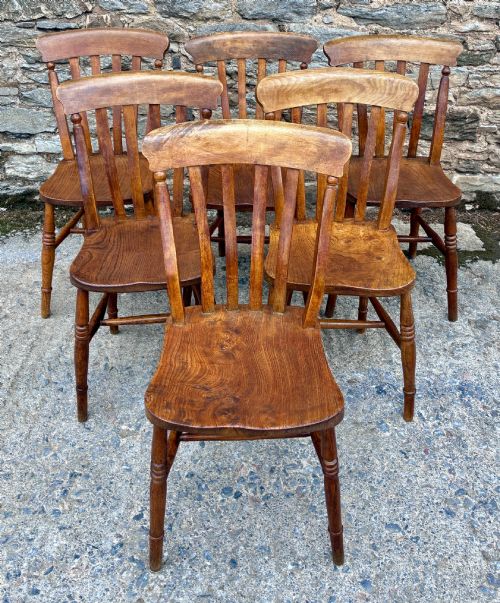
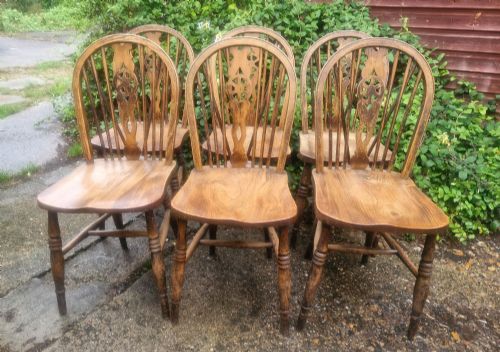
A traditional english chair represents the diverse domestic seating forms used across British homes from the eighteenth century into the twentieth century. Buyers seeking a traditional english chair encounter everything from rustic country kitchen seating to formal parlour and dining room furnishings.
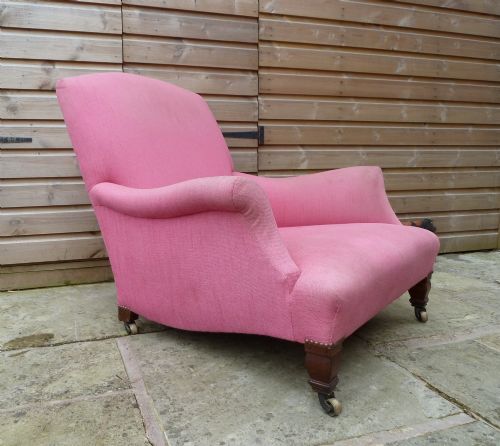
Formations range from spindle-backed and wheel-back carvers to upholstered wingbacks and oak ladder-backs. Elm, ash, and beech frequently appear in vernacular country seating, while mahogany and walnut dominate formal styles.
How they were made
Traditional English seating relies on regional timbers combined with sturdy joinery techniques suited to each form. Country makers utilised native woods such as elm for solid saddle seats, paired with ash or beech for resilient bentwood bows and spindles.
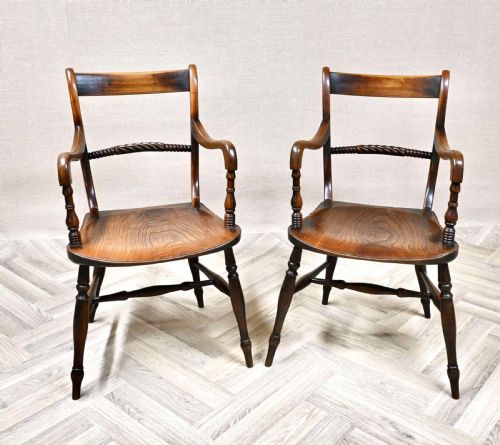
Formal dining and reception chairs employ dense imported hardwoods like mahogany and walnut, shaped with carved splats, rope-back rails, and turned legs. Bobbin turning and mortise and tenon joinery provide structural stability across both rustic and formal designs.
Materials appearing across the inventory range from native British hardwoods like yew and oak to imported mahogany and walnut.
What varies in quality
Quality in these chairs rests upon the selection of timber and the integrity of the original construction. Matched sets with uniform grain patterns and deep patination command greater attention than assembled groups.
Refined craftsmanship shows in the subtlety of spindle turnings, the comfort of sculpted elm seats, and the preservation of original surface finishes rather than later alterations.
Howard and Sons·William Morris·Maple and Co·Philip Clissett·J Spencer
The Traditional English Chair Glossary
- Windsor chair
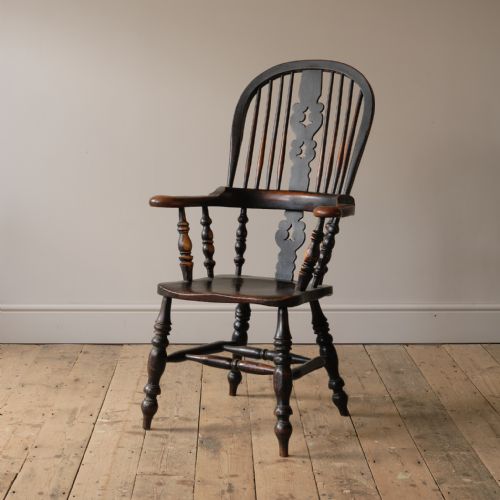
- A wooden chair built with a solid saddle-shaped seat into which the legs and back spindles are directly inserted. This design developed deep roots in English country furniture making.
- Carver
- An armchair, usually designed to sit at the head of a dining table or to match a set of smaller side chairs. These often feature sweeping elbow rests.
- Wainscot armchair
- An early heavy wooden armchair constructed primarily from oak with panelled backrests. Such pieces date back to the seventeenth and eighteenth centuries.
- Patina
- The surface sheen and mellowing developed by wood over decades or centuries of handling and use. Collectors value an untouched natural finish.
Traditional English Chair: Frequently Asked Questions
What is a Windsor chair?
A Windsor chair is a distinct wooden seat built with turned spindles inserted into a thick plank seat. They emerged as robust vernacular furniture in English rural areas.
Most examples combine multiple timbers, utilising elm for seats and ash or yew for bent parts to ensure durability.
How do I date an antique chair?
Dating relies on examining the timber species, joinery methods, and tool marks visible beneath the seat or along the frame. Certain styles and turning patterns correspond directly to Georgian or Victorian periods.
Changes in proportion and the degree of wear also help establish the approximate era of manufacture.
Are these chairs suitable for daily use?
Most traditional wooden and upholstered chairs remain sturdy enough for everyday seating when properly maintained. Solid timber frames and pinned joints provide enduring structural integrity.
Placing them away from direct heat sources helps preserve the ancient wood and prevents shrinkage.
What is a carver chair?
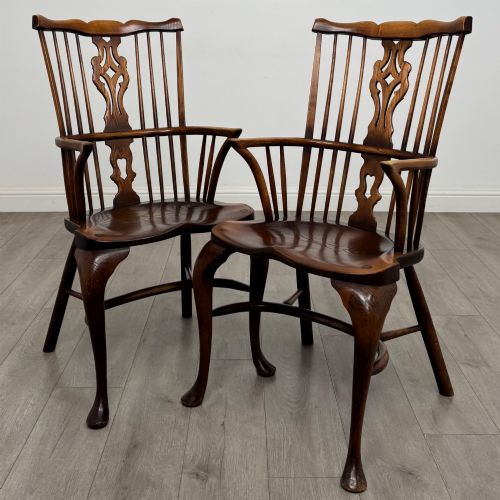
A carver is an armchair styled to match a set of smaller dining room side chairs. They were traditionally placed at either end of a dining table.
These chairs offer more generous proportions and armrests while maintaining the decorative theme of the dining set.