
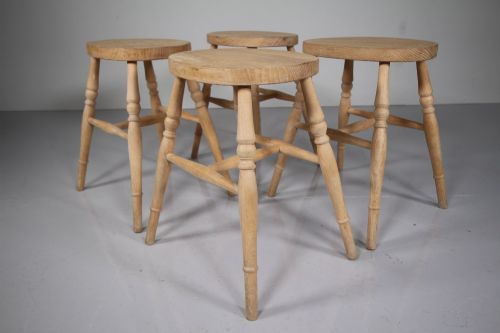
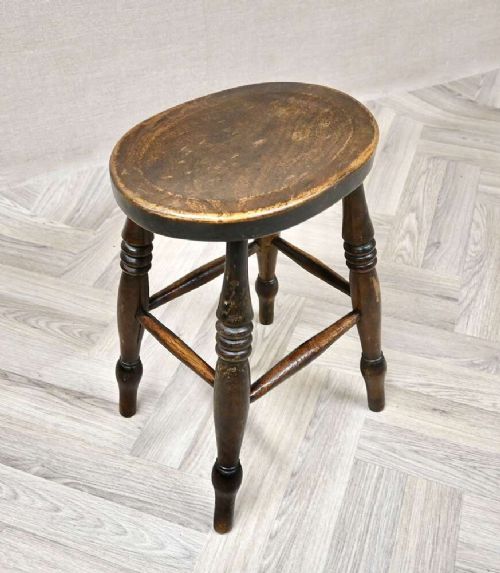
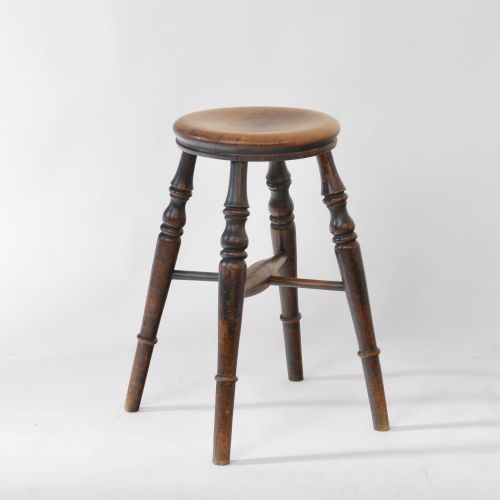
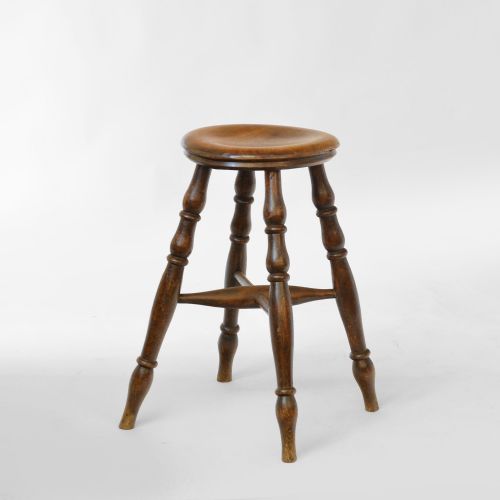
Turned Leg Country Stool
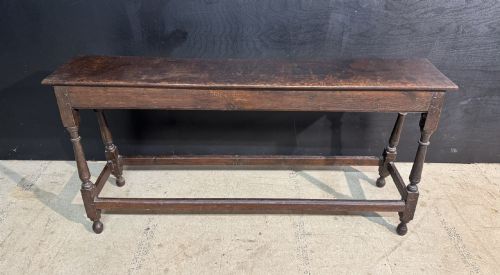
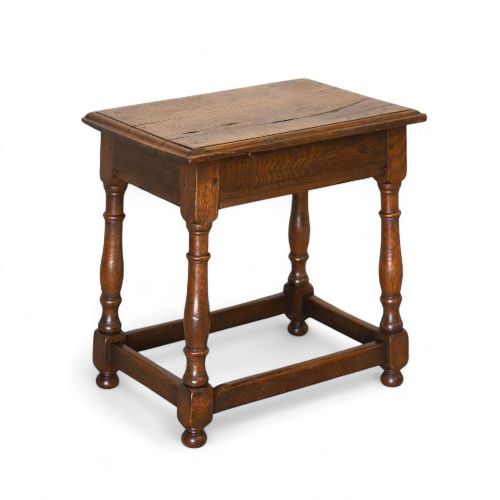
These turned leg country stool examples offer honest utility through robust woods and simple turned supports found across various centuries.
Turned Leg Country Stool
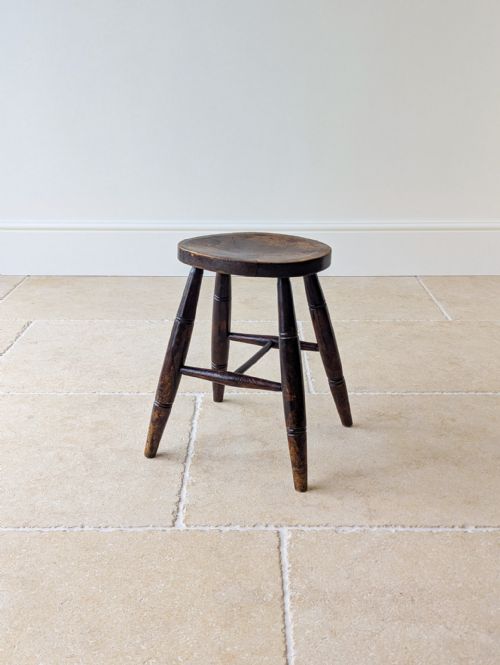
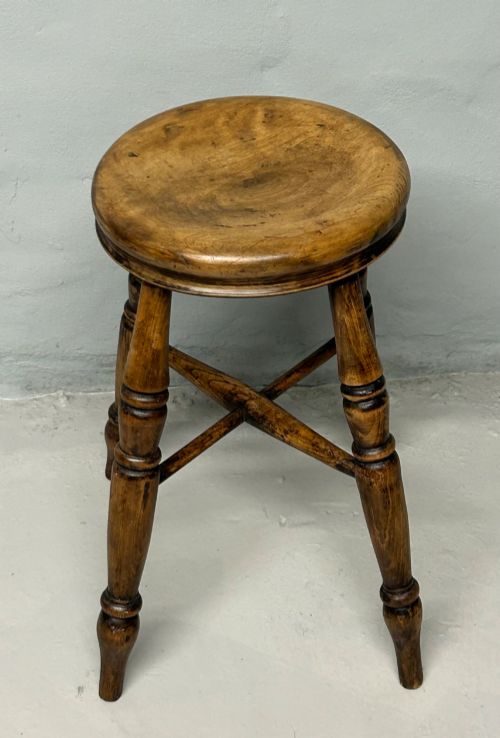
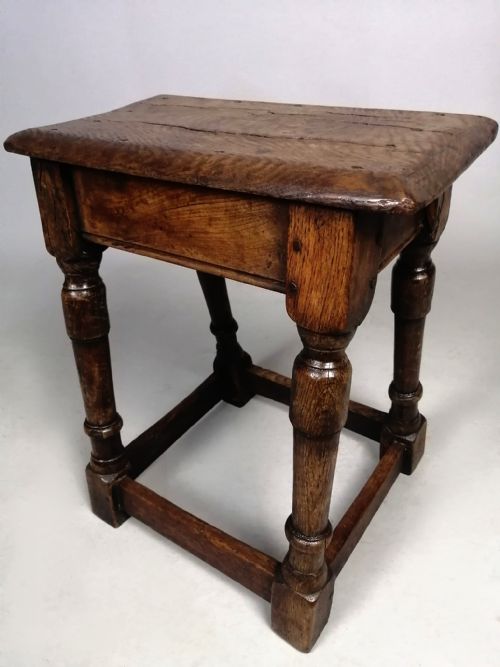
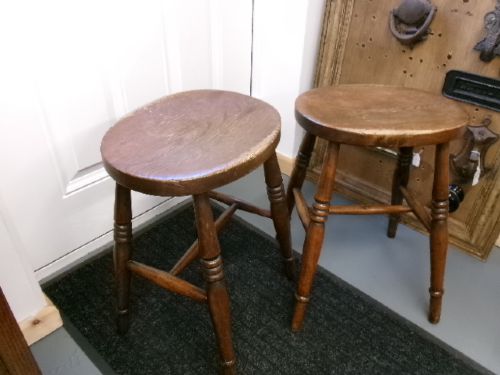
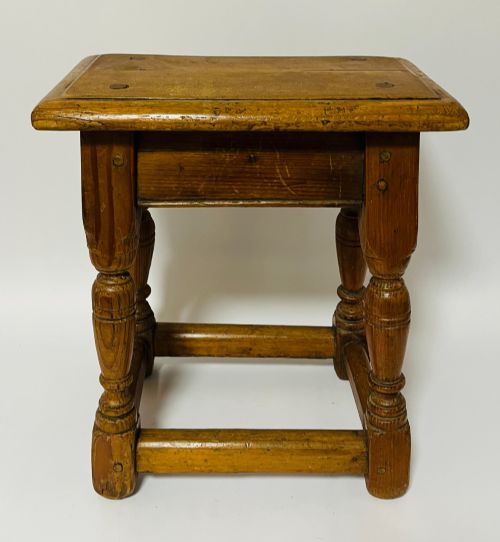
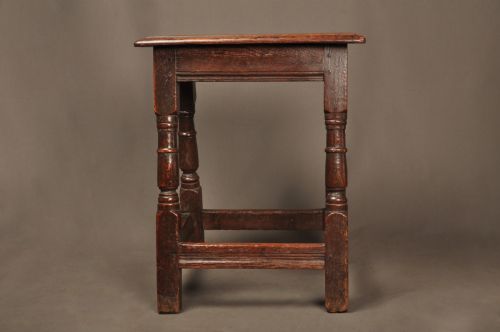
A turned leg country stool represents practical domestic and tavern seating built for everyday use. When searching for a turned leg country stool, buyers encounter forms ranging from low dairy and milking designs to tall pub seats and joint variants.
The selection includes pieces spanning the Georgian period, the nineteenth century, and the early twentieth century. Common formats feature round, oval, or square timber tops supported by turned uprights in various domestic hardwoods.
How they were made
Joiners and country craftsmen utilised native timbers such as oak, elm, ash, beech, and sycamore for these utilitarian items. Seats were often shaped from single slabs of elm or sycamore, while legs were turned on a lathe and joined using traditional peg or wedged mortise and tenon methods.
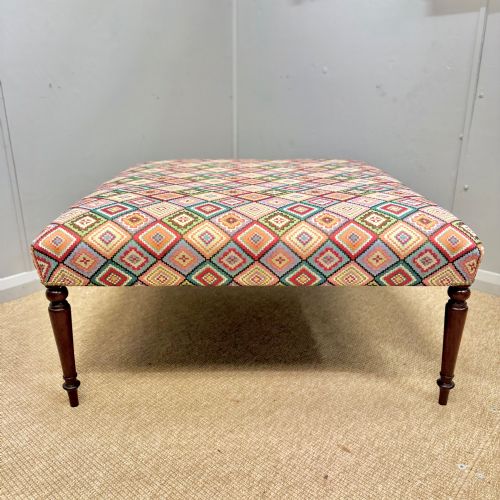
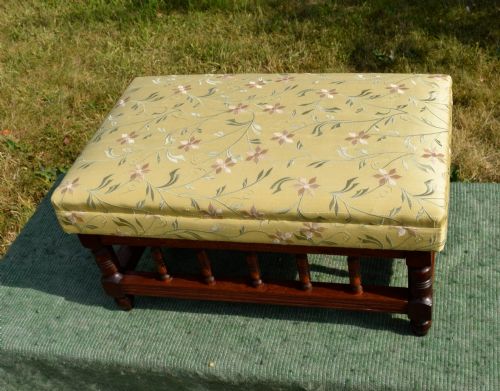
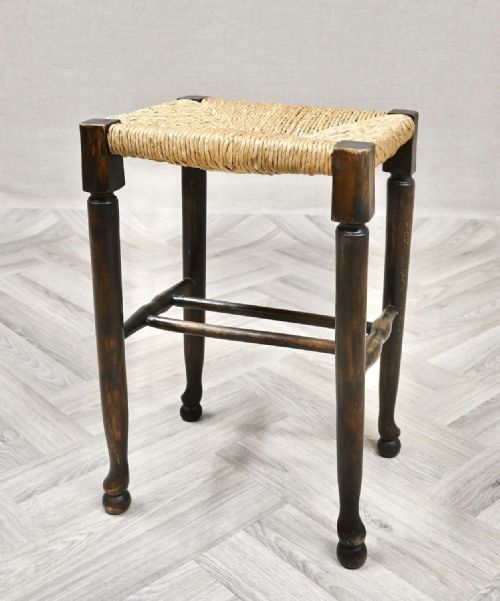
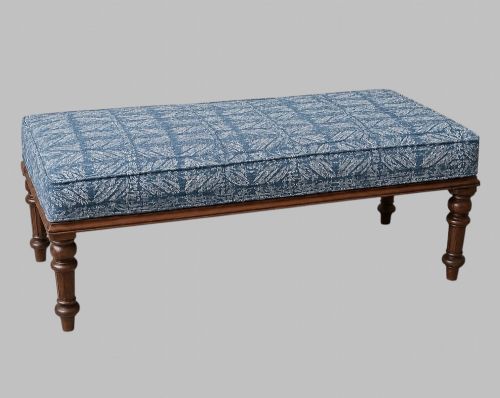
Surface finishes vary from plain scrubbed wood to remnants of historic paint or natural wax polishes built up over generations of use. Some examples incorporate rush seating or simple upholstered pads alongside the solid turned construction.
The inventory includes specialised forms such as low milking seats, tall tavern perches, and multi-legged joint stools.
What varies in quality
The distinction between standard utility items and finer examples lies in the balance of proportions and the choice of timbers. Pieces featuring well-figured elm seats combined with crisp, finely turned legs command greater interest than plain utilitarian workshop output.
Original surface patination and structural integrity without excessive timber replacement determine the standing of an individual stool. The survival of an unaltered turned underframe alongside an untouched seat top defines the upper tier of these vernacular items.
The Turned Leg Country Stool Glossary
- Joint stool
- A rigid wooden seat constructed with mortise and tenon joints pegged together, pre-dating lighter chair forms. These sturdy pieces served multiple domestic purposes in early households.
- Milking stool
- A low three-legged or four-legged seat traditionally used by agricultural workers for manual tasks. Their simple construction prioritised stability on uneven floors.
- Windsor
- A style of seating characterised by wooden seats into which turned legs and spindles are directly inserted. This method provides robust construction for country furniture.
- Rush seat
- A woven seating surface made from dried marsh grasses twisted into cords. This traditional technique appears on various regional stools and chairs.
Turned Leg Country Stool: Frequently Asked Questions
How do I date a country stool?
Dating relies on timber species, tool marks, construction methods, and the style of turning on the legs. Earlier pieces often display hand-split boards and pegged joinery.
Later nineteenth-century examples utilise more standardised machining and common domestic hardwoods like beech and elm.
Were these stools used in homes?
These practical seats served diverse roles in kitchens, dairies, farmhouses, and public taverns. Their compact size allowed them to be tucked under tables or moved easily.
Milking and dairy variants were designed for specific agricultural tasks, while taller tavern stools accommodated public house counters.
How do I care for antique timber?
Maintain antique wood by keeping items away from direct heat sources and sudden temperature fluctuations. Regular application of a traditional beeswax polish helps nourish the dry grain.
Avoid modern liquid silicone sprays which can damage the historic surface sheen and accumulated patina.
What woods are most common?
Elm, oak, ash, and beech appear frequently in these regional vernacular items. Elm was particularly favoured for seats due to its interlocking grain resisting splits.
Turning components often utilised straight-grained ash or beech for strength and durability under daily weight.