
Vintage Timber Seat
A vintage timber seat brings warmth and utilitarian honesty to an interior, offering robust construction and enduring character.
Vintage Timber Seat
When searching for a vintage timber seat, buyers encounter a diverse array of sturdy furnishings designed for domestic, industrial and garden use. The selection spans utilitarian stools, benches, settle benches and kitchen chairs originating from the nineteenth and early twentieth centuries.
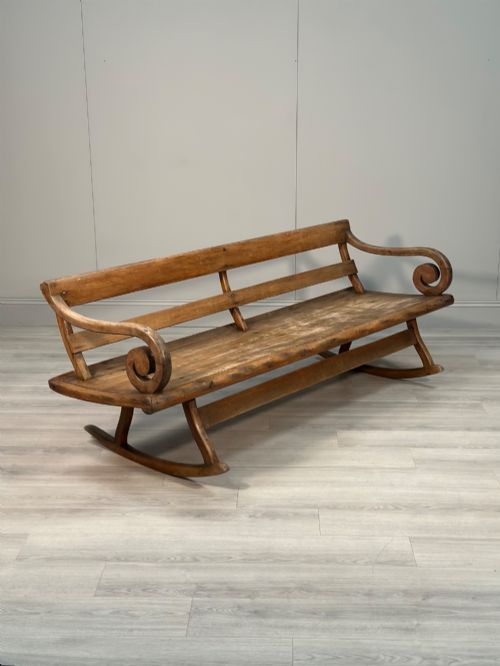
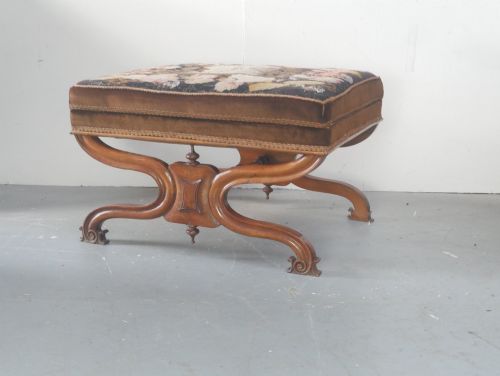
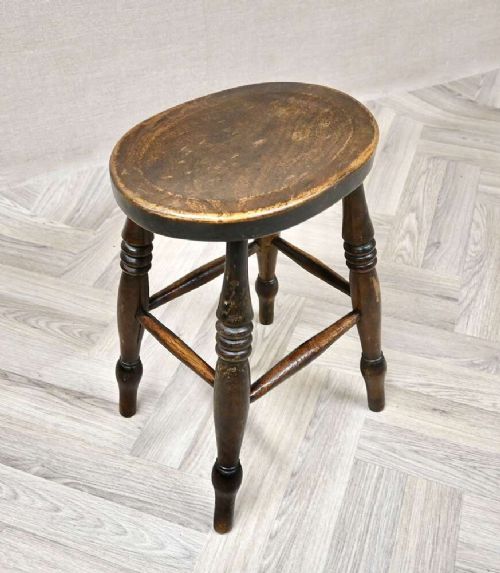
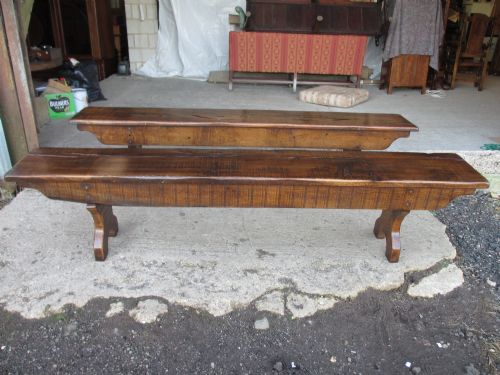
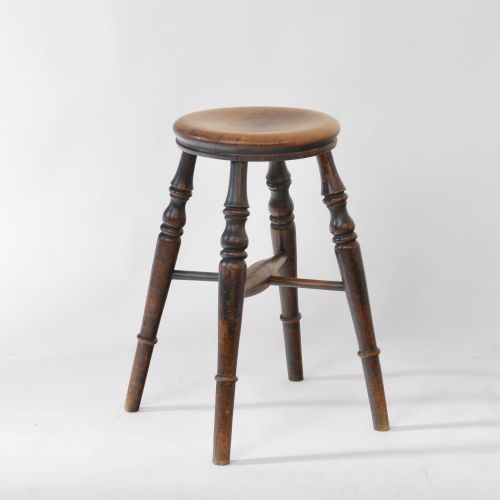
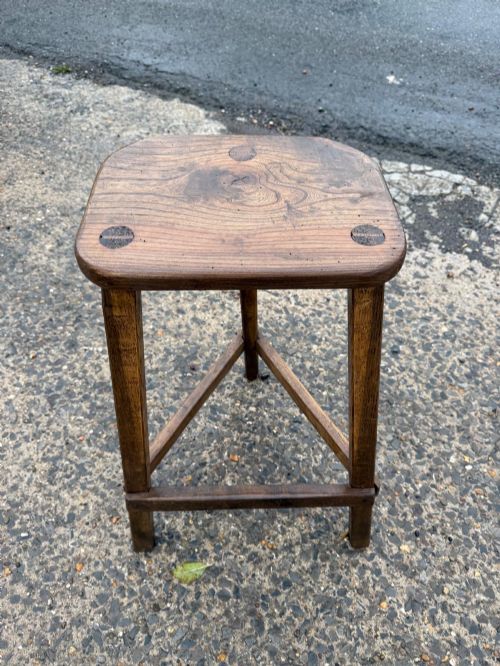
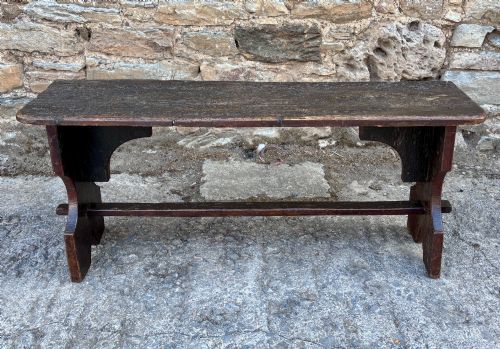
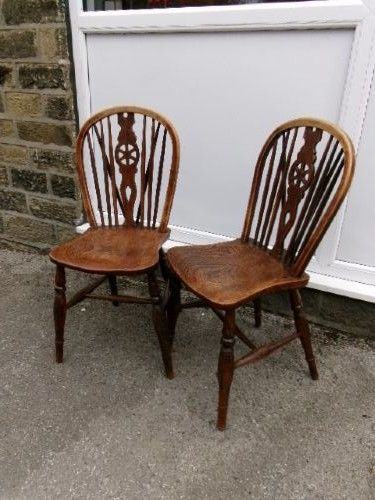
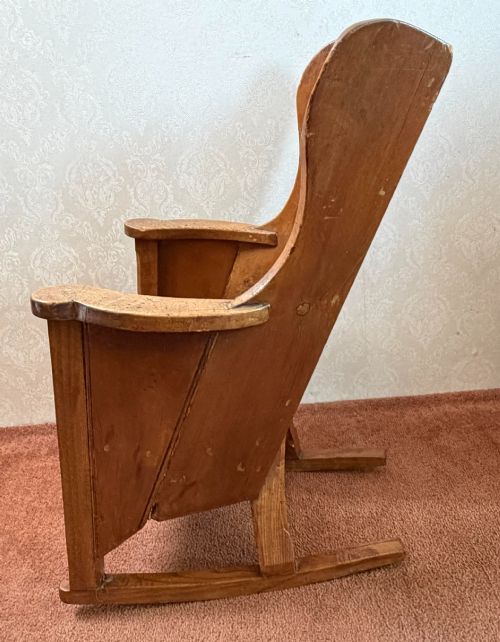
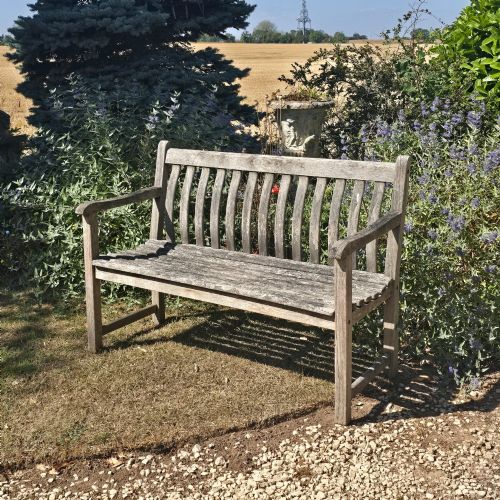
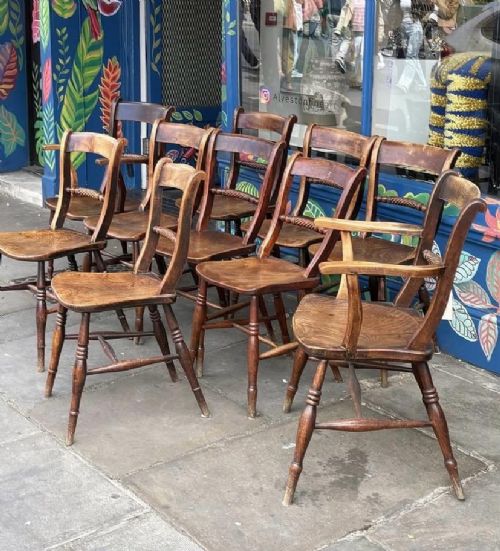
The most common forms on this page include country stools, garden benches and hall seats fashioned from robust woods. Pieces range from simple milking stools and Windsor wheelback chairs to grand oak benches and rocking settles bearing distinct period styles.
Origins vary from English country houses and Scottish baronial halls to European farmhouses and industrial workshops. These listings reflect vernacular traditions alongside formal revivals such as Gothic and Jacobean styles.
How they were made
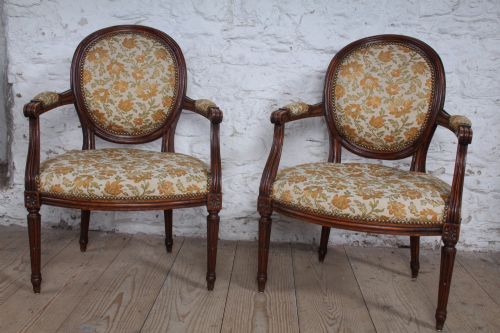
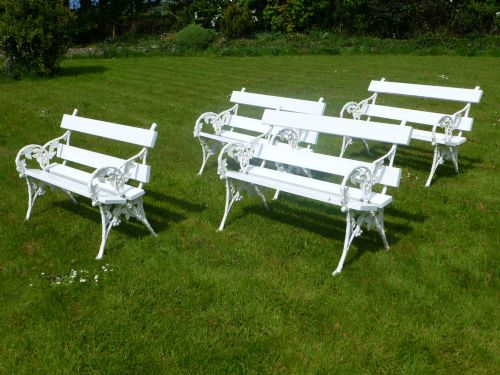
Maker construction relies on traditional timber selection, primarily utilising oak, elm, pine, sycamore, mahogany and teak. Woods are chosen for their density and grain, often complemented by structural elements in cast iron or fabric upholstery.
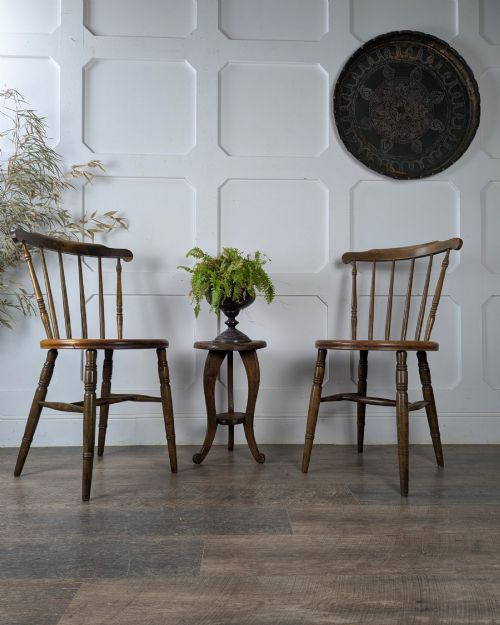
Joinery techniques range from pegged mortise and tenon joints in heavy oak benches to turned spindles and steam-bent components in Windsor chairs. Surfaces display patination developed through age, usage and applied finishes such as original paint or wax.
Listings feature pieces from the Victorian and Edwardian eras, utilising solid oak, elm, pine, and teak.
What varies in quality
Quality in these pieces rests upon the integrity of the timber framing and the preservation of original surfaces. Seats retaining untouched patination, original paint finishes or distinct regional vernacular details command greater interest.
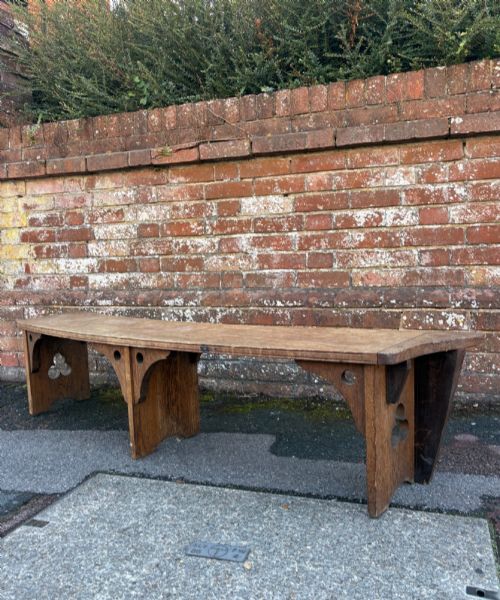
The sophistication of carving, such as trefoil details or gothic tracery, distinguishes standard utility items from finer workshop pieces. Structural stability and the retention of original fixings or hardware further define the caliber of each seating form.
Falkirk foundry
The Vintage Timber Seat Glossary
- Settle
- A wooden bench with a high back, solid arms and often a storage box beneath the seat. Historically placed near firesides to block draughts.
- Patina
- The surface sheen and colour developed on timber through decades of handling, polishing and exposure to light. It serves as an indicator of age and authenticity.
- Windsor
- A chair style featuring a solid wooden seat into which the legs and back spindles are directly bored and wedged. These chairs often incorporate distinctive bentwood bows.
- Trestle
- A structural support consisting of a horizontal beam fixed to two splayed vertical feet. This format provides rigid stability for long benches and tables.
- Trefoil
- A graphic ornament composed of three overlapping rings or leaf-like lobes. Commonly found carved into Gothic revival and ecclesiastical woodwork.
Vintage Timber Seat: Frequently Asked Questions
What defines a vintage timber seat?
A vintage timber seat encompasses chairs, benches, and stools constructed from woods such as oak, elm, pine, and teak during the nineteenth and early twentieth centuries. These objects combine utilitarian purpose with period craftsmanship.
They range from rustic milking stools and tavern seating to formal hall chairs and weather-worn garden benches.
How were settle benches used?
Settle benches served as multi-purpose furniture in historical homes, functioning as seating by communal hearths and windbreaks against cold draughts. Their high backs and solid sides protected occupants from chill air.
Many examples also incorporated enclosed storage compartments beneath the seat for household blankets or provisions.
How do I care for wooden seating?
Maintain vintage wood by placing pieces away from direct heat sources and strong sunlight, which can dry out timber and cause splitting. Regular application of a quality beeswax helps nourish the grain.
For outdoor benches in teak, allow weathering to take its natural course or apply suitable oils if you prefer to retain a warmer hue.
How can I tell the period?
Dating relies on observing construction methods, tool marks, timber selection, and stylistic details associated with Victorian, Edwardian, or earlier vernacular traditions. Machine-sawn components generally indicate later nineteenth-century manufacture or beyond.
Original paint layers, iron fixings, and wear patterns also offer clues regarding the exact era of production.