




French Provincial Bench
A French provincial bench brings honest craftsmanship and regional character to an interior.

French Provincial Bench
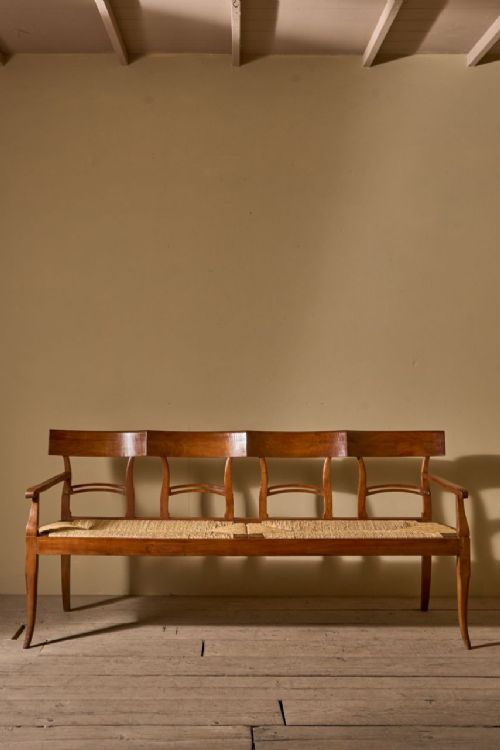
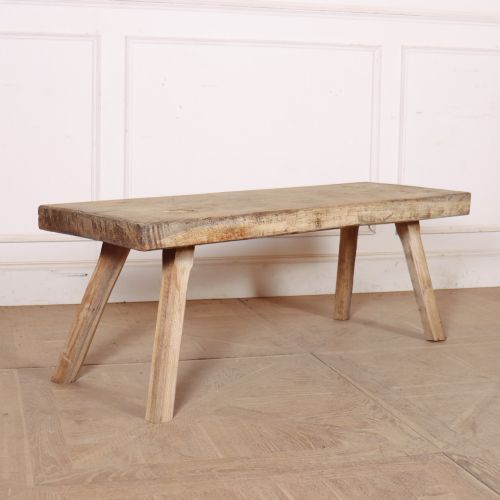
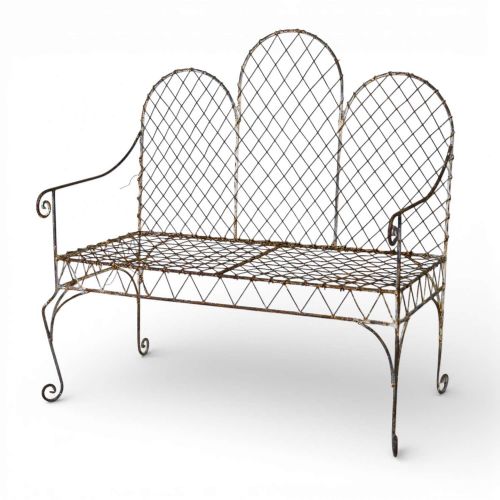
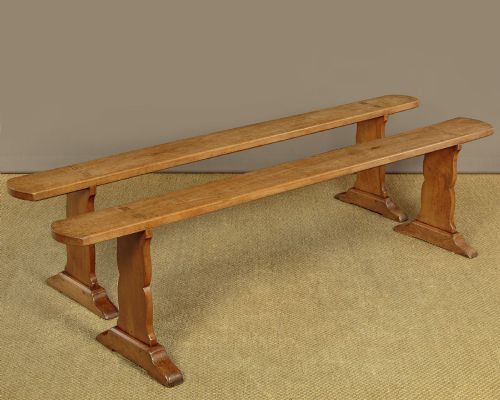
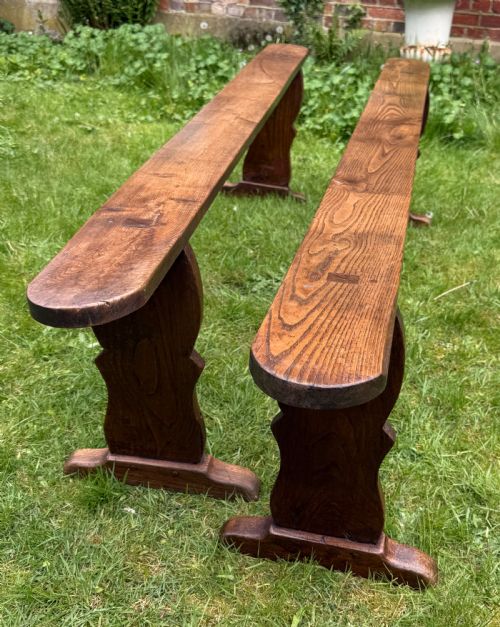
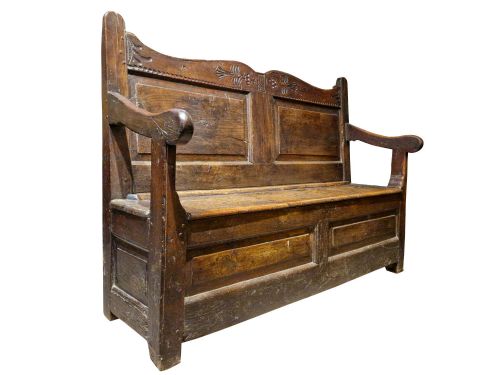
A french provincial bench is a seating form originating from regional workshops rather than metropolitan ateliers. These pieces reflect local traditions, often taking the form of long timber kitchen benches, window seats, or hall benches.
The selections span periods from the nineteenth century into the early twentieth century, incorporating rustic country designs alongside revived styles. Oak, cherrywood, and chestnut provide the primary structural timbers for these provincial forms.
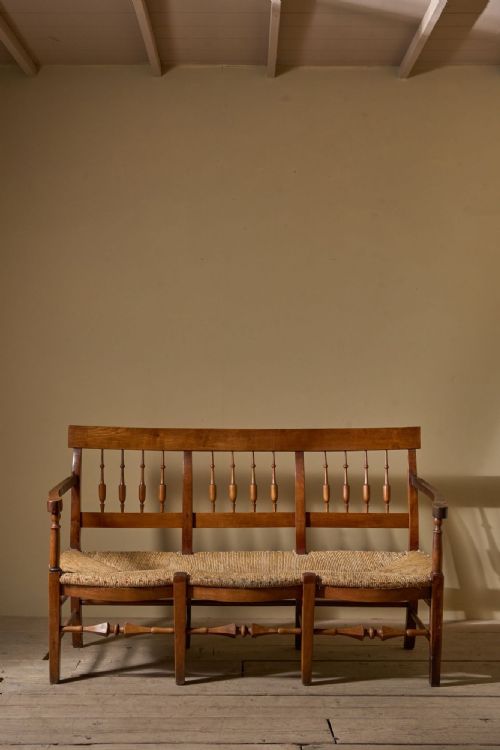
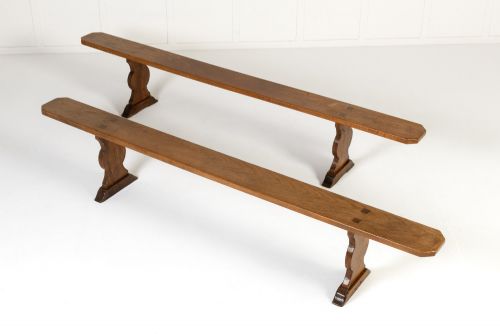
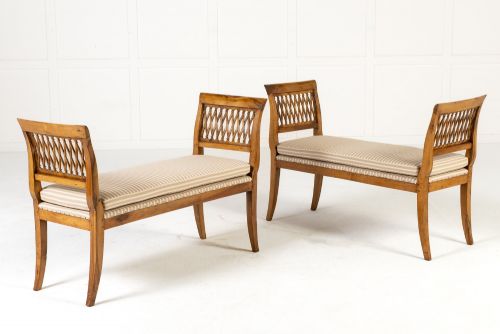
Buyers encounter simple plank-seated formats alongside examples fitted with rush seats or upholstered cushions. Pairs frequently appear in the record, suggesting they served communal dining or long farmhouse tables.
Materials and Construction
Makers utilised solid hardwoods such as oak, walnut, fruitwood, beech, and cherrywood to build durable frames. Timber boards were often joined simply, utilising pegged mortise and tenon joints suited to regional workshops.
Surface treatments range from scrubbed natural wood and clear wax to layered painted finishes. Rush seating and carved details appear on specific regional variants, adding texture to the functional wooden framework.
French Provincial Bench Retail Price Guide 2026
Typical asking prices for french provincial bench among the pieces listed under this phrase on Sellingantiques today, from the lower quarter to the upper quarter. They describe what is for sale here now, not the wider market.
Listings demonstrate that oak, cherrywood, and chestnut form the primary structural timbers for nineteenth-century French provincial seating.
Assessing Quality
Quality rests upon the integrity of the timber and the honesty of the construction. Pieces retaining their original surface finish, whether scrubbed grain or early paint, hold greater integrity than heavily stripped or later altered examples.
Proportion and restraint distinguish finer provincial pieces from later decorative imitations. Well-balanced turnings, tight joints, and timber selected with appropriate grain pattern mark superior regional output.
Trussant & Cie
The French Provincial Bench Glossary
- Rush seated
- A seat woven from dried marsh grasses or rushes. This traditional method provides a resilient, textured surface for regional chairs and benches.
- Fruitwood
- Timber sourced from fruit-bearing trees such as cherry, apple, or pear. Provincial makers valued these woods for their dense grain and warm tone.
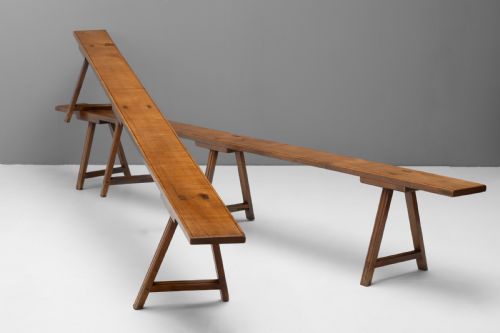
- Trestle
- A structural support consisting of a horizontal beam fixed to two splayed legs. This arrangement allows maximum legroom beneath long dining benches and tables.
- Canapé
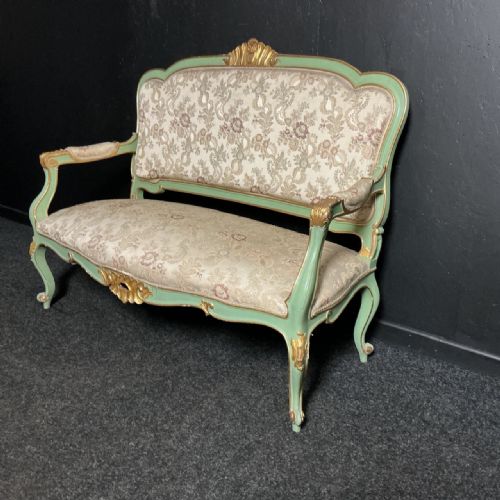
- An upholstered sofa or settee featuring an exposed wooden frame. These pieces often display regional interpretations of court styles.
- Window seat
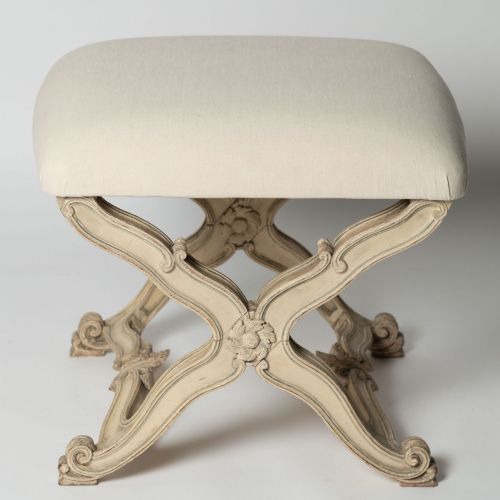
- A long, low bench designed to fit within a window recess. They frequently incorporate upholstered tops or carved wooden frames.
French Provincial Bench: Frequently Asked Questions
How do I date a French provincial bench?
Dating relies upon tool marks, timber choice, and construction methods. Nineteenth-century pieces often show hand-sawn board marks and traditional pegged joinery.
Style indicators like Louis XVI or provincial revival details also help place a piece within its proper nineteenth or early twentieth-century context.
Where should I place a wooden bench?
These benches suit hallways, long dining tables, or beneath windows as low seating. Their narrow profile allows them to fit efficiently into corridors or smaller rooms.
Pairing them with a refectory table or placing them against a plain wall highlights their linear proportions.
Are painted finishes original?
Many provincial benches carry historic paint layers applied over decades of domestic use. Examining the wear patterns and pigment adherence reveals whether a finish dates to the period of manufacture.
Scrubbed timber surfaces reflect another common tradition where wood was kept bare and washed.