

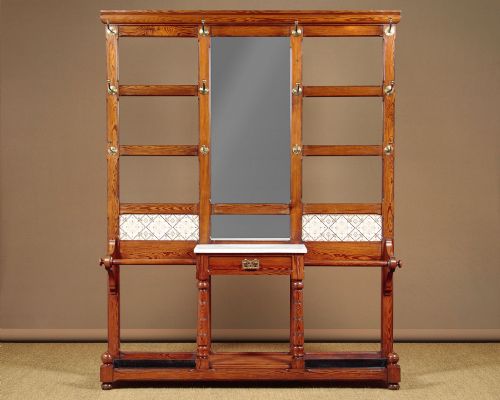
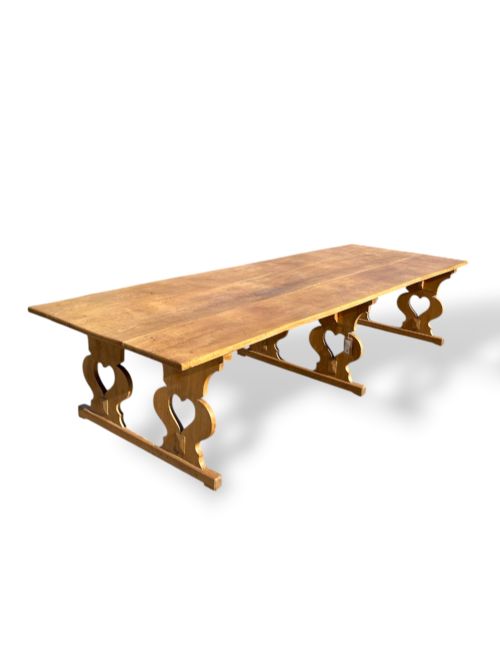
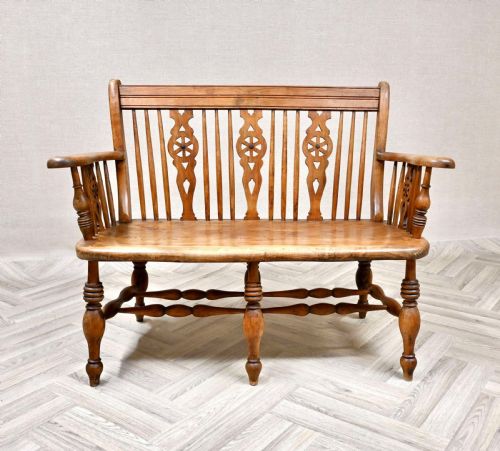
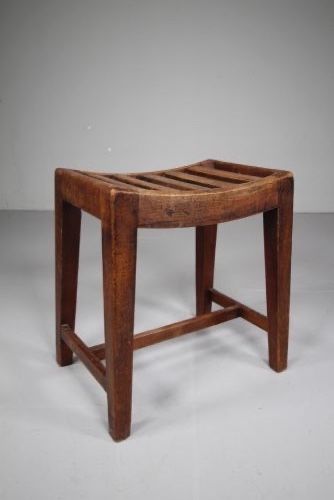

Warm Brown Bench
These warm brown bench selections bring honest utility and rich patinated timber into domestic spaces with direct, unpretentious character.
Warm Brown Bench
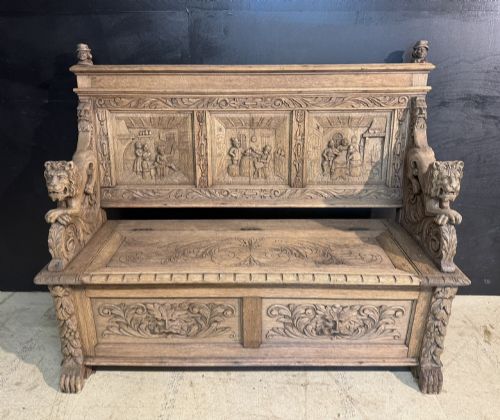
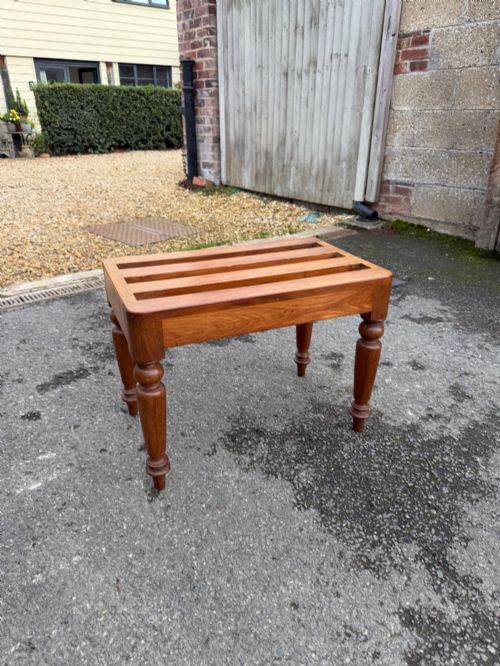
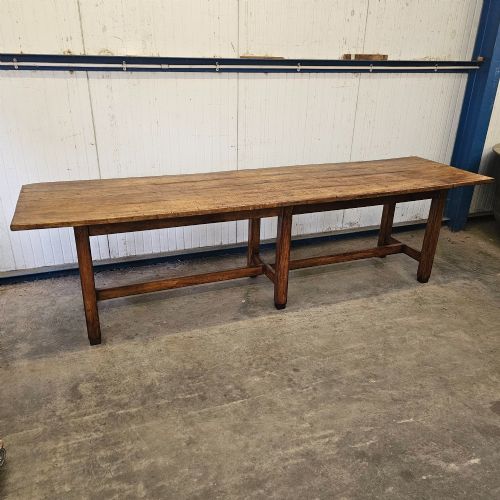
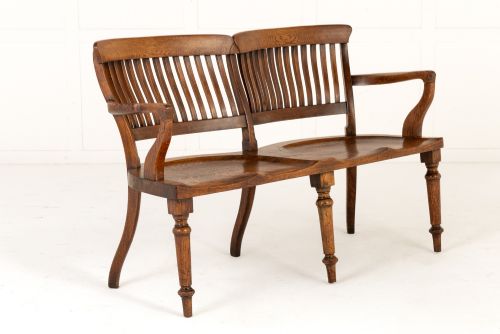
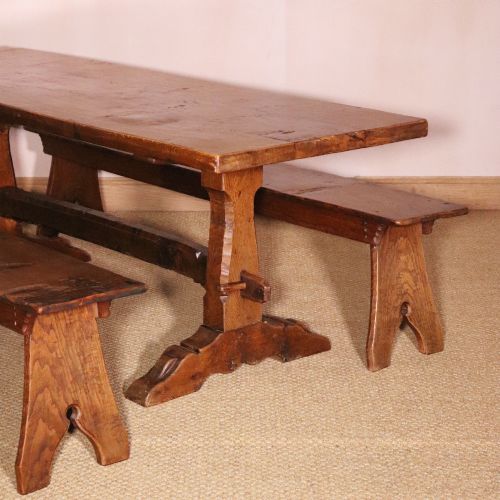
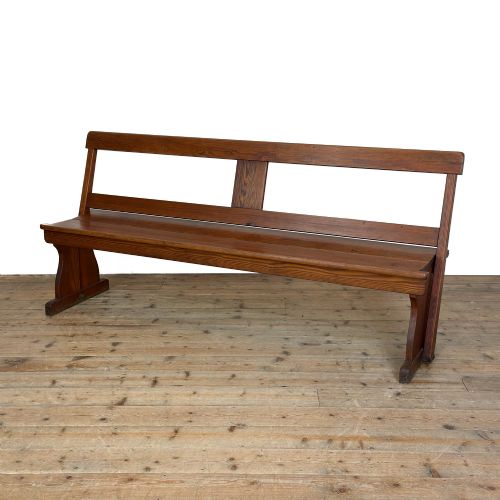
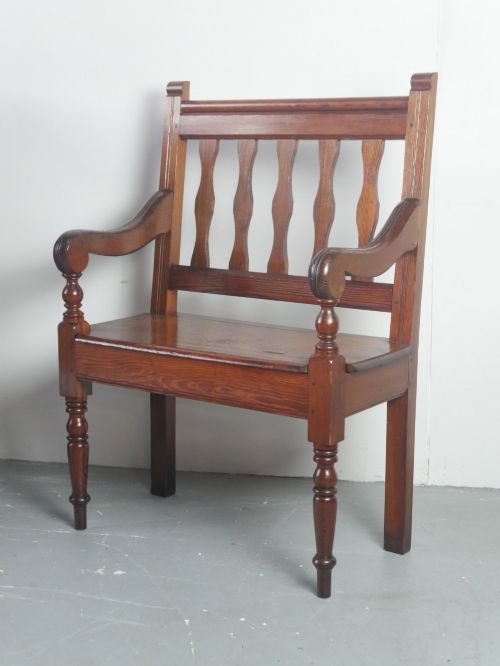
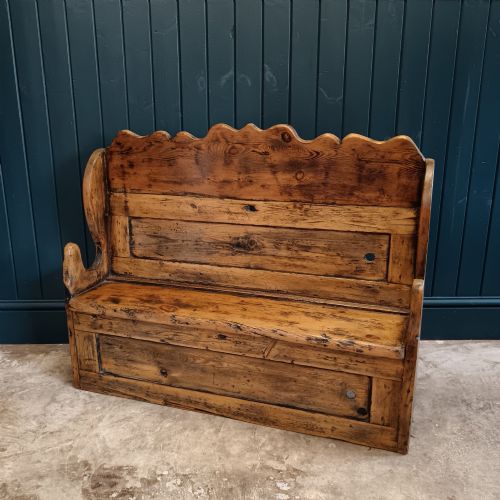
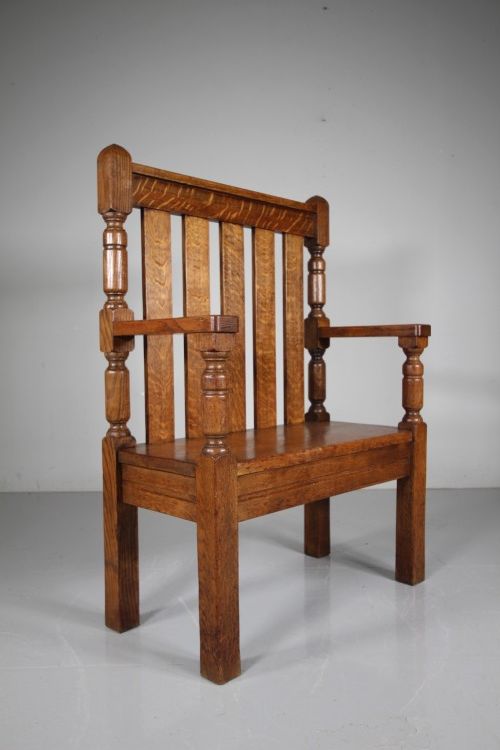
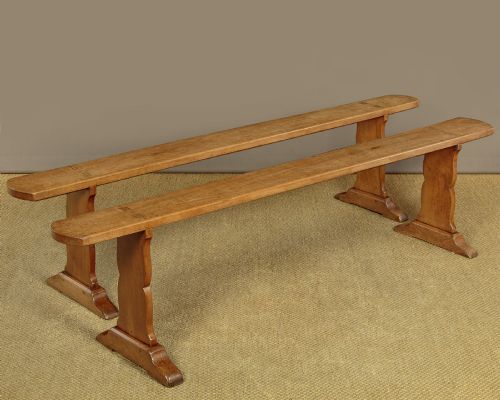
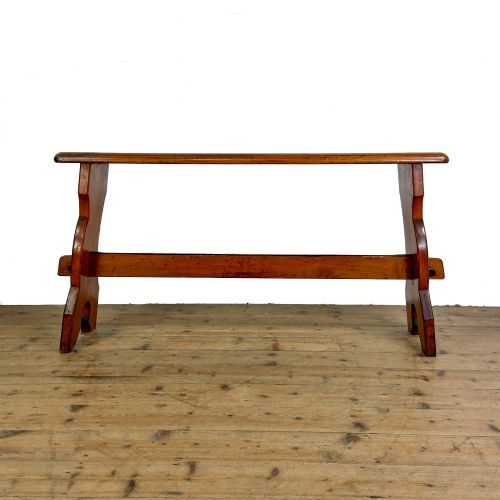
A warm brown bench combines practical seating with the deep, aged tones of traditional woods like pine, fruitwood, and cherry. These pieces range from narrow side tables and railway flip-over seats to long refectory dining pairs and pew bench seats.
Most examples found here hail from the Victorian era up to the early twentieth century, reflecting both country utility and industrial vernacular styles. French provincial and rustic country influences appear frequently, offering straightforward construction suited for everyday use in hallways, kitchens, and dining rooms.
How they were made
Makers utilised solid timbers such as pitch pine, softwood, and cherry wood, often selecting fruitwood for specific regional dining pairs. Iron components sometimes reinforced structural elements, particularly in industrial vernacular and railway pieces designed for heavy public use.
Construction methods relied on traditional joinery that prioritized durability over ornamentation, allowing the natural grain and deep brown tones of the timber to dominate. Surfaces developed their character through decades of handling, wear, and simple wax or oil finishes.
Warm Brown Bench Retail Price Guide 2026
Typical asking prices for warm brown bench among the pieces listed under this phrase on Sellingantiques today, from the lower quarter to the upper quarter. They describe what is for sale here now, not the wider market.
What varies in quality
The distinction between standard utility seating and finer examples rests on timber selection and originality of form. Benches fashioned from dense pitch pine or richly figured cherry wood command greater interest than plain softwood variants.
Proportion and integrity of the timber surface drive distinction across these forms. Unaltered patination and balanced proportions separate honest vernacular work from pieces that have lost their original context through modern alterations.
The Warm Brown Bench Glossary
- Pitch pine
- A resinous, durable softwood featuring a prominent grain pattern that darkens to a deep amber brown over time. It was frequently utilised for heavy-duty institutional and domestic seating.
- Refectory bench
- A long, narrow seating form traditionally designed to accompany a communal dining table. These pieces prioritize clean lines and stable underframes.
- Vernacular
- Objects designed and built by local tradesmen for practical, everyday use rather than following high-style academic design. This approach defines much of the rustic country furniture seen here.
- Fruitwood
- A dense, tight-grained timber gathered from fruit-bearing trees like cherry or pear, prized by country makers for its smooth finish and warm colour.
Warm Brown Bench: Frequently Asked Questions
Where should I put a warm brown bench?
These pieces suit narrow hallways, dining tables, or as standalone side surfaces. Their modest depth allows them to fit tight circulation spaces without blocking passage.
Pairing a wooden bench with a dining table offers flexible seating arrangements that tuck away neatly when not in use.
How do I clean timber bench surfaces?
Dust the wood regularly with a dry cloth and apply a traditional beeswax periodically to nourish the dry grain. Avoid modern silicone sprays that build up and attract dust over time.
Keep older timber away from direct heat sources and strong sunlight to prevent the warm brown tones from fading or splitting.
Are these benches sturdy enough for daily seating?
Most examples were built for robust domestic, institutional, or railway use from solid timbers like pine and fruitwood. Their simple joinery is designed to withstand heavy daily loads.
Checking the underframe and joints ensures the piece remains stable and secure for ongoing everyday service.