
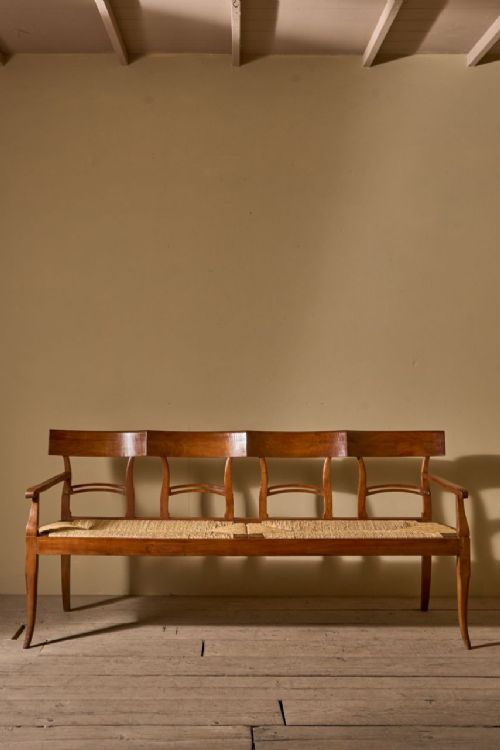
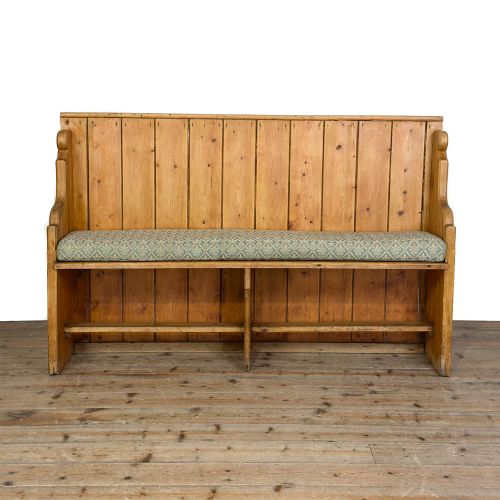
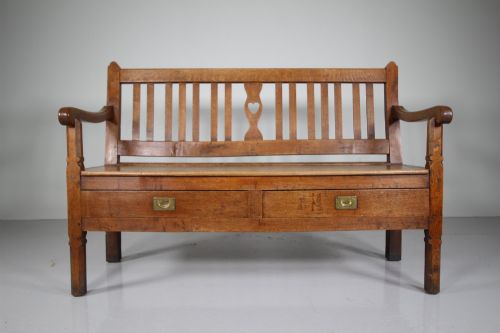
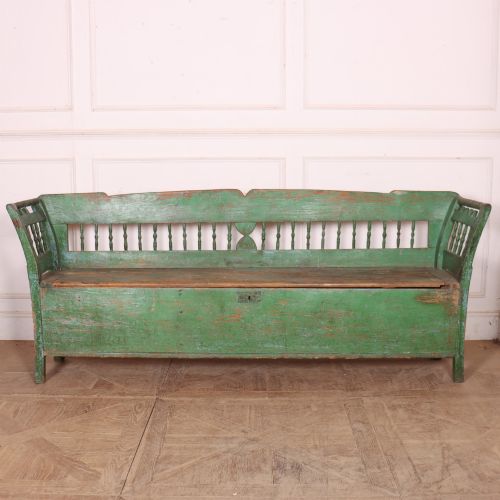
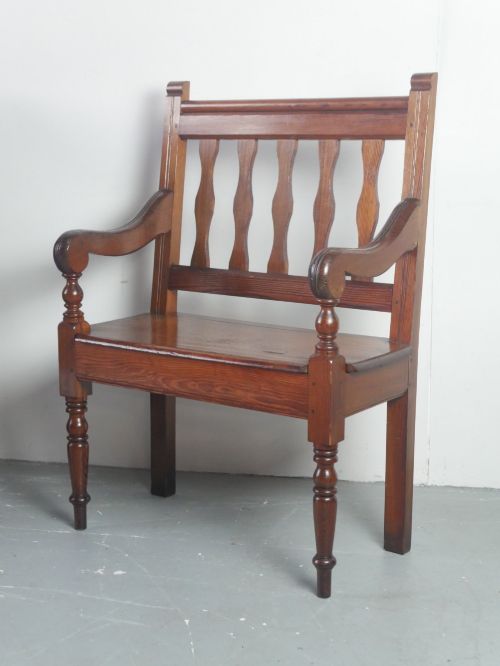
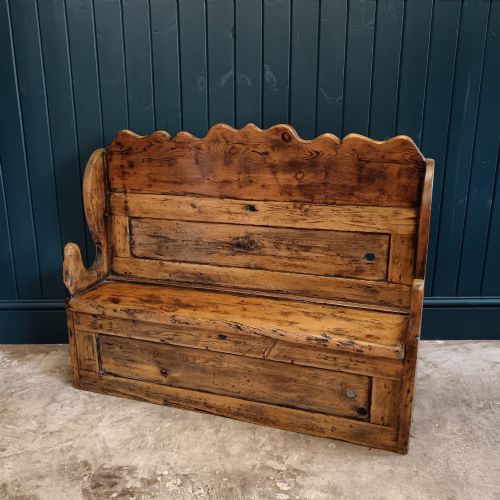
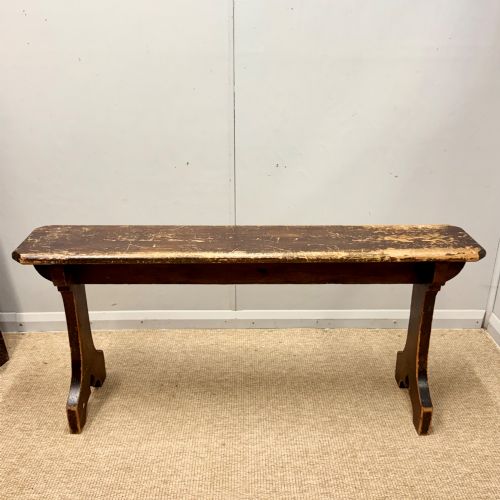
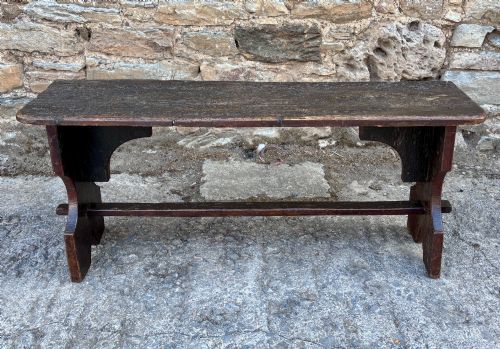
Antique Country Bench
When you search for an antique country bench, you are looking at utilitarian seating shaped by regional traditions and domestic use.
Antique Country Bench
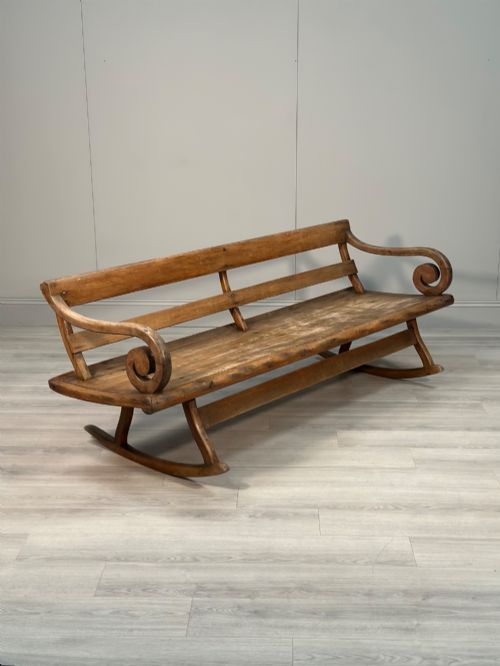
An antique country bench encompasses simple forms designed for daily utility in farmhouses, cottages, halls, and gardens rather than formal urban parlours.
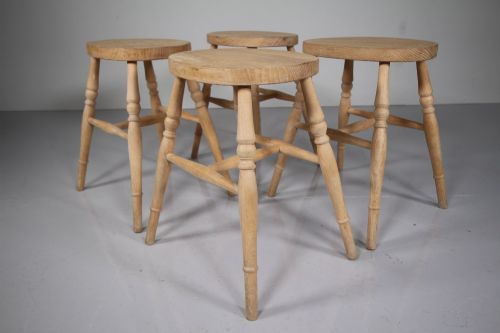
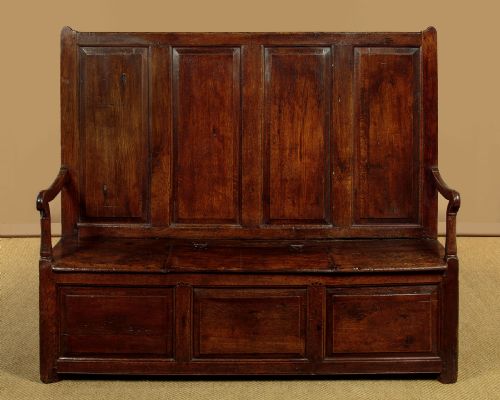
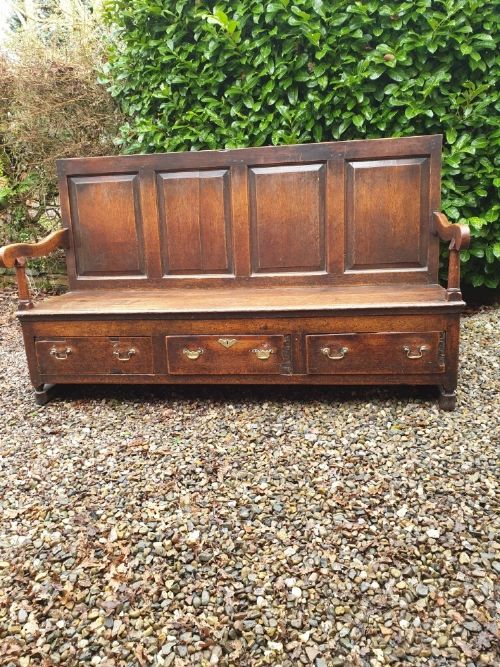
The most common pieces encountered on this page are plank-built pine benches, heavy oak settle benches with high backs for draught exclusion, and elm or ash milking stools and forms.
Many examples originate from English, French, Welsh, and Eastern European workshops spanning the eighteenth, nineteenth, and early twentieth centuries.
How they were made
Local timbers such as oak, pine, elm, ash, and sycamore were utilised depending on regional availability and the structural requirements of the seat or settle.
Joinery methods relied on sturdy pegged mortise and tenon joints, dovetails for box storage bases, and simple leg-into-seat boring for vernacular stools.
The site listings feature solid timber construction predominantly in oak, pine, and elm across the eighteenth and nineteenth centuries.
What varies in quality
The integrity of construction separates basic utilitarian work from finer vernacular pieces, particularly in the tightness of joints and the retention of original timber thickness.
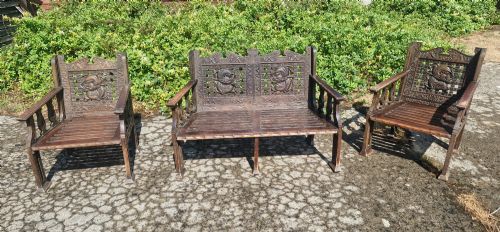
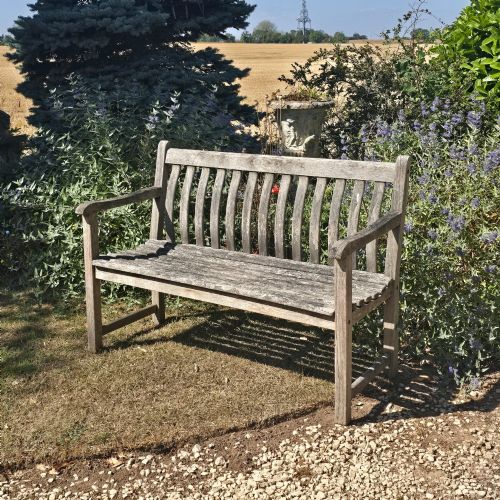
Surface character, such as honest honey brown patina, weathering on garden pieces, or surviving original paint finishes, defines the visual standing of an individual bench.
The Antique Country Bench Glossary
- Settle
- A wooden bench with a high back, solid arms, and frequently a box base for storage beneath the seat. This form was traditionally placed near the hearth to block cold draughts in vernacular dwellings.
- Pig bench
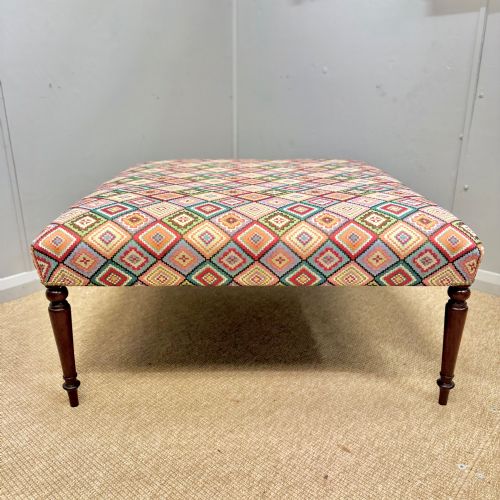
- A low wooden bench or table traditionally used in rural domestic preparation. These low forms now frequently serve as coffee tables.
- Vernacular
- Objects made by local craftsmen using traditional regional styles and native materials without academic architectural influence. This term defines furniture created for practical local use rather than high-style fashion.
- Patina
- The surface sheen and colour acquired by wood and other materials through age, wear, and polishing. A desirable patination reflects decades of domestic handling.
- Form
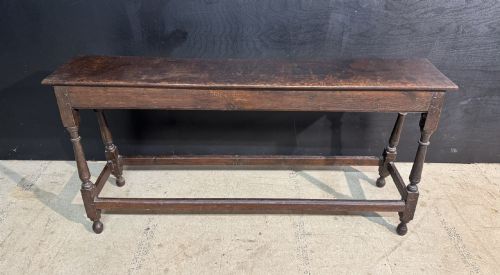
- A long wooden seat or bench without a back, built on four legs. These were designed for communal dining around farmhouse tables.
Antique Country Bench: Frequently Asked Questions
Where were settle benches used?
Settle benches were primarily positioned in farmhouse kitchens and tavern firesides to keep occupants warm by blocking cold floor draughts.
The enclosed high backs and solid sides trapped heat around the sitter in uninsulated rooms.
How do I care for a pine bench?
Keep wooden benches away from direct heat sources and sudden temperature shifts to prevent timber splitting and shrinkage.
Apply a light wax polish periodically to maintain the dry surface and nourish the aged grain.
Are these benches suitable for daily dining?
Many sturdy oak and pine benches and forms were originally built for kitchen and dining use around long tables.
Check the seat height relative to your table to ensure comfortable legroom before daily deployment.
How can I tell the age of country furniture?
Age is determined by observing tool marks, timber shrinkage, construction methods, and the natural wear patterns on high-contact areas.
Hand-sawn boards and pegged joinery generally indicate earlier eighteenth or nineteenth-century production.