
18th Century Bench
When you search for an 18th century bench, you meet solid oak settles, mahogany window seats, and rustic timber forms designed for communal sitting.
18th Century Bench
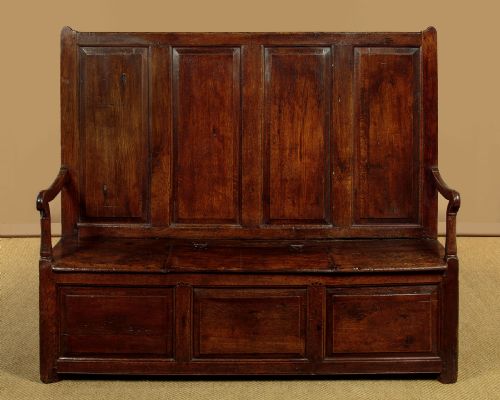
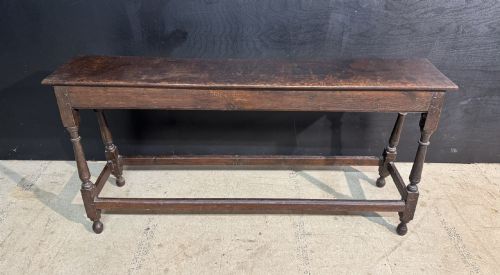
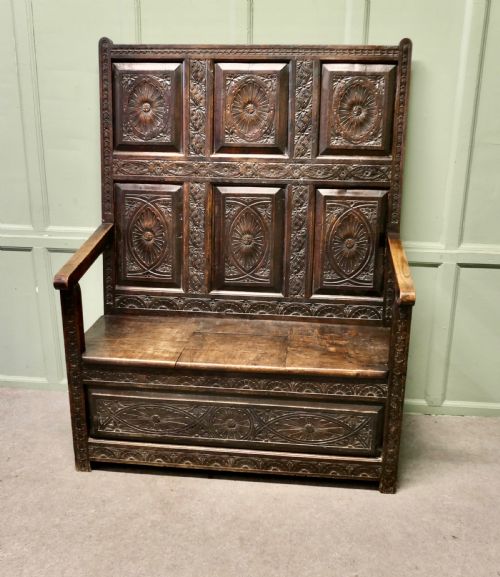
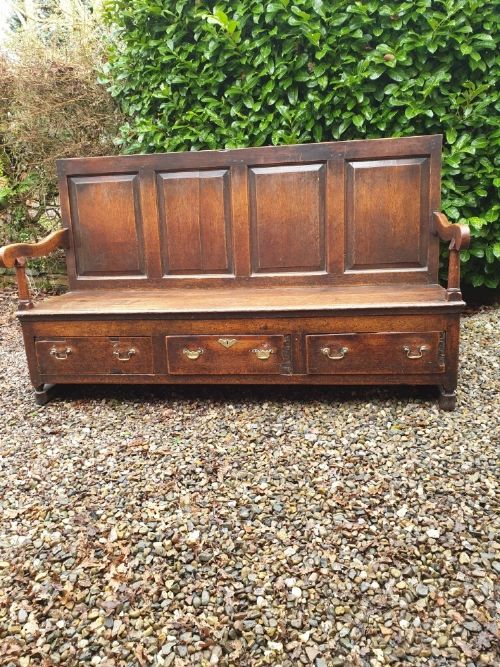
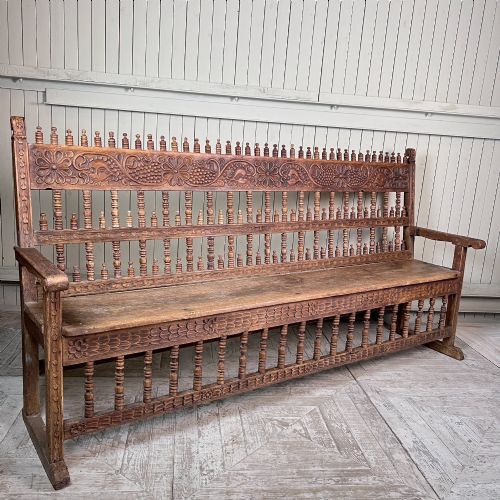
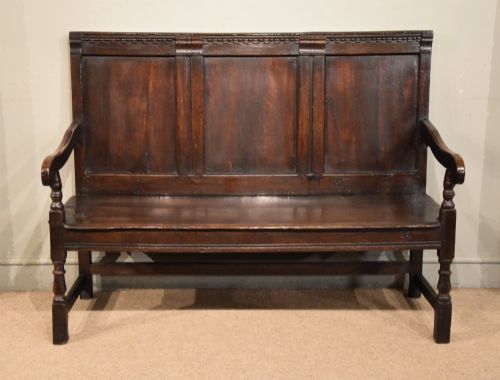
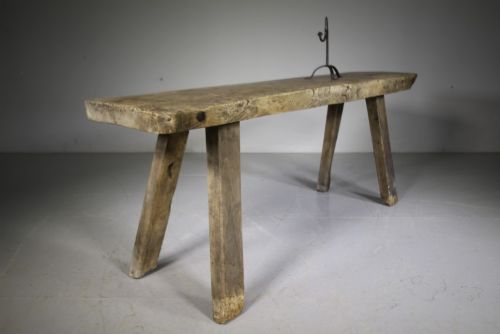
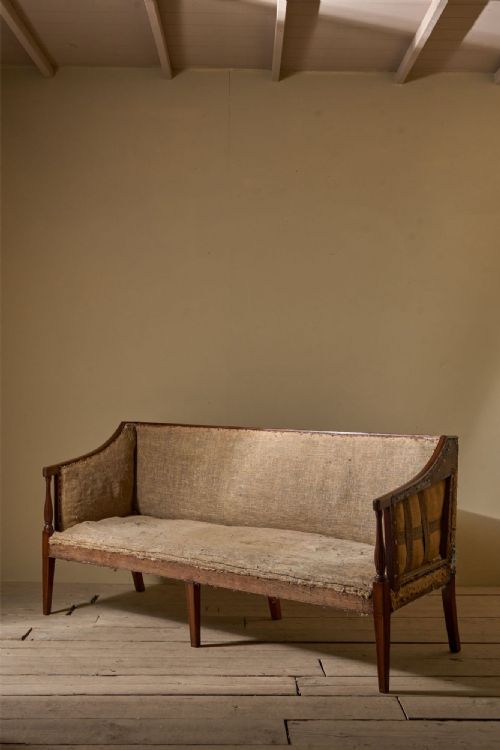
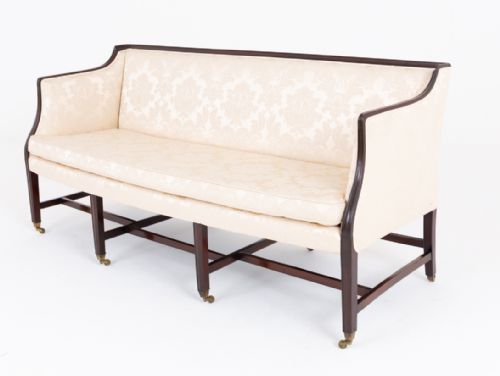
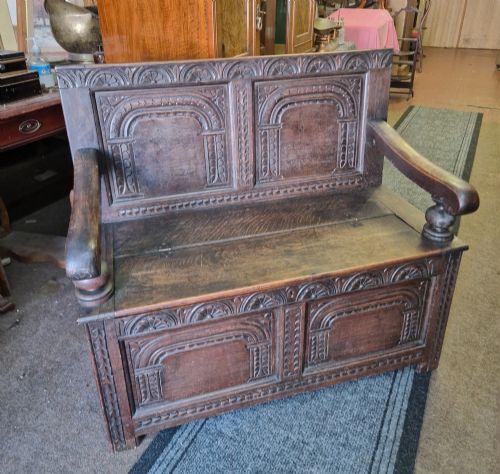
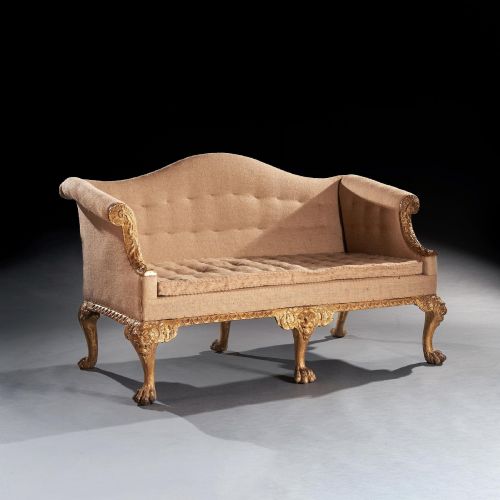
An 18th century bench encompasses a wide variety of domestic seating, from high-backed wooden box settles intended to keep draughts away from the fire to long, simple farmhouse forms in oak and elm. You will encounter regional vernacular pieces, such as Welsh and Spanish examples, alongside more formal Georgian mahogany and giltwood settees.
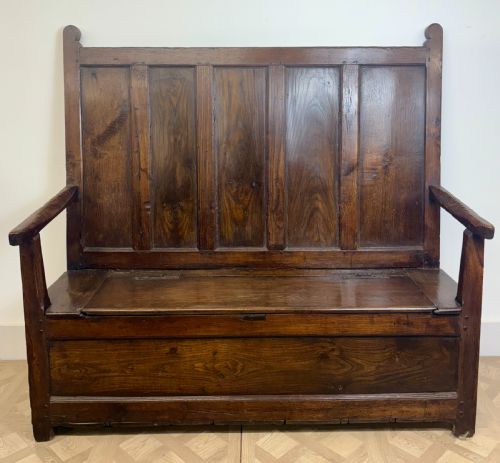
The category frequently bridges multiple forms, including hall benches, pig benches, and joint stools adapted for communal seating. Box settles with integrated storage beneath the seat dominate the oak examples, serving both as seating and as practical household chests.
Origin plays a defining role in the construction and stylistic language of these pieces, stretching from English country workshops to Italian, Swedish, and French provinces. These items reflect the domestic habits of a period when seating was robust, multifunctional, and built to anchor a room.
Distinguishing Quality
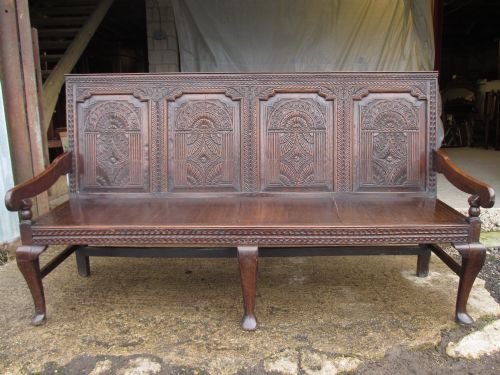
The standard of an 18th century bench rests upon the integrity of its timber, the depth and crispness of any hand carving, and the survival of its original structure. Pieces that retain their early surface patination and uncompromised proportions hold greater integrity than those altered over time.
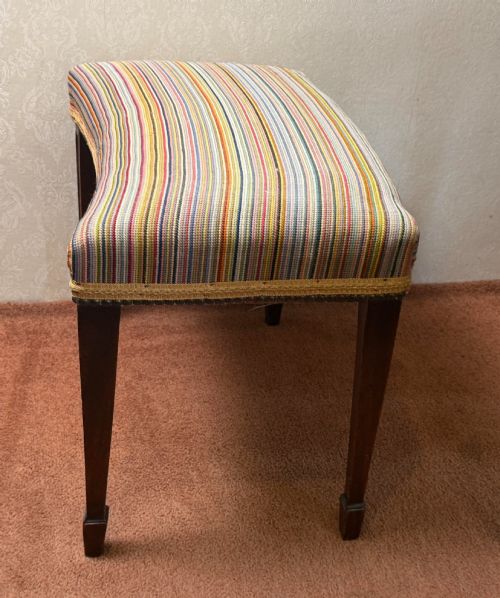
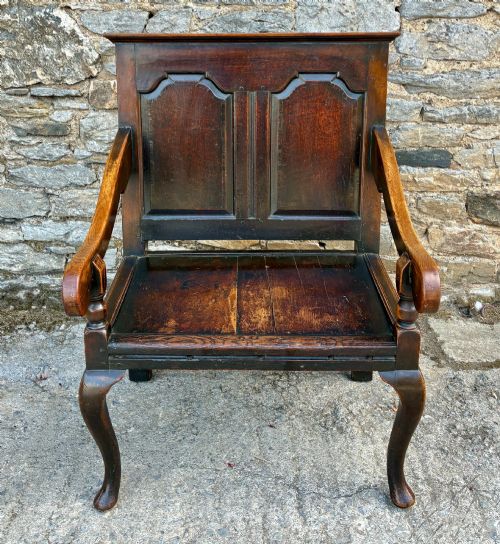
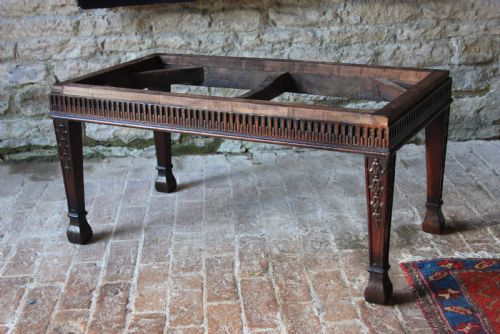
Refinement in design separates vernacular seating from high-style urban pieces, where well-drawn cabriole legs, lion mask details, or delicate mahogany framing demonstrate advanced workshop skill. The harmonious integration of box storage within settles without heavy timber distortion also marks superior execution.
18th Century Bench Retail Price Guide 2026
Typical asking prices for 18th century bench among the pieces listed under this phrase on Sellingantiques today, from the lower quarter to the upper quarter. They describe what is for sale here now, not the wider market.
Listings feature regional variations in oak, mahogany, and walnut across English, Welsh, Spanish, and Swedish origins.
Giles Grendey
The 18th Century Bench Glossary
- Settle
- A wooden wooden bench with a high back, solid arms, and often a box-seated base used to block cold draughts in early homes.
- Joint Stool
- A sturdy wooden stool constructed with pegged mortise and tenon joinery, commonly utilised for seating or as a small platform.
- Box Settle
- A variant featuring an enclosed compartment beneath the hinged seat, combining storage with domestic seating.
- Vernacular
- Objects designed and built by local craftsmen using regional traditions and native materials rather than adhering to formal urban pattern books.
- Patina
- The deep surface sheen and coloration developed by aged wood through decades of handling, polishing, and environmental exposure.
18th Century Bench: Frequently Asked Questions
What is an 18th century box settle?
A box settle is a high-backed wooden bench featuring an enclosed compartment beneath the seat. This design provided functional storage for household goods while protecting occupants from cold floor draughts.
These pieces were typically positioned near the hearth in farmhouse kitchens and halls. Their solid panel construction made them central fixtures of early domestic life.
Where were these benches used in the home?
Historic benches served multiple domestic purposes across different rooms, acting as primary seating in kitchens, halls, and dining areas. Long forms accommodated several people at farmhouse tables.
Finer mahogany and upholstered versions occupied formal reception rooms and hallways. Regional variations reflected local customs and the specific heating needs of domestic spaces.
How do I care for antique oak furniture?
Maintaining historic wood requires stable environmental conditions away from direct heat sources and dramatic humidity shifts. Natural waxes help protect the surface and preserve the aged patination without sealing the timber.
Avoid using modern silicone-based polishes, which can penetrate porous historic finishes. Gentle dusting with a soft, dry cloth is sufficient for routine upkeep.
What distinguishes country furniture from formal pieces?
Country furniture relies on native timbers like oak, elm, and ash, prioritizing utilitarian strength and regional design traditions. These items often feature simpler lines, hand-carved details, and pegged joinery.
Formal pieces utilise imported woods such as mahogany or walnut alongside refined decorative styles like Georgian or Rococo. Urban workshops employed specialised cabinet-making techniques distinct from rural vernacular practices.