


Traditional Oak Seating
Traditional oak seating brings robust vernacular character into a home, offering sturdy benches, settles and chairs built to endure for centuries.
Traditional Oak Seating
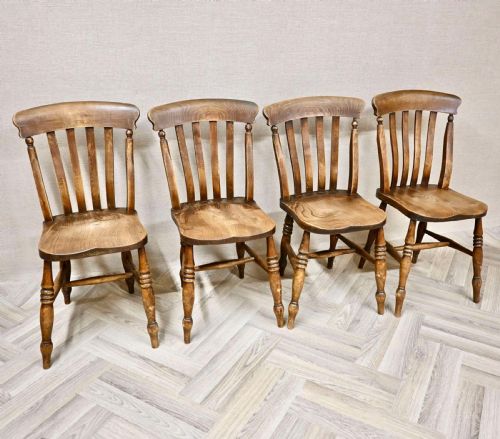
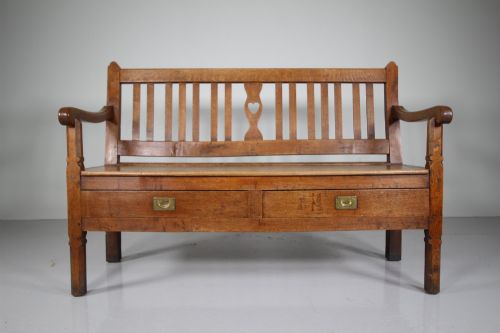
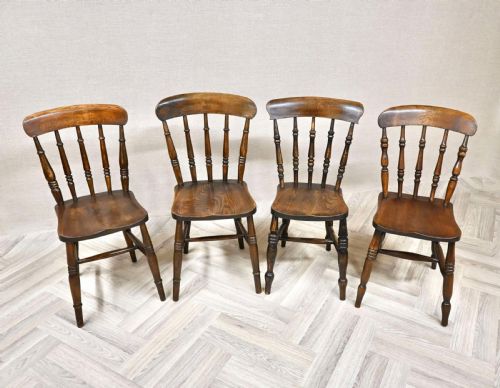
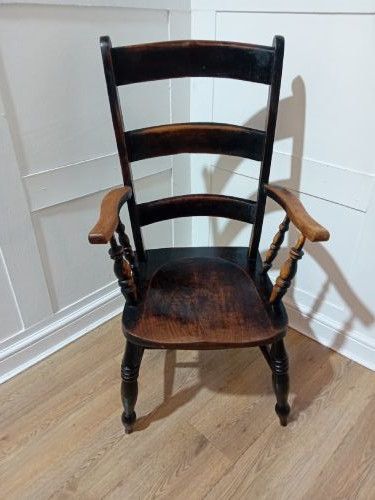
Traditional oak seating encompasses a broad variety of domestic and institutional furniture, ranging from simple joint stools and Windsor chairs to substantial box settles and dining sets. Buyers searching for traditional oak seating will encounter numerous examples originating from the eighteenth, nineteenth and early twentieth centuries, reflecting diverse regional British cabinet-making traditions.
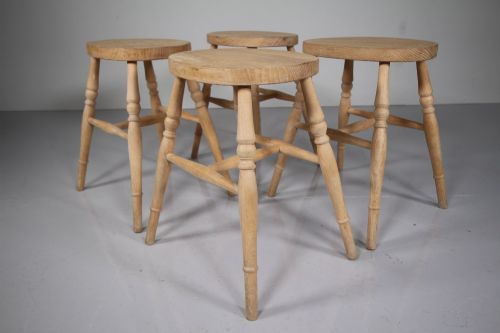
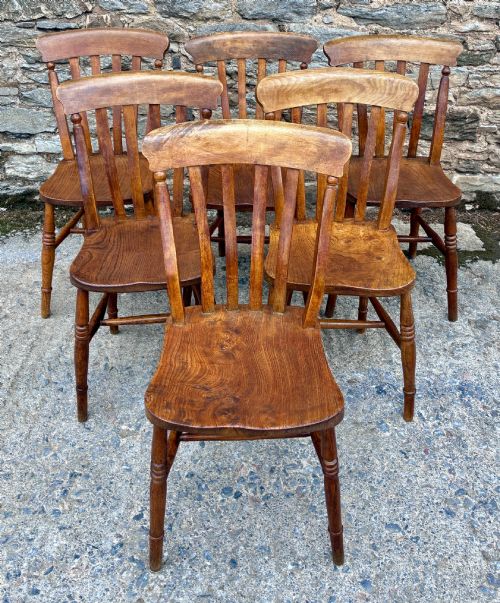
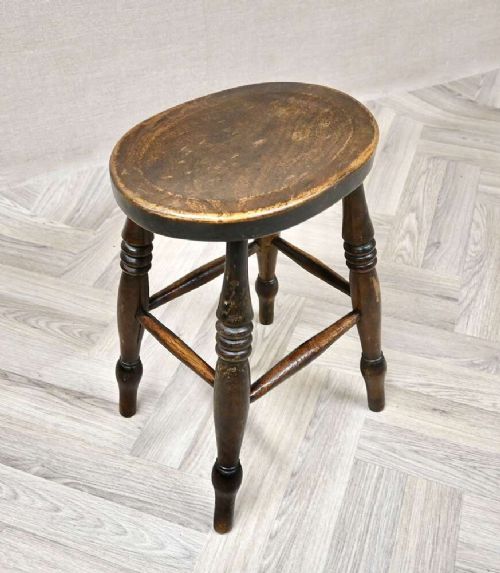
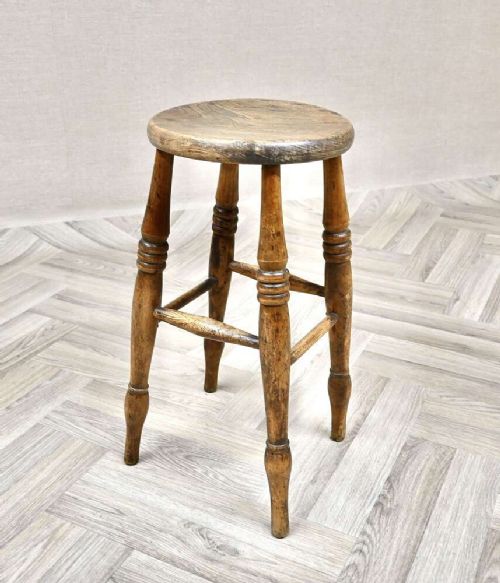
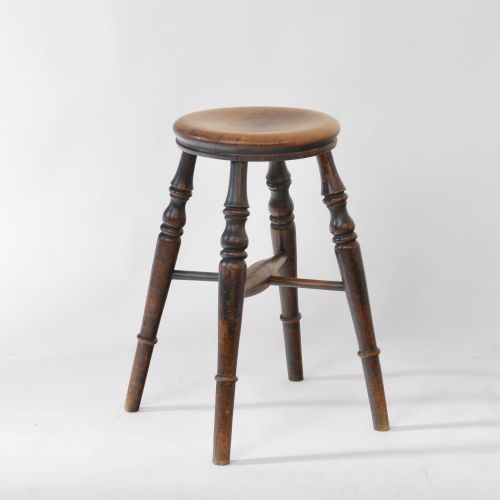
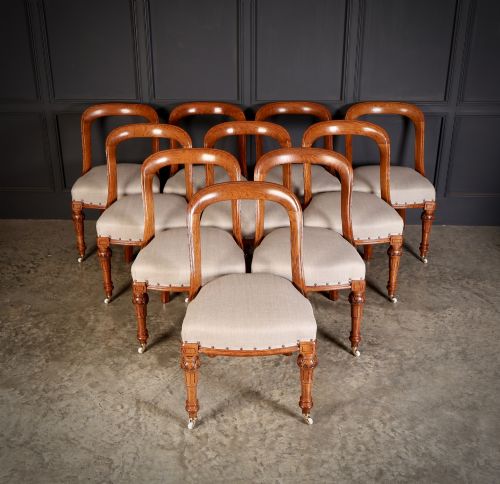
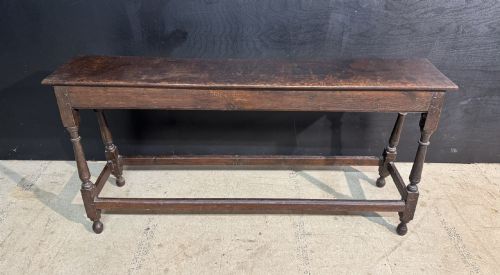
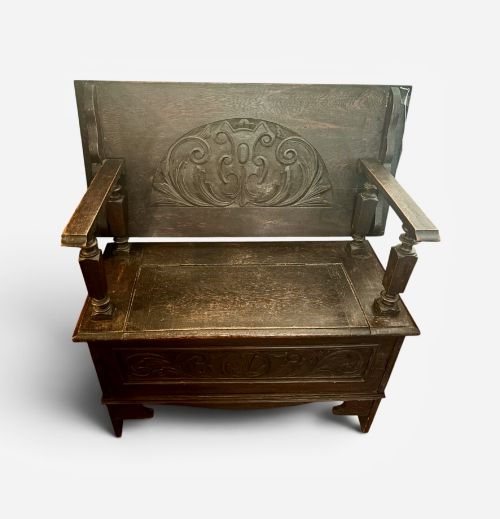
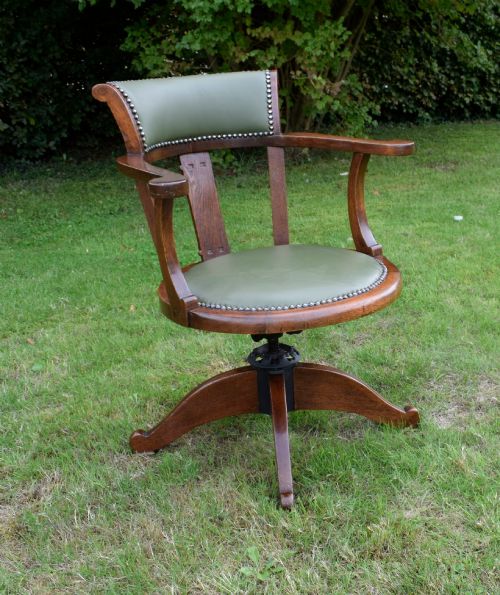
The domestic forms available include dining chairs, office swivel chairs, pub stools, and multi-functional monks benches that convert into tables. Country kitchen Windsor chairs and panelled hall benches frequently appear, alongside matched and harlequin sets suited for daily use around a refectory table.
Materials and construction methods
Makers utilised solid native timbers, pairing oak frames with supporting elements of elm, ash, beech and sycamore to handle the structural stress placed on joints. Seats were frequently carved from single planks of solid elm or oak, while rush seating and upholstered leather inserts provided additional comfort.
Joinery relied upon traditional techniques such as pegged mortise and tenon joints, Windsor spindle turning, and steam-bent components for chair bows and armrests. Surfaces were often finished with natural waxes or left in original patinated states that highlight the grain of the timber.
Traditional Oak Seating Retail Price Guide 2026
Typical asking prices for traditional oak seating among the pieces listed under this phrase on Sellingantiques today, from the lower quarter to the upper quarter. They describe what is for sale here now, not the wider market.
Clerk's stools survive because accountants needed high seats to peer over sloping ledges without falling asleep.
Factors determining quality
The distinction between ordinary utility pieces and superior examples rests upon the integrity of the timber selection and the retention of original surfaces. Pieces fashioned from quartersawn oak display distinct medullary rays, indicating superior log preparation by the carpenter.
Proportion, structural originality and the survival of early finishes dictate desirability. Examples that retain their original patination, without excessive later intervention or replacement components, demonstrate greater integrity than those heavily restored.
The Traditional Oak Seating Glossary
- Joint stool
- A traditional wooden stool constructed with pegged mortise and tenon joints rather than turned legs inserted into a seat. These sturdy items served multiple domestic purposes before chairs became common.
- Windsor chair
- A chair built with a solid wooden seat into which the legs, back spindles and bow are separately dowelled or wedged. Regional variations often incorporate carved interlaced splats or solid elm saddle seats.
- Box settle
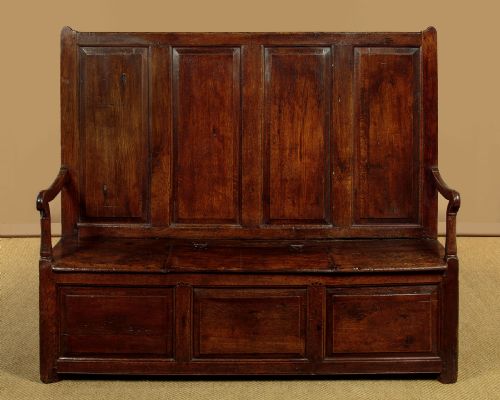
- An enclosed wooden bench featuring a high back and a hinged seat concealing a storage compartment beneath. They were placed near hearths to block cold drafts.
- Lathe back
- A chair design featuring horizontal or vertical turned wooden spindles across the backrest, typical of nineteenth-century vernacular seating.
- Refectory table
- A long dining table traditionally associated with communal dining halls, often paired with matching sets of oak chairs or stools.
Traditional Oak Seating: Frequently Asked Questions
How do I date a traditional oak bench?
Dating relies upon examining construction methods, tool marks, timber selection and style evolution. Hand-cut peg placement and board thickness often indicate earlier manufacture.
Later Victorian and Edwardian revival pieces frequently display machine-sawn components and standardised hardware that distinguish them from eighteenth-century originals.
Are these chairs suitable for daily dining?
Most traditional oak chairs and settles were built for robust, everyday domestic or institutional use. Their sturdy timber frames make them durable choices for modern dining rooms.
Checking joint stability ensures the pieces safely withstand regular sitting without loosening structural pegs.
How should I care for antique oak furniture?
Maintaining antique oak involves keeping pieces away from direct heat sources and sudden humidity changes to prevent the timber from splitting. Applying traditional beeswax periodically nourishes the wood and preserves its natural sheen.
Avoid modern silicone polishes, which can build up on the surface and damage the historic finish over time.