


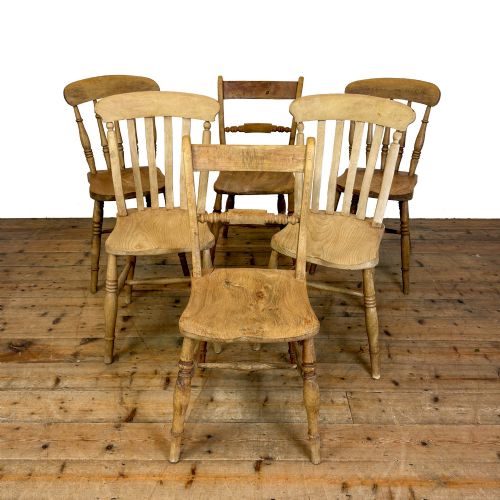
Vintage Oak Dining Chairs
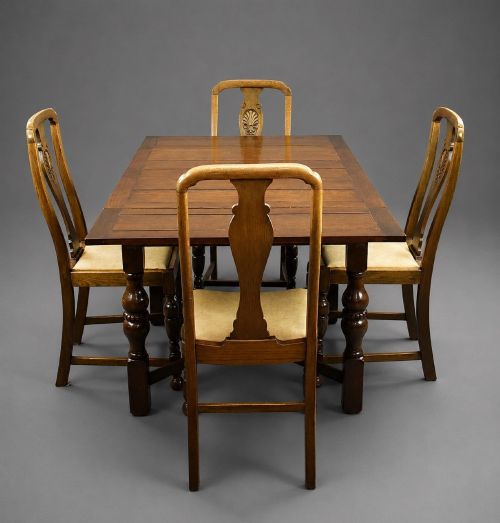
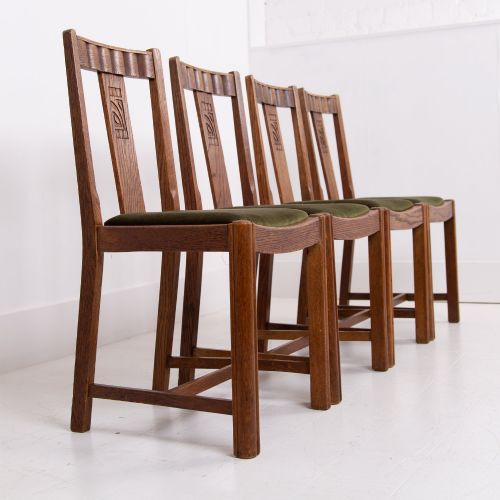
These vintage oak dining chairs bring warmth and solid timber construction to the table, spanning rustic country kitchen styles to formal revival designs.
Vintage Oak Dining Chairs
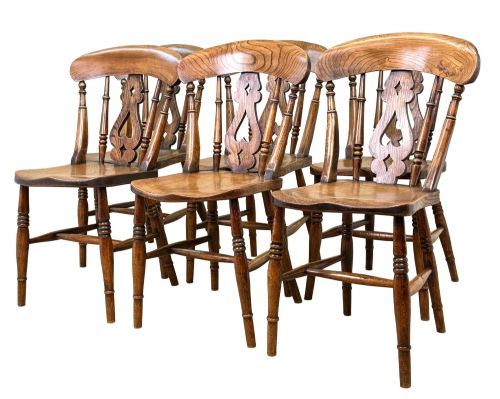
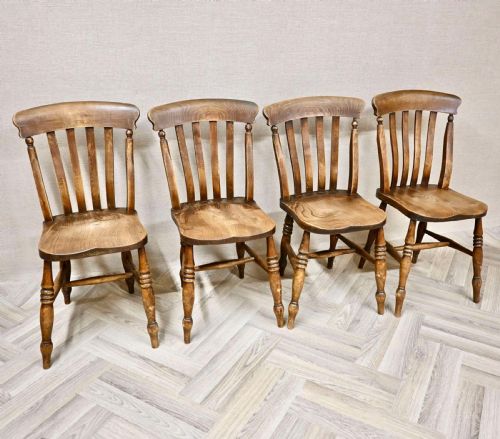
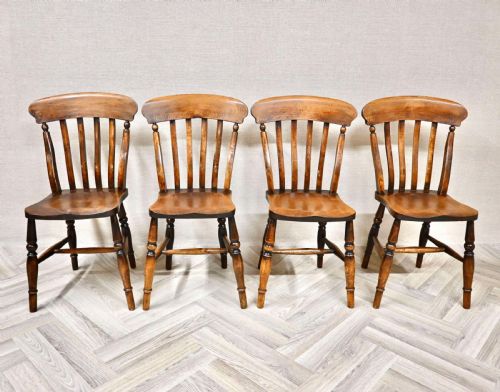
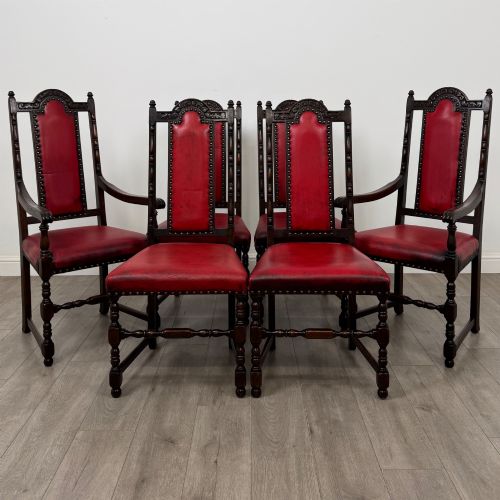
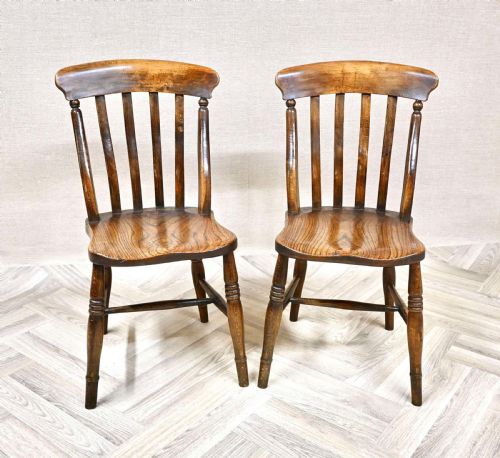
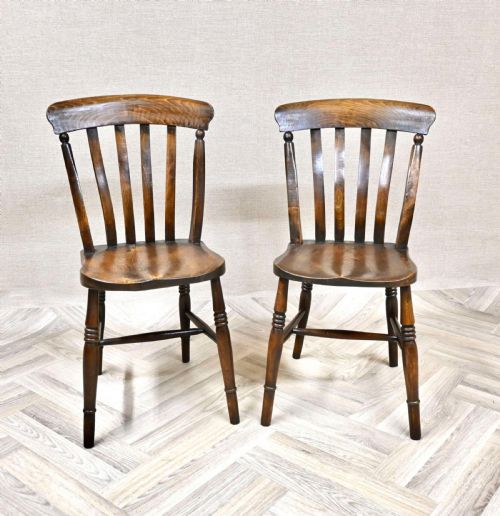
When you search for vintage oak dining chairs, you encounter a wide span of seating ranging from simple country kitchen forms to formal revival styles. The selection includes sturdy ladder backs, Windsor kitchen chairs, and matching sets from the nineteenth and twentieth centuries.
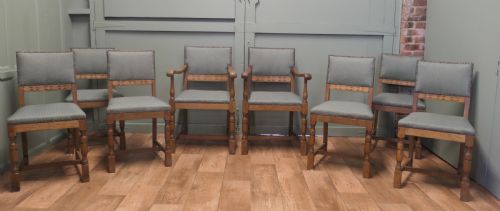
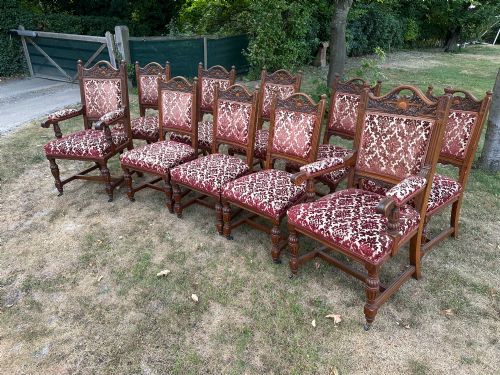
Buyers frequently find sets of four, six, or eight pieces alongside individual armchairs and side chairs. The origins cross English country workshops, Edwardian parlours, and Arts and Crafts studios, all constructed primarily from solid oak.
Many of these chairs reflect historical revivals such as Jacobean, Queen Anne, and Gothic styles. Others remain strictly utilitarian, shaped by the practical needs of farmhouse kitchens and rural dining rooms.
How they were made
Makers built these frames using solid oak, often pairing it with secondary timbers like elm, beech, and ash for structural turned legs and spindles. Joinery relied on traditional mortise and tenon methods, augmented by turned bobbin work or barley twist details on the uprights.
Seats vary widely across the forms, incorporating rush matting, woven cane, leather, or upholstered pads finished with fabric. Additional details include carved trefoils, shaped splats, and steam-bent wooden hoops on Windsor variants.
Vintage Oak Dining Chairs Retail Price Guide 2026
Typical asking prices for vintage oak dining chairs among the pieces listed under this phrase on Sellingantiques today, from the lower quarter to the upper quarter. They describe what is for sale here now, not the wider market.
Look closely for the occasional smoker's bow chair designed for comfortable tavern lounging rather than formal dining etiquette.
What varies in quality
The distinction between ordinary seating and finer examples lies in the integrity of the timber selection and the precision of the joinery. Original finish, uncompromised structural stability, and matching grain patterns across a full set elevate certain chairs above standard utility pieces.
Workmanship in hand-carved details, balanced proportions, and authentic period materials for seats like rush or cane determine the standing of each set. Harlequin sets and matched groups show different degrees of uniformity in their turning and proportion.
Edward Barnsley
The Vintage Oak Dining Chairs Glossary
- Windsor chair
- A wooden chair featuring a solid saddle-shaped seat into which the legs and back spindles are direct-inserted. This form appears frequently in nineteenth century country kitchen settings.
- Ladder back
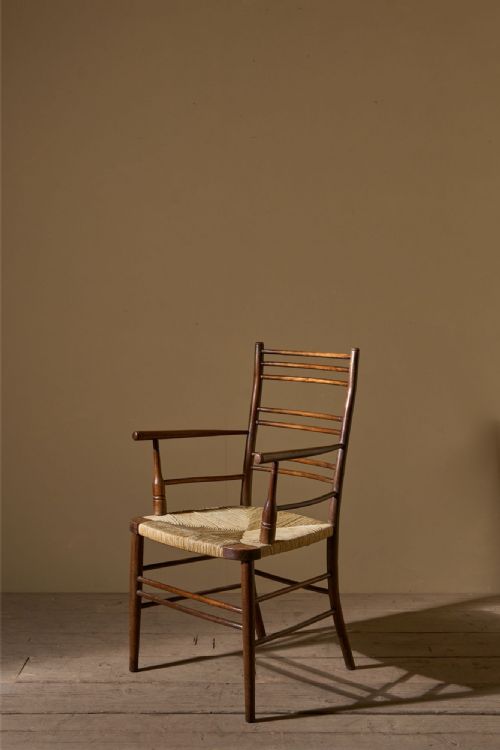
- A chair back constructed with horizontal arched slats between two upright posts. This traditional design is common in farmhouse and rustic dining seats.
- Rush seat
- A woven seating surface made from dried marsh rushes twisted into cords. These seats provide a textured, traditional finish found on Arts and Crafts and country chairs.
- Harlequin set
- A group of dining chairs that match in general style and period but vary slightly in individual details or dimensions. These sets were often assembled over time rather than bought together.
Vintage Oak Dining Chairs: Frequently Asked Questions
How do I clean an oak chair?
Dust the timber regularly with a soft, dry cloth to remove grit without scratching the surface. Avoid harsh chemical polishes that can build up a sticky residue over the antique finish.
Feed dry wood occasionally with a suitable microcrystalline wax to maintain the natural lustre of the oak. Keep the chairs away from direct heat sources to prevent the timber from splitting.
Are these chairs suitable for daily use?
Most solid oak dining chairs remain robust enough for everyday seating if the joints are secure. Check that the frame does not wobble and that the stretchers remain firmly pegged.
Chairs with delicate cane or rush seats require slightly more care during daily use. Heavier oak frames easily withstand regular dining provided they are kept in stable indoor humidity.
How do I tell an Edwardian oak chair from a Victorian one?
Edwardian chairs often lean towards lighter revival styles like Queen Anne or simpler Arts and Crafts forms with clean geometric lines. Victorian examples tend to feature heavier turned components, barley twist legs, or darker carved Jacobean revival motifs.
Examining the underside of the seat and the wear on the feet helps confirm the age of the timber. Tool marks and construction methods also offer clear clues to whether a chair dates to the mid-nineteenth century or the early twentieth.