





17th Century Style Chairs
When you search for 17th century style chairs, you encounter heavy oak and walnut seating built to evoke seventeenth-century domestic life.

17th Century Style Chairs
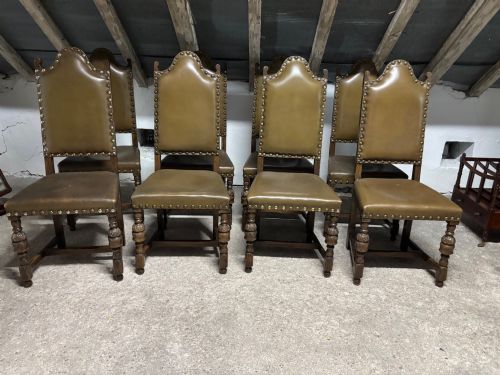
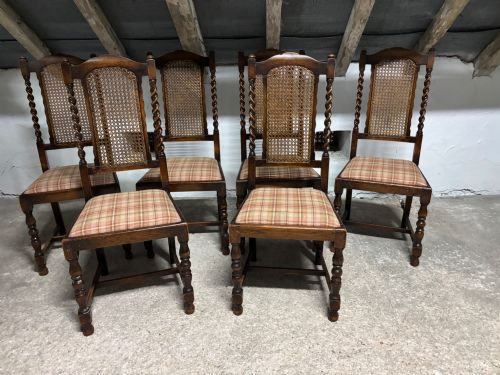
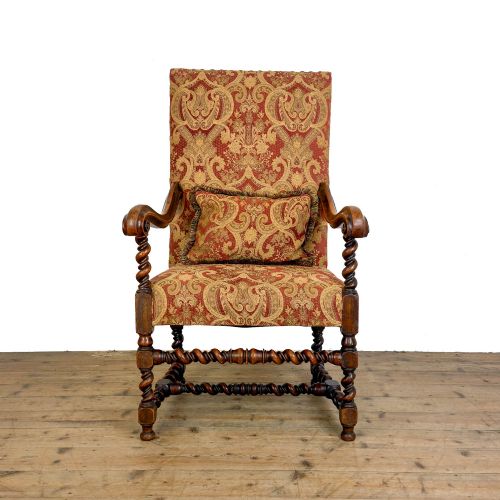
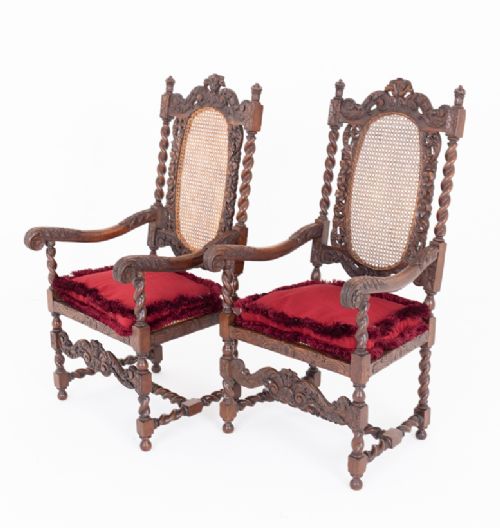
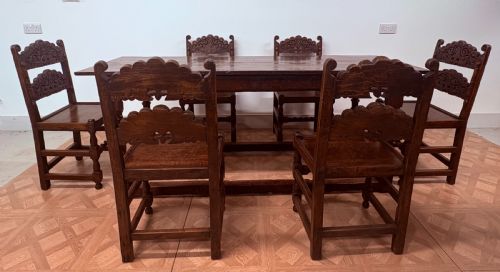
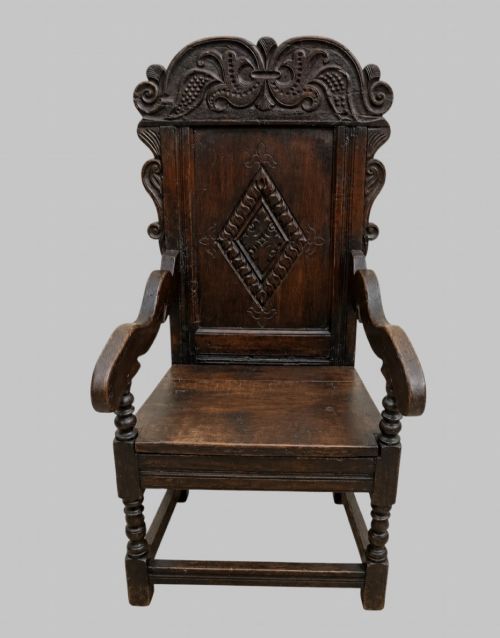
17th century style chairs encompass sturdy seating forms like wainscot chairs, high-backed dining sets, and elbow chairs designed after Jacobean, Carolean, and regional British patterns. You are most likely to meet revival pieces from the nineteenth and early twentieth centuries, such as oak dining sets dated around nineteen-twenty, alongside genuine seventeenth-century examples.
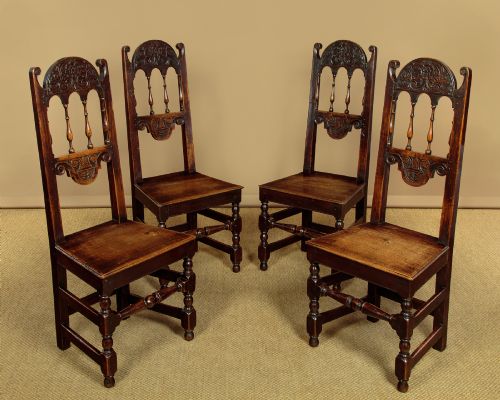
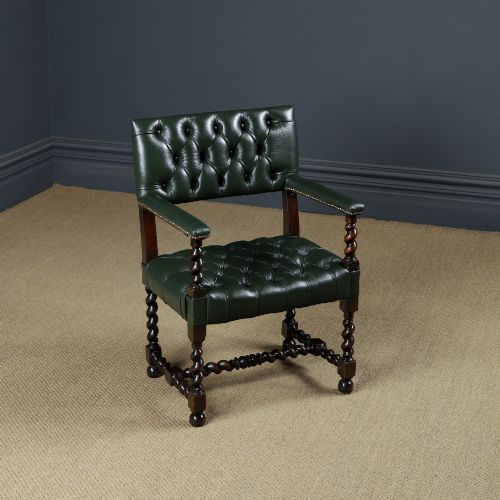
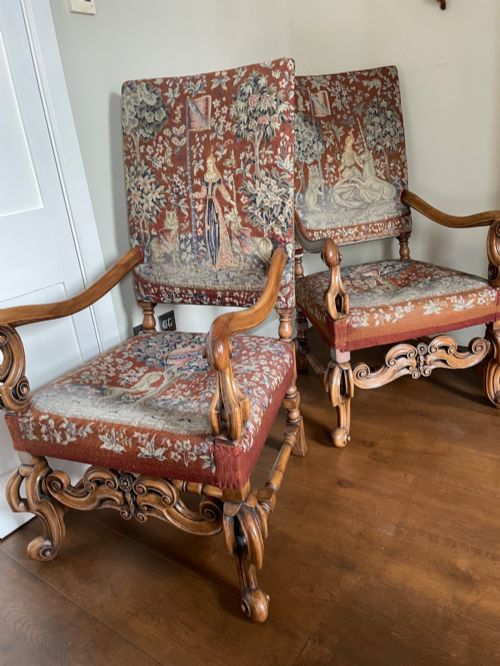
The selection ranges from single side chairs with central splats to large sets of eight or ten dining chairs and armchairs. Regional variations such as Derbyshire and Yorkshire types appear alongside Anglo-Dutch walnut high-backs and leather-upholstered variants.
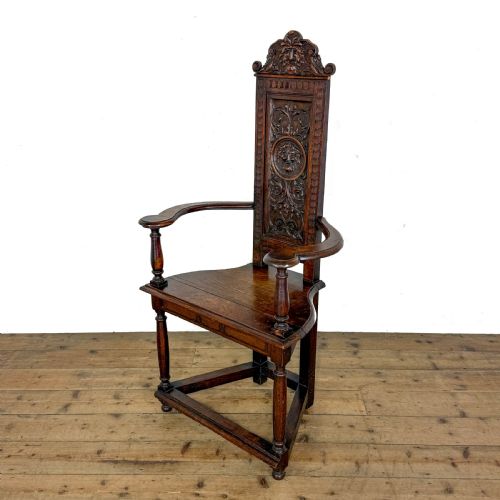
Makers drew on historical forms including caqueteuses, backstools, and turners chairs. These pieces served functional roles in domestic interiors and continue to furnish dining rooms and studies with period character.
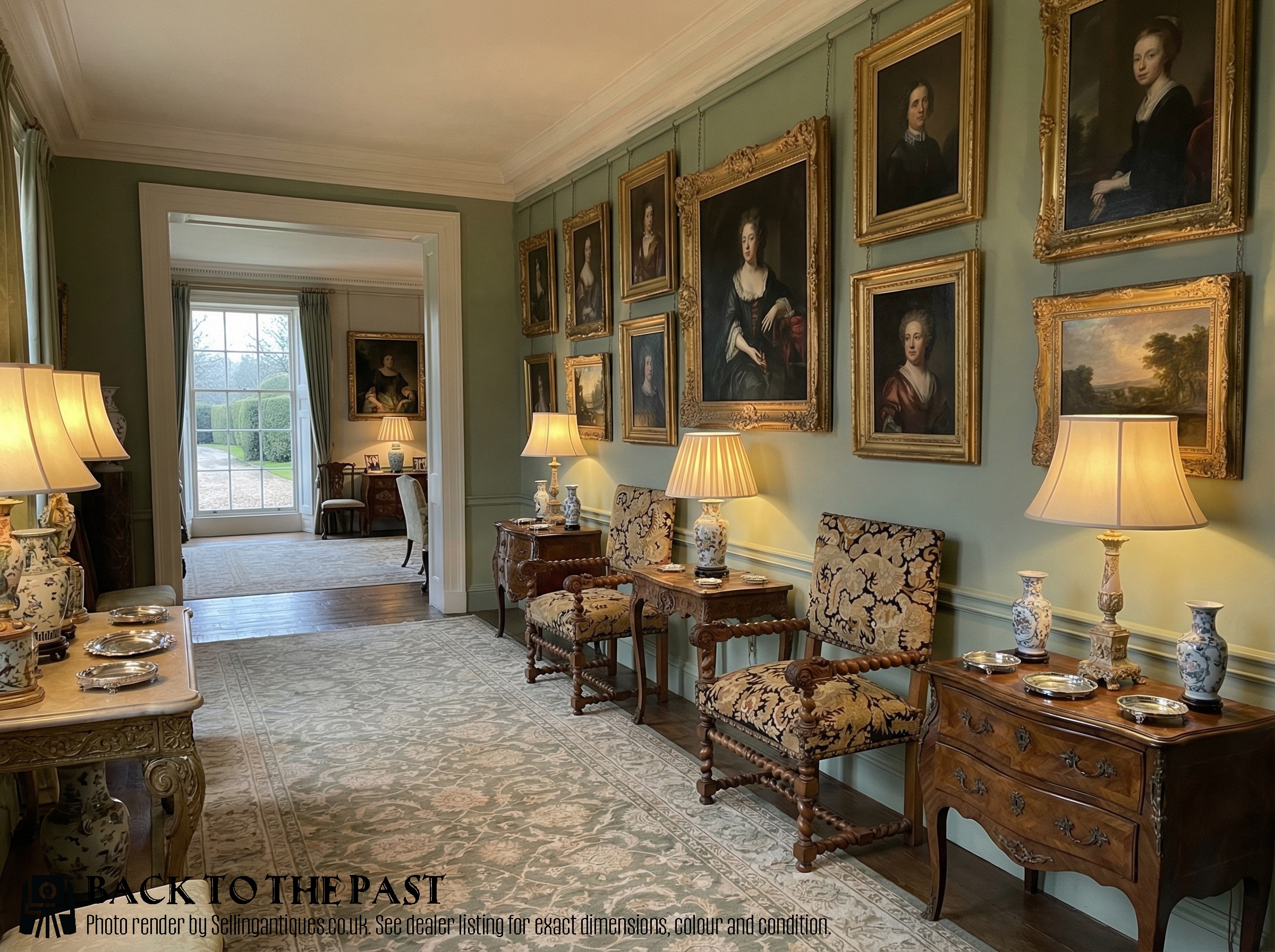
How They Were Made
Craftsmen built these chairs primarily using solid oak and walnut, joined with traditional framing and pegged joints. Many examples incorporate turned components, carved crest rails, and panelled backs.
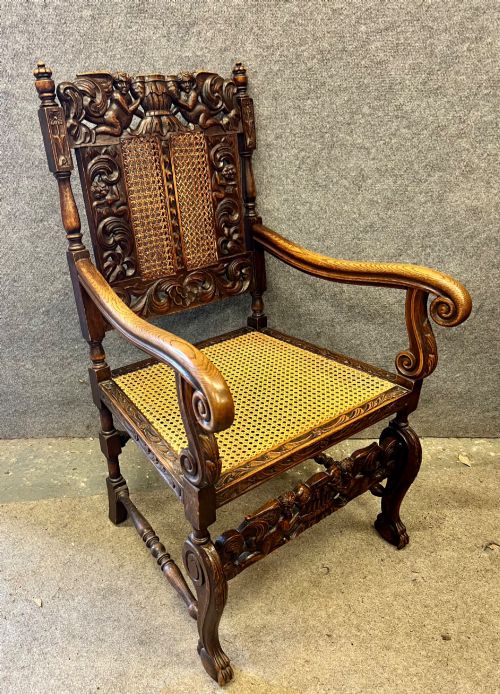
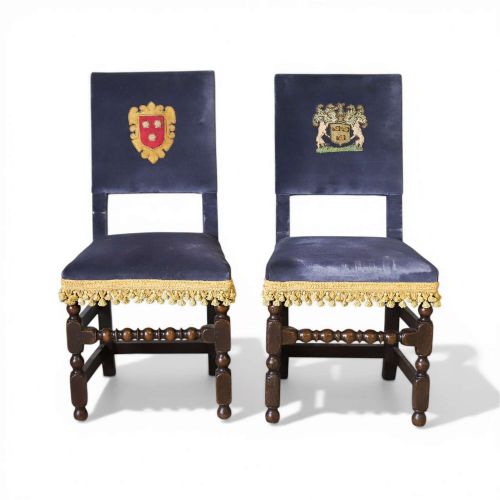
Surface details involve carved foliage, heraldic motifs, and parcel-gilding on walnut. Upholstery materials include cane, leather, velvet, and fabric, often secured with brass studs.
17th Century Style Chairs Retail Price Guide 2026
Typical asking prices for 17th century style chairs among the pieces listed under this phrase on Sellingantiques today, from the lower quarter to the upper quarter. They describe what is for sale here now, not the wider market.
Listings feature oak and walnut frames combined with cane, leather, and velvet upholstery across multiple revival periods.
What Varies in Quality
Quality depends on the depth and crispness of the hand-carved ornamentation on the crest rails and stiles. Crisp, deeply incised carving separates superior workshop production from simpler, mechanical execution.
The choice of timber and the integrity of the original construction dictate durability. Dense grain in the oak or walnut and well-preserved canework or leather upholstery elevate the standing of a piece.
Daniel Marot
The 17th Century Style Chairs Glossary
- Wainscot chair
- A heavy wooden armchair constructed with panelled backs and solid wooden seats, typical of the early seventeenth century.
- Backstool
- An early form of upholstered or panelled seat without arms, serving as a precursor to the modern single dining chair.
- Caqueteire
- A light, high-backed armchair featuring a trapezoidal seat designed to accommodate wide seventeenth-century garments.
- Derbyshire chair
- A regional seventeenth-century chair style characterised by carved open backs and slender turned uprights.
- Carolean
- Pertaining to the reign of Charles the Second, known for lavishly carved walnut, scroll arms, and high cane backs.
17th Century Style Chairs: Frequently Asked Questions
Are these chairs comfortable for daily dining?
Many revival dining chairs offer upright wooden or leather-backed seating suited for traditional dining setups. Their firm wooden structures prioritize posture over modern cushioning.
Adding loose squab cushions can soften the timber seats for longer periods of use around a refectory table.
How do I distinguish revival pieces from seventeenth-century originals?
Revival pieces often date from nineteenth and twentieth-century movements like the Jacobean Revival. Tool marks, timber shrinkage, and construction hardware help date the manufacture.
Examination of the joinery and finish reveals whether a chair was built in sixteen-eighty or nineteen-twenty.
What rooms suit 17th century style chairs?
These robust oak and walnut chairs suit panelled dining rooms, studies, and entrance halls. Wainscot armchairs work well as fireside seating or standalone accent pieces.
Sets of dining chairs pair naturally with refectory plank tables and traditional interior schemes.
What is the difference between a Derbyshire and a Yorkshire chair?
Derbyshire chairs feature distinctive carved scroll cresting and turned upright members. Yorkshire chairs share similar regional origins but often display arched crest rails and different slat designs.
Both regional types emerged during the mid-seventeenth century and inspired later revival copies.