

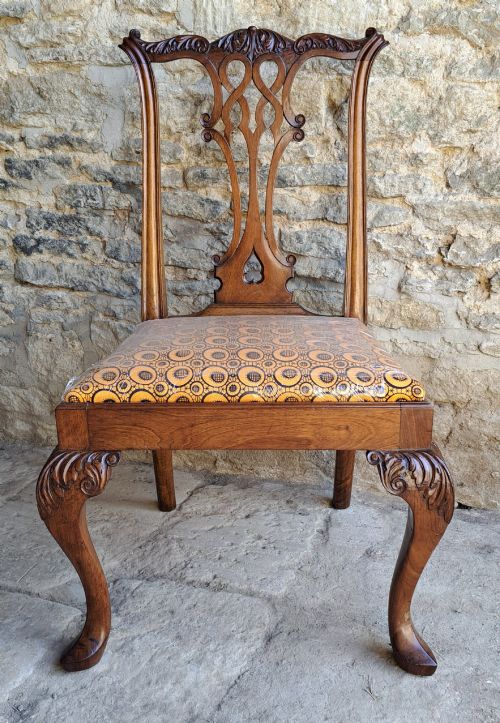
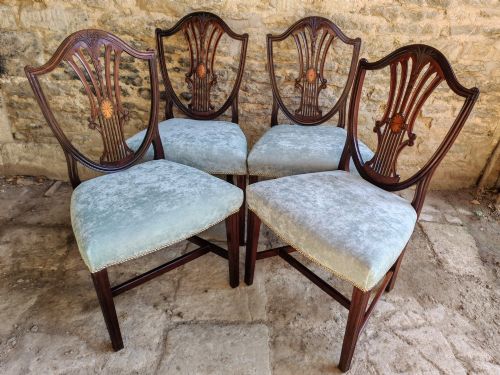
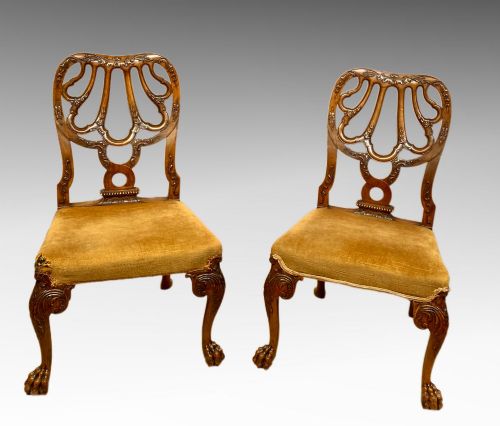
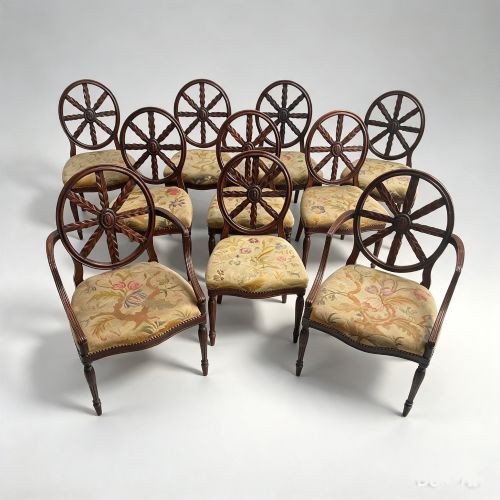
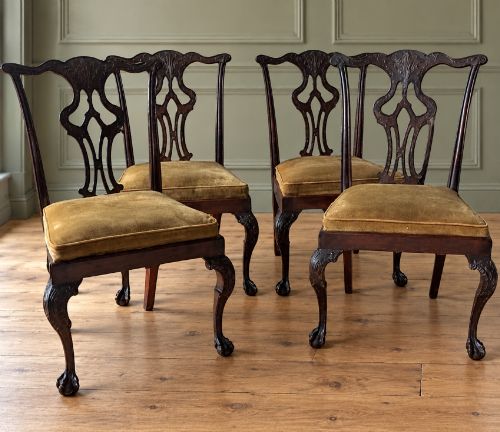
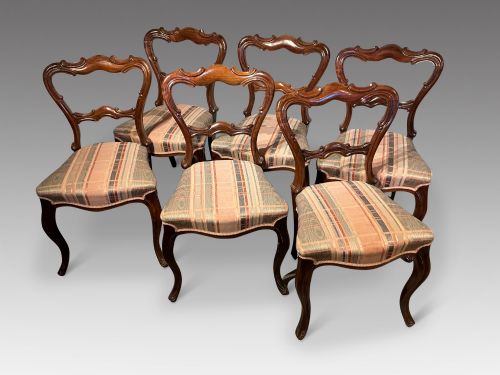
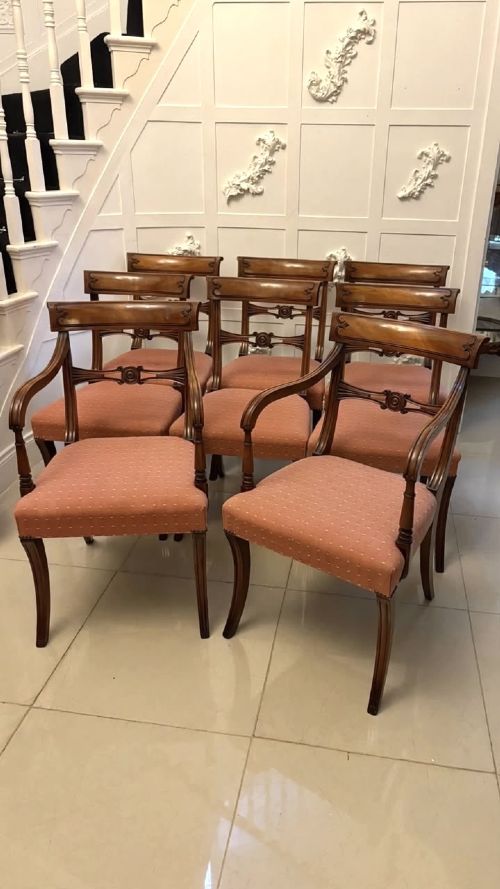
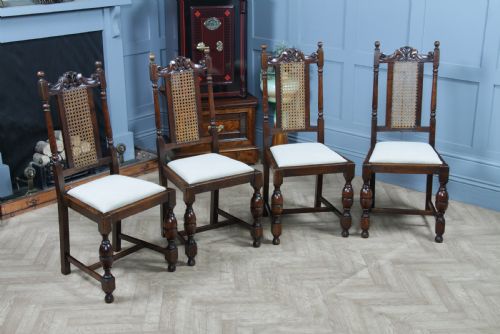
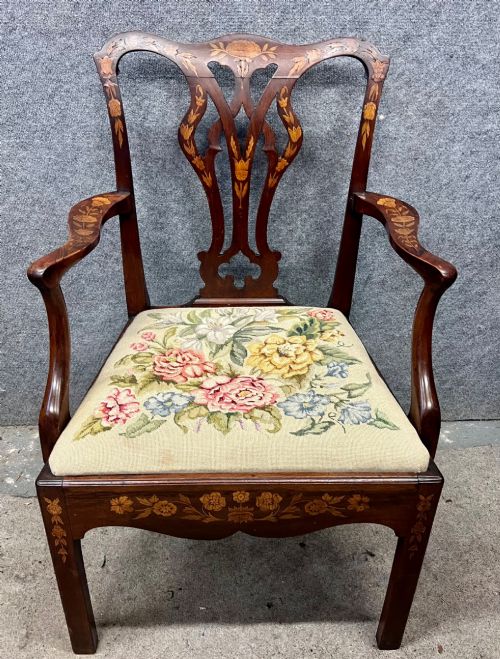
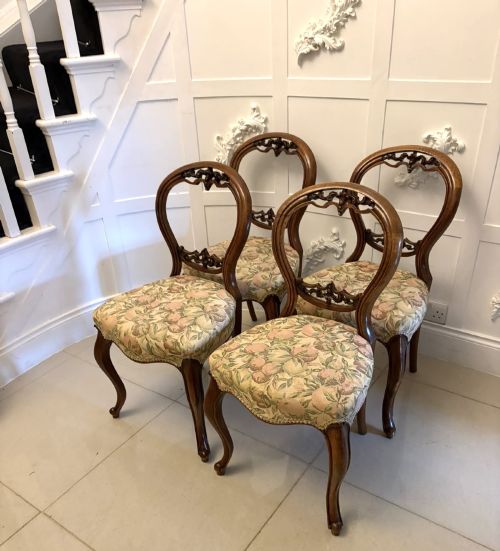
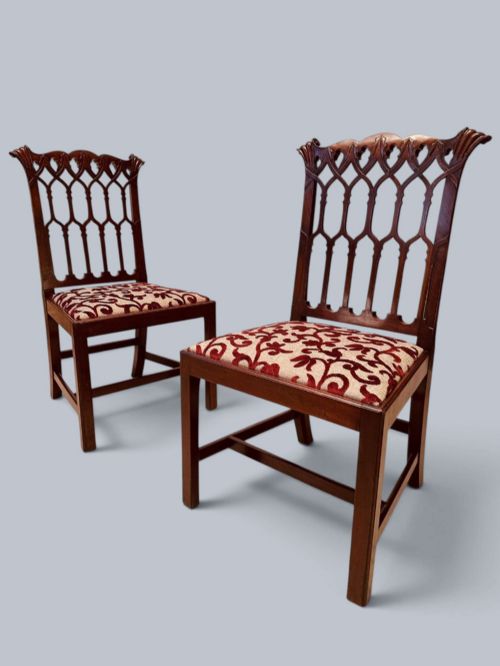
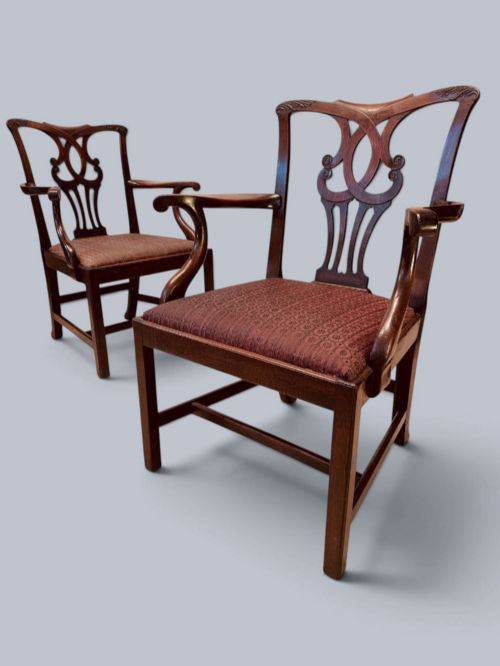
Antique Carved Dining Chairs
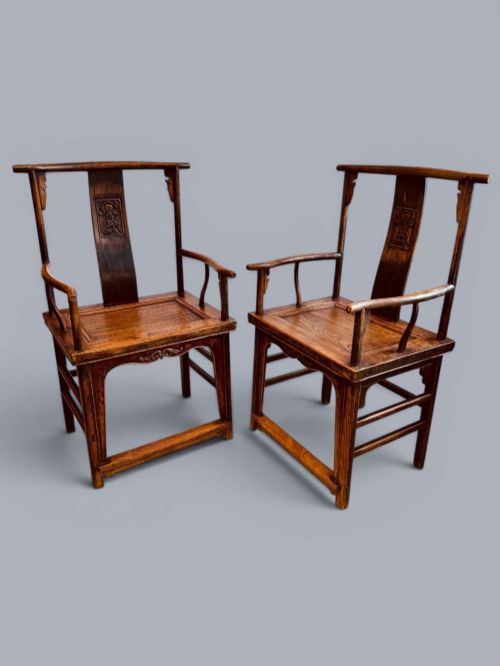
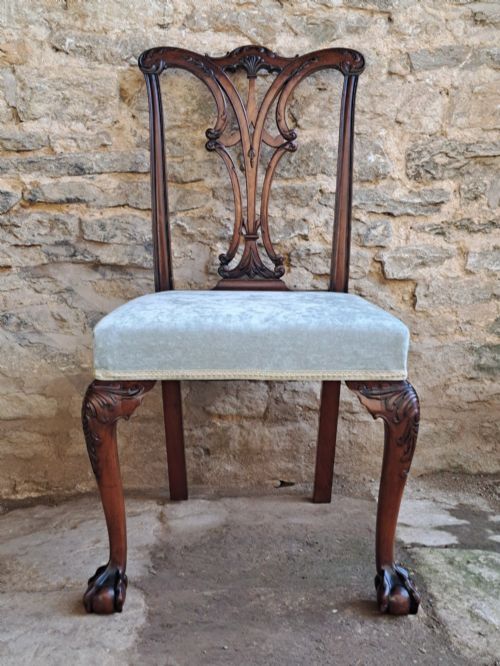
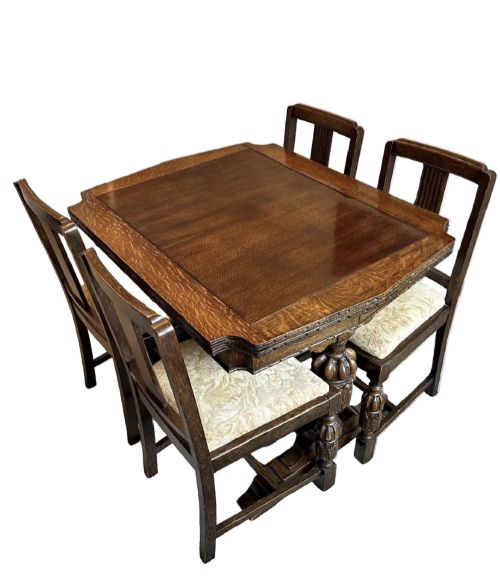
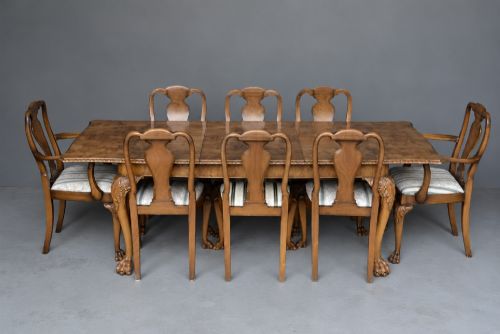
These antique carved dining chairs range from robust oak forms to elegant rosewood sets, offering rich detail and solid period character.
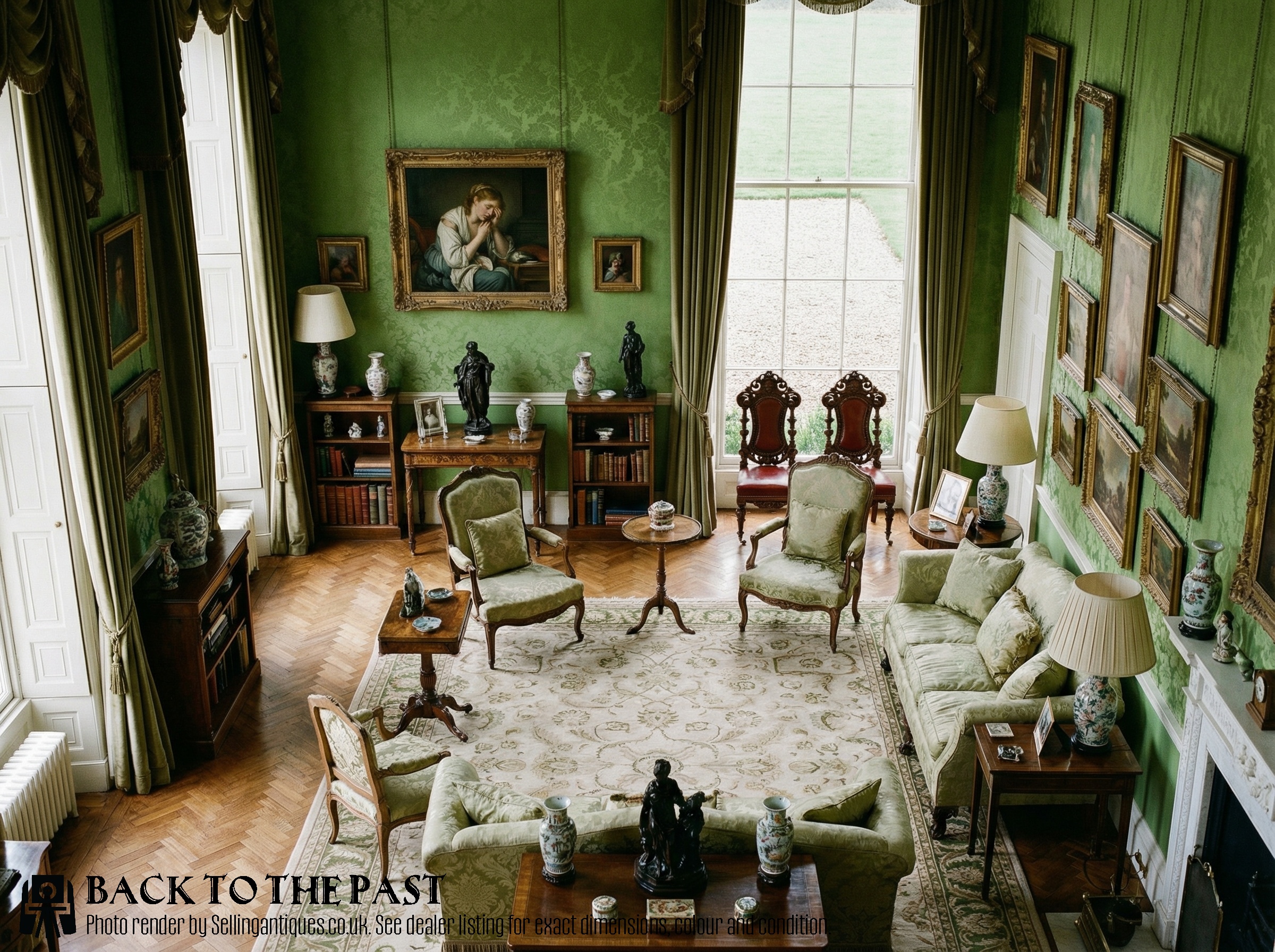
Antique Carved Dining Chairs
Antique carved dining chairs encompass a broad spectrum of historical periods, spanning from early oak examples to Victorian and Edwardian iterations. Buyers frequently encounter substantial sets in mahogany or walnut alongside smaller groupings and individual chairs suited for specific rooms.
The selections vary in form from formal dining seats to side chairs and hall chairs. Materials shift across centuries, incorporating robust oak, dense rosewood, and lighter beech or painted finishes.
Jacobean Revival, French Rococo, and Georgian influences appear alongside Victorian designs. The overarching phrase unites seating defined by intentional decorative carving rather than plain utilitarian construction.
Materials and Construction
Timber selection dictates the structural integrity of these chairs, with heavy utilisation of oak, mahogany, walnut, and rosewood. Artisans shaped these dense woods using hand tools, executing relief carving directly into the structural frame.
Surface treatments vary according to period and style, incorporating giltwood, paint, and traditional polished finishes. Upholstery methods integrate canvas and fabric inserts to support seated comfort within rigid wooden frames.
Antique Carved Dining Chairs Retail Price Guide 2026
Typical asking prices for carved dining chairs among the pieces listed under this phrase on Sellingantiques today, from the lower quarter to the upper quarter. They describe what is for sale here now, not the wider market.
Materials recorded across these listings include oak, rosewood, mahogany, walnut, beech, and giltwood.
Judging Quality and Execution
Depth and crispness of the carved ornamentation separate standard pieces from superior examples. Relief work executed with sharp undercut details demonstrates a higher level of cabinetmaker skill.
The integrity of timber joints and the consistency of grain across matching sets indicate the original workshop standards. Cohesion within larger sets reflects careful initial selection of raw materials.
The Antique Carved Dining Chairs Glossary
- Side chair
- A chair without arms, designed primarily for dining tables. These pieces form the majority of standard multi-chair sets.
- Hall chair
- A stiff wooden seat intended for transient use in entrance spaces rather than prolonged dining. They frequently display prominent carved crests or heraldic motifs.
- Giltwood
- Timber treated with a thin layer of gold leaf or gilt finish. This decorative method appears on French Rococo and revived styles.
- Rosewood
- A dense, dark timber prized for its rich grain patterns and heavy weight. It appears extensively in nineteenth-century formal dining furniture.
Antique Carved Dining Chairs: Frequently Asked Questions
How do I match antique chairs to a modern table?
Focus on the timber tone and overall visual weight of the chairs rather than strict period alignment. Dark mahogany or oak frames contrast effectively against contemporary surfaces while maintaining physical presence.
Consider the seat height and apron clearance to ensure comfortable legroom. Proportion remains the primary bridge between antique seating and modern dining architecture.
Are larger sets harder to find than pairs?
Complete matching sets of eight or ten chairs occur less frequently because individual pieces were often lost or damaged over generations. Surviving large suites represent significant domestic investment from their original commissioning.
Smaller groups of four or six remain standard for everyday household use. Pairs and singles typically serve as occasional seating or accent pieces.
What defines a Jacobean Revival chair?
Jacobean Revival pieces emulate seventeenth-century English design principles, utilising heavy oak, geometric paneling, and turned members. These chairs often feature high backs and deep relief carving.
Craftsmen produced many of these pieces during later Victorian and Edwardian periods to satisfy historicist interior tastes. The construction methods usually reveal nineteenth- or twentieth-century workshop practices.
Can I use antique dining chairs daily?
Solid hardwood construction ensures these chairs remain structurally capable of regular seating use. Routine checks of joints help maintain stability under daily weight.
Upholstery fabrics may require periodic renewal depending on wear and tear. The underlying frames generally outlast modern alternatives when treated with care.