
Mid Victorian Side Chairs
These mid victorian side chairs bring sturdy timber and carved detail to the room, offering practical seating with period character.
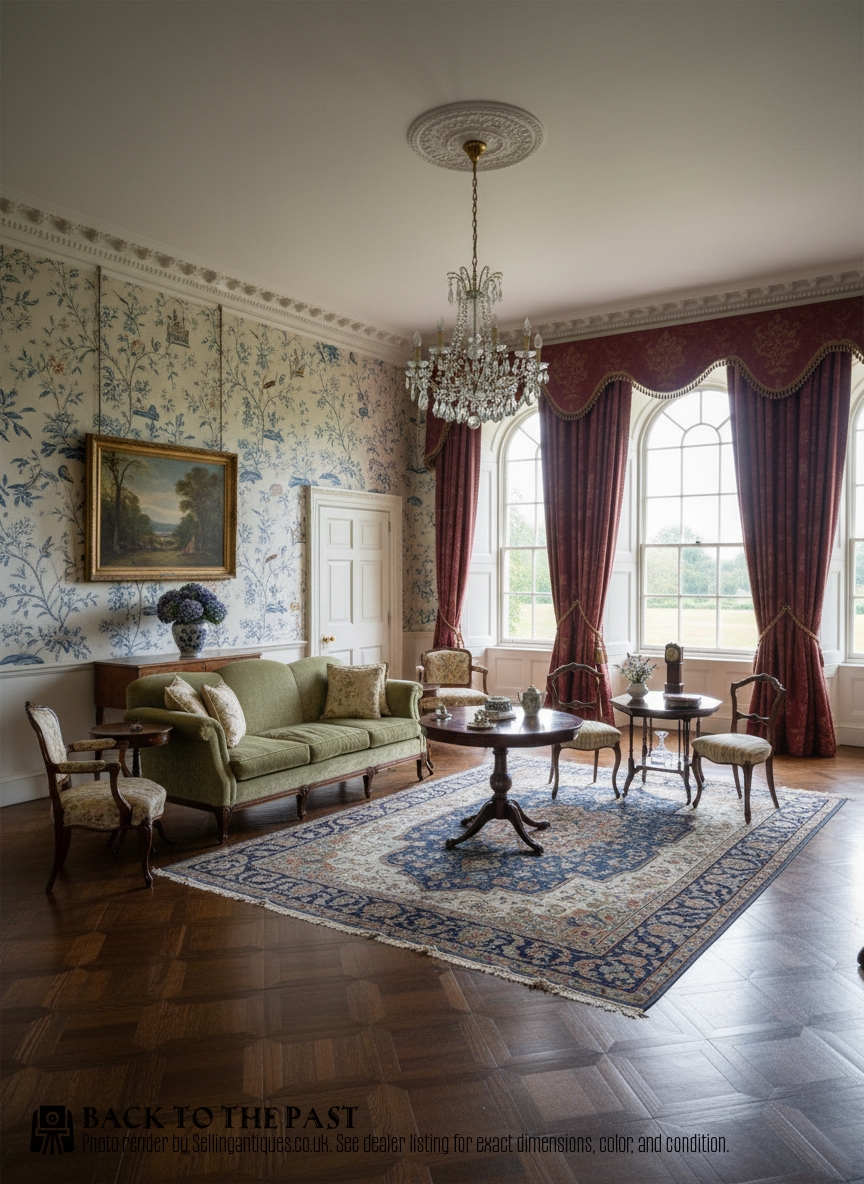
Mid Victorian Side Chairs
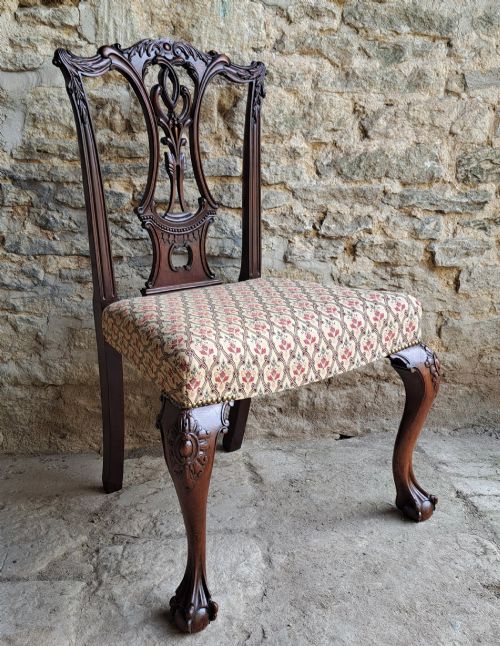
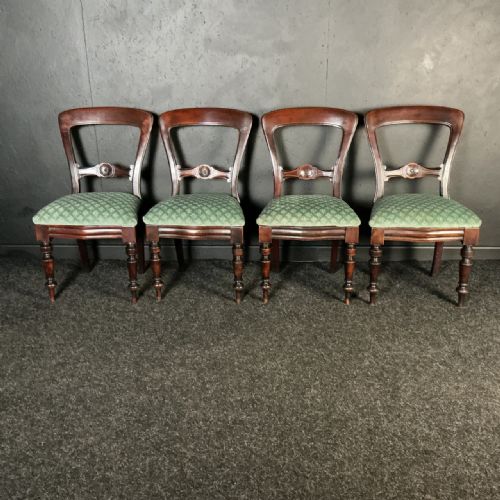
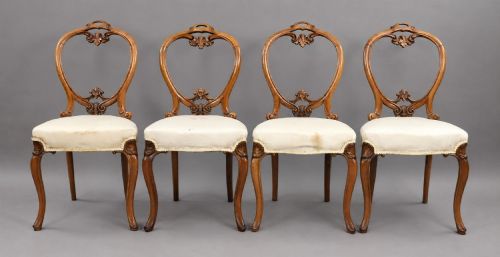
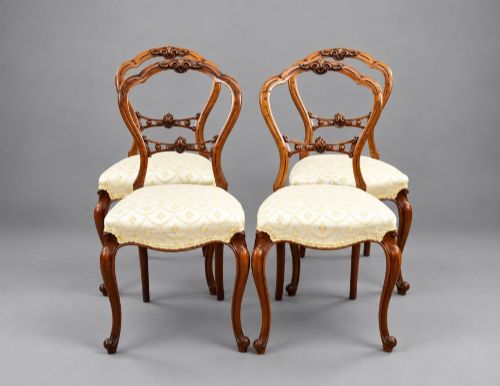
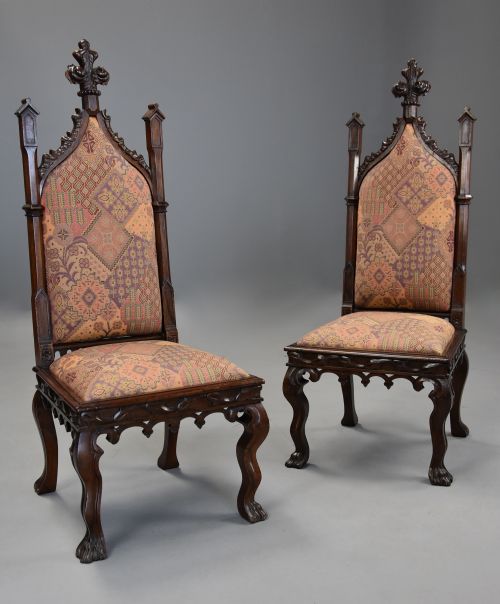
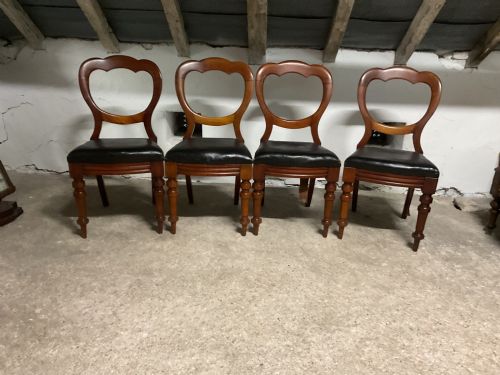
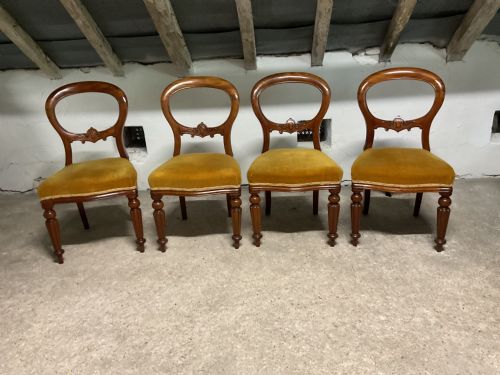
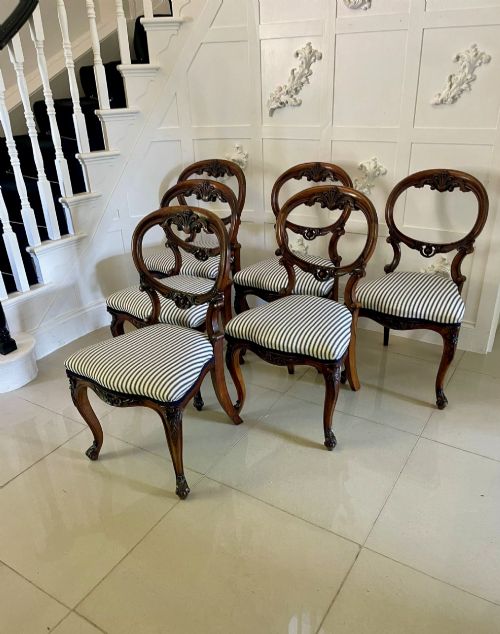
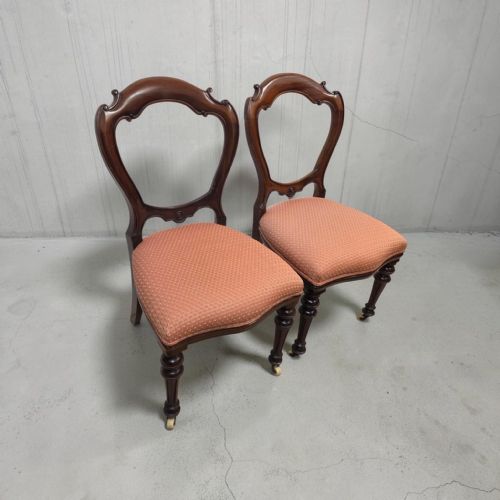
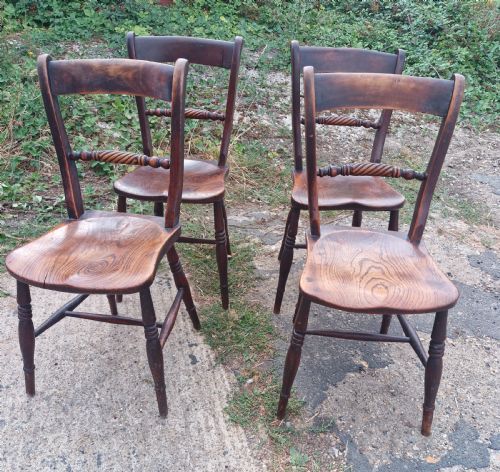
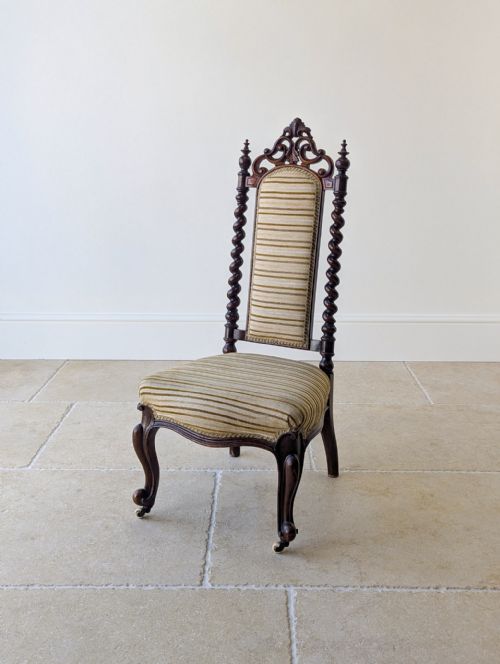
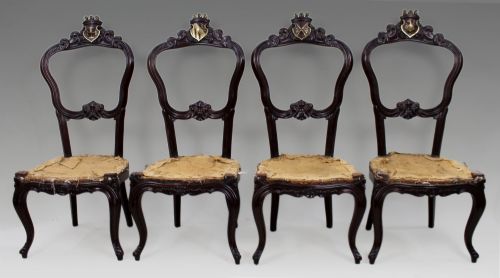
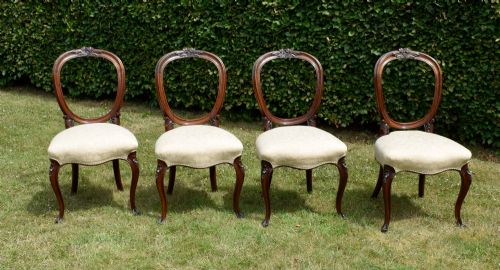
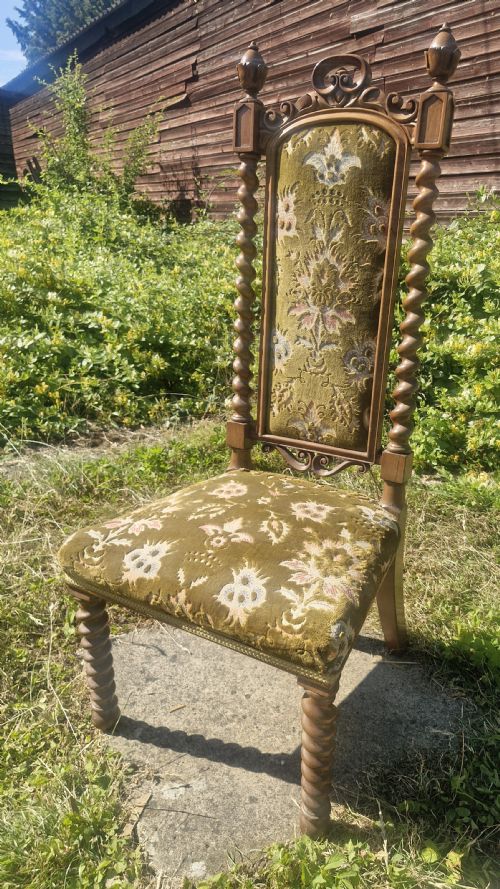
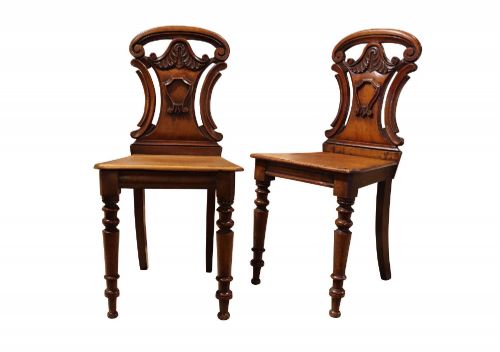
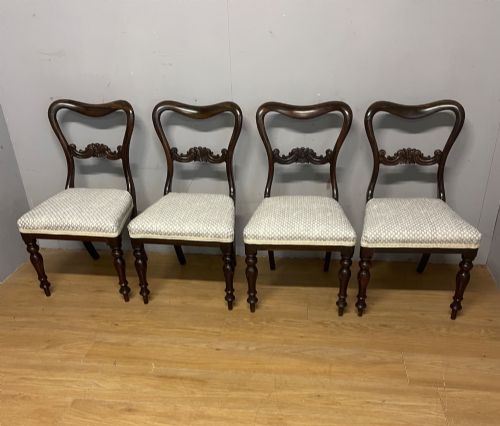
Makers of this era produced designs ranging from plain kitchen Windsor forms to heavily carved rosewood revival styles. Buyers encounter balloon back shapes most frequently, alongside gothic revival and Chippendale style variants dating from eighteen fifty onwards.
How they were made
Cabinet makers utilised solid timbers such as mahogany, walnut, oak, and rosewood to construct the frames, frequently employing hand carving for the splats and crest rails. Joinery relied on traditional mortise and tenon methods to ensure rigidity across dining and parlour seating.
Upholstery involved horsehair or stuffing covered in fabric, velvet, needlepoint, or textile fixed with brass tacks. Papier-mâché formed an alternative lightweight base material for specific bedroom and parlour designs.
Mid Victorian Side Chairs Retail Price Guide 2026
Typical asking prices for mid victorian side chairs among the pieces listed under this phrase on Sellingantiques today, from the lower quarter to the upper quarter. They describe what is for sale here now, not the wider market.
Recorded periods span from eighteen fifty through to eighteen eighty, encompassing Victorian, William IV, and revival styles.
What varies in quality
The crispness of the timber carving and the density of the selected mahogany, walnut, or rosewood dictate the upper tier of execution. Sets matched precisely in grain and turning command greater attention than assembled groupings.
Structural integrity depends on the tightness of the original joints and the preservation of the timber beneath the surface finish. Subtle detailing in the crest rails and robust frame construction separate standard utilitarian seating from superior examples.
W.A. Willcocks·John Taylor and Son
The Mid Victorian Side Chairs Glossary
- Balloon back
- A rounded, curved chair back resembling the shape of a hot air balloon, common in Victorian parlour and dining seats.
- Gothic revival
- A decorative style incorporating pointed arches, trefoils, and medieval architectural motifs popular during the nineteenth century.
- Balloon back dining chairs
- Seating featuring the characteristic rounded wooden frame designed specifically for placement around a dining table.
- Splat
- The vertical central strip of wood in the middle of a chair back, often carved or pierced.
- Needlepoint
- A type of canvas work embroidery used for covering chair seats with stitched floral or geometric patterns.
Mid Victorian Side Chairs: Frequently Asked Questions
What defines mid victorian side chairs?
These pieces originate from the nineteenth century, spanning decades from eighteen fifty to eighteen eighty. They typically feature timber frames in mahogany, walnut, or rosewood.
Craftsmanship during this period combines practical seating forms with stylistic revivals like gothic and Chippendale influences. They serve primarily as dining, hall, or parlour seating.
How were balloon back chairs used?
Balloon back designs served principally as dining chairs placed around large timber tables in Victorian homes. Their curved backs offered lumbar support while presenting an elegant silhouette.
Smaller versions also appeared in parlours and bedrooms as occasional seating. They were built to be moved easily around reception rooms.
How do I care for antique upholstery?
Preserving the fabric or velvet requires gentle dusting and protection from direct sunlight to prevent fading. Original needlepoint and textile seats benefit from professional conservation methods rather than harsh chemical cleaning.
Checking the underlying frame stability prevents undue stress on the fabric. Proper humidity control keeps both the timber and the internal stuffing stable.
How to tell mahogany from walnut?
Mahogany generally displays a reddish brown hue with straight, fine grain patterns. Walnut tends to show a darker, richer brown tone with more pronounced figuring and contrasting dark streaks.
Both timbers received intensive use by nineteenth century cabinet makers. Examining the weight and grain structure under good light reveals the material.