

Antique Balloon Back Seating
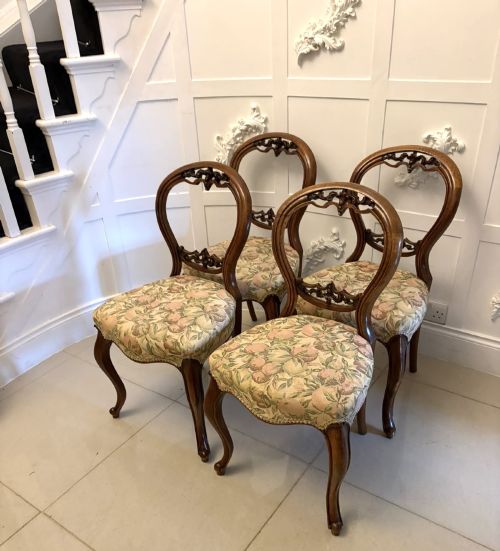
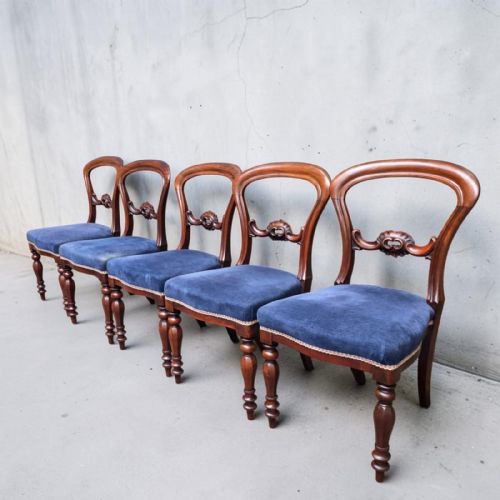
Antique balloon back seating brings fluid, curved Victorian timberwork into the dining room or parlour.
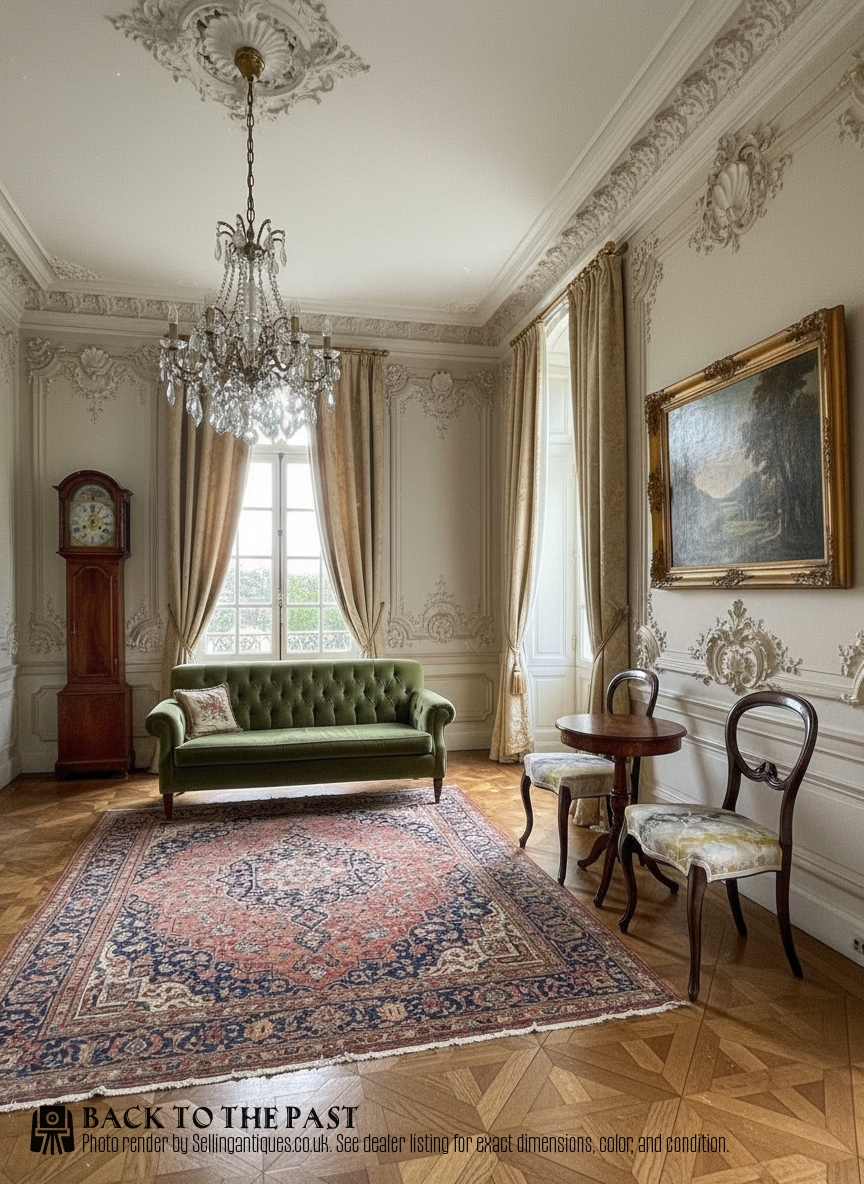
Antique Balloon Back Seating
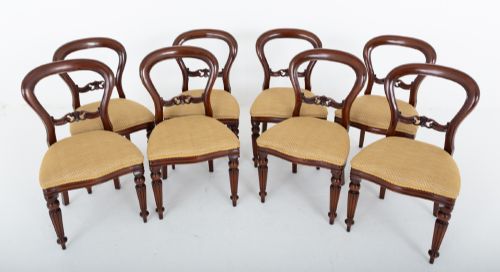
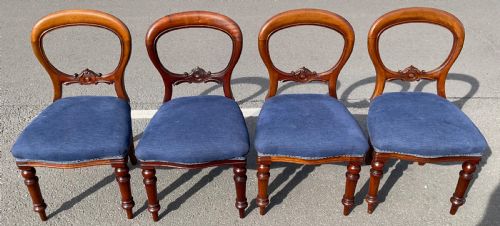
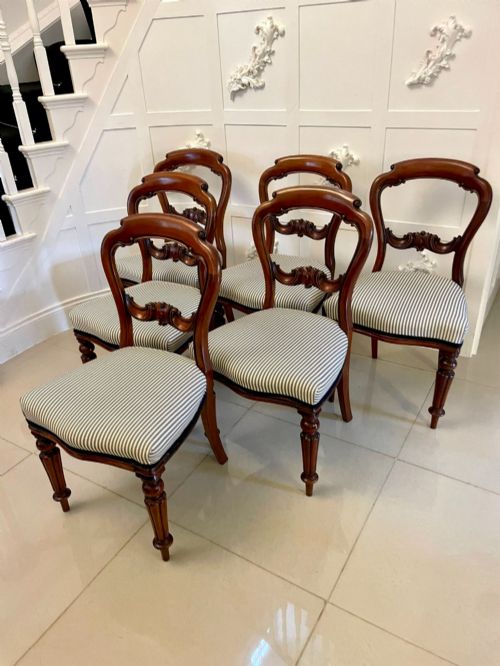
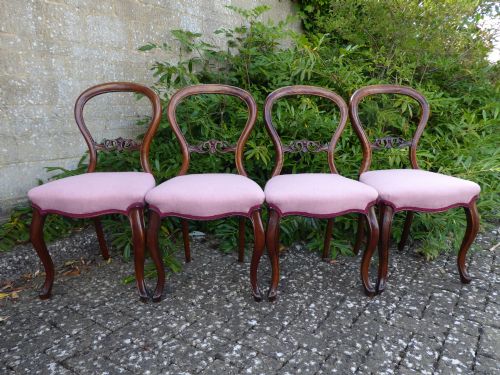
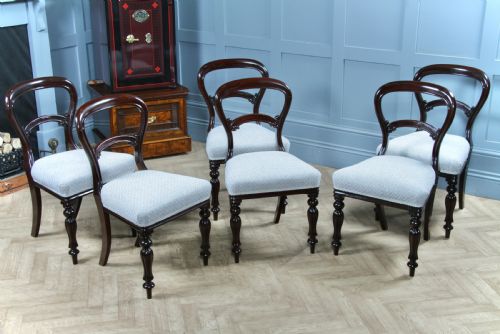
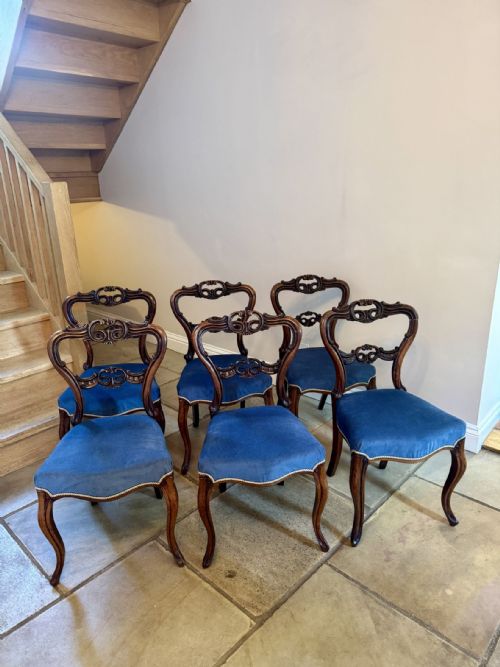
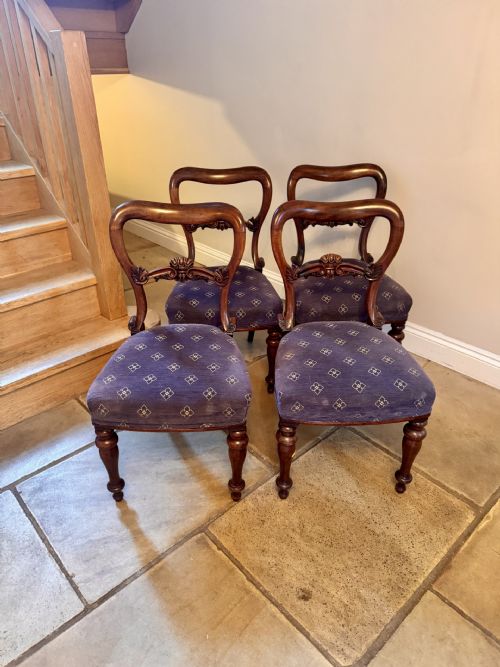
When you search for antique balloon back seating, you encounter a distinct form of nineteenth-century chair defined by an oval or rounded backrest shaped like an inflated balloon. These chairs appear predominantly as dining chairs and side chairs, with occasional appearances as bedroom chairs or ladies chairs. The majority of pieces belong to the Victorian era, spanning from the middle decades of the century through to the 1880s.
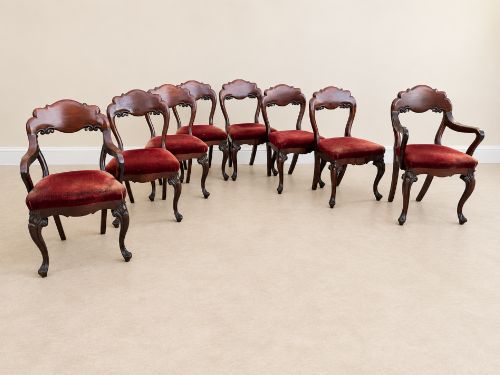
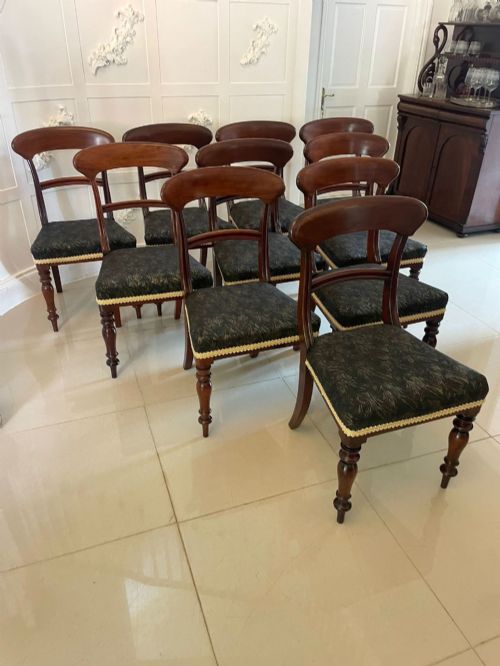
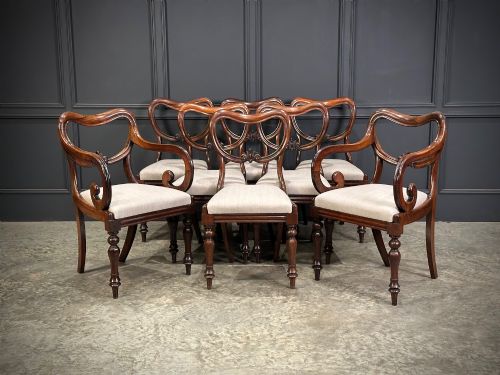
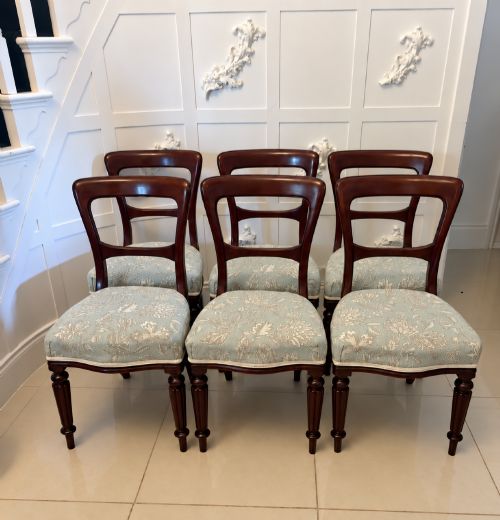
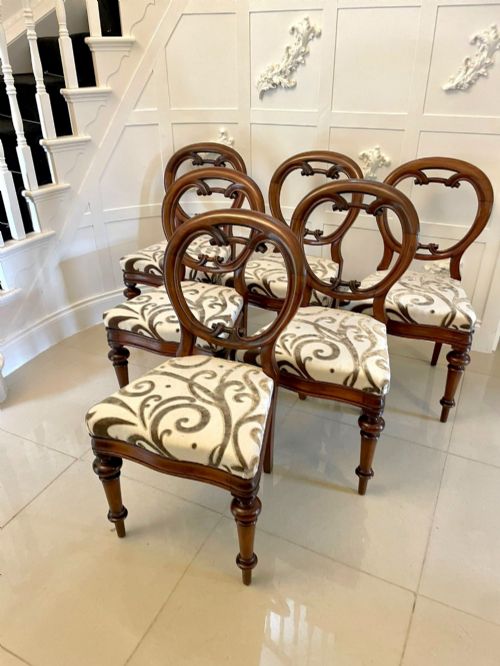
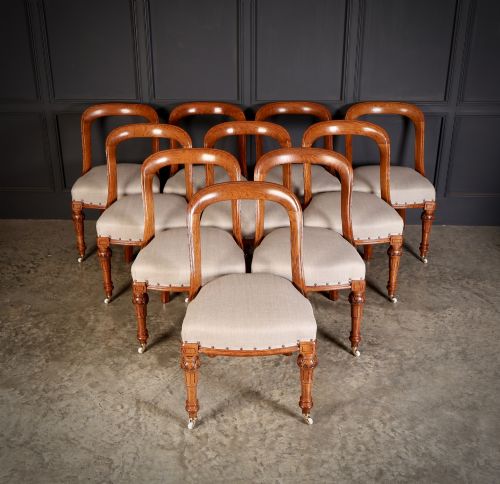
The form spans individual side chairs, matched pairs, and larger matched sets numbering up to ten or twelve pieces. Alongside standard mahogany and walnut dining chairs, the selection includes rosewood frames and occasional oak examples. Buyers find these pieces serving their original purpose around dining tables or standing singly as accent chairs in reception rooms.
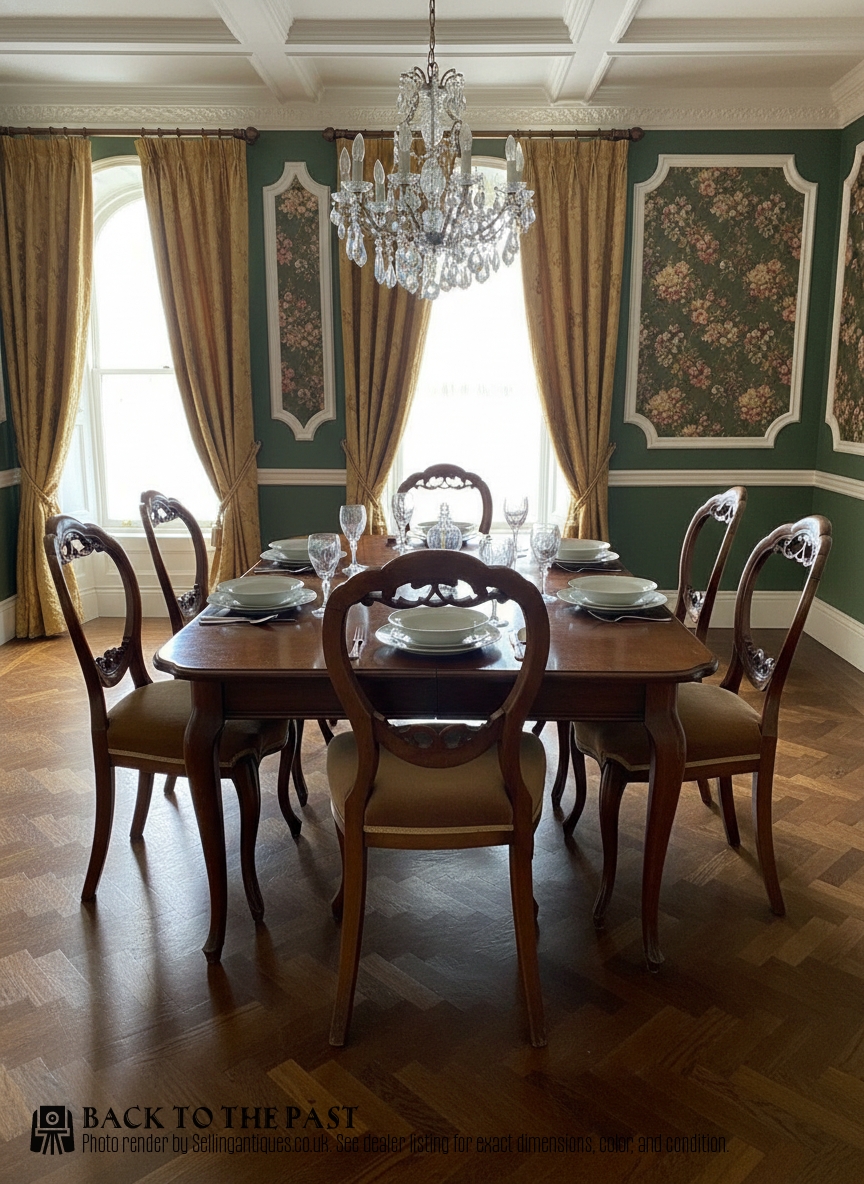
How they were made
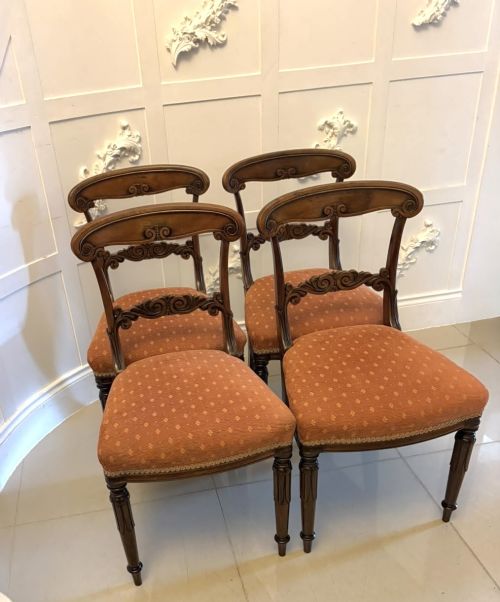
Cabinetmakers constructed these frames using dense hardwoods, predominantly mahogany, walnut, and rosewood, which allowed the timber to be bent and carved into the characteristic curved backrest without losing structural integrity. Many frames incorporate pierced splats or applied carving within the rounded wooden hoop. Brass hardware sometimes supports structural joints or castors on related pieces.
Upholstery forms an integral part of the construction, utilising fabrics such as velvet, needlepoint, and various upholstery textiles. Seat pads are drop-in or webbed directly into the wooden frame. Selected examples feature specialised designer textiles applied during later restoration or period use.
Antique Balloon Back Seating Retail Price Guide 2026
Typical asking prices for balloon back seating among the pieces listed under this phrase on Sellingantiques today, from the lower quarter to the upper quarter. They describe what is for sale here now, not the wider market.
Victorian ladies chairs were built lower to the floor so crinoline-wearing sitters could avoid awkward tumbles.
What varies in quality
The distinction between ordinary and superior pieces rests upon the crispness of the timber carving and the selection of figured veneers or solid grain. Cabinetmakers who invested time in detailed pierced splats and substantial framing produced chairs that retain their rigidity after generations of use. Lighter, plain frames from the later nineteenth century often display simpler joinery.
Larger matched sets command attention because keeping ten or twelve identical chairs intact over a century proves difficult. The uniformity of the timber tone across an entire set separates assembled groups from sets created together in a single workshop.
John Taylor & Son·Gillows
The Antique Balloon Back Seating Glossary
- Balloon back
- A chair back shaped in an open oval curve resembling a round balloon, popular throughout the Victorian period. This profile gives the seating group its defining silhouette.
- Pierced splat
- The central wooden upright within a chair back that has been cut through to create an openwork decorative pattern. It lightens the visual weight of the timber frame.
- Side chair
- An upright chair without arms, designed primarily for dining around a table or placing against a wall. These form the bulk of any large seating set.
- Ladies chair
- A lower, wider Victorian armchair or occasional chair designed to accommodate the heavy skirts of the period. They often feature carved walnut or rosewood frames.
- Needlepoint
- Hand-stitched canvas work used historically for durable seat upholstery. It provides a textured, colourful surface often seen on mid-nineteenth-century parlor seating.
Antique Balloon Back Seating: Frequently Asked Questions
How do I clean antique wood frames?
Dust the timber regularly with a soft, dry cloth to prevent grit accumulation on the polished surface. Avoid modern silicone sprays, which penetrate the grain and damage old polishes.
Apply a microcrystalline wax sparingly once or twice a year to nourish the mahogany or walnut. Buff gently with a clean cloth to maintain a natural, soft sheen.
Are these chairs comfortable for daily dining?
Victorian dining chairs offer an upright seating posture suited to formal dining rather than lounging. The curved back supports the lumbar region effectively when sitting straight.
Original webbing and padding may feel firm compared to modern foam seating. Buyers intending daily use often have the internal upholstery refreshed while preserving the outer fabric.
How can I date a balloon back chair?
Chairs from the 1850s and 1860s typically feature heavier, richer rosewood or walnut timbers with deep, hand-carved details. Mahogany variants frequently align with the earlier William IV transition.
Examples from the 1880s tend toward simpler lines and lighter oak or walnut construction. The absence of maker stamps means dating relies entirely on timber choice and stylistic flourishes.
Can I mix different sets around one table?
Mixing chairs requires careful attention to seat height and timber tone to maintain visual balance. Pairing a set of mahogany side chairs with complementary carvers works well if the wood grain harmonises.
Ensure the seat heights match standard dining dimensions so all guests sit at an even level. Contrasting upholstery fabrics add character when the wooden frames share a similar nineteenth-century origin.