


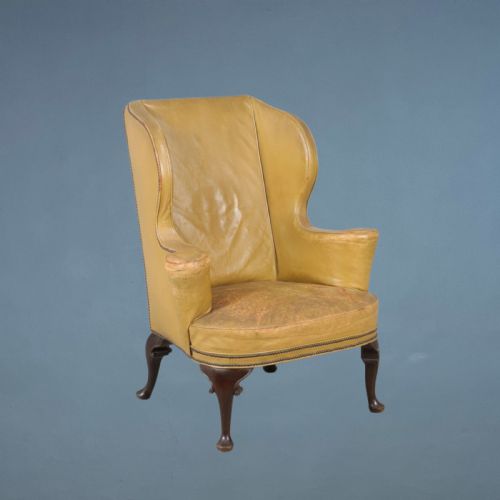
Victorian Cabriole Leg Chairs
Victorian cabriole leg chairs combine graceful curved supports with classic timber frames, offering comfort and period character for any interior.
Victorian Cabriole Leg Chairs
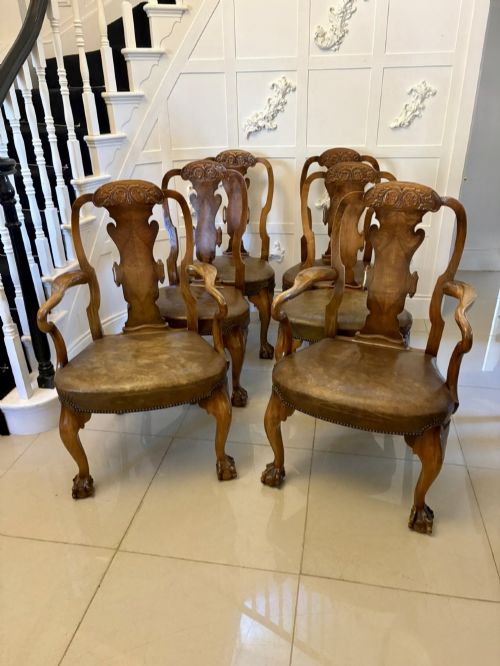
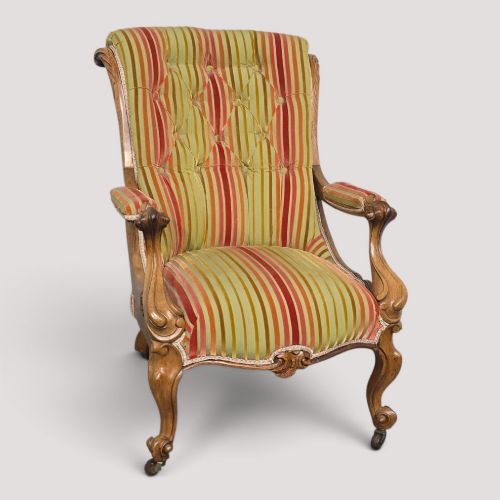
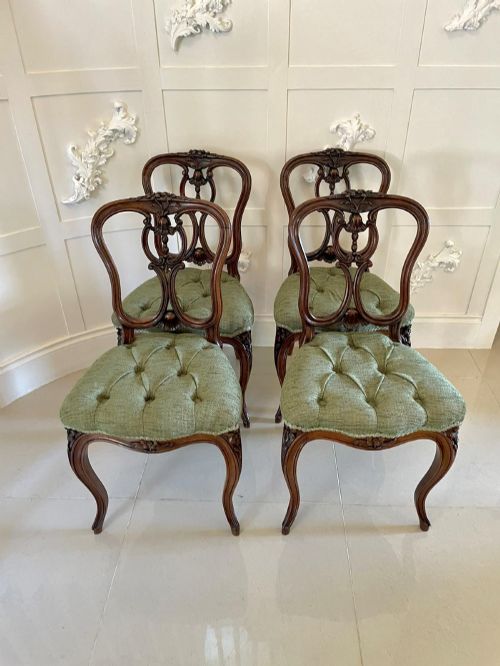
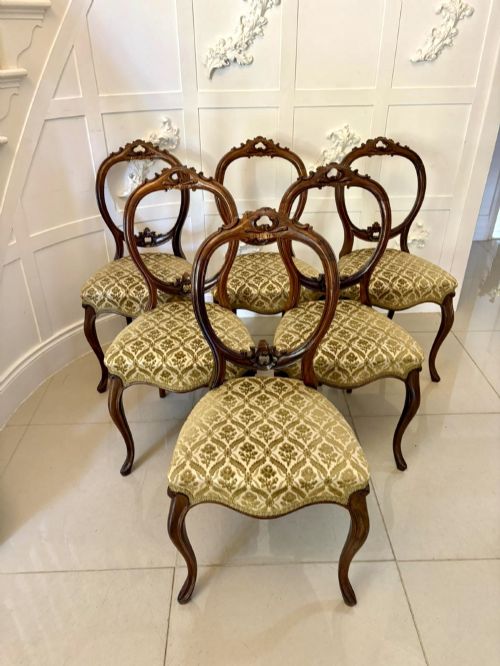
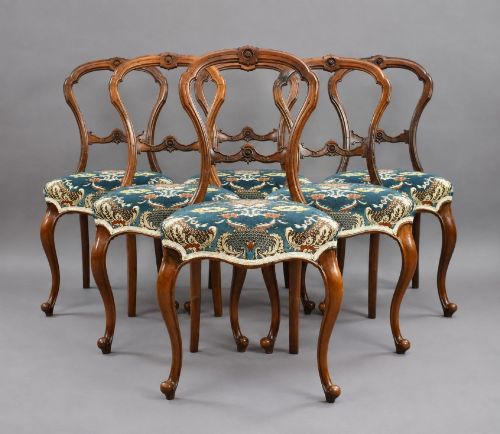
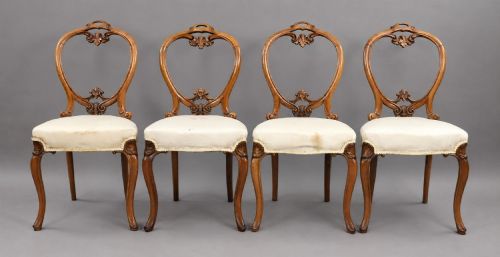
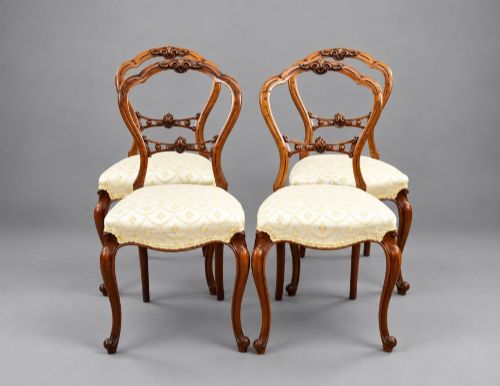
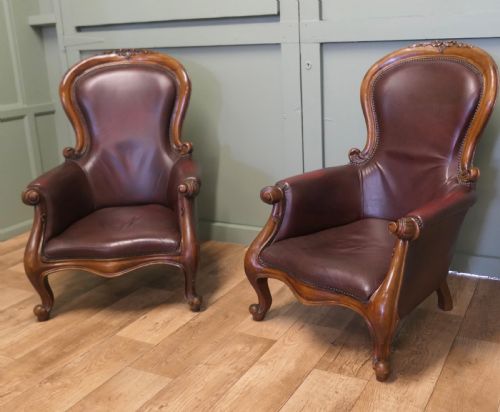
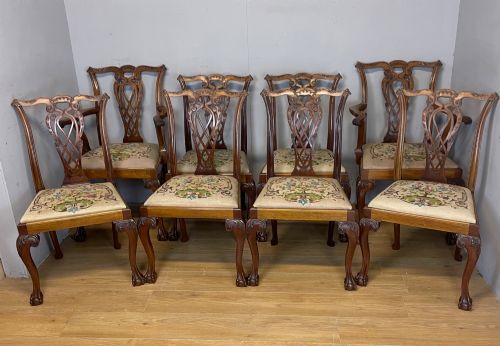
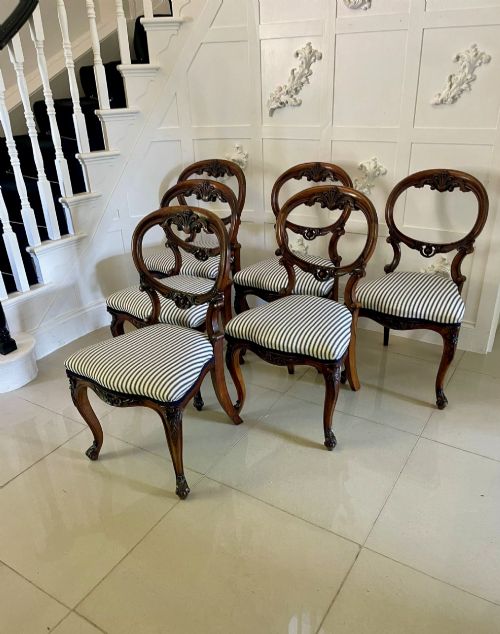
Walnut is the predominant timber seen across these pieces, frequently accompanied by mahogany and rosewood in both single chairs and larger sets. Formations often incorporate balloon backs, shaped backs, and scroll carvings above the characteristic curved legs.
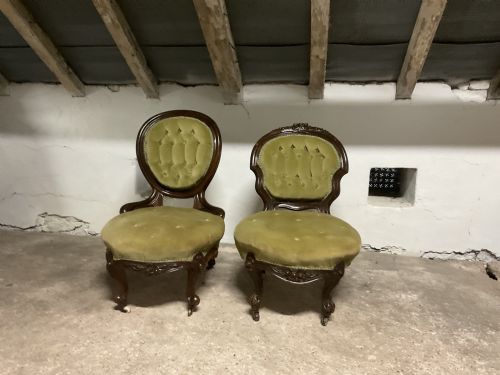
The timeline stretches from the mid nineteenth century through to the end of the Victorian era and into the Edwardian period. Surviving examples range from intimate pairs of occasional chairs up to substantial dining sets numbering six, eight, or fourteen pieces.
Materials and Construction
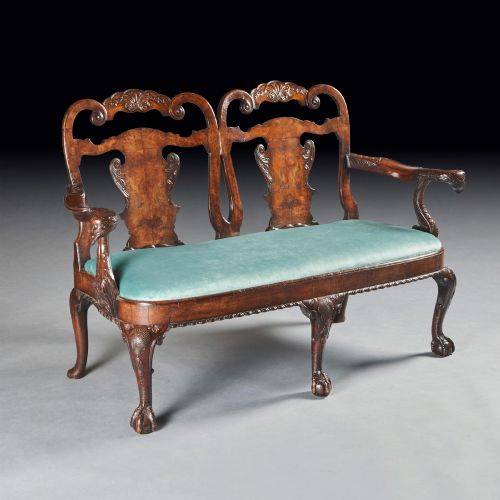
Cabinetmakers utilised hardwoods such as walnut, mahogany, rosewood, and oak to build sturdy frames capable of supporting intricate carving and slender curves. Timber selection dictated the grain pattern and rich natural tones visible across the finished seats.
Upholstery techniques involved traditional stuffing applied to serpentine fronted and overstuffed seats, covered in materials including fabric, leather, and velvet. Brass details sometimes appeared in structural or decorative capacities alongside wooden scrollwork.
Retail Price Guide 2026
Typical UK retail prices for victorian cabriole leg chairs, calculated from the Sellingantiques database of over a million retail prices indexed since 2003. This retail price guide relies exclusively on Sellingantiques data; no external sources or auction records are used, so the figures do not describe the wider market.
Listings feature walnut, mahogany, rosewood, and oak across periods spanning the Victorian era and Edwardian times.
Distinctions in Quality
The refinement of the carving on the forelegs and backrests separates standard seating from finer workshop production. Crisp scrolling and balanced proportions indicate greater skill in shaping the timber.
The integrity of the timber frame and the retention of original upholstery materials influence the standing of each piece. Matching sets that remain complete across larger numbers of chairs command particular attention from collectors.
The Victorian Cabriole Leg Chairs Glossary
- Cabriole leg
- A furniture leg that curves out and then in, resembling the leg of an animal. This classic form originated in antiquity and gained widespread popularity during the eighteenth and nineteenth centuries.
- Balloon back
- A chair back shaped in a continuous oval curve resembling a balloon. It provides ergonomic support while presenting a light profile.
- Serpentine front
- A furniture seat front that curves outward in the centre and inward at the sides. This contour adds visual movement and complexity to the wooden frame.
- Salon suite
- A matching set of seating and occasionally tables designed for formal reception rooms. These suites maintain uniform timber and stylistic details across all items.
- Overstuffed seat
- Upholstery that covers the seat rails entirely so that only the fabric is visible from above. It offers a soft edge and deep padding for comfort.
Frequently Asked Questions
How do I care for antique upholstery?
Vacuum fabric gently with a soft brush attachment to remove dust without damaging the fibres. Keep wooden frames nourished with appropriate wax.
Avoid placing antique chairs in direct sunlight or near heat sources to prevent the timber from drying and splitting.
Were these chairs used only for dining?
While many sets served around the dining table, smaller configurations functioned as salon, hall, or occasional seating. Parlour chairs were designed for entertaining and leisure rather than formal meals.
Different room functions influenced the height of the backrest and the degree of carved ornamentation on the frame.
How can I tell the period of the chair?
Examine the timber species, joinery methods, and the style of the carving on the back and legs. Walnut and rosewood gained favour during specific decades of the Victorian era.
Comparing the silhouette to dated examples in the archive helps narrow down whether a piece originates from the mid or late nineteenth century.
Can I mix different chair sets together?
Mixing sets requires careful attention to seat height, wood tone, and overall proportion to maintain visual harmony around a table. Matching timber types helps disparate pieces look intentional.
Pairs of occasional chairs offer more flexibility for placement in corners or hallways where uniformity matters less.