
19th Century Rosewood Chairs
When choosing 19th century rosewood chairs, you are selecting seating defined by dense tropical hardwoods and the changing tastes of Regency and Victorian makers.
19th Century Rosewood Chairs
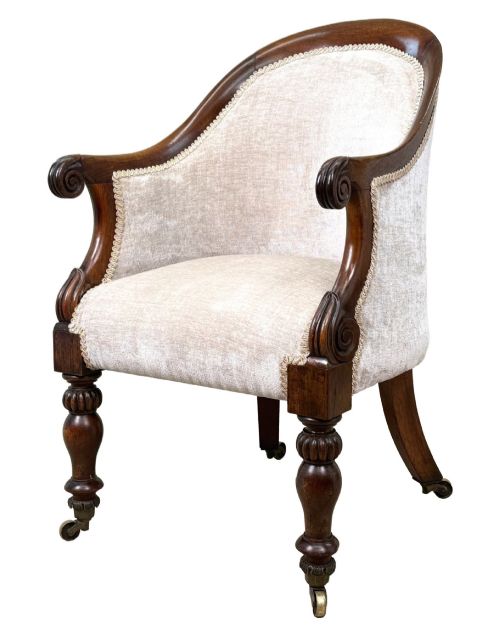
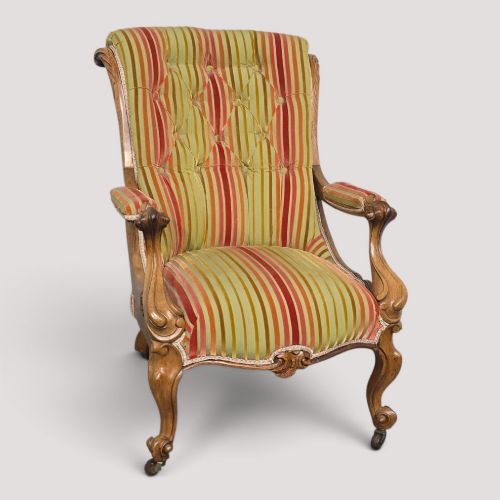
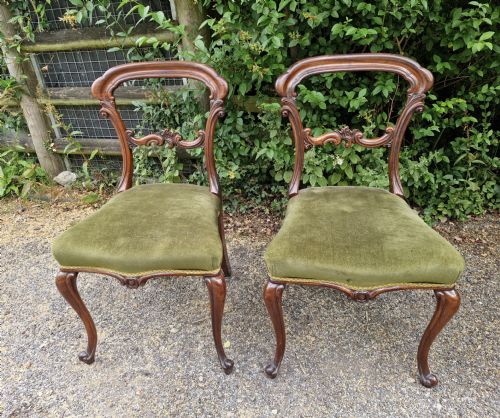
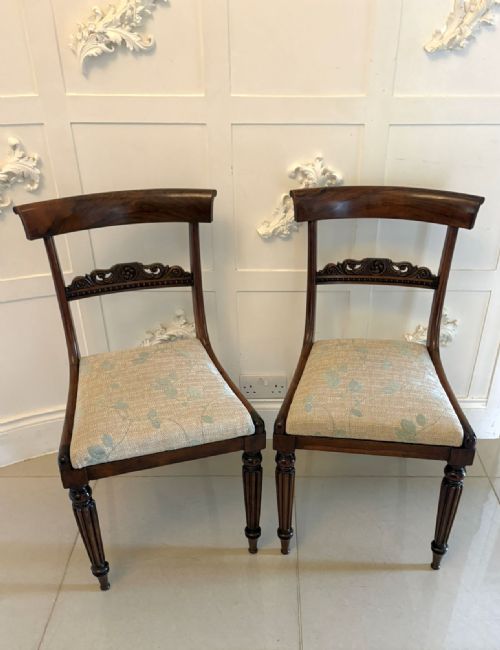
When searching for 19th century rosewood chairs, collectors encounter a diverse array of seating forms originating primarily from Regency and Victorian periods. The selection spans formal dining sets, library armchairs, side chairs, and occasional pieces suited to drawing rooms.
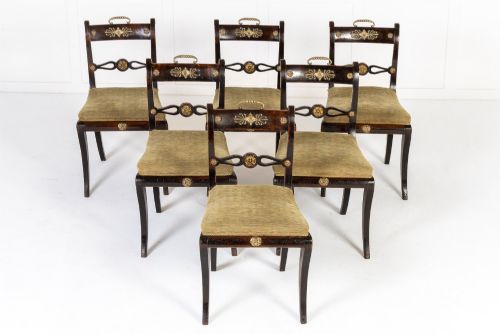
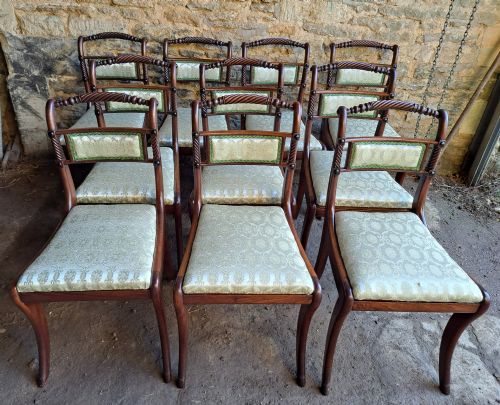
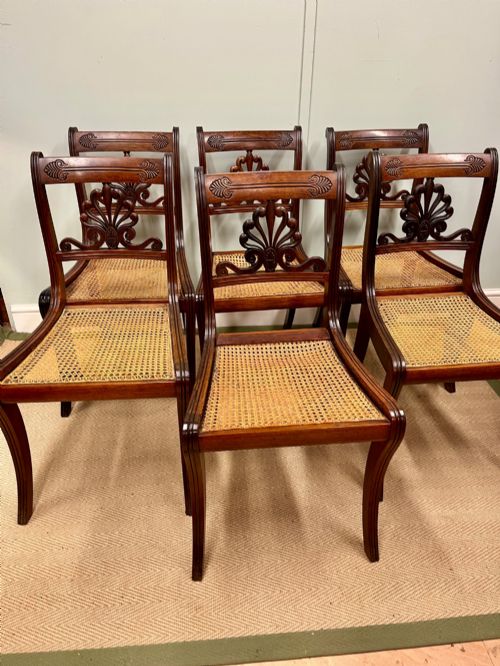
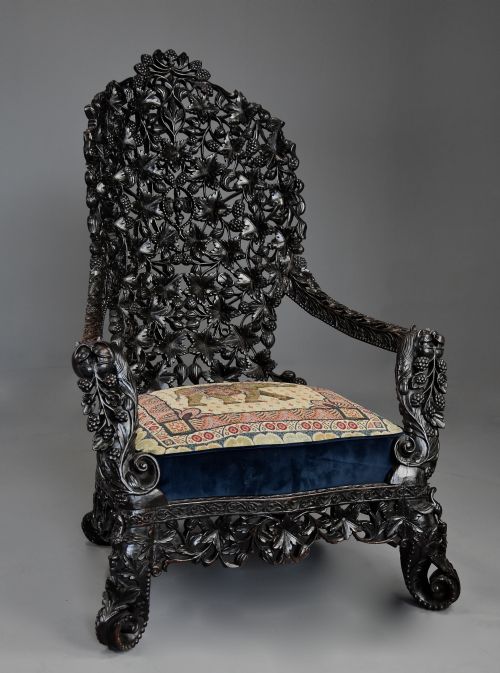
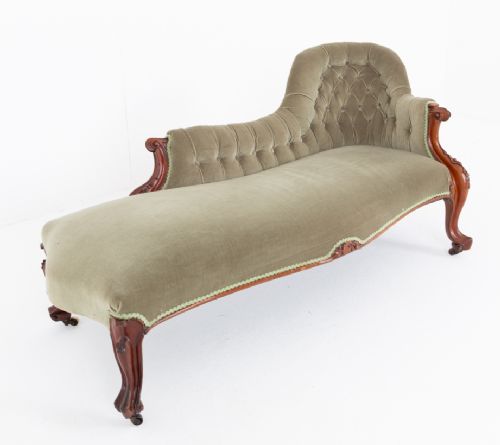
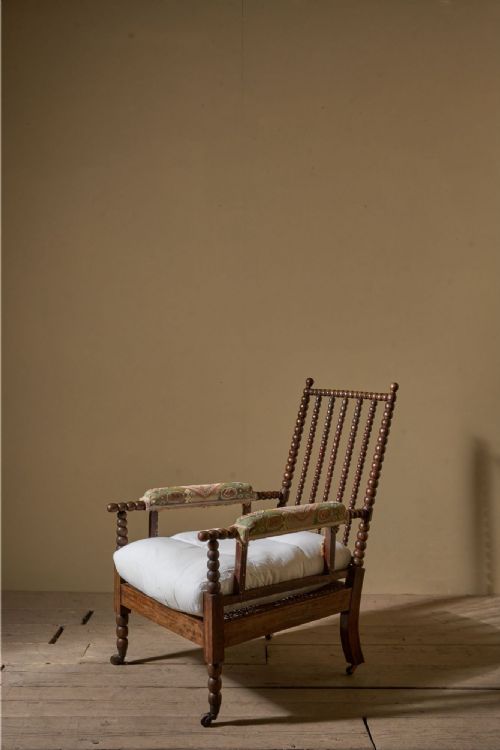
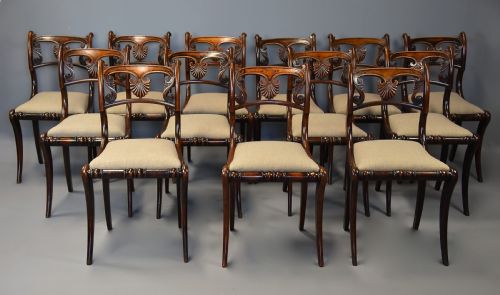
Dining chairs often appear in matched sets of four, six, or eight, while library armchairs and tub chairs survive individually or in pairs. Occasional forms such as chaise longues, piano stools, and bobbin chairs also emerge from British, French, and Anglo-Indian workshops.
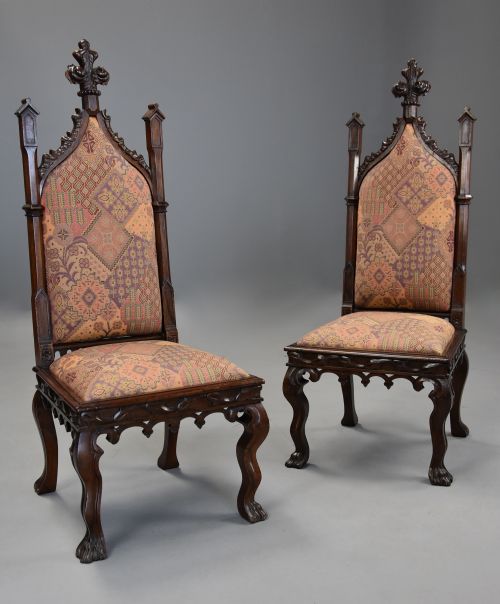
Stylistic influences range from classic Regency restraint to ornate Victorian Rococo Revival, Gothic Revival, and William IV designs. Simulated or faux rosewood finishes appear frequently alongside solid timber frames.
How they were made
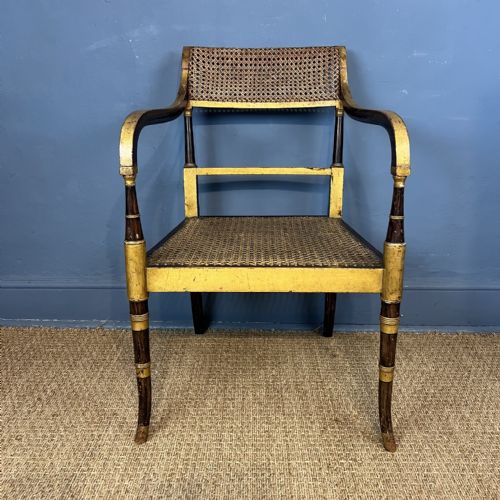
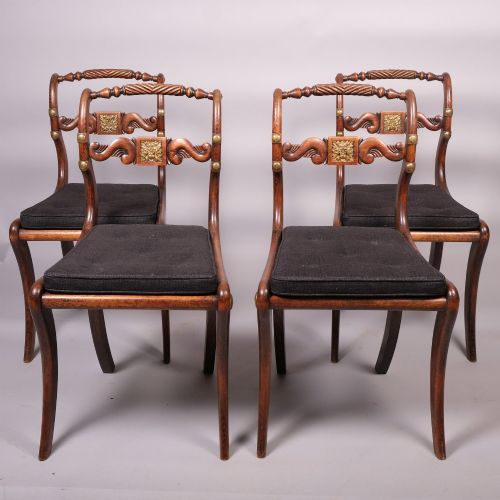
Cabinetmakers utilised dense solid rosewood or applied grain-painted finishes to create simulated rosewood surfaces on alternative timbers. Brass inlay, parcel gilding, and intricate carved details embellished the frames of higher-status commissions.
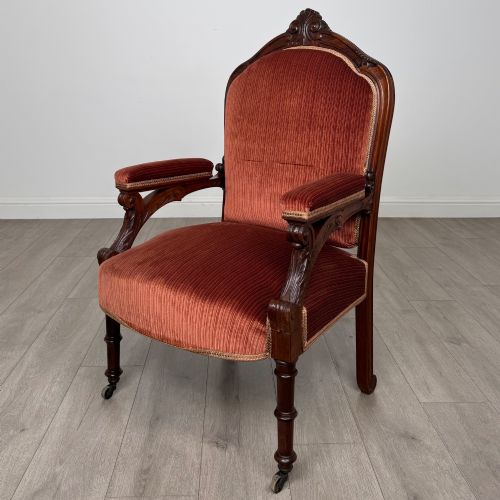
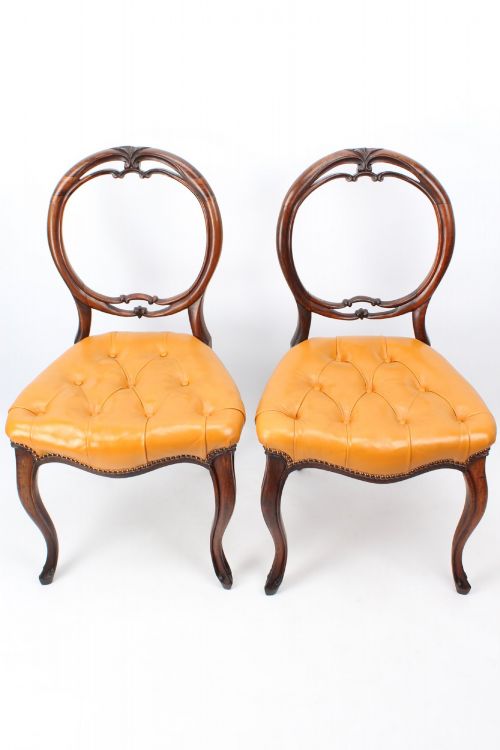
Upholstery techniques involved traditional stuffing secured with fabric, velvet, or textile coverings, sometimes incorporating buttoned backs. Caning provided a lightweight seating option for specific regional and climatic styles.
19th Century Rosewood Chairs Retail Price Guide 2026
Typical asking prices for 19th century rosewood chairs among the pieces listed under this phrase on Sellingantiques today, from the lower quarter to the upper quarter. They describe what is for sale here now, not the wider market.
Listings feature 19th century rosewood chairs spanning Regency, William IV, Victorian, and Gothic Revival styles.
What varies in quality
The standard of carving and the crispness of applied brass work distinguish exceptional examples from standard production pieces. Timber selection dictates visual depth, with well-figured grain and deep natural patination commanding greater attention.
Structural integrity depends on the original joinery methods and the survival of matching sets without replacement components. The cohesion of design details, such as cabriole legs or barley twist turnings, reflects the original maker's skill.
W.A. Willcocks·Gillows·J. Herbert McNair
The 19th Century Rosewood Chairs Glossary
- Rosewood
- A dense, heavily figured tropical hardwood prized for its dark grain and ability to take a fine polish. It served as a primary material for high-status seating throughout the period.
- Simulated rosewood
- A painted or grain-gilded finish applied to a secondary timber to imitate the appearance of genuine rosewood. This technique allowed makers to achieve an expensive look at a lower cost.
- Parcel gilt
- A decorative method where specific carved or moulded portions of a wooden frame receive a gold leaf application while the rest remains natural or painted. It highlights architectural details on Regency designs.
- Balloon back
- An oval or rounded upholstered chair back popular during the Victorian era. The curved top rail resembles the outline of a hot air balloon.
- Bobbin chair
- A turned seating form constructed from cylindrical wooden segments resembling spools or bobbins. This style appeared frequently in mid-century vernacular and artistic interiors.
- Chaise longue
- An elongated upholstered seating unit designed for reclining, combining elements of a chair and a day bed. These pieces typically feature a single scrolled end and solid timber framing.
19th Century Rosewood Chairs: Frequently Asked Questions
How do I identify Regency rosewood chairs?
Regency examples often display classical proportions, sabre legs, and occasional brass inlay or parcel gilt accents. The overall aesthetic leans toward restraint and archaeological revival styles.
Simulated rosewood finishes also appear frequently from this period, mimicking the dense grain using painted techniques on alternative timbers.
Were these chairs used for dining?
Large sets of dining chairs formed a major part of 19th-century production, frequently appearing in groups of four, six, eight, or more. They were built to accompany extending dining tables in formal houses.
Individual pieces and smaller pairs served as side chairs or library seating rather than permanent dining furniture.
What is the difference between solid and simulated rosewood?
Solid rosewood utilises the natural tropical hardwood throughout the structural frame, displaying authentic grain and heavy weight. Simulated rosewood involves painting or graining a cheaper base timber to replicate that appearance.
Both methods were common during the 19th century depending on the budget and commission requirements.
How should I care for antique rosewood furniture?
Keep wooden frames away from direct sunlight and sudden temperature shifts to prevent timber splitting or fading. Maintain stable indoor humidity levels to protect both the solid wood and any historic upholstery.
Dust regularly with a soft cloth and avoid abrasive modern chemical polishes that can damage the aged patina.