

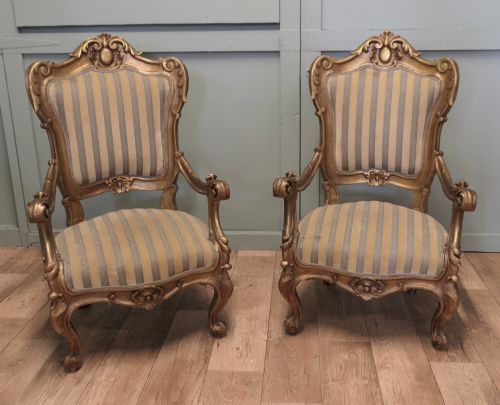
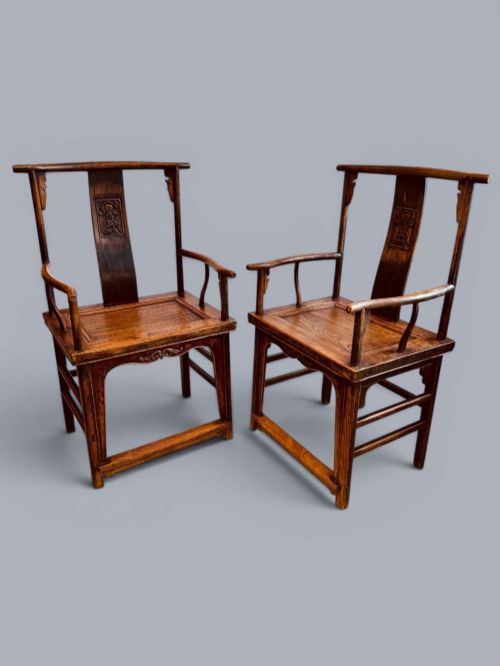
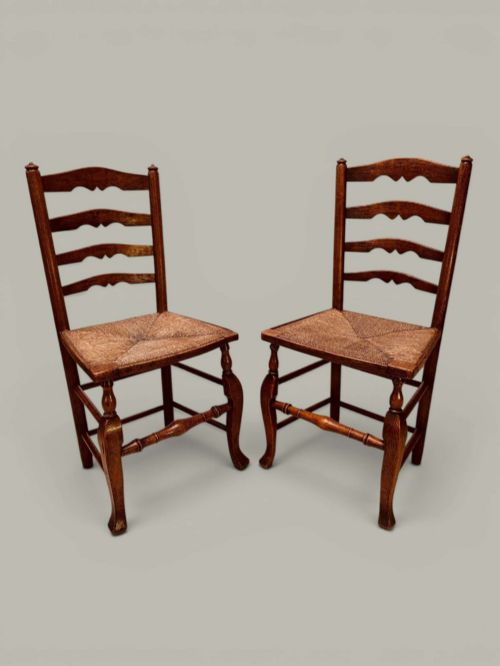
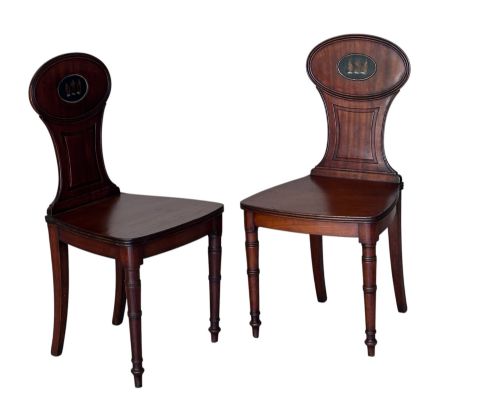

Antique Seating Pair
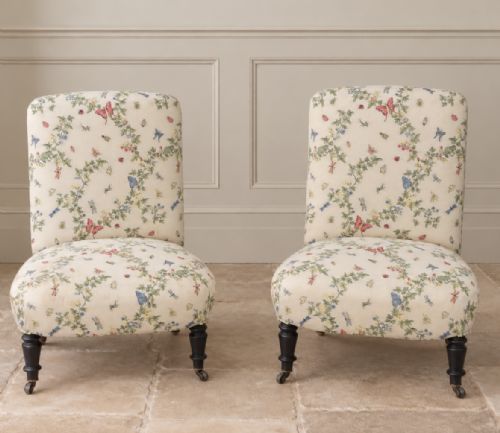
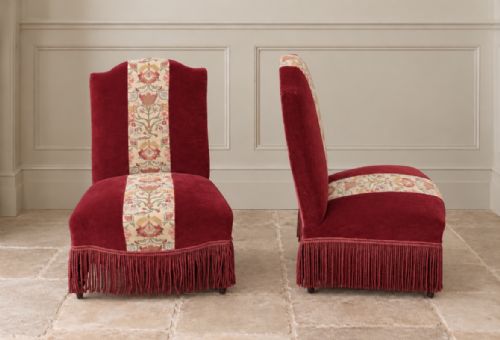
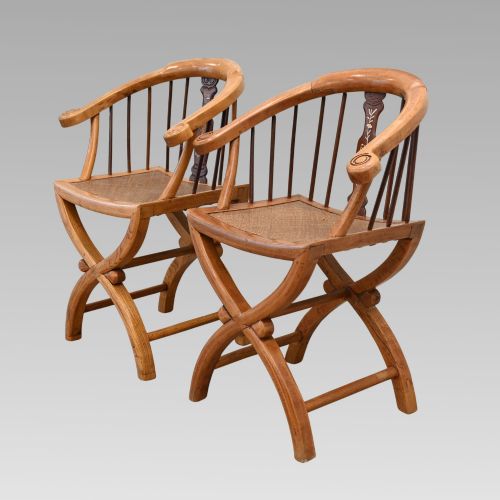
These antique seating pair options bring balanced proportion and period character into a room.
Antique Seating Pair
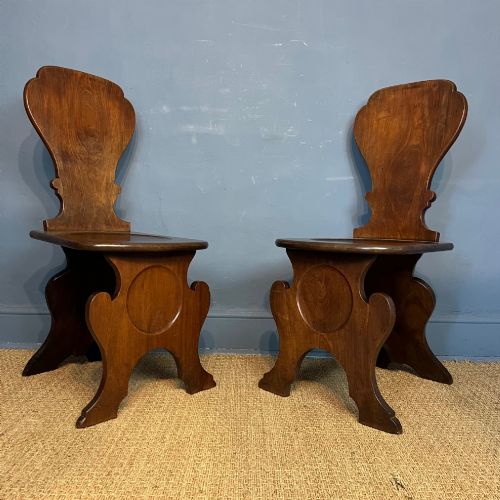
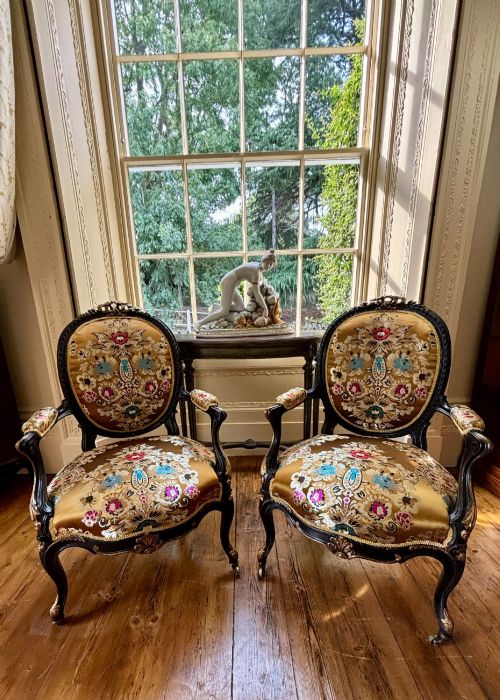
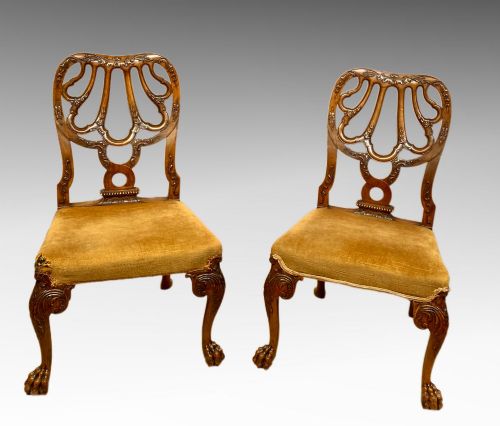
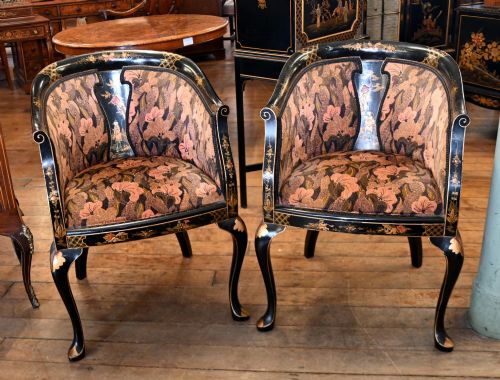
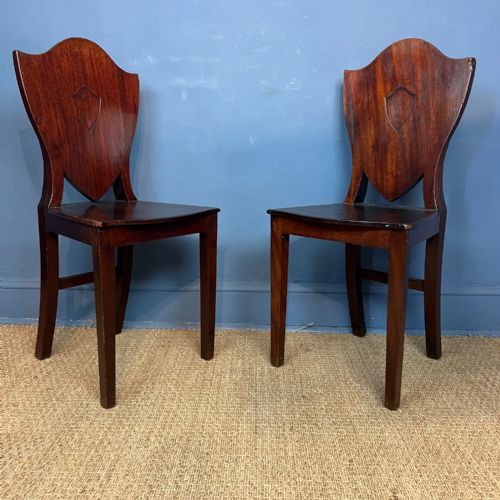
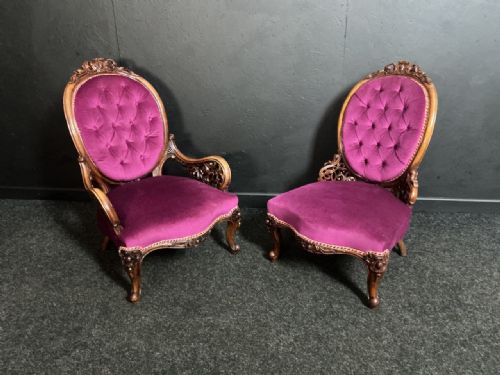
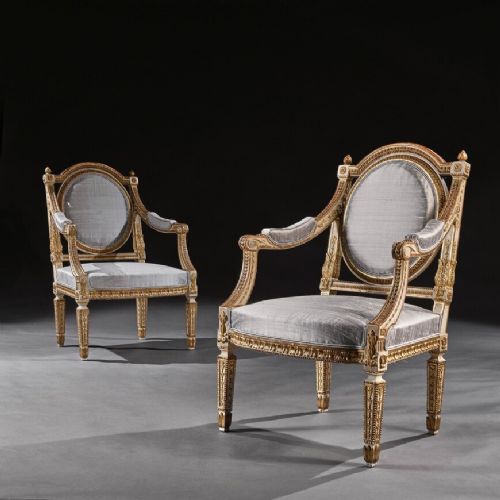
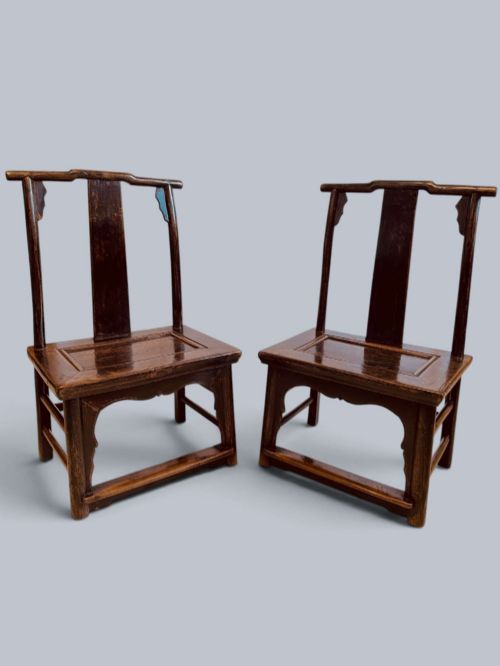
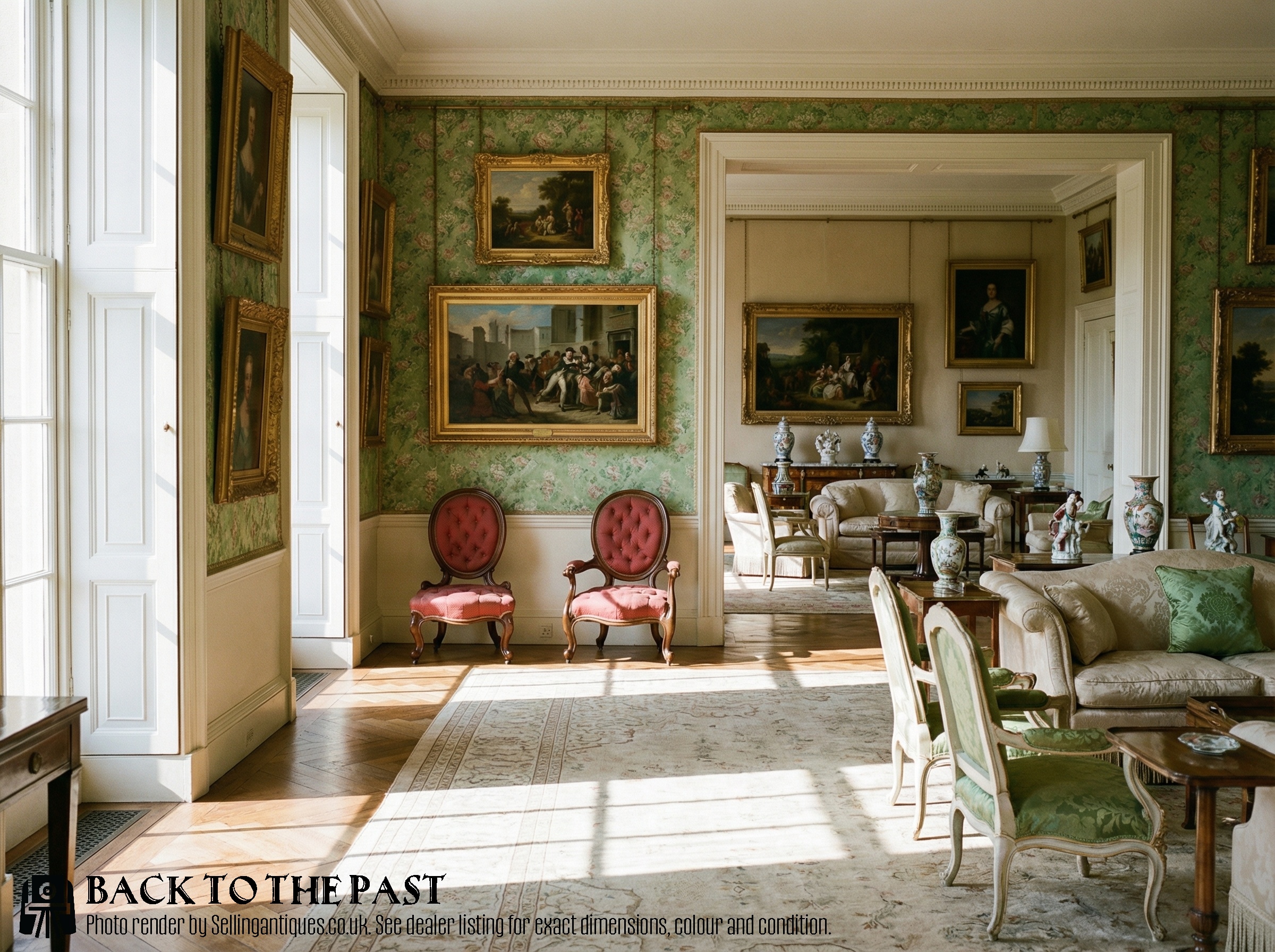
An antique seating pair offers matched companionship for a fireside, hallway or dining table, drawn from periods spanning the seventeenth century through to the art deco era. You will frequently encounter dining chairs, armchairs, and hall chairs constructed in woods such as mahogany, walnut, oak, and elm.
The selection ranges from formal walnut Queen Anne side chairs and Regency painted pine chairs to sturdy elm Windsor kitchen chairs and French bergere tub armchairs. Matching pairs survive in various forms including nursing chairs, garden benches, and club chairs.
Makers and materials reflect the domestic and formal interiors of their respective decades, utilising textiles, leather, and cane alongside solid timber frames.
Materials and construction methods
Timbers such as Cuban mahogany, walnut, oak, satin birch, and elm form the structural frames, often shaped with carved details or left in original paint.
Upholstered versions incorporate leather, fabric, textile, and split cane panels, supported by traditional joinery and brass hardware.
Antique Seating Pair Retail Price Guide 2026
Typical asking prices for seating pair among the pieces listed under this phrase on Sellingantiques today, from the lower quarter to the upper quarter. They describe what is for sale here now, not the wider market.
Listings include timber frames in mahogany, walnut, oak, and elm alongside upholstered finishes in leather, fabric, and cane.
Distinctions in quality
Quality rests upon the crispness of timber carving, the integrity of the original frame construction, and the preservation of surface finishes such as early paint or patinated polish.
The degree of matched grain, authentic upholstery materials, and documented maker labels elevate certain examples above standard domestic seating.
Charles Tozer·W.A. Willcocks·Whytock & Reid
The Antique Seating Pair Glossary
- Bergere
- An enclosed upholstered armchair with wooden framing, often featuring cane work to the sides and back. This French form dates back to the eighteenth century.
- Hall chair
- A rigid wooden seat intended for entrance halls, typically un-upholstered with a high carved or painted back bearing family crests or motifs.
- Windsor
- A traditional wooden chair built with a solid saddle-shaped seat into which the legs and spindles of the back are wedged directly. Common variants include wheelback and lathback designs.
- Parcel-gilt
- A decorative technique where specific carved details on a wooden frame are partially covered with gold leaf. It highlights structural ornaments against painted or polished timber.
Antique Seating Pair: Frequently Asked Questions
How do I identify a matched pair?
Examine the timber grain, tool marks, and exact dimensions to confirm both pieces share identical construction methods and origin.
Slight variations in hand-carved details often indicate authentic period production rather than modern machine replication.
Where should I place these chairs?
Armchairs and club chairs suit living spaces and libraries, while hall chairs and side chairs anchor narrow corridors or bedroom corners.
Placing them symmetrically enhances architectural balance in a traditional interior layout.
Are original painted finishes fragile?
Original painted surfaces require stable indoor humidity and protection from direct sunlight to preserve the historic pigment layers.
Gentle dusting with a dry cloth maintains the surface without disturbing the underlying patina.
Can antique chairs handle daily use?
Sturdily built hardwood frames in oak, mahogany, or elm withstand regular seating if joints remain tight and stable.
Checking the underframe stability ensures safe everyday use in modern settings.