
Mid Victorian Chairs
Mid victorian chairs bring solid nineteenth-century craftsmanship into a modern interior through sturdy timbers and varied upholstery.
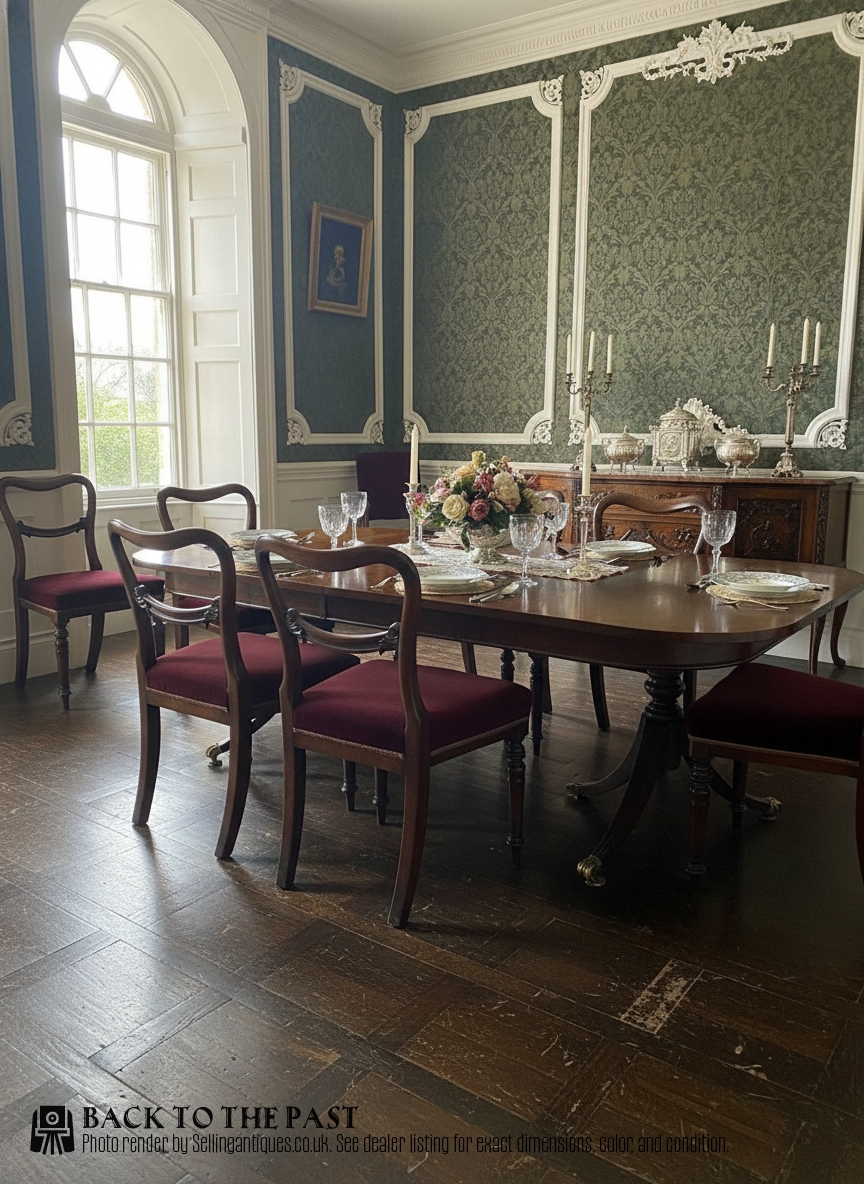
Mid Victorian Chairs
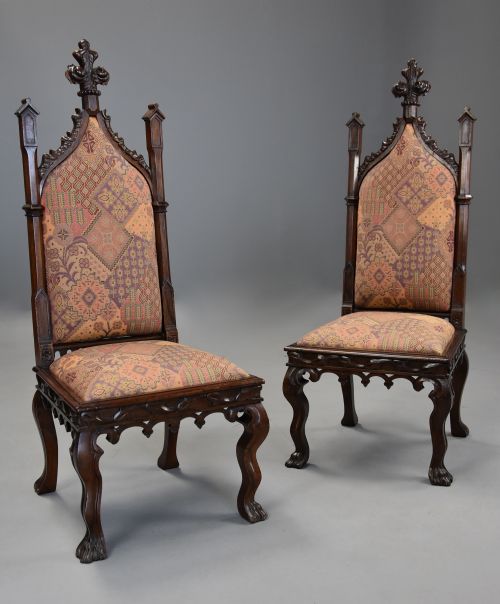
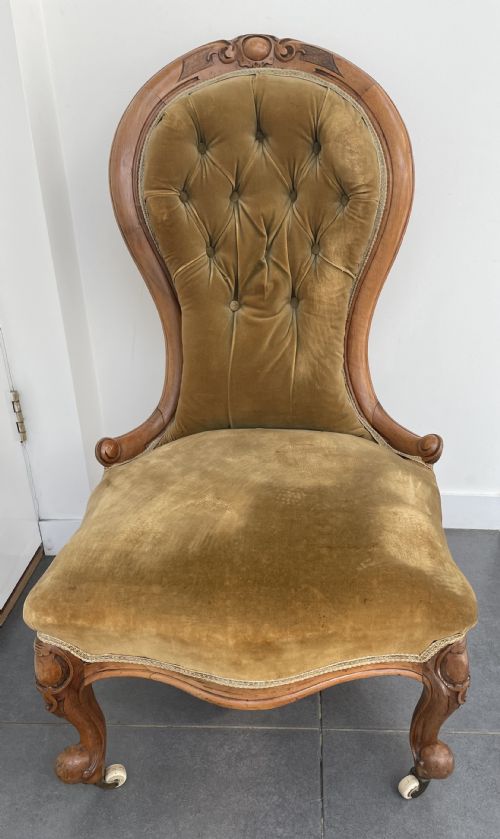
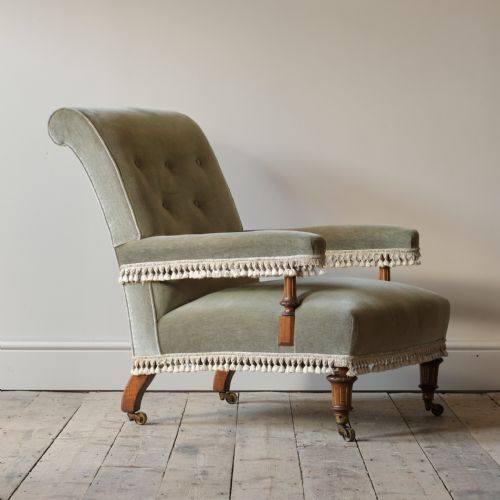
Mid victorian chairs encompass a broad selection of seating forms created during the middle decades of the nineteenth century. Buyers searching for mid victorian chairs encounter numerous configurations, from dining sets to dedicated library and nursing seats.
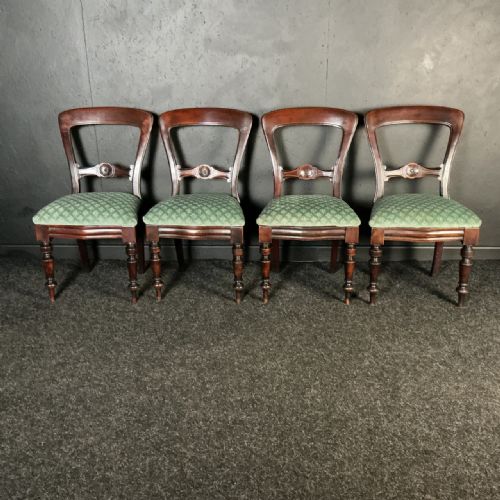
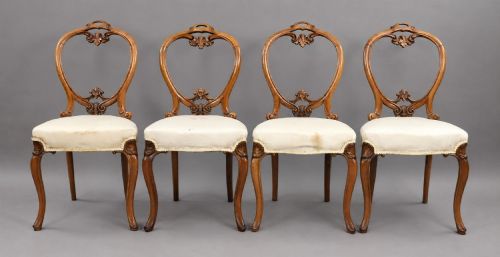
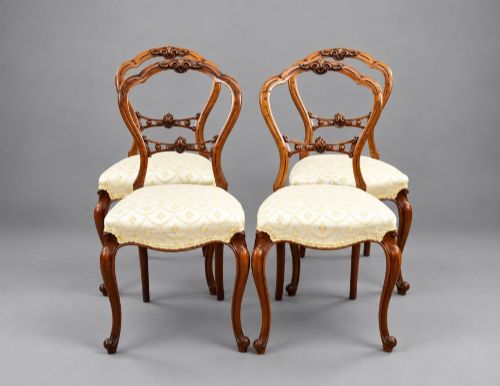
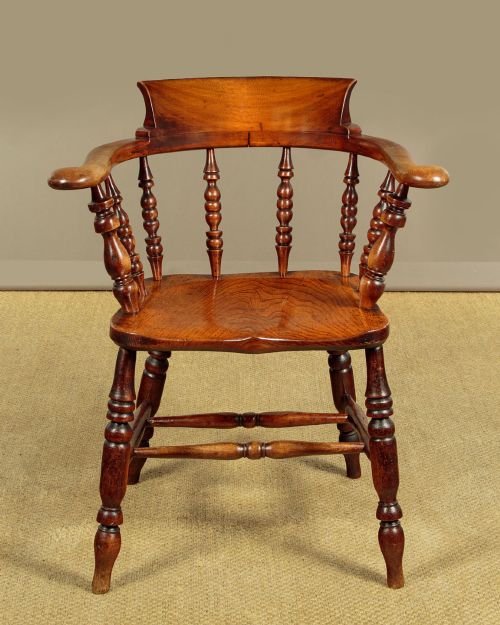
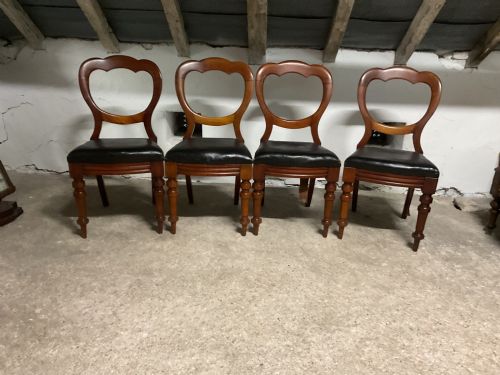
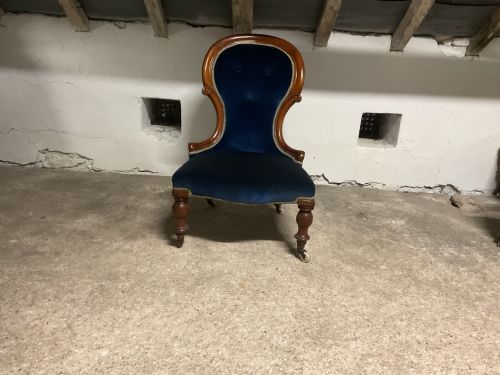
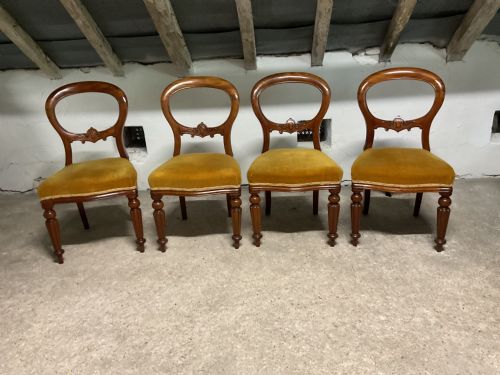
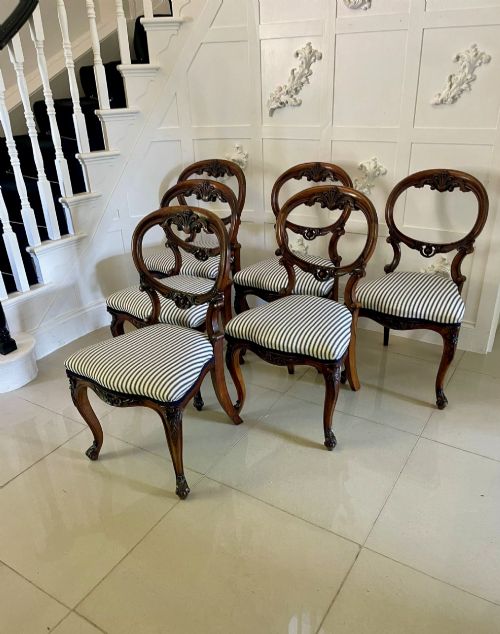
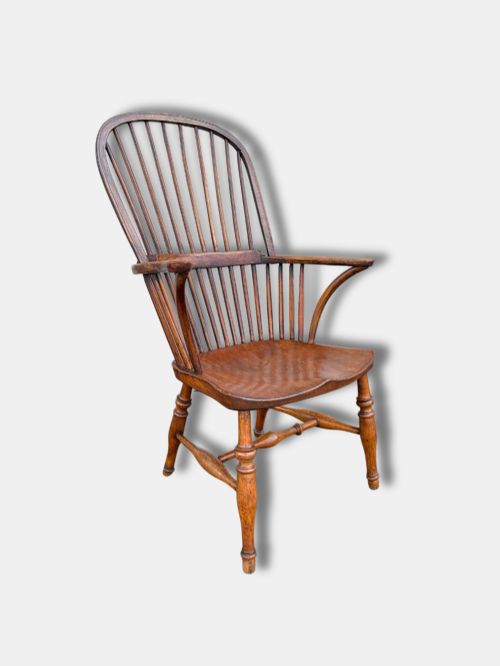
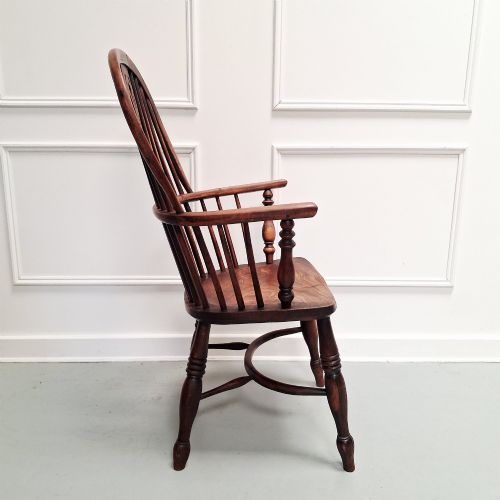
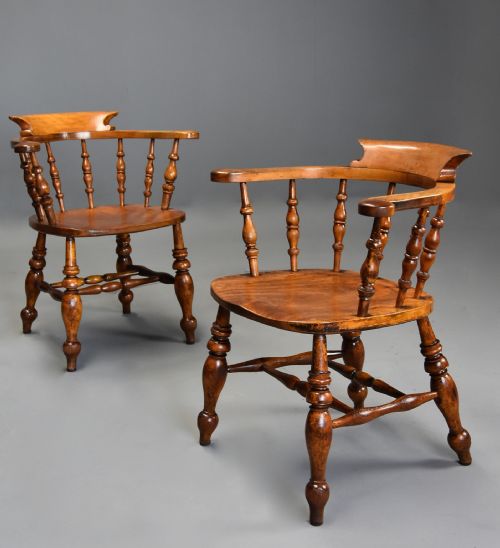
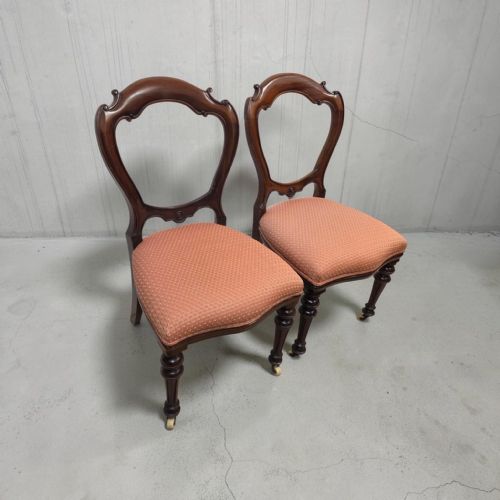
The most common examples on this page are walnut balloon back dining chairs and robust elm or ash Windsor armchairs. Alongside these domestic standards appear specialised forms like campaign chairs, hall chairs, and low parlour seating.
Origins span formal English cabinet makers, provincial farmhouse workshops, and occasional colonial or channel island variations. Each piece reflects the functional requirements of nineteenth-century domestic life, whether intended for a grand dining room or a modest bedroom.
Materials and construction
Cabinet makers relied heavily on dense hardwoods such as mahogany, walnut, and rosewood for formal reception furniture, often shaping them into flowing curves and balloon backs. Regional chair makers utilised native timbers like elm, ash, and yew, turning spindles and steaming components for sturdy Windsor and kitchen designs.
Upholstery techniques involved traditional stuffing applied over webbing and springs, finished with durable fabrics, velvet, leather, or cane seats. Brass fittings frequently reinforced campaign pieces, while carved details and applied veneers added decorative depth to walnut and mahogany frameworks.
Mid Victorian Chairs Retail Price Guide 2026
Typical asking prices for mid victorian chairs among the pieces listed under this phrase on Sellingantiques today, from the lower quarter to the upper quarter. They describe what is for sale here now, not the wider market.
Some nineteenth-century smokers bow chairs retain a wonderfully glossy patina acquired from decades of tavern use.
Judging the standard
Quality rests upon the selection of timber and the crispness of carved or turned details. Solid, well-figured walnut and finely grained mahogany elevate a piece far above utilitarian alternatives.
Proportion and structural integrity define the superior examples. A balanced frame with tight joinery and original patination distinguishes exceptional workshop output from routine domestic seating.
Gillows·Howard and Sons·W A Willcocks·J Spencer
The Mid Victorian Chairs Glossary
- Balloon back
- A rounded, oval-shaped chair back resembling an inflated balloon, characteristic of many Victorian dining seats.
- Smoker's bow
- A low-backed Windsor armchair with a continuous curved arm rail, popular in nineteenth-century smoking rooms and offices.
- Campaign chair
- Portable folding or dismantlable seating designed for travel and military use during the Victorian era.
- Fauteuil
- An open-armed wooden-framed armchair originating in France, occasionally adapted in mid-nineteenth-century English reception rooms.
- Papier-mâché
- A moulded composite material made from paper pulp and binder, used to form lightweight decorative chair components.
Mid Victorian Chairs: Frequently Asked Questions
How do I care for antique upholstery?
Protect antique textiles by keeping them out of direct sunlight and using gentle brush attachments for regular cleaning.
Avoid liquid cleaners on vintage fabrics and leather to preserve the original nineteenth-century materials.
Were these chairs used at dining tables?
Many of these pieces served as formal dining seating, particularly walnut and mahogany sets with balloon backs.
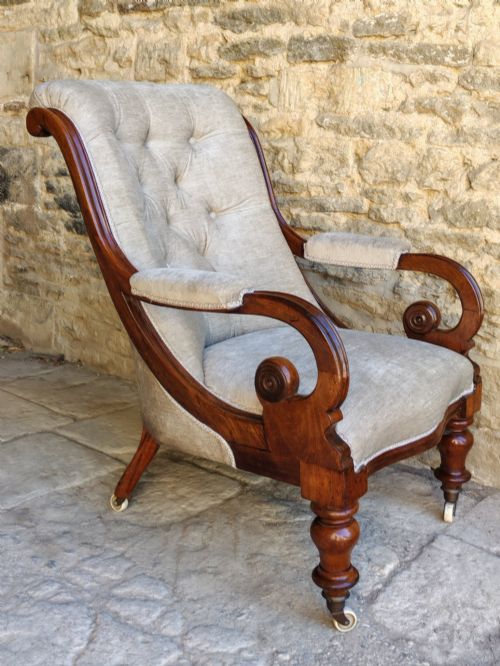
Smaller side chairs and armchairs were also designed for bedrooms, libraries, and occasional parlour use.
How can I tell a Windsor chair's origin?
Regional Windsor chairs display distinct turning patterns and timber choices, such as Thames Valley ash and elm combinations.
Maker stamps or stamps on the underside occasionally provide direct evidence of the workshop or individual maker.
Can I mix different wood tones together?
Victorian interiors frequently combined various dark timbers, allowing walnut, mahogany, and rosewood pieces to sit comfortably in one room.
Matching the general period style matters more than securing an identical wood species across all seating.