

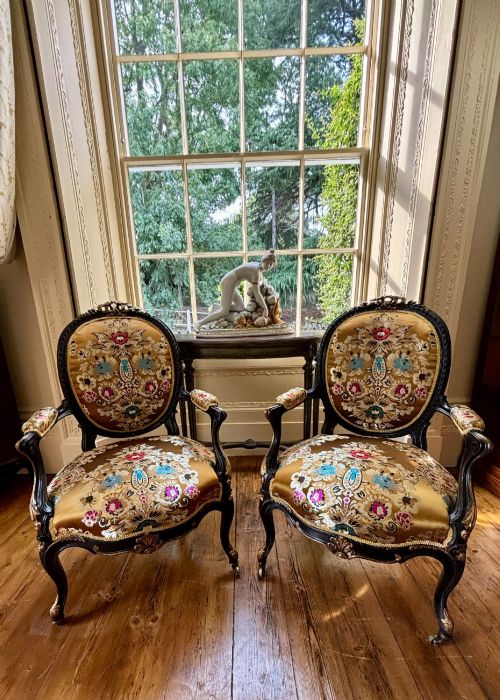
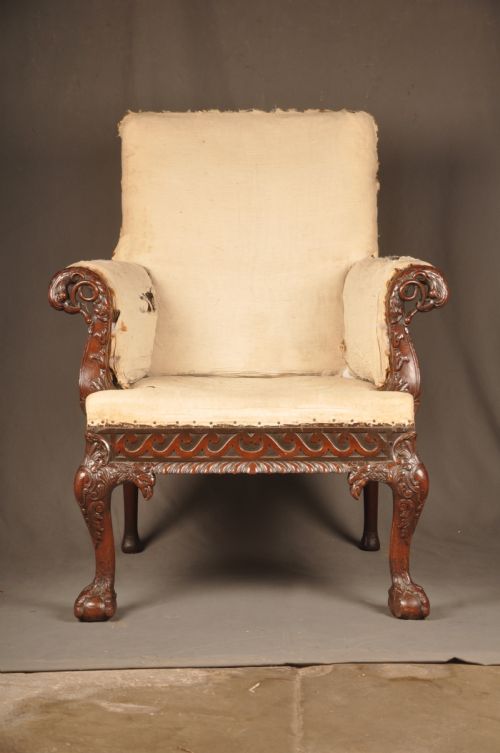
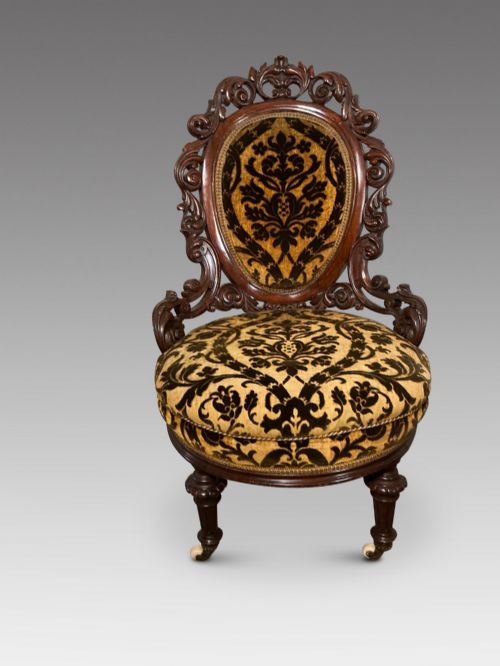
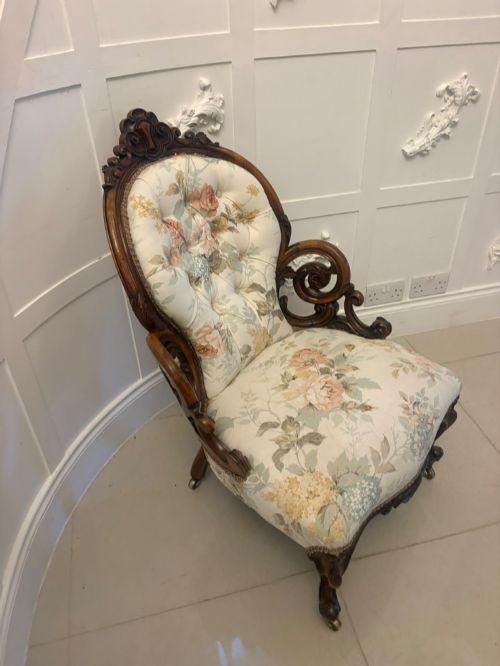
Victorian Carved Chair
When you search for a victorian carved chair, you uncover heavy timber frames and intricate relief work designed for nineteenth-century interiors.
Victorian Carved Chair
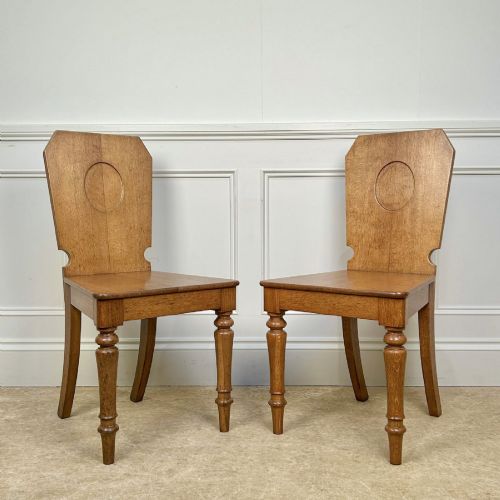
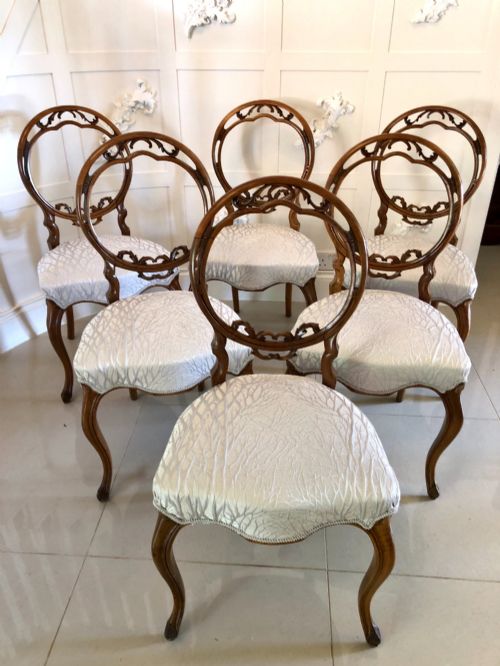
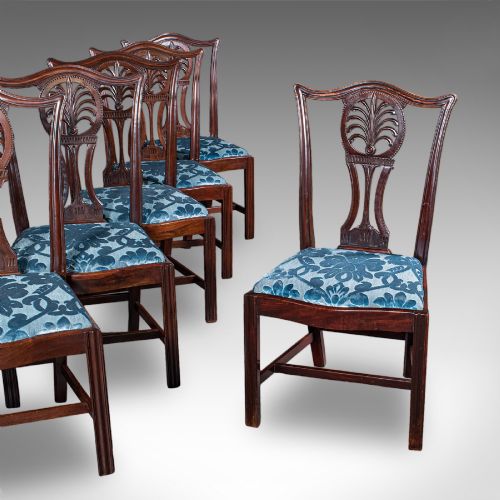
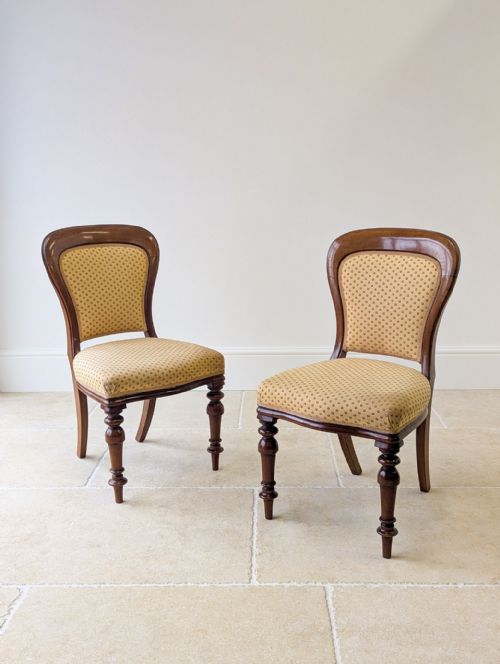
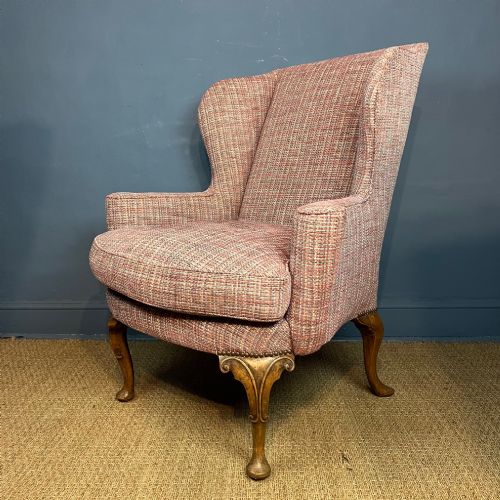
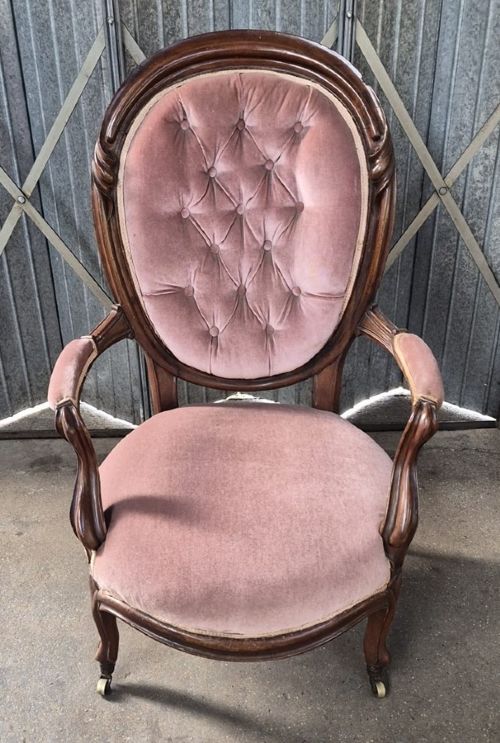
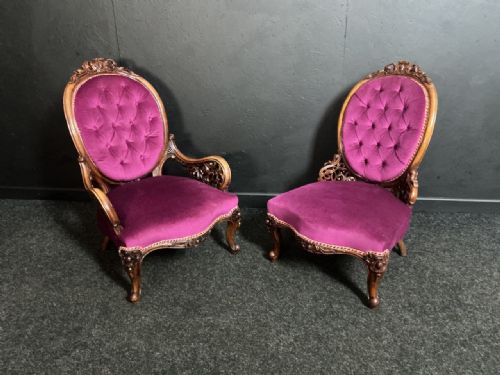
A victorian carved chair encompasses various forms built across the nineteenth century, ranging from dining seats to library armchairs. The most common varieties appearing here include walnut and mahogany balloon back dining chairs alongside robust oak hall chairs.
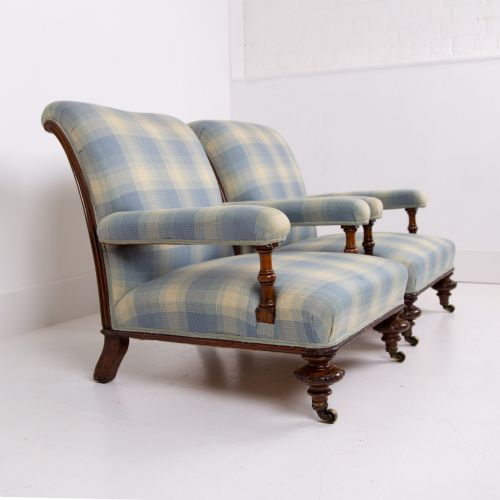
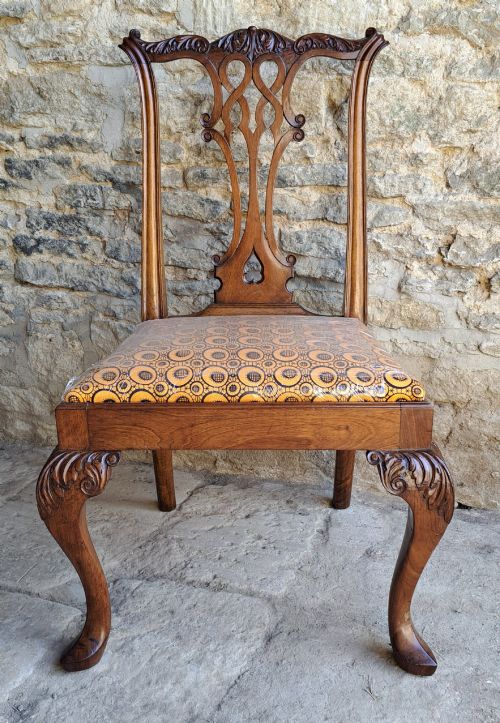
Makers of the period drew upon diverse influences, producing pieces in Gothic Revival, Rococo Revival, and Chippendale styles. Buyers also encounter specialised seating such as nursing chairs, low prie-dieu prayer seats, and swivel desk chairs.
Origins span English workshops as well as regional Scottish and continental centres, often utilising native timbers alongside imported hardwoods. These varied forms reflect both formal reception rooms and everyday domestic spaces.
Materials and construction
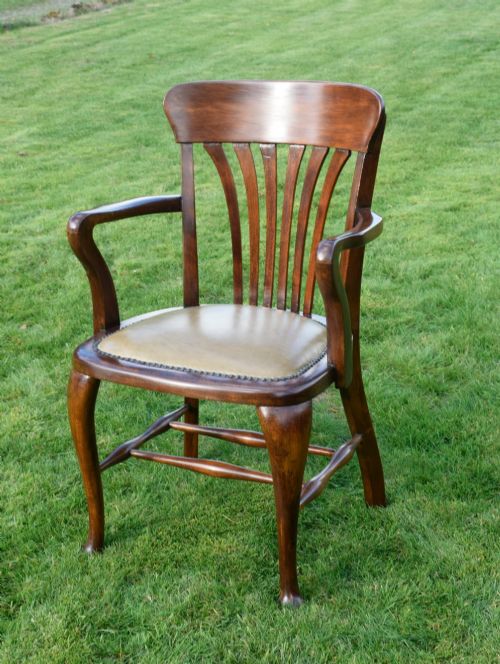
Cabinetmakers predominantly selected solid mahogany and walnut for high-status seating, utilising their dense grain to support deep, crisp hand-carving. Sturdier utilitarian forms like kitchen and Captain's chairs relied on native elm, ash, and oak timbers.
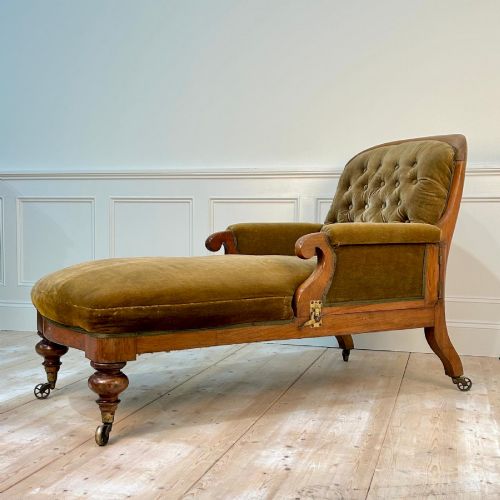
Joinery methods combined traditional mortise and tenon joints with steam-bent components for curved elements such as balloon backs and rail frames. Upholstered variants incorporated horsehair stuffing secured over coil springs, finished with leather, tapestry, or silk velvet coverings.
Victorian Carved Chair Retail Price Guide 2026
Typical asking prices for victorian carved chair among the pieces listed under this phrase on Sellingantiques today, from the lower quarter to the upper quarter. They describe what is for sale here now, not the wider market.
Listings demonstrate that walnut and mahogany remained the premier choice for formal Victorian dining furniture throughout the nineteenth century.
Markers of excellence
Superior examples distinguish themselves through the depth and crispness of the hand-carved ornamentation, where foliate scrolls and ribbons show sharp relief without softening. Lesser execution appears shallow, flat, and mechanically finished.
Structural integrity separates utilitarian output from premier workshop production, evident in the choice of timber thickness and the rigidity of the frame joints. Fully original upholstery foundations and documented maker stamps elevate particular seating well above standard domestic variants.
Howard and Sons·Jennens and Bettridge·Turner and Son
The Victorian Carved Chair Glossary
- Balloon back
- A rounded, oval-shaped open backrest resembling a balloon, frequently seen on mid-nineteenth-century dining chairs. This form gained immense popularity across Britain during the Victorian era.
- Gothic Revival
- An architectural and decorative style drawing on medieval ecclesiastical motifs like pointed arches and tracery. It heavily influenced nineteenth-century oak and walnut hall seating.
- Prie-dieu
- A low devotional chair featuring a high, narrow back designed to support kneeling prayers. They are typically upholstered in rich tapestry or needlepoint fabrics.
- Sgabello
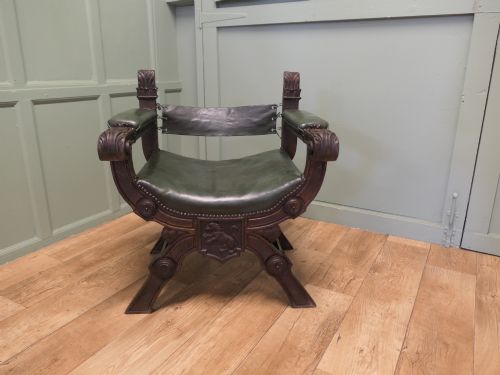
- A rigid wooden hall chair featuring solid trestle supports rather than conventional legs. Originating in the Renaissance, this form saw revival popularity during the nineteenth century.
- Tapisserie
- Woven or needlepoint textile used for upholstery on formal nineteenth-century seating. These coverings often display floral or figurative patterns.
Victorian Carved Chair: Frequently Asked Questions
How do I identify a Victorian dining chair?
Examine the timber species and the profile of the backrest, which often takes a balloon or shield form characteristic of mid-nineteenth-century production. Look for hand-carved foliate details rather than pressed composition ornament.
Check beneath the seat rails for workshop stamps, pencil signatures, or retailer labels. Original corner blocks and traditional joinery also point securely to the period.
Were these chairs used in every room?
Different seat forms served distinct domestic functions across the Victorian household. Heavy oak hall chairs furnished entranceways, while walnut balloon back chairs surrounded formal dining tables.
Low nursing chairs belonged in bedrooms, and sturdy elm Captain's chairs equipped studies or offices. Each form matched the specific social rituals of nineteenth-century life.
Can I use antique seating every day?
Solid mahogany and walnut frames easily withstand daily domestic use provided the structural joints remain tight and secure. Routine checks on the glue and tenons prevent long-term loosening.
Avoid placing antique timber directly beside modern radiators, as dry heat causes wood to shrink and split. Regular waxing preserves the original polish against accidental moisture.
How should I care for Victorian upholstery?
Vacuum textile surfaces gently with a soft brush attachment to remove abrasive dust from the woven pile. Keep delicate velvet and tapestry coverings out of direct sunlight to prevent fading.
Leather armchairs benefit from periodic treatment with appropriate conservation balms to maintain flexibility. Professional cleaning is recommended for historical horsehair stuffings.