




Brown Oak Chair
A brown oak chair brings deep timber character to a room, spanning styles from Victorian Gothic Revival to Arts and Crafts.

Understanding the brown oak chair
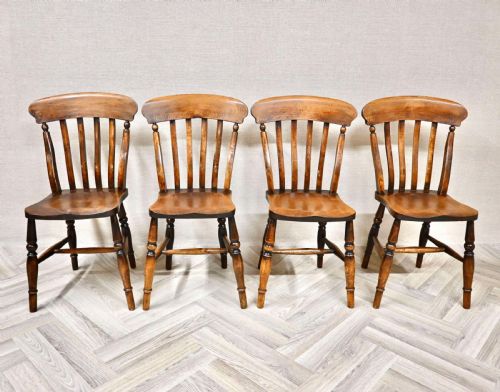
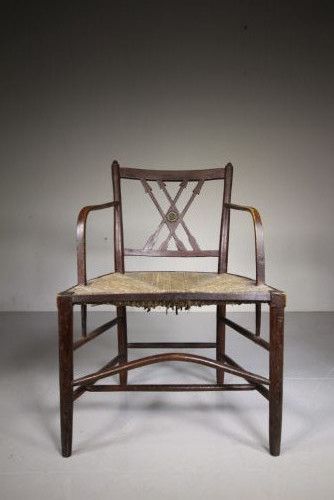
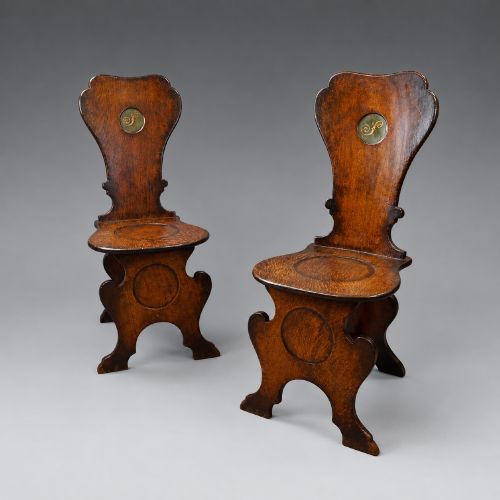
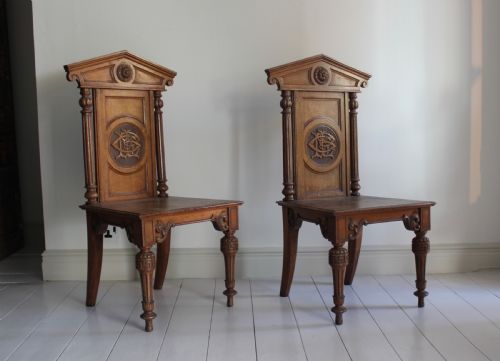
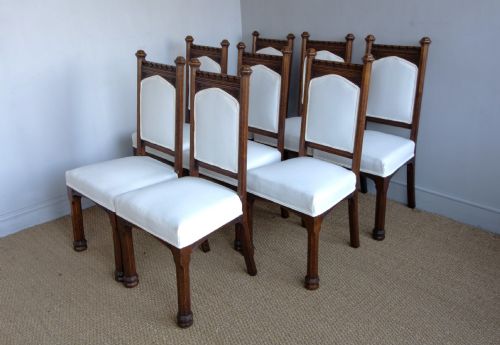
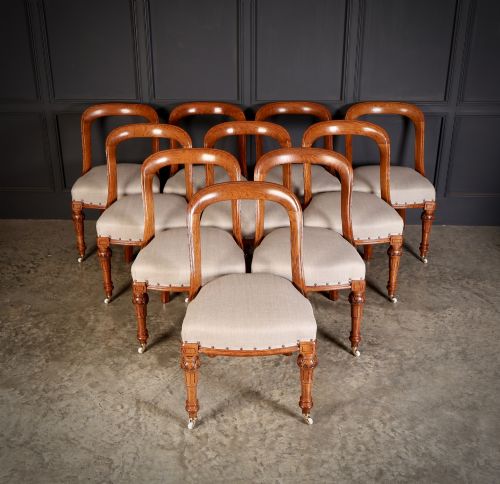
A brown oak chair appears in various forms across our listings, including desk chairs, armchairs, and hall chairs. These pieces emerge from periods such as the eighteenth century, Victorian era, nineteen-hundreds, and nineteen-thirty.
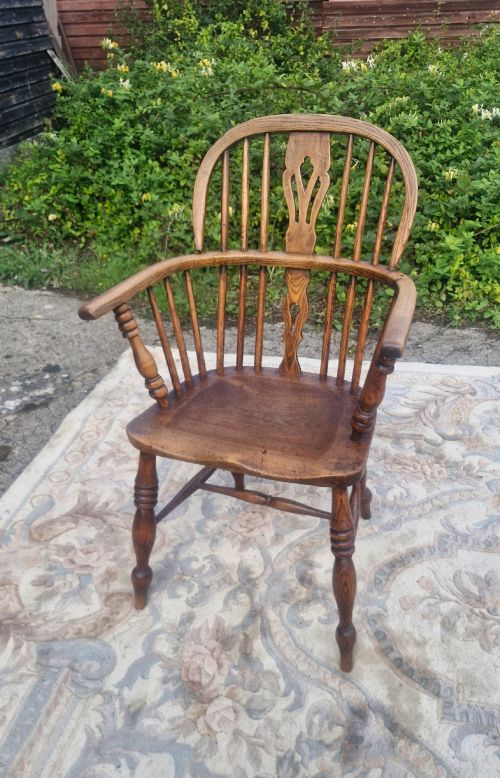
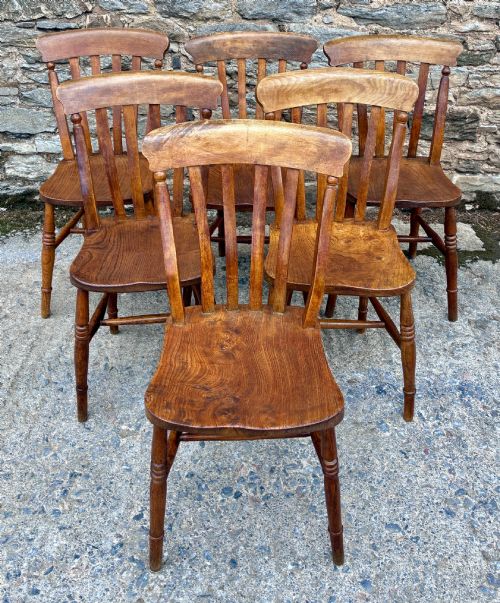
Buyers frequently encounter office desk chairs upholstered in brown leather alongside solid oak armchairs and country styles. The selection ranges from child-sized wainscot and Windsor models to large library club chairs.
Materials and construction
Craftsmen built these pieces primarily using solid oak timber, frequently pairing the wood with brown leather upholstery. Decorative brass studs often secure the leather edging on desk and library armchairs.
Makers utilised traditional joinery and turning techniques, as seen in turned oak chairs from the nineteenth century. Structural integrity relies on sturdy framing designed to support daily seating use.
Retail Price Guide 2026
Typical UK retail prices for brown oak chair, calculated from the Sellingantiques database of over a million retail prices indexed since 2003. This retail price guide relies exclusively on Sellingantiques data; no external sources or auction records are used, so the figures do not describe the wider market.
Several miniature chairs wait patiently for very small Victorians.
Judging quality in brown oak
Quality rests in the depth of the timber grain and the integrity of the original construction. Solid oak frames that retain their structural firmness demonstrate superior initial manufacture.
The integration of secondary materials, such as well-fitted brass studwork and durable leather upholstery, distinguishes finer desk and library models from simpler utilitarian seating.
The Brown Oak Chair Glossary
- Solid Oak
- Timber used in its natural state for framing and panels rather than as a surface veneer. This material provides heavy structural strength to antique seating.
- Gothic Revival
- A design style drawing inspiration from medieval architecture and pointed arches. Pieces from this movement often display dramatic carved details.
- Wainscot Armchair
- An early form of wooden armchair constructed with panelled backs and solid wooden seats. These heavy chairs date back to earlier centuries.
- Revolving Desk Chair
- A swivel seating form mounted on a central pivot mechanism. These pieces frequently incorporate leather pads for office use.
Frequently Asked Questions
How do I date a brown oak chair?
Dating relies upon examining construction methods, timber patination, and stylistic markers tied to specific eras like the Victorian period or the eighteenth century. Comparing the joinery against known period examples helps narrow down the decade.
Secondary materials such as brass studs and leather upholstery also offer clues to the manufacturing date. Office chairs often show mechanical innovations specific to the late nineteenth or early twentieth centuries.
What is a wainscot chair?
A wainscot chair is an early form of wooden armchair featuring solid panelled construction reminiscent of wall panelling. These heavy pieces typically have wooden seats and high backs.
They represent some of the earliest seating forms found in domestic interiors. Their sturdy build allowed them to survive centuries of use.
Were these chairs used in offices?
Many brown oak chairs were designed specifically for office and library environments. Revolving desk chairs with leather upholstery served as functional seating for professionals.
These models combined sturdy oak frames with comfortable padded seats for extended daily work. Swivel mechanisms allowed users to turn easily between desks and filing areas.
How do I care for leather upholstery?
Leather upholstery requires gentle cleaning and occasional conditioning to maintain its flexibility. Keeping the material away from direct heat sources prevents drying and cracking.
Original brass studs should be dusted carefully without harsh metal polishes. Preserving the leather maintains the historical character of office and library armchairs.