





Antique Thrown Chair
An antique thrown chair brings centuries of turned woodwork into a room, offering the robust joinery and rhythmic spindles that collectors prize.
Antique Thrown Chair
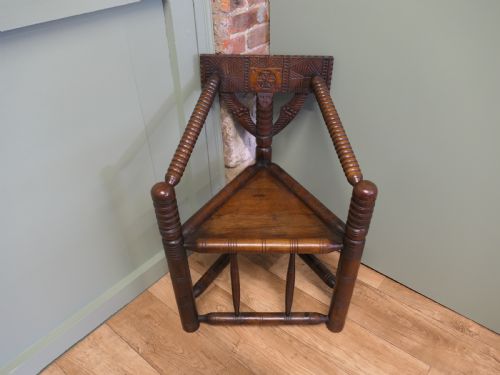
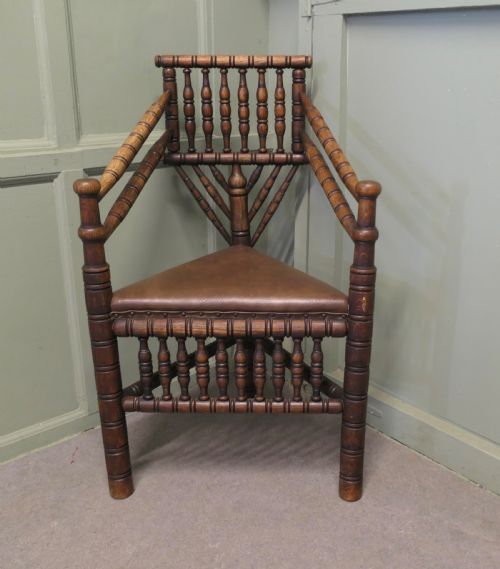
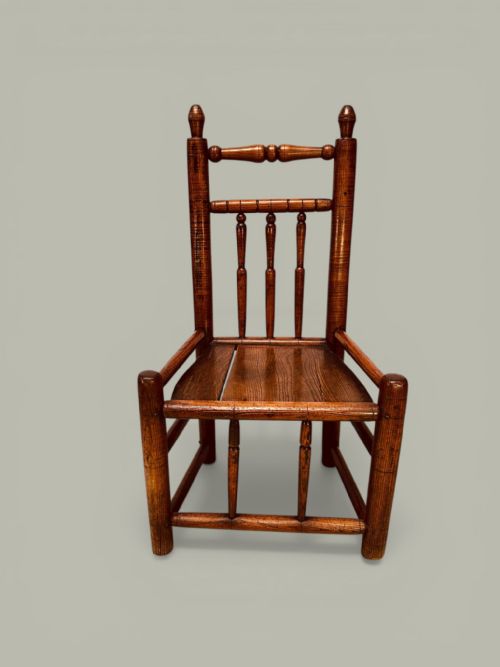
An antique thrown chair, often called a turner's chair, is a seating form constructed entirely from turned wooden spindles and members. These pieces date across several periods, with examples appearing from the seventeenth century through to the nineteenth century, including Victorian revivals.
The dominant forms on this page include armchairs, elbow seats, and pairs of side or accent chairs. Construction relies heavily on woods such as oak, ash, and beech, sometimes finished with paint or paired with leather elements.
Makers drew on specific stylistic revivals, notably the Victorian Gothic Revival and Saxon Revival, alongside seventeenth century vernacular traditions. Buyers encounter regional pieces, including Welsh examples and English interpretations of older designs.

Materials and turning techniques
Makers utilised native hardwoods such as English oak, ash, and beech, turning each structural post, rail, and spindle on a lathe before assembly. This method created rigid frameworks where interlocking turned components took the place of flat panels or upholstered frames.
Construction techniques relied on meticulous joinery, fitting turned stretchers and uprights together with precise pegs and tenons. The resulting geometry distributed weight evenly through the network of spindles, producing a stable seat without relying on bulky upholstery.
Antique Thrown Chair Retail Price Guide 2026
Typical asking prices for thrown chair among the pieces listed under this phrase on Sellingantiques today, from the lower quarter to the upper quarter. They describe what is for sale here now, not the wider market.
Sitting in a thrown chair offers a remarkably democratic experience, as you find yourself entirely supported by a forest of well-behaved wooden pins.
Judging quality and craftsmanship
Quality rests upon the crispness and complexity of the turning on the spindles and posts, which separates disciplined workmanship from simpler production. Pieces featuring intricate profiles on every structural member demonstrate greater skill by the maker.
The choice and condition of the timber also define the standard of a piece, with dense English oak or well-figured ash retaining sharper turnings over centuries. Original surfaces, such as early paint or aged patination on the wood, preserve the integrity of the object.
The Antique Thrown Chair Glossary
- Thrown chair
- A chair constructed entirely from turned wood components rather than joined flat boards. This traditional form takes its name from the lathe on which the parts were turned.
- Spindle
- A slender, turned rod of wood used repetitively to form the back or arms of a chair. These elements provide structural support while creating an open, decorative screen.
- Vernacular
- Objects made by local craftsmen for everyday use rather than high-style workshop production. These regional pieces often follow traditional patterns handed down through generations.
- Gothic Revival
- An architectural and decorative style popular during the Victorian era that reinterpreted medieval forms. In seating, this manifested in pointed arches, heavy proportions, and ecclesiastical detailing.
- Saxon Revival
- A nineteenth-century design movement inspired by early Anglo-Saxon artefacts and structures. It influenced the heavy turned framing seen in chairs styled after older Saxon models.
Antique Thrown Chair: Frequently Asked Questions
What is an antique thrown chair?
An antique thrown chair is a distinctive seating piece built entirely from turned wooden spindles, posts, and stretchers. These chairs derive their name from the pole lathe or foot lathe used to shape every structural component.
Craftsmen produced these designs across multiple centuries, ranging from seventeenth-century vernacular pieces to nineteenth-century Gothic and Saxon revivals. They serve as sculptural focal points in a room due to their intricate, repetitive woodwork.
How were antique thrown chairs used?
Historically, these chairs functioned as prominent seats of authority or status within a household, often reserved for the head of the house or important guests. Their rigid wooden construction meant they were built for upright posture rather than lounging.
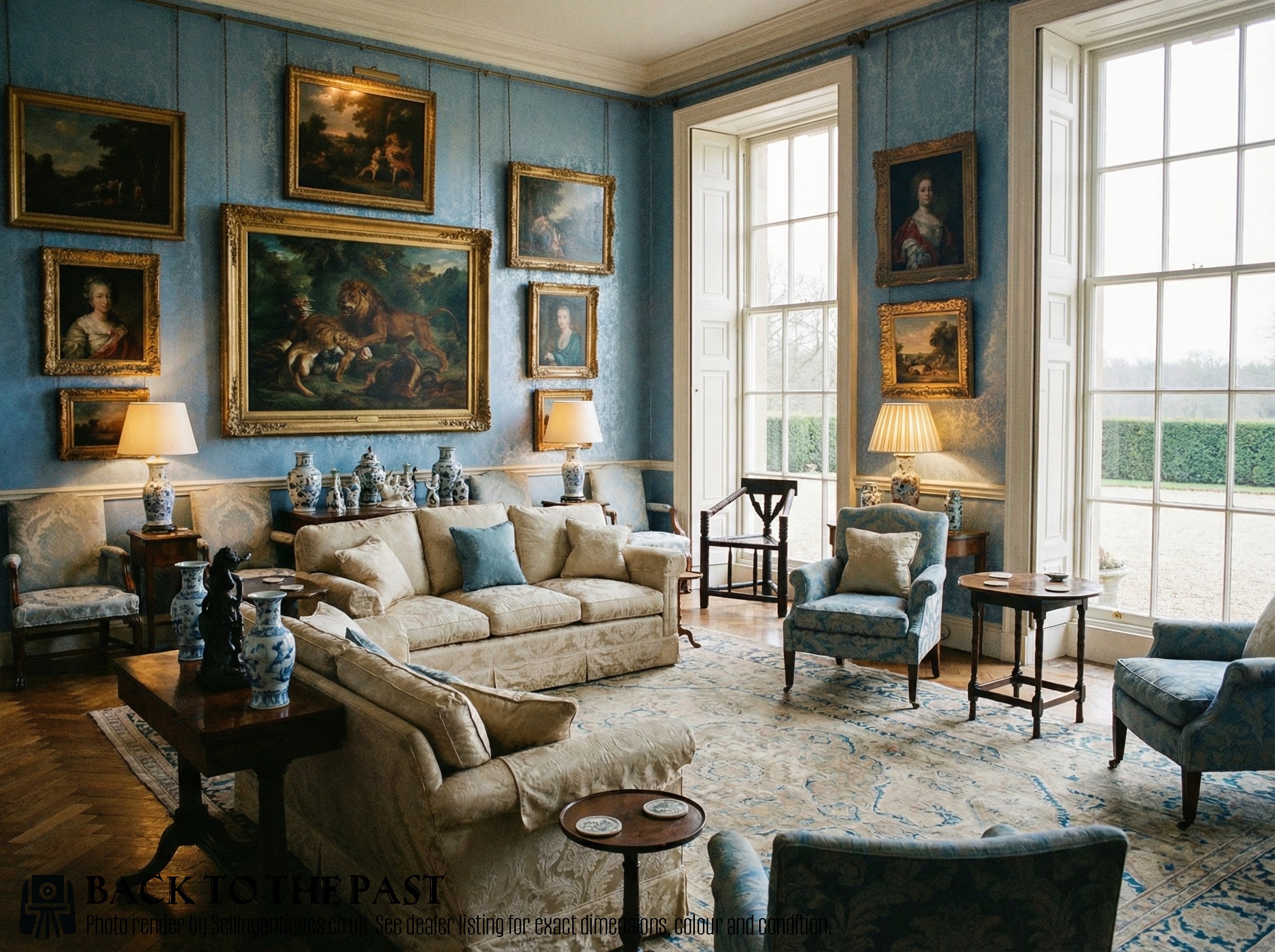
In modern interiors, collectors utilise them as accent chairs in studies, hallways, or living rooms where their architectural frames can be appreciated from all angles. They suit spaces that celebrate historic woodwork and traditional craftsmanship.
What woods were used for these chairs?
Maker workshops relied primarily on durable native hardwoods that could withstand the stress of turned joinery. English oak, ash, and beech appear frequently across the available inventory.
Some pieces also feature painted finishes or leather elements that complement the exposed wooden framework. The choice of timber often reflects the regional traditions and local forests available to the maker.
How do I date a turned chair?
Dating relies on examining the turning profiles, wood species, and overall construction methods against known historical periods. Seventeenth-century examples typically display heavier proportions and simpler, robust turnings, while nineteenth-century revivals often incorporate more complex spindle work.
Stylistic cues such as Saxon Revival or Gothic Revival detailing point directly to the Victorian era. Comparing the patination and wear patterns on the wood further helps confirm the age of the piece.