
Rustic Oak Armchair
A rustic oak armchair brings centuries of vernacular craft into a room, offering sturdy timber framing and regional character.
Rustic Oak Armchair
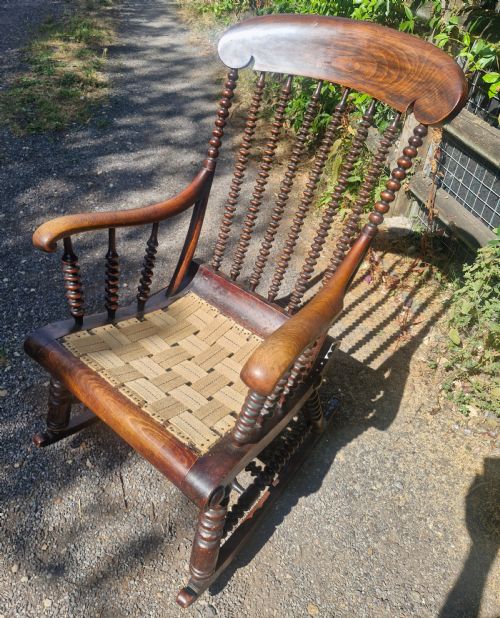
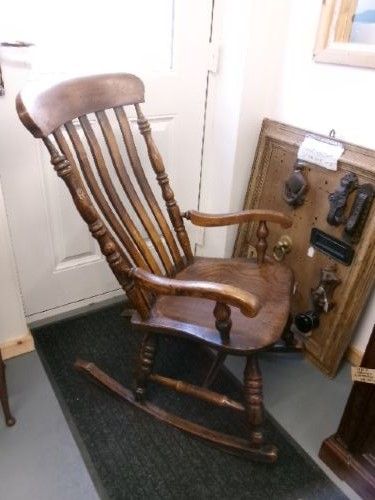
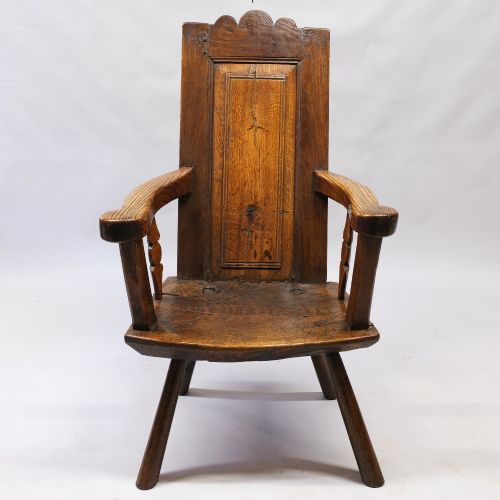
These pieces encompass farmhouse kitchen chairs, rocking chairs, and high chairs designed for everyday domestic utility. Regional variations highlight distinct local turner methods and regional seating preferences.
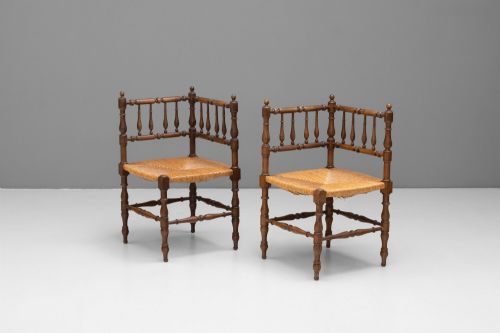
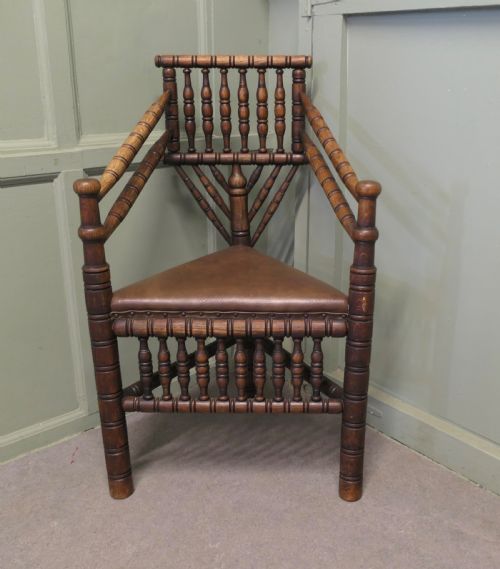
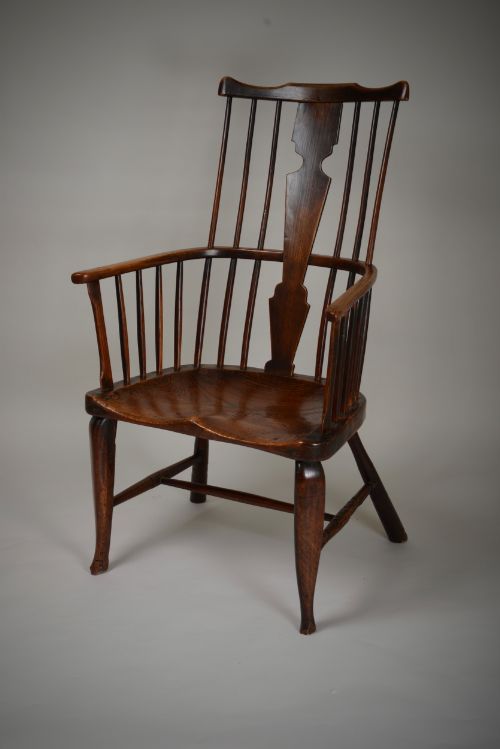
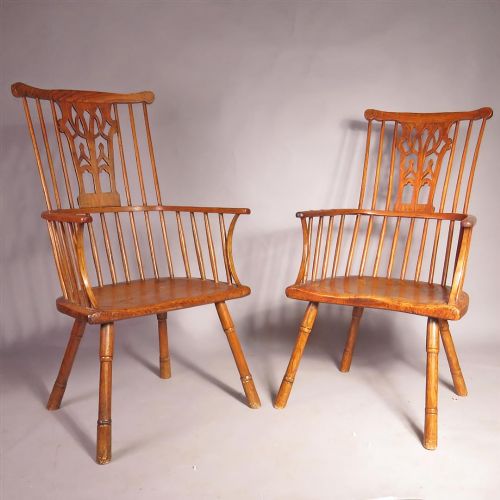
Makers utilised solid timbers to build sturdy frames intended for heavy household use. The resulting forms range from simple spindle backs to sculptural panel-backed and comb-backed armchairs.
How they were made
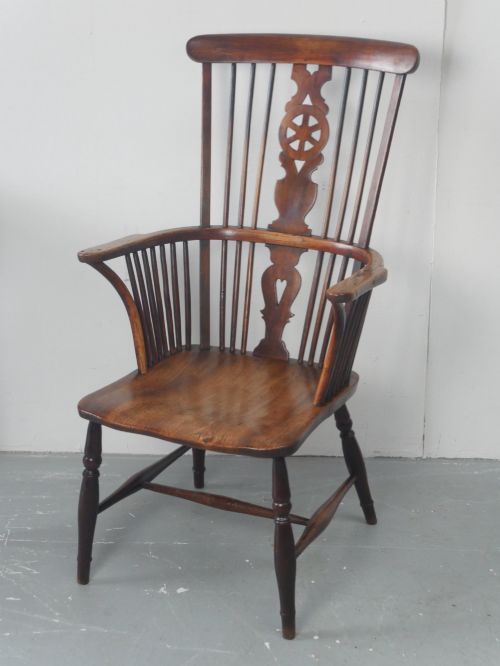
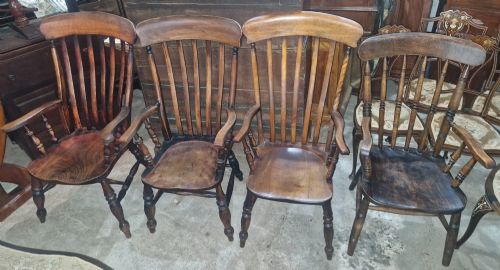
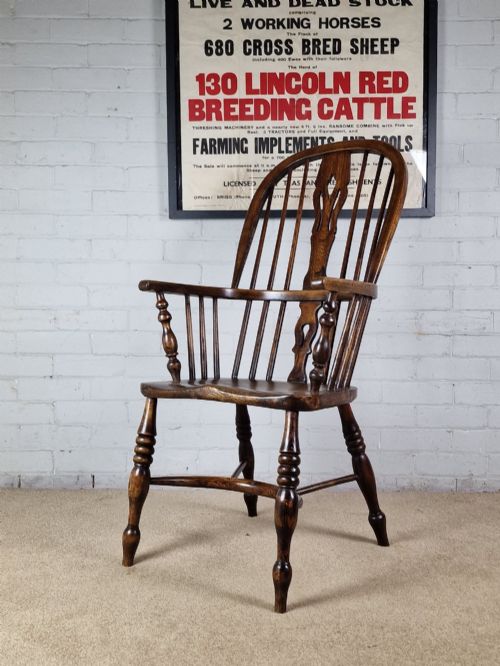
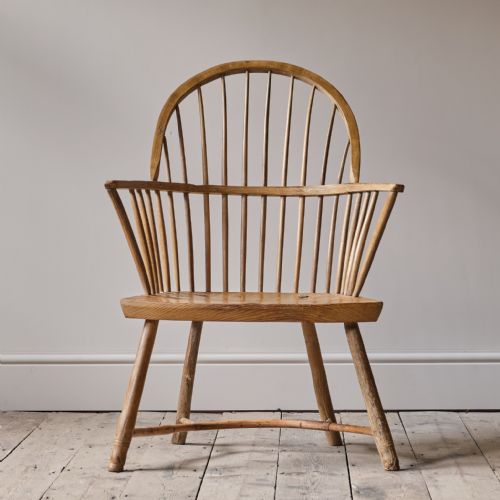
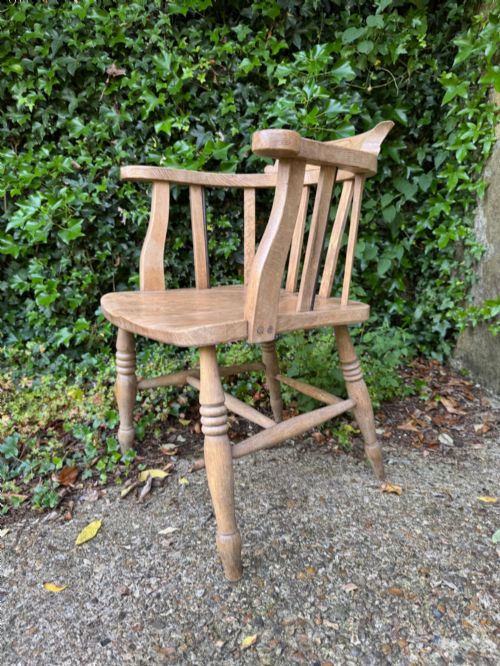
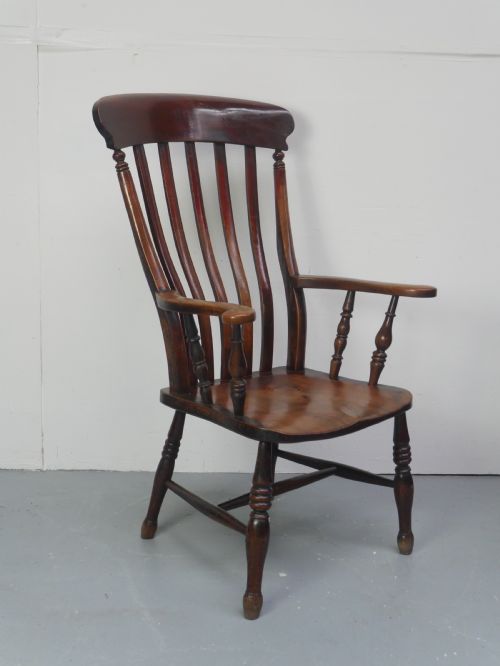
Joiners and turners constructed frames predominantly using oak, supported by secondary timbers like elm, ash, beech, and yew wood. Windsor and vernacular pieces combine turned legs and spindles with solid saddle seats sculpted from single slabs of elm or oak.
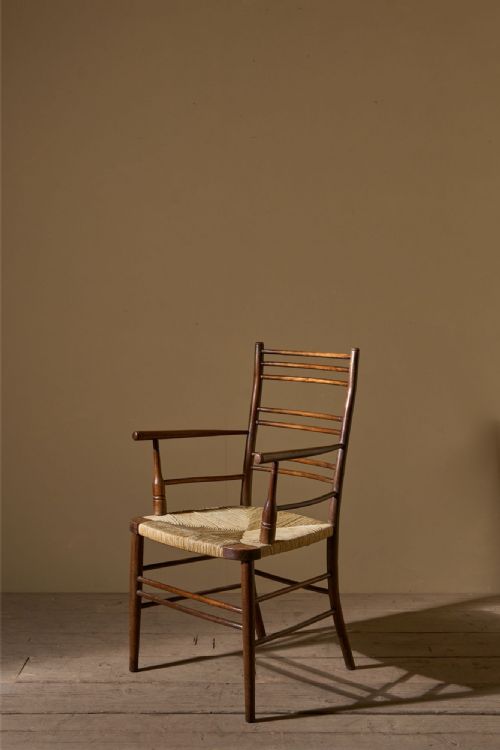
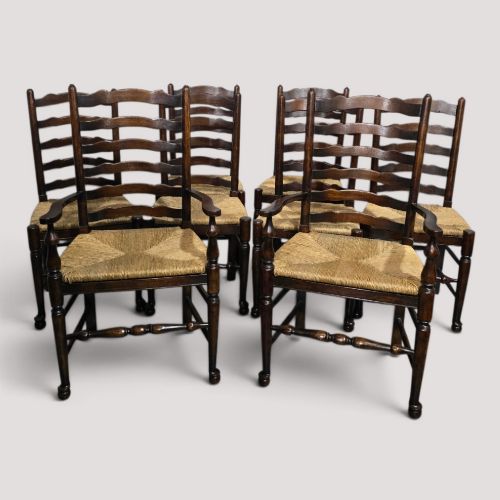
Seating surfaces often incorporate woven rush, cane, or fabric upholstery inserted within the wooden framework. Frameworks utilise traditional mortise and tenon joints, bobbin turnings, and steam-bent components to shape hoops and armrests.
Rustic Oak Armchair Retail Price Guide 2026
Typical asking prices for rustic oak armchair among the pieces listed under this phrase on Sellingantiques today, from the lower quarter to the upper quarter. They describe what is for sale here now, not the wider market.
Listings feature oak alongside elm, ash, beech, and yew wood, spanning periods from the late seventeenth century through the 1930s.
What varies in quality
Quality differentiates through the integrity of the timber framing, the depth of the patination built up over centuries of handling, and the complexity of the turning work. Pieces retaining their original uncompromised components and natural timber surfaces demonstrate superior craftsmanship.
The sophistication of regional design, such as refined comb backs or intricate spindle framing, distinguishes standard utility seating from exceptional vernacular examples. Original rush or wooden seats that show honest, unbroken integration with the main frame elevate the standing of an armchair.
The Rustic Oak Armchair Glossary
- Windsor chair
- A chair built with a solid wooden seat into which the legs and back spindles are separately inserted. These chairs rely on a central heavy plank rather than a continuous frame.
- Comb back
- A Windsor variant featuring an extended high back topped by a horizontal headpiece resembling a hair comb. The vertical spindles rise straight through the arm bow to meet the top rail.
- Rush seat
- A seating surface woven from dried marsh rushes twisted into cords. This technique provides a resilient, textured base common in vernacular ladder-back chairs.
- Lambing chair
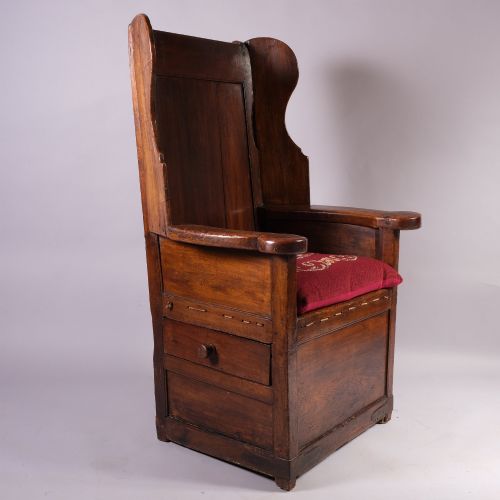
- A high-backed vernacular armchair often fitted with solid wooden wings to block draughts near hearths. These regional pieces typically incorporate enclosed lower storage or panel sections.
- Vernacular
- Objects designed and built by local craftsmen using traditional regional methods rather than formal academic styles. Such pieces reflect the specific materials and domestic needs of their geographic origin.
Rustic Oak Armchair: Frequently Asked Questions
What is a rustic oak armchair?
A rustic oak armchair is a traditional seat built by regional craftsmen using solid timber framing. These pieces include Windsor, ladder-back, and vernacular styles shaped for everyday domestic use.
They reflect centuries of regional woodworking traditions across British and European workshops, combining structural oak with supportive secondary woods.
How do I tell periods apart?
Periods are identified through structural joinery, turning styles, and overall design evolution from seventeenth-century paneled frames to nineteenth-century Windsor variations. Earlier examples often display heavier oak members and simpler bobbin or turner details.
Later Victorian and Edwardian pieces frequently incorporate lighter steam-bent components, wheel-back motifs, or revival influences such as Arts and Crafts or Carolean styles.
How were these chairs used?
These chairs served as principal seating around farmhouse hearths, dining tables, and kitchen spaces. Their sturdy construction supported demanding daily tasks in domestic and rural environments.
Specialised forms like rocking chairs and lambing chairs provided comfort and protection from draughts in colder rooms.
How do I live with a rustic armchair?
Living with these armchairs involves placing them in living spaces, halls, or studies where their timber patination can be appreciated. They pair well with diverse interior schemes by introducing historic texture and organic form.
Protecting the wood from extreme temperature shifts and maintaining rush or wooden seats with gentle care ensures the structure remains stable.