


Antique Corner Armchair
An antique corner armchair fits into angles to save space while offering a curved embrace.
Antique Corner Armchair
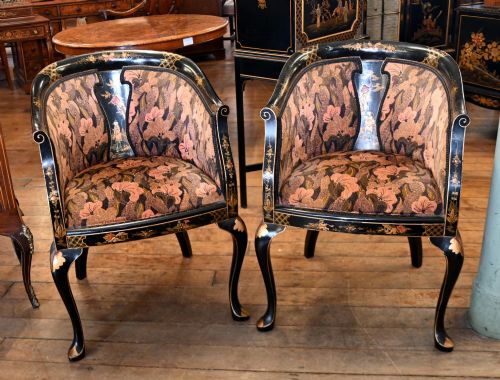
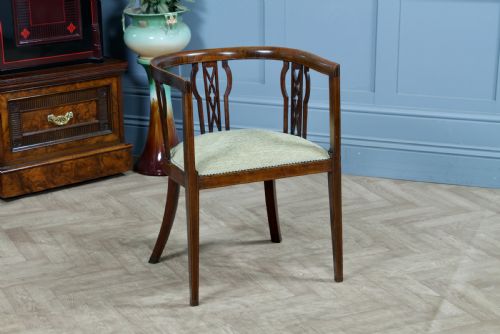
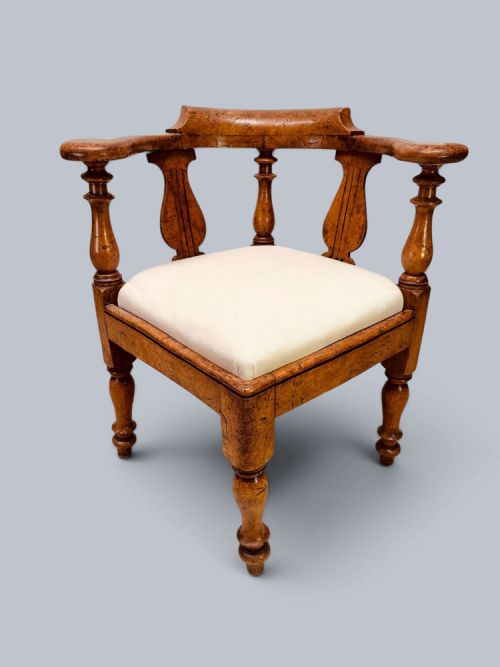
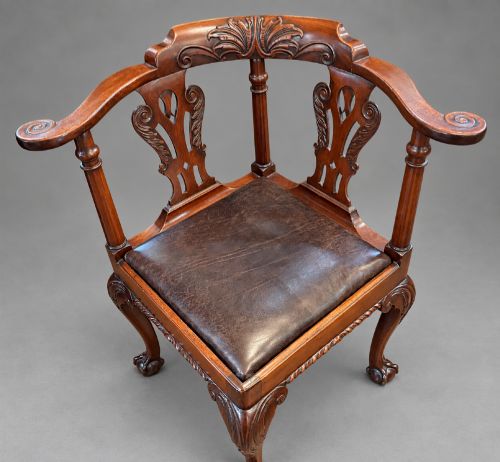
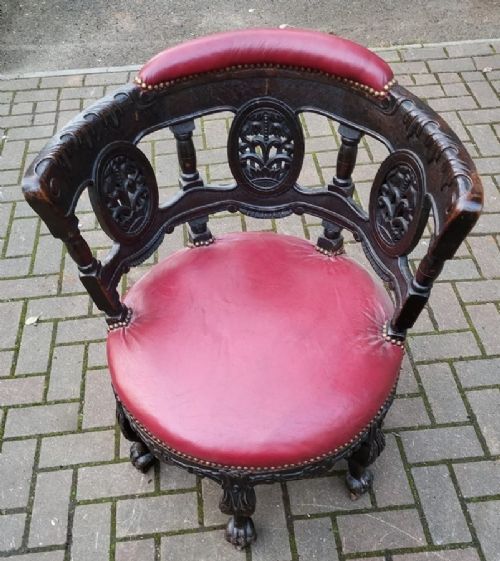
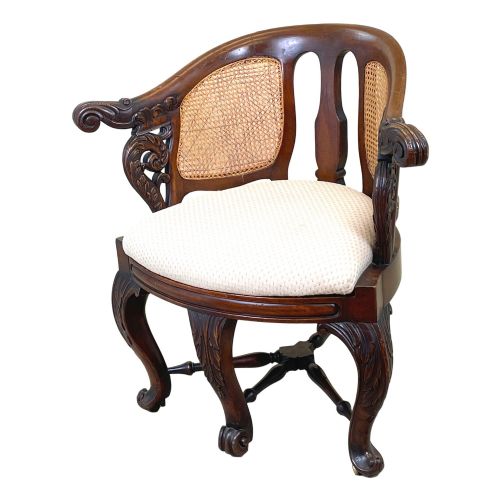
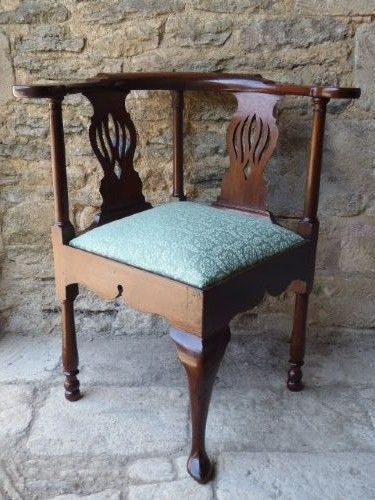
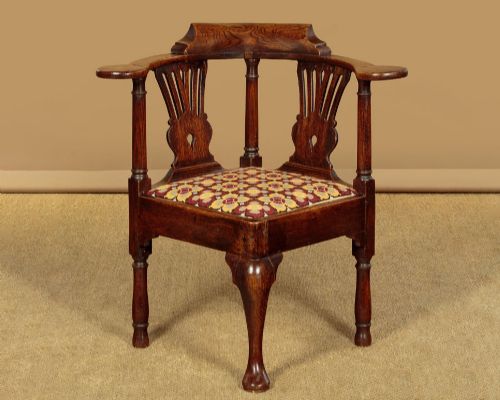
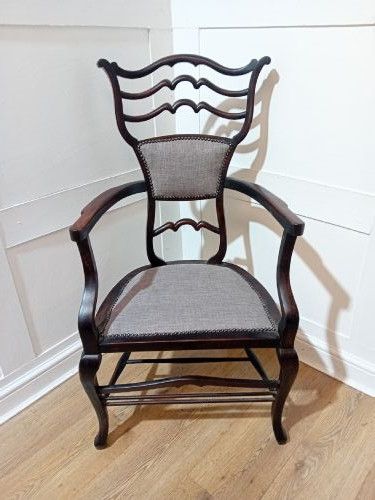
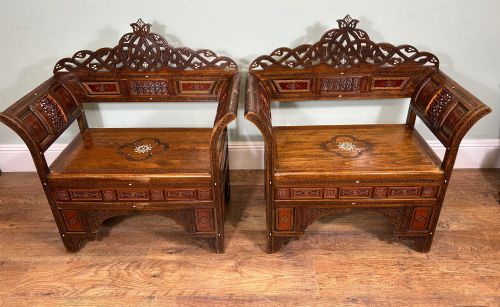
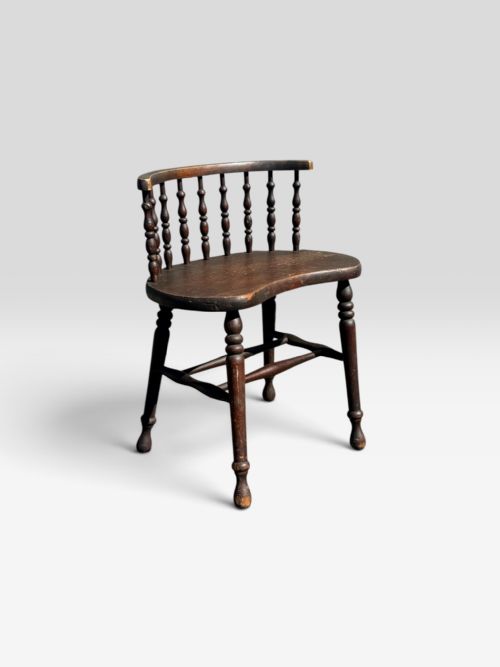
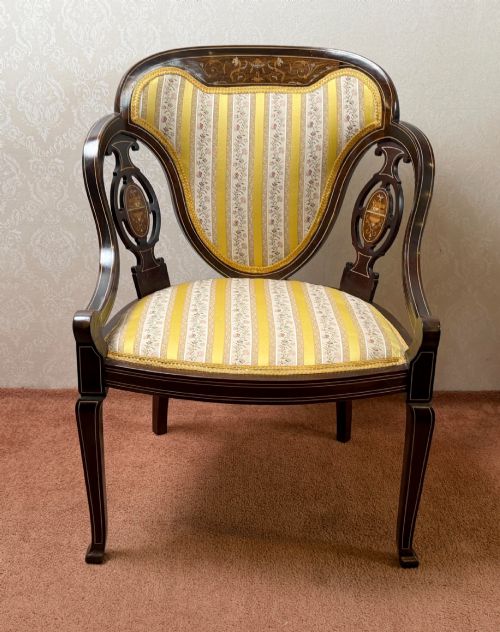
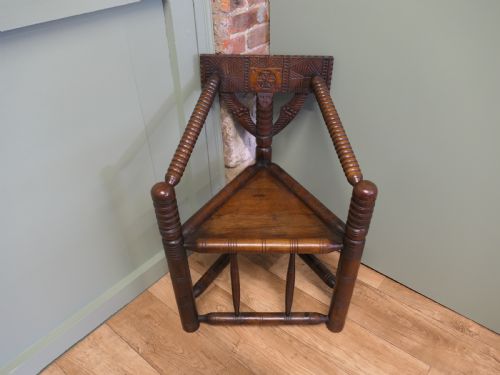
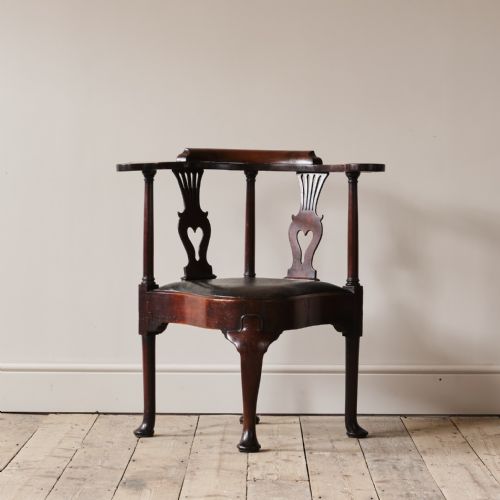
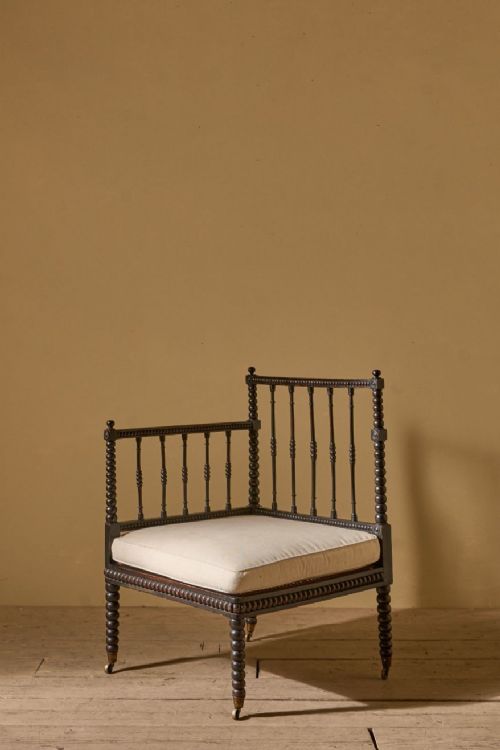
An antique corner armchair is built to fit snugly into the meeting point of two walls, using a design with a diagonal footprint. The forms span from sturdy Georgian walnut and oak seating to refined Edwardian mahogany models and Victorian turned variations.
Most examples found in daily trade date from the eighteenth century through to the early twentieth century. These seats served multiple functions in domestic interiors, operating as writing seats, bedroom furniture, or occasional conversation pieces.
How They Were Made
Cabinet makers utilised dense hardwoods such as mahogany, oak, walnut, and fruitwood to construct the structural frames. Joinery relied on strong corner posts and curved crest rails supported by spindle turning or shaped splats.
Seating areas incorporated drop-in pads upholstered in fabric or leather, alongside woven cane and rush panels. Decorative elements featured marquetry inlay, carved foliage, and ebonised finishes.
Antique Corner Armchair Retail Price Guide 2026
Typical asking prices for corner armchair among the pieces listed under this phrase on Sellingantiques today, from the lower quarter to the upper quarter. They describe what is for sale here now, not the wider market.
Listings feature oak, mahogany, walnut, and fruitwood constructions spanning from the Georgian era through to the Edwardian period.
What Varies In Quality
The standard of timber selection and carving depth dictates the distinction between ordinary production and superior craftsmanship. Heavy figured walnut and finely turned bobbin spindles elevate the architectural presence of a piece.
Structural integrity depends on the tightness of the joints at the curved elbow rail and the preservation of original cane or rush work. Finer specimens retain untouched surface patination and crisp joinery without excessive replacement parts.
S and H Jewell·Liberty and Co·William Morris and Co
The Antique Corner Armchair Glossary
- Corner Chair
- A seat designed specifically to fit into a room corner, featuring a diagonal front leg and a semicircular backrest supported by three or four side posts.
- Turned Chair
- A seating form constructed predominantly from turned wooden spindles and members, often associated with historic vernacular traditions.
- Crest Rail
- The top horizontal member of a chair back, frequently shaped or carved to define the stylistic period.
- Splats
- The central vertical wooden strips set within the back of a chair, often shaped or pierced for ornamentation.
- Bergère
- An enclosed upholstered armchair with exposed wooden framing and cane-filled sides and back.
Antique Corner Armchair: Frequently Asked Questions
Where do I put a corner armchair?
These seats suit awkward junctions in rooms where standard rectangular furniture creates clutter. They utilise wasted angles effectively.
They work well in studies, hallways, or bedrooms as occasional seating rather than primary lounge chairs.
How do I identify a Georgian corner chair?
Early examples from the eighteenth century typically feature solid walnut or mahogany construction with drop-in seats. Look for shaped splats and cabriole legs.
Simpler vernacular versions utilise oak and fruitwood with multiple turned spindle supports.
Are these chairs comfortable for daily use?
The supportive curved backrest and solid arm rails provide a secure seating position. They suit reading or letter writing at a desk.
Comfort depends heavily on the firmness of the upholstered pad or the tension of the cane weave.