

Antique Desk Seating
These antique desk seating options provide sturdy support for daily study, combining period craftsmanship with practical comfort.
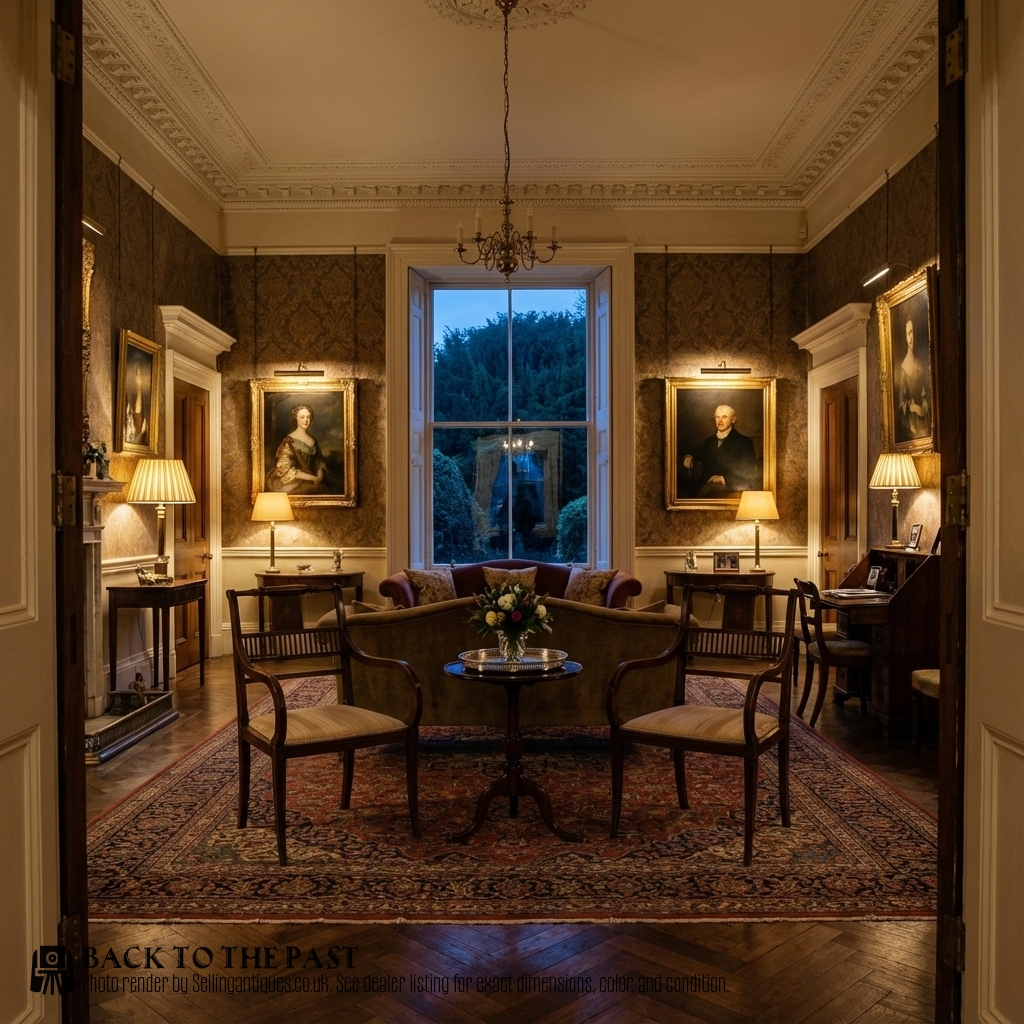
Antique Desk Seating
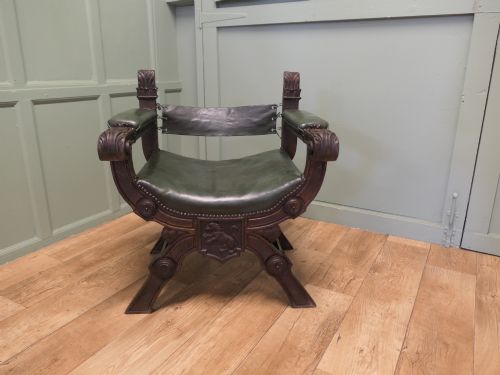
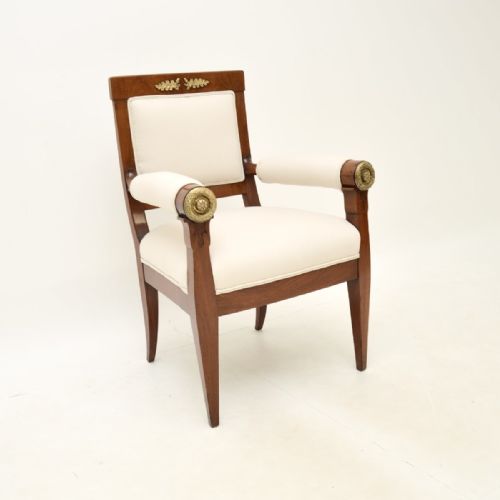
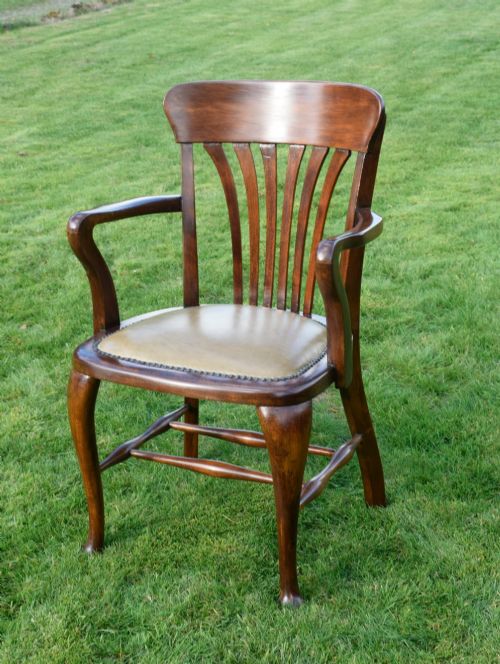
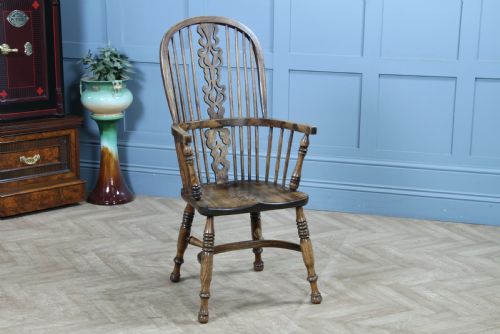
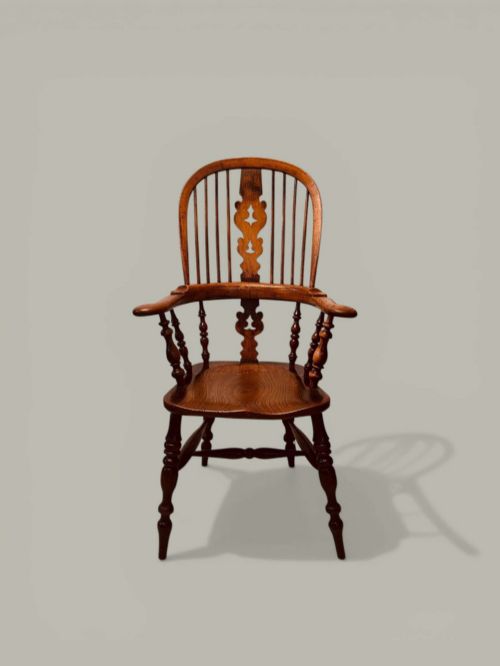
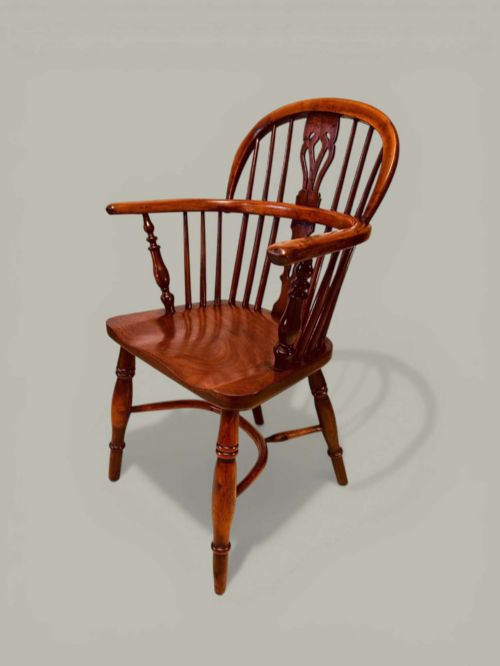
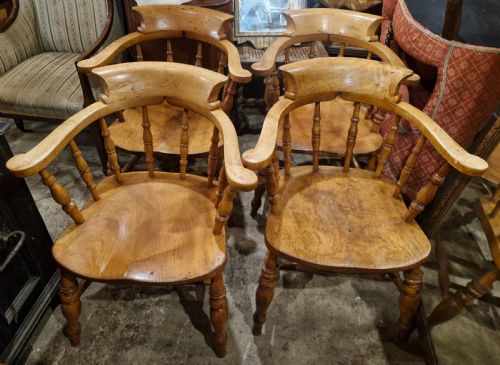
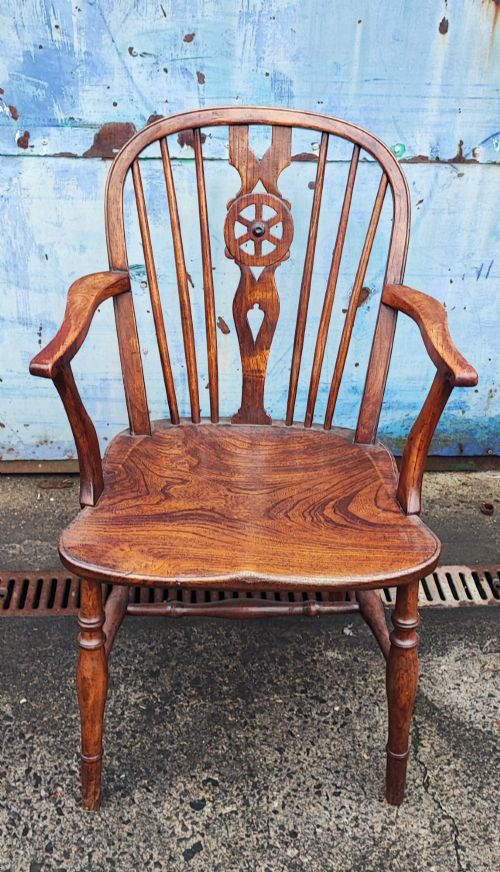
When searching for antique desk seating, buyers encounter a diverse selection of chairs designed for workspaces, libraries, and studies across multiple centuries. These pieces encompass various forms, ranging from revolving mahogany desk chairs to country Windsor armchairs and oak swivel seats.
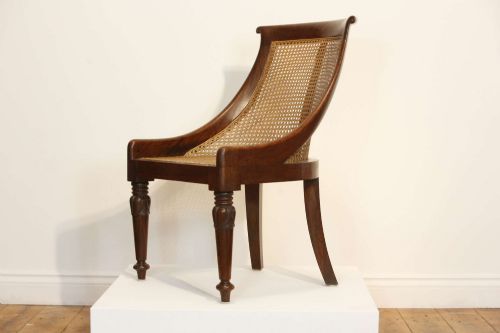
The inventory on this page draws primarily from the Victorian and Georgian periods, alongside Regency, Edwardian, and earlier eras. Buyers are most likely to meet mahogany and elm constructions, often featuring leather upholstery, cane seats, or straightforward wood frames suited for writing tasks.
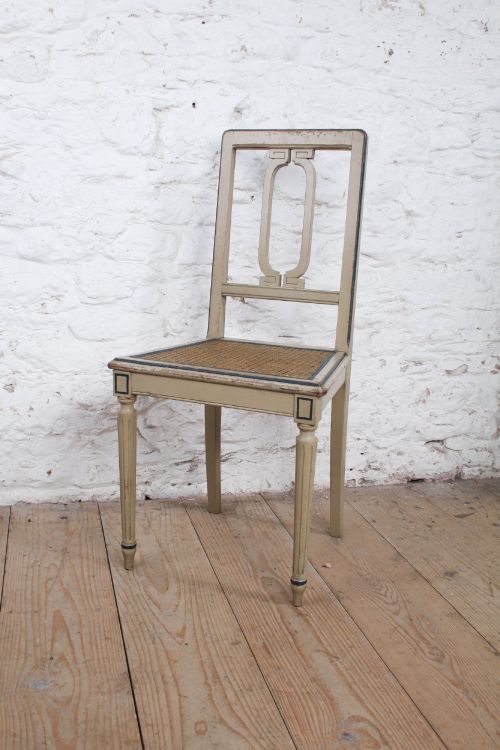
Object types stretch from dedicated desk chairs and library armchairs to side chairs and captain's chairs adapted for office use. Each piece reflects the utilitarian requirements of its period, blending domestic comfort with functional design for the working interior.
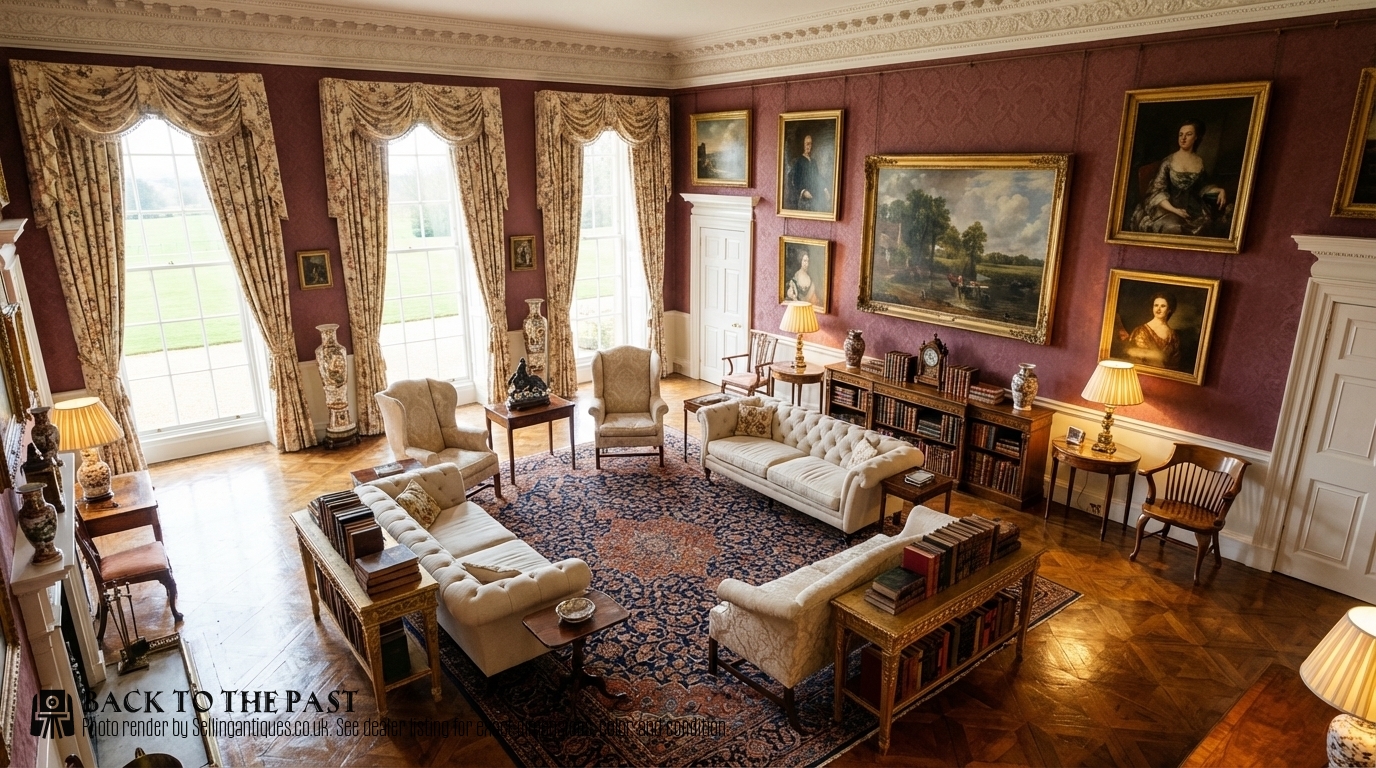
Materials and construction methods
Cabinetmakers and country joiners utilised timber such as mahogany, oak, elm, ash, and walnut to build robust frames capable of withstanding regular use. Turning, carving, and steam-bending shaped the woods into curved backs, spindles, and sturdy legs.
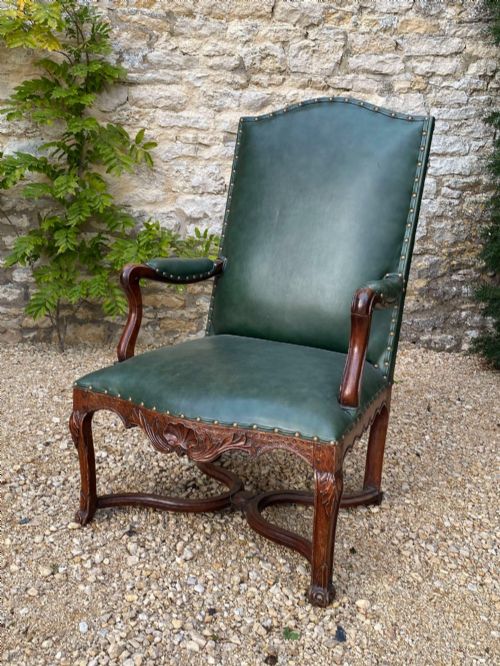
Secondary materials like brass for swivel mechanisms, castors, and fittings added mechanical utility to revolving desk chairs. Leather and woven fabric provided upholstered surfaces for seats and armrests, secured with tacks or brass studs.
Regional traditions influenced construction, evident in the pegged joints of country Windsor chairs and the polished veneers applied to formal library armchairs. These techniques ensured structural integrity alongside decorative refinement.
Antique Desk Seating Retail Price Guide 2026
Typical asking prices for desk seating among the pieces listed under this phrase on Sellingantiques today, from the lower quarter to the upper quarter. They describe what is for sale here now, not the wider market.
A bronze figure of a woman seated on marble keeps watch over the wooden company, proving not everyone sitting down is made of timber.
Distinctions in quality and execution
The distinction between standard office seating and superior examples lies in the selection of timber and the precision of the joinery. Finely figured mahogany, dense walnut, and well-matched yew wood elevate a chair's visual presence.
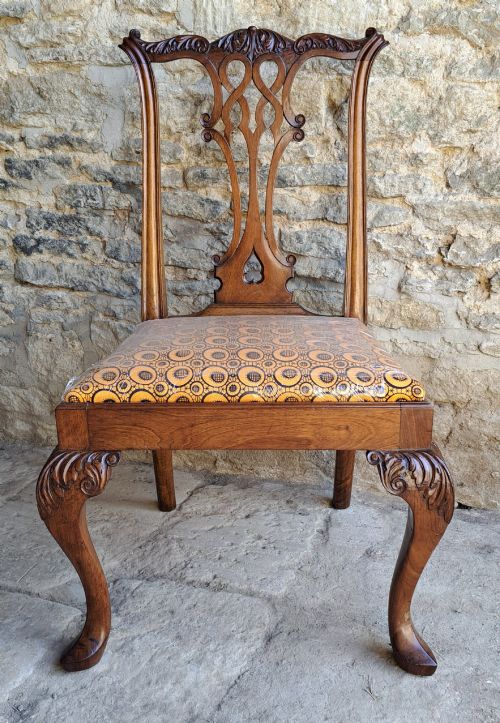
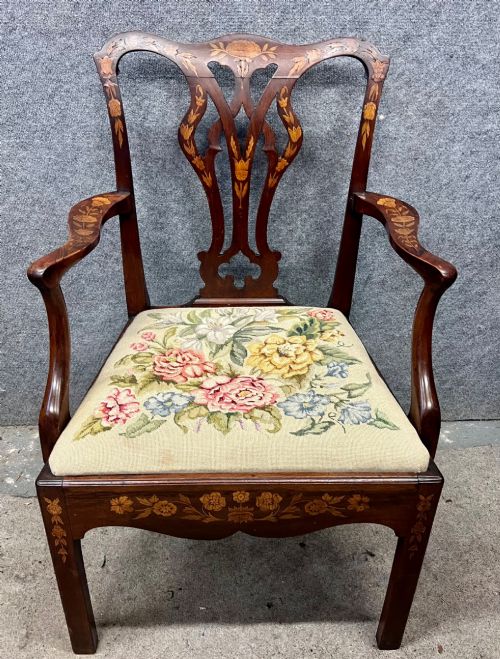
Carved details, such as elaborate splats on Chippendale style chairs or crisp mouldings on revolving bases, demonstrate a higher tier of workmanship. The retention of original finish and untouched structural elements further separates exceptional pieces from heavily altered ones.
Charles Tozer·Gillows
The Antique Desk Seating Glossary
- Windsor chair
- A wooden chair constructed with a solid plank seat into which the legs and back spindles are wedged directly. This vernacular form often combines ash, elm, and yew.
- Swivel chair
- A seat mounted on a central revolving pivot or spindle allowing the user to turn without moving the base. Frequently paired with an oak or mahogany frame for office use.
- Gainsborough armchair
- A wide, upholstered armchair with open padded arms, low sides, and short legs, originating in the mid-18th century. Often utilised at a library desk.
- Chippendale style
- A design idiom characterised by interlaced ribbon splats, cabriole legs, and carved scrollwork inspired by the 18th-century cabinetmaker. Appears frequently on chairs adapted for desk use.
- Corner chair
- A seat designed to fit into the corner of a room, featuring a curved back rail supported by three or four legs. Often employed as a writing or smoking chair in period interiors.
Antique Desk Seating: Frequently Asked Questions
How do I identify a true desk chair?
True desk chairs often incorporate swivelling mechanisms, adjustable heights, or proportions specifically suited for writing tables and library desks. Many examples feature robust armrests designed to support the user while working.
Looking at the wood type and structural design helps distinguish a dedicated desk seat from a standard dining or side chair.
Were these chairs used for offices?
Earlier periods utilised these seats in domestic libraries, studies, and private administrative rooms rather than commercial offices. As the 19th century progressed, revolving and oak office chairs emerged specifically for professional workspaces.
These later iterations introduced practical elements like castors and swivel bases to aid daily clerical tasks.
How do I care for leather seats?
Leather upholstery benefits from regular dusting and occasional treatment with appropriate conditioning balms to prevent drying and cracking. Keeping the material away from direct heat sources preserves its suppleness over time.
Avoiding harsh chemical cleaners ensures the original surface finish remains intact.
Can I use an antique armchair at a modern desk?
Many period armchairs fit comfortably beneath standard desk heights, provided the clearance accommodates the armrests and seat frame. Measuring the height of both the desk apron and the chair arms prevents clearance issues.
Using supportive cushions can also adjust the seating height for modern ergonomic requirements.