


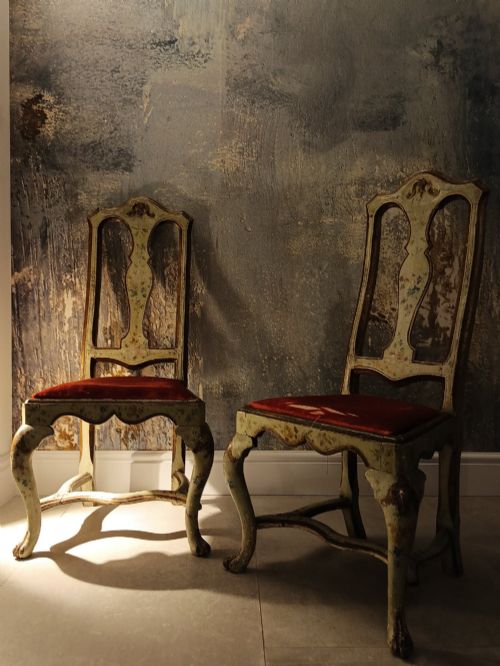
Antique Velvet Chair
An antique velvet chair brings tactile warmth and period elegance to a room, offering deep buttoning, polished wood frames, and historic seating forms.
Materials and construction methods
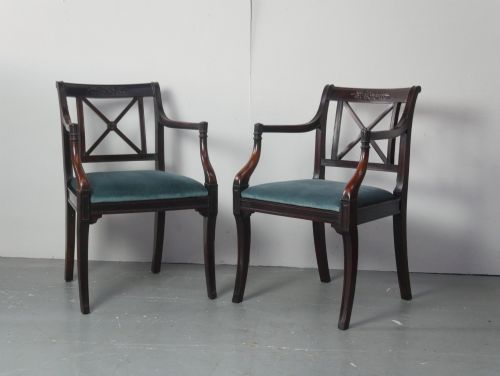
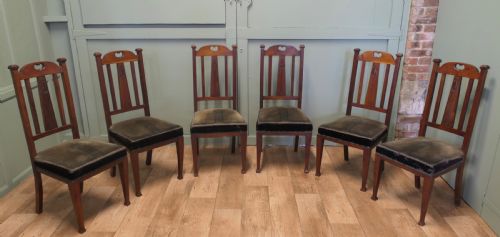
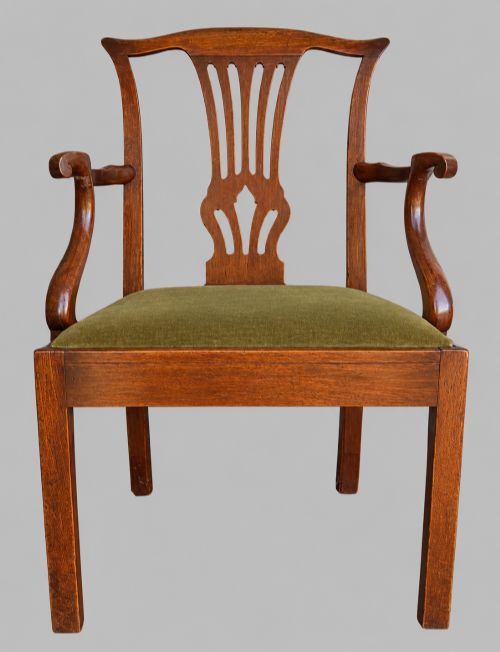
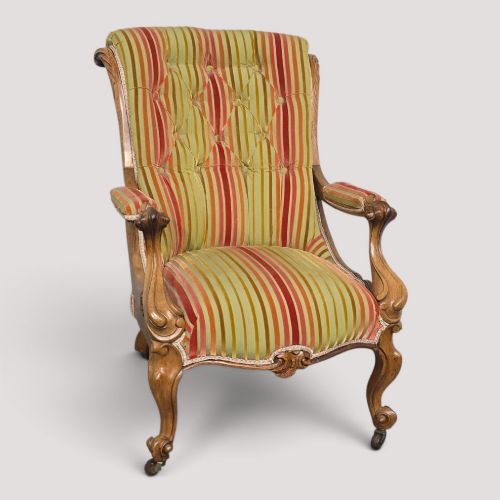
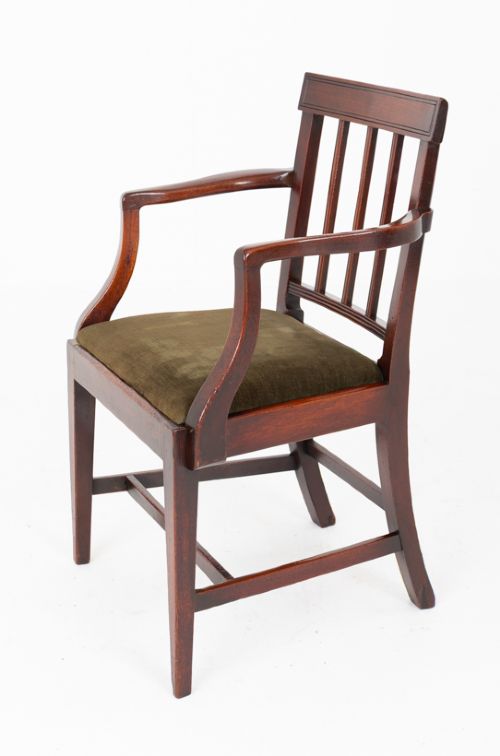
Makers utilised dense native and exotic hardwoods such as mahogany, walnut, oak, and rosewood to construct the structural frames of these seats. These woods were turned, carved, or polished to form sturdy legs, scroll arms, and exposed show-frames.
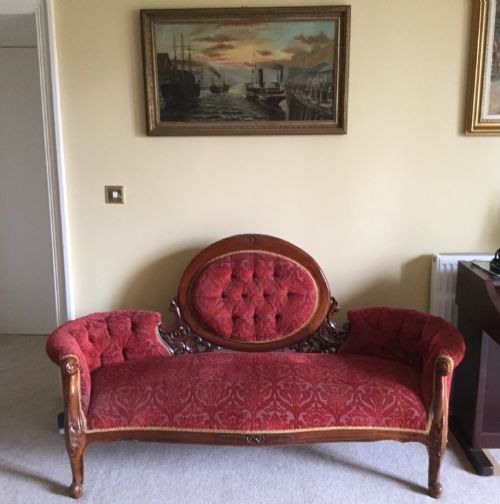
Upholstery techniques combined traditional stuffing with sprung seat bases, webbing, and deep buttoning to ensure resilience and comfort. Velvet fabrics - ranging from cotton piles to deep silk brocades and patterned prints - were secured using tacks and occasionally accented with tassel trims or brass nailheads.
Distinguishing quality in period seating
The standard of a piece depends heavily on the integrity of the wooden frame, the crispness of any hand-carved ornamentation, and the fidelity of the period style. Superior examples display substantial timber selection, tight joinery, and well-proportioned silhouettes that reflect original cabinet-making standards.
Upholstery execution also dictates distinction, where traditional hand-tied springs, neat buttoning, and the choice of textile elevate the piece. Pieces retaining original structural integrity alongside complementary re-upholstery demonstrate higher craftsmanship than compromised or heavily altered frames.
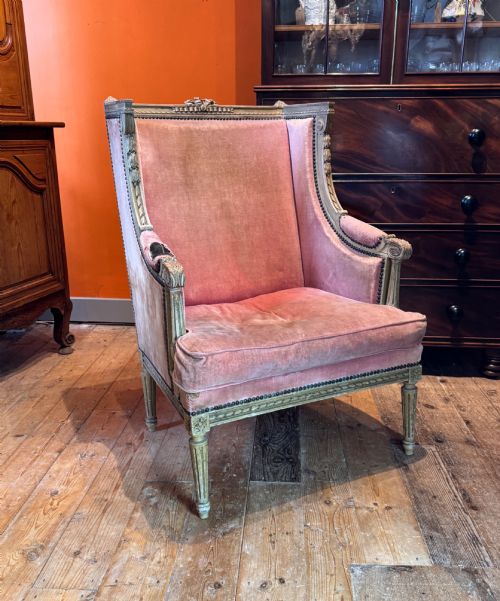
A daring leopard print velvet sits alongside sage, chartreuse, and dusty pink in the upholstery palette.
Howard and Sons·Cornelius V Smith·Gillows
The Antique Velvet Chair Glossary
- Tub chair
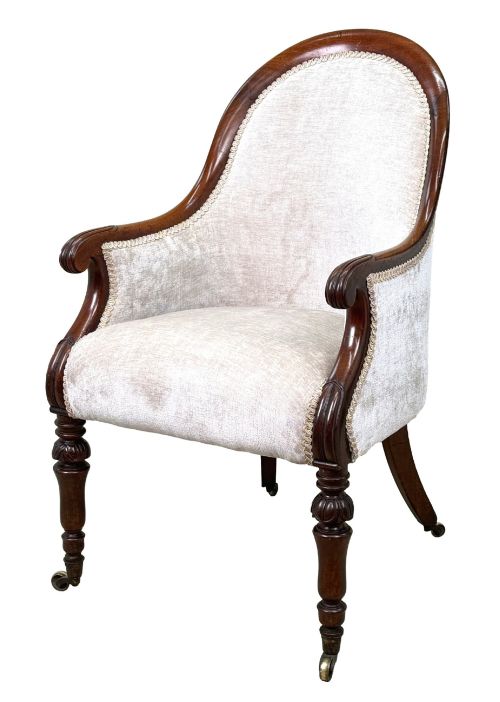
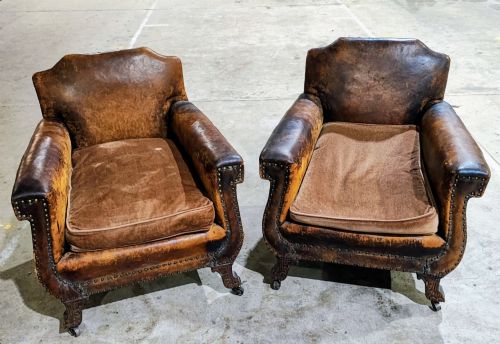
- A curved, rounded armchair where the back and arms form a continuous semi-circular enclosure. This form provides a cosy, enveloping seat often mounted on casters.
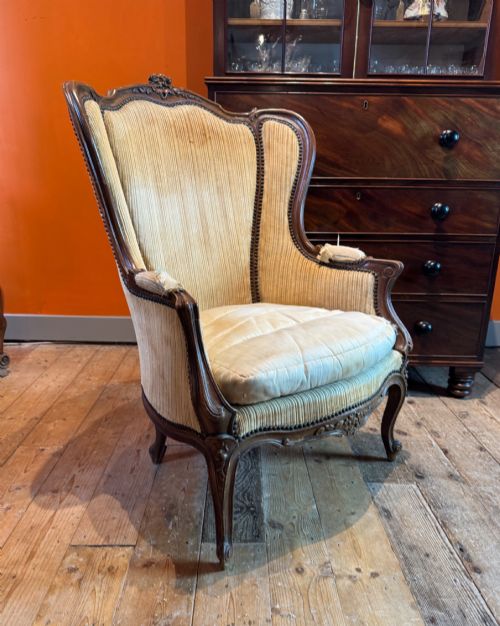
- Porters chair
- A high-backed, hooded armchair originally designed to keep drafts away from hall porters in large houses. The enclosed top creates a private and sheltered seating space.
- Nursing chair
- A low-seated Victorian chair designed for comfort and ease of tending to infants or dressing. The low stature and padded back typify this domestic bedroom form.
- Chaise longue
- An elongated upholstered seat for reclining, combining elements of a chair and a day bed. Examples range from single-ended Victorian models to double-ended variations.
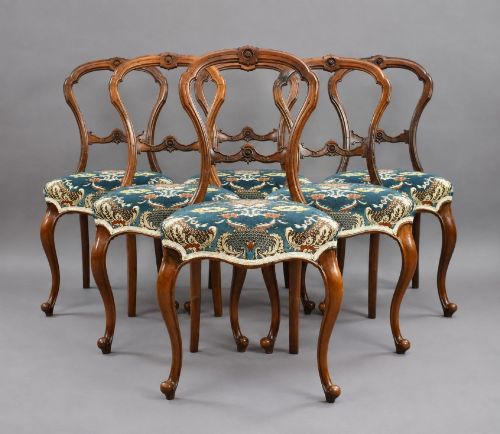
- Balloon back
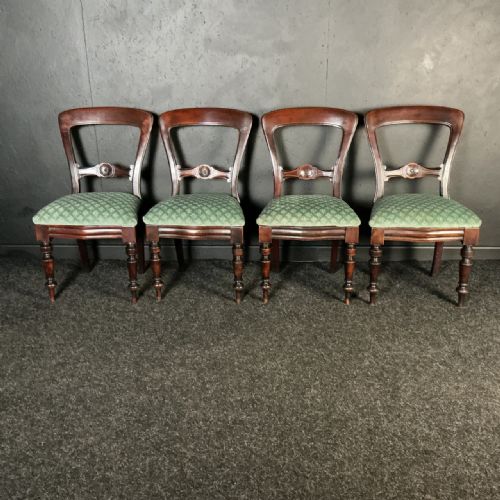
- A rounded, oval-shaped chair back resembling a floating balloon, popular during the mid-Victorian era. This curved wooden frame provides lumbar support while showcasing timber grain.
Antique Velvet Chair: Frequently Asked Questions
How do I identify a Victorian velvet chair?
Victorian examples frequently display turned mahogany or walnut legs, often fitted with brass and porcelain casters. Deep buttoning and sprung upholstery bases also typify pieces from this era.
Dark wood frames combined with rich green, blue, or pink velvet piles usually point toward nineteenth-century production. Look for construction details like hand-cut screws and traditional joinery beneath the seat base.
Were these chairs originally upholstered in velvet?
Many period seats were upholstered in wool, damask, or cotton during their initial manufacture, while others utilised cotton or silk velvets from the outset. Velvet has remained a popular choice for historic seating due to its durable pile and tactile depth.
Subsequent re-upholstery is standard practice for antique seating to ensure hygiene and structural support. Listings often specify whether the fabric is original, period-appropriate, or a modern replacement.
How should I care for an antique velvet chair?
Protect the fabric by keeping the chair away from direct sunlight, which can fade rich tones like chartreuse, blue, or deep red. Gentle brushing with the grain helps maintain the pile without crushing the fibres.
Wooden frames benefit from occasional application of appropriate furniture wax to nourish the timber. Avoid harsh liquid cleaners on both the wood and the textile surface.
What is a tub chair used for?
Tub chairs function well as occasional seating in studies, bedrooms, or drawing rooms due to their compact footprint. The curved enclosure offers supportive armrests without requiring the space of a large wingback.
Historically placed near fireplaces or desks, these seats add a distinct silhouette to contemporary room layouts.