
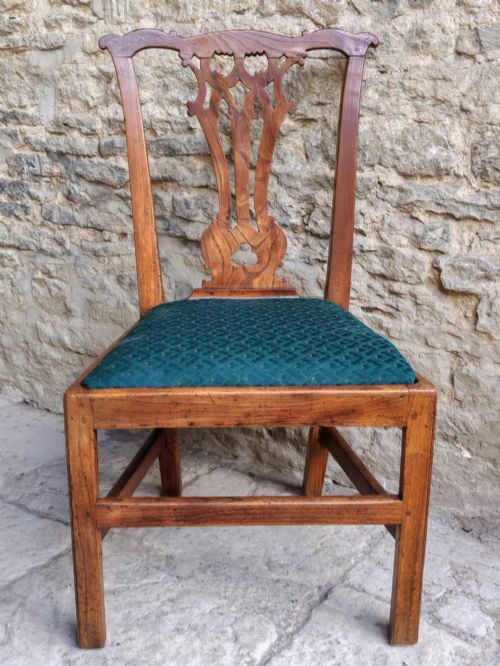
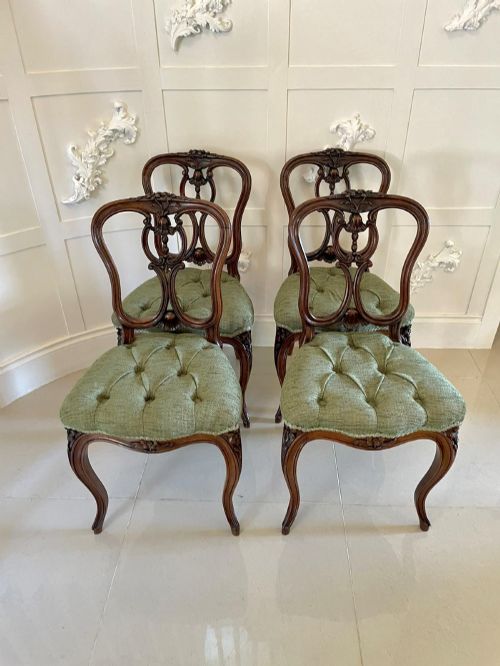
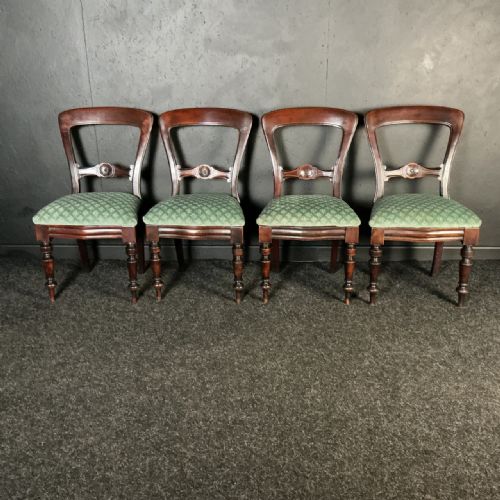
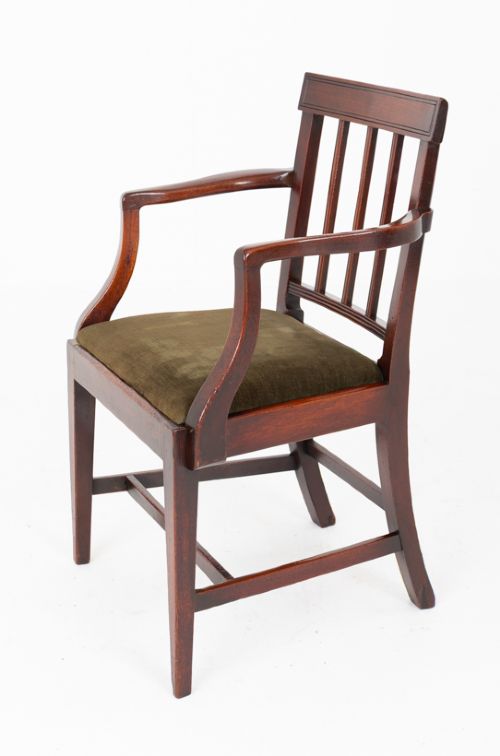
Antique Green Desk Chair
Discover an antique green desk chair, a practical seat bridging historic craftsmanship and everyday workspace utility.
Antique Green Desk Chair
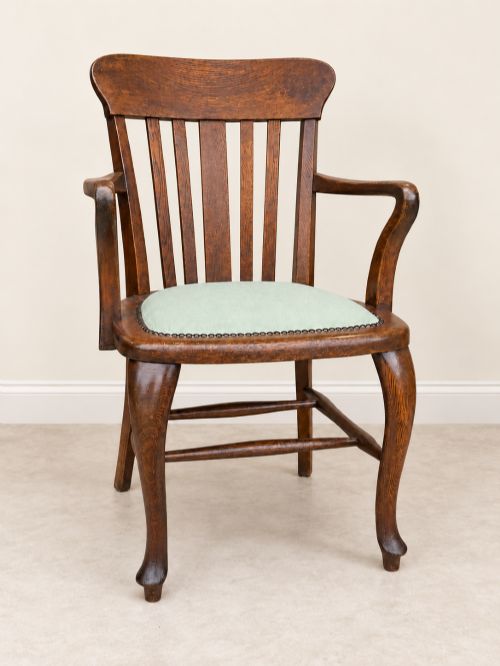
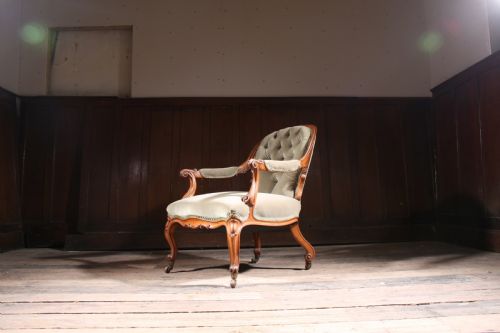
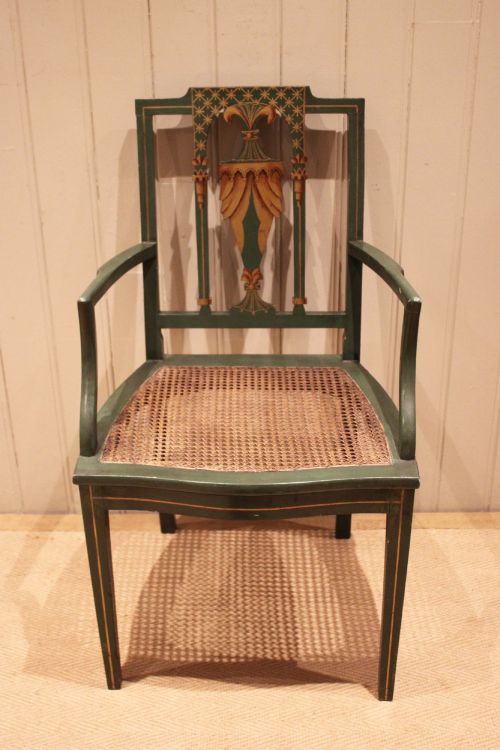
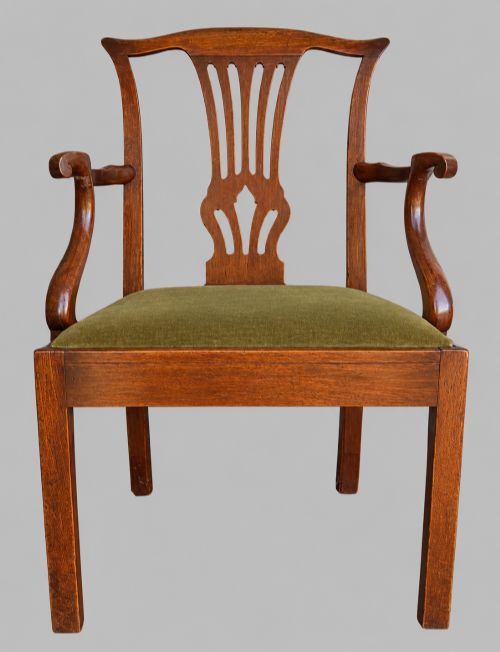
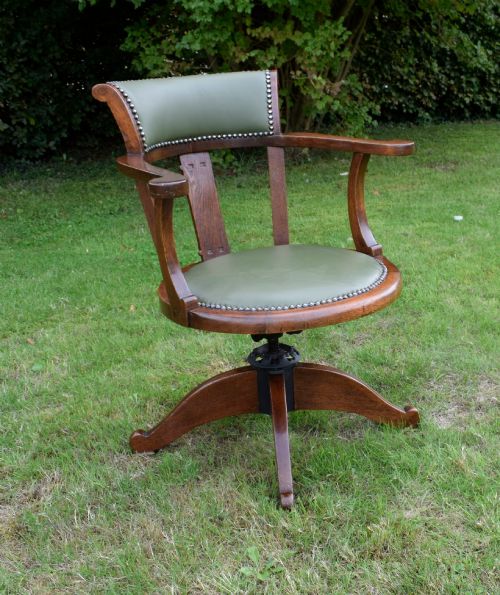
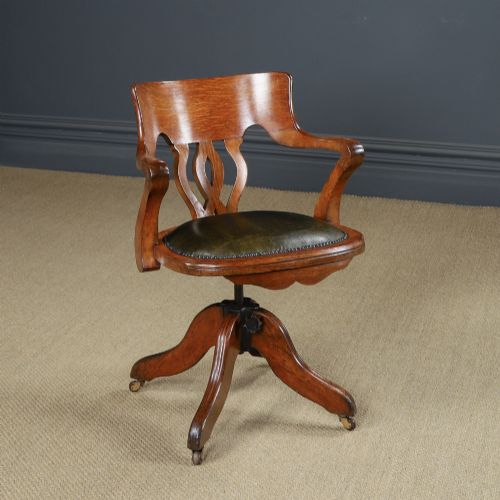
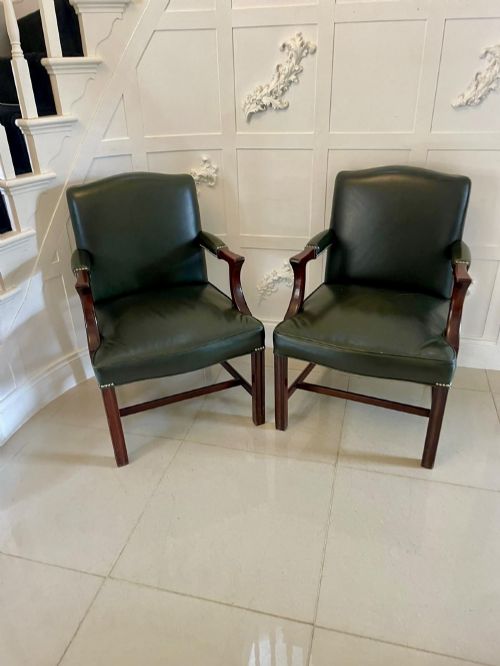
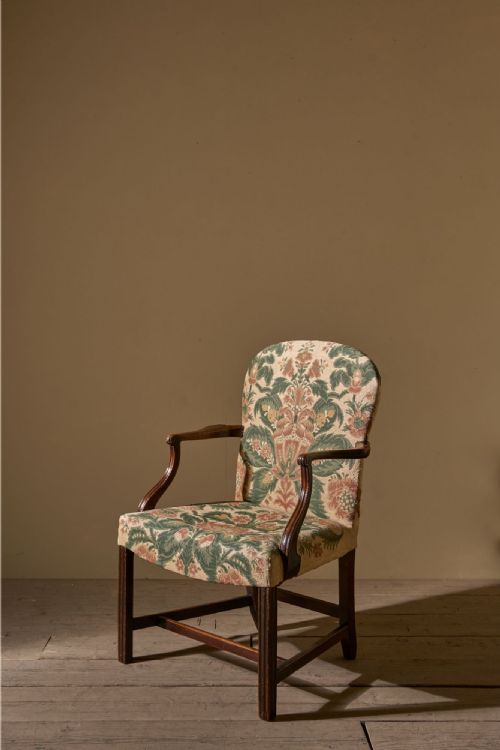
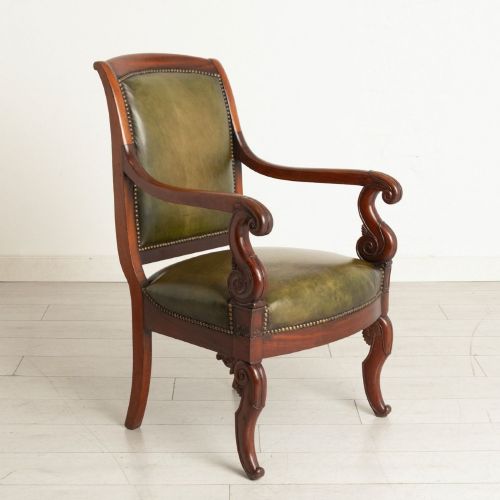
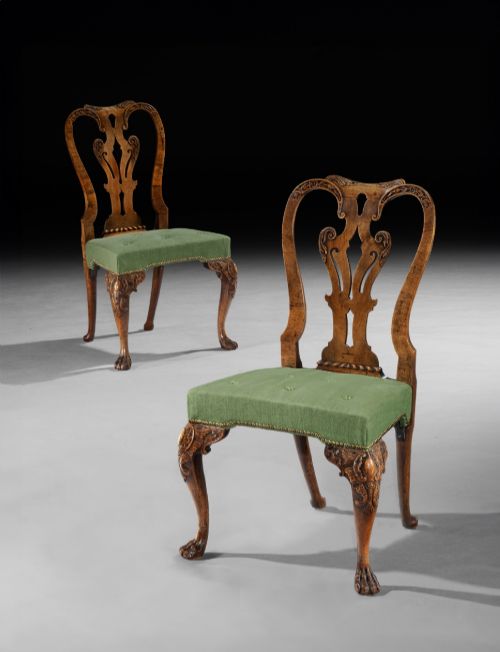
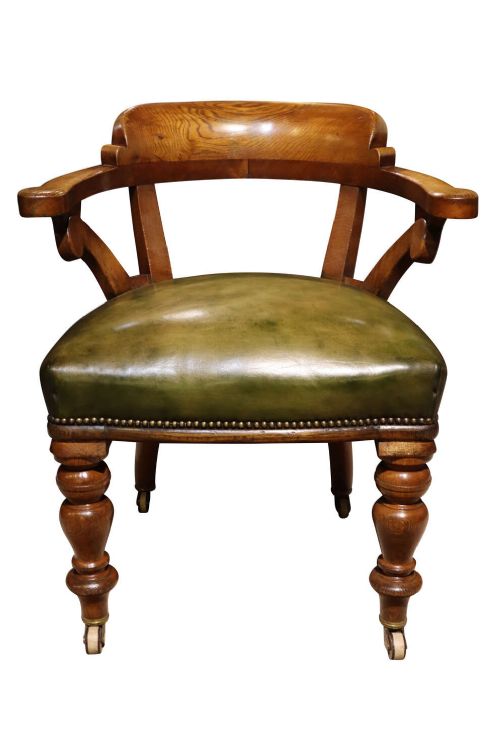
When searching for an antique green desk chair, buyers encounter various seating forms designed for writing, reading, and administrative work across past centuries. The selection spans formal library armchairs upholstered in verdant hides to swivel office chairs originating from the Edwardian and Victorian eras.
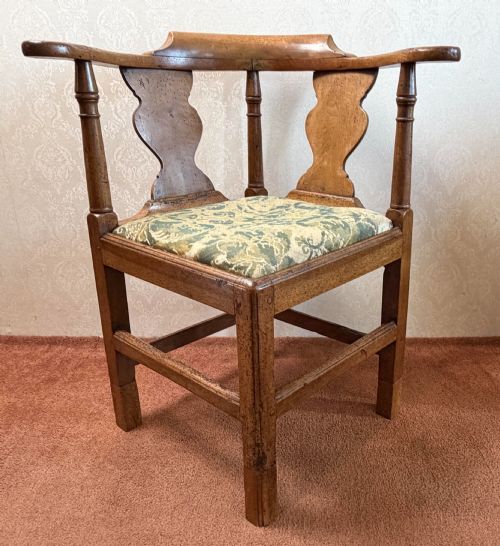
The most common iterations on this page combine sturdy timber frames in mahogany, oak, or walnut with green leather or fabric upholstery. These pieces range from Georgian library seats to early twentieth-century revolving desk chairs intended for functional study environments.
Origins vary from English workshops to Scottish and French makers, incorporating stylistic influences such as Chippendale, Regency, and Edwardian design. Each piece reflects the functional requirements of its period, balancing structural support with distinct decorative characteristics.
How they were made
Makers utilised dense timbers such as mahogany, oak, walnut, and beech to construct durable frames capable of supporting daily use. Joinery techniques varied from traditional pinned mortise and tenon joints to later mechanical swivel mechanisms introduced in the nineteenth and twentieth centuries.
Upholstery involved stretching leather, velvet, fabric, or tapestry over padded seats and backs, secured with brass tacks or piping. Swivel models incorporated iron spindles, timber bases, and castor wheels to permit movement around the desk.
Several swivel desk chairs retain their original iron spindles, ready to squeak through another century of desk work.
What varies in quality
The standard of a piece depends heavily on the integrity of the timber frame, the retention of original surface patination, and the condition of the upholstery. Early examples demonstrate finer hand-carving on cabriole legs and arms, whereas later office models rely on the robustness of their revolving mechanisms.
Distinction in quality also arises from the grade of leather used for the writing seat and whether secondary woods match the primary timber choice. Pieces retaining their original swivel actions, castors, and uncompromised joinery represent higher craftsmanship within the category.
Mercier Frères·Bell Barn Furniture
The Antique Green Desk Chair Glossary
- Carver chair
- An armchair, typically designed with solid wooden arms, intended for use at a desk or the head of a table.
- Revolving chair
- A seat fitted with a central spindle or pivot mechanism allowing the top portion to rotate independently of the base.
- Library chair
- A heavy, upholstered armchair designed for reading rooms, frequently featuring leather coverings and padded armrests.
- Cabriole leg
- A furniture leg that curves outward at the knee and tapers inward toward the foot, inspired by animal limbs.
- Patina
- The surface sheen and coloration developed on timber and leather through age, handling, and use over long periods.
Antique Green Desk Chair: Frequently Asked Questions
How do I date an office desk chair?
Dating relies on identifying the construction methods, such as early handmade joinery versus later mechanical swivel mechanisms. Examining the timber species and upholstery style helps narrow down the manufacturing period.
Victorian and Edwardian models frequently feature revolving iron spindles and oak or mahogany frames, while earlier Georgian examples utilise static four-legged supports.
Are these chairs comfortable for daily work?
Many models were constructed for administrative duties, offering supportive upholstered backs and padded armrests suitable for extended sitting. Swivel and desk variations provide mobility tailored to modern workspaces.
Ergonomics vary significantly between periods, with nineteenth-century revolving chairs offering greater adjustability than rigid eighteenth-century library seats.
What wood types are most common?
Mahogany, oak, and walnut appear frequently across the inventory, chosen for their structural strength and aesthetic appeal. Beech also supports lighter office and side chair frames.
Timber selection often corresponds to the manufacturing era, with oak dominating Edwardian office furniture and mahogany prevailing in earlier Georgian pieces.
Why is green leather standard on desk chairs?
Green leather historically reduced glare from oil lamps and natural light in offices and libraries during the eighteenth and nineteenth centuries. The shade offered a restful background for intense reading and writing tasks.
This functional choice established a visual tradition that persisted through the Victorian and Edwardian periods for scholarly and administrative seating.