

Victorian Chair with Castors
A victorian chair with castors brings nineteenth-century mobility and comfort to a room, offering sturdy frames and rolling bases for easy repositioning.
Victorian Chair with Castors
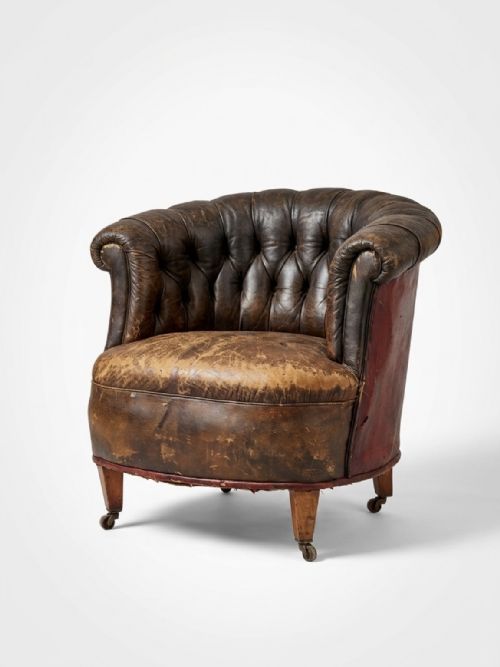
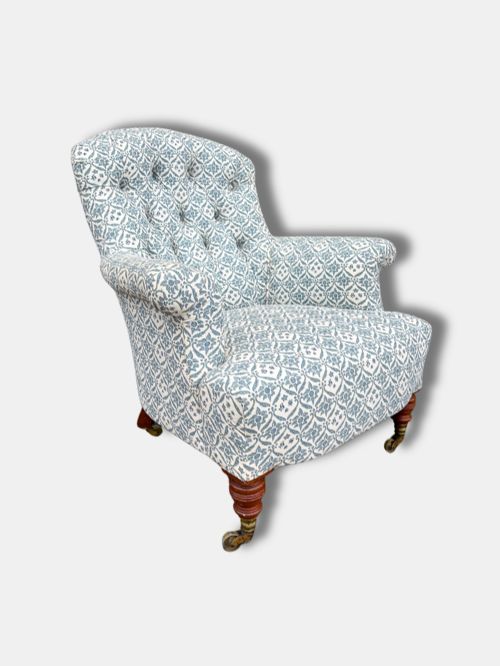
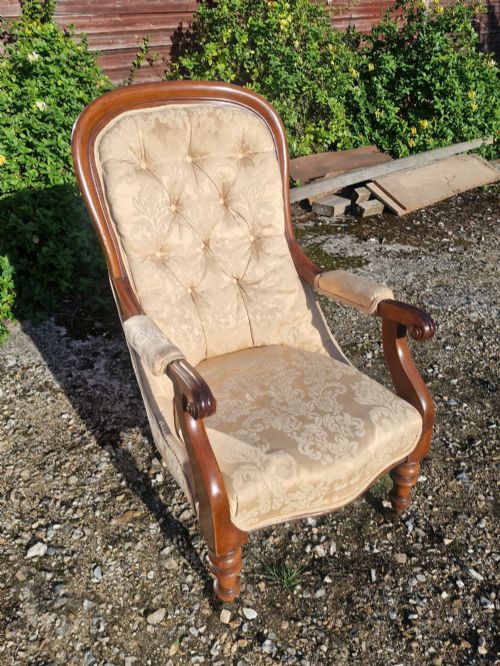
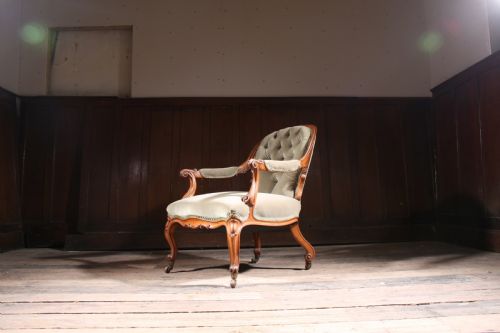
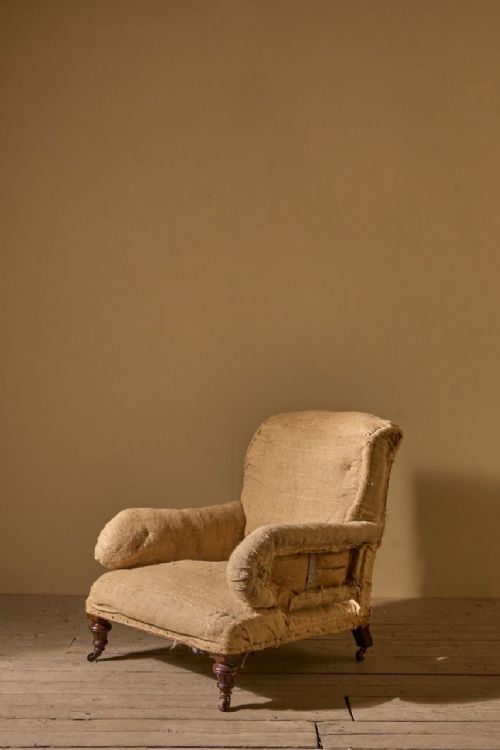
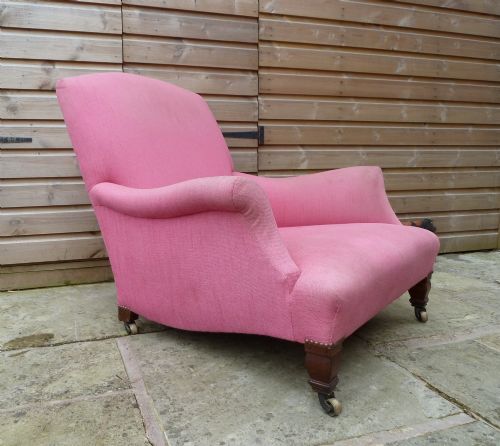
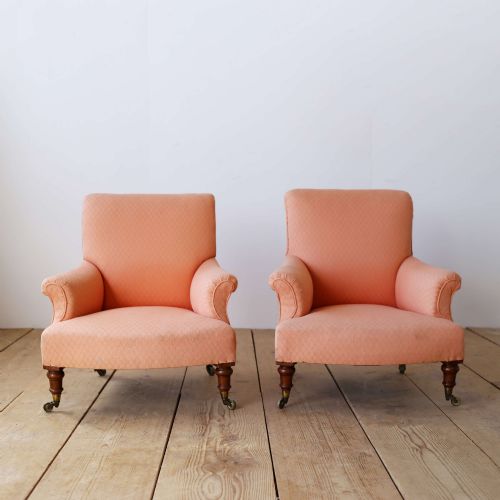
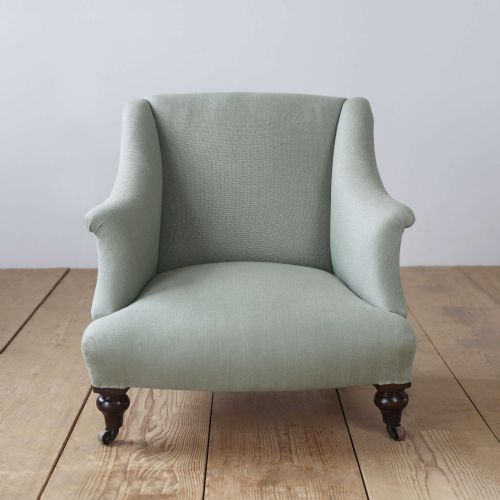
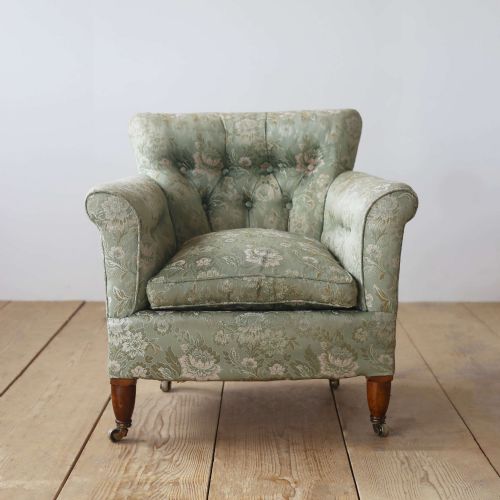
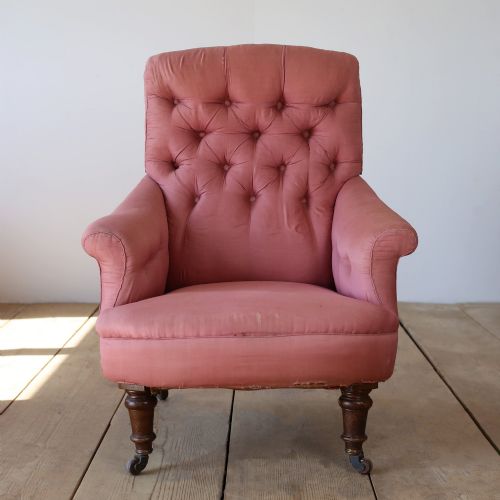
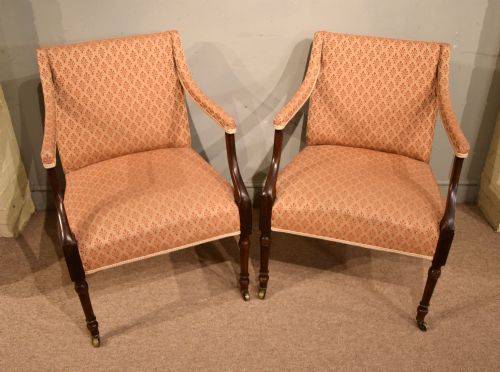
A victorian chair with castors covers a wide assortment of seating designed during the nineteenth century, spanning dining rooms, libraries, and parlours. These chairs sit upon small rolling wheels set into the feet, allowing heavy wooden frames to glide smoothly across carpets and floorboards.
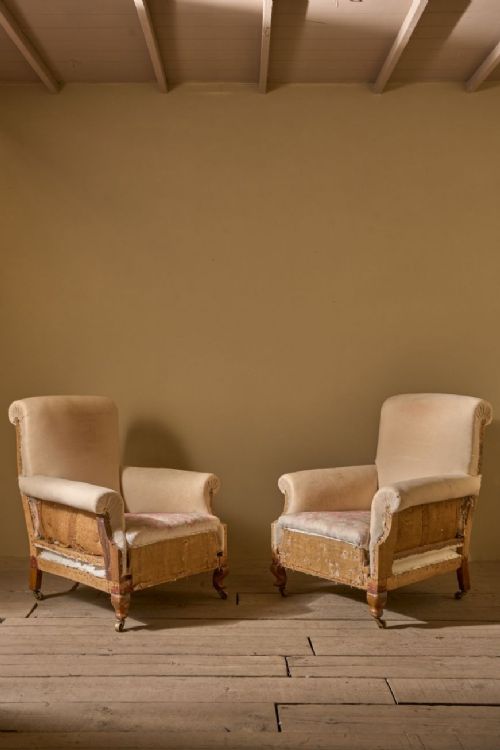
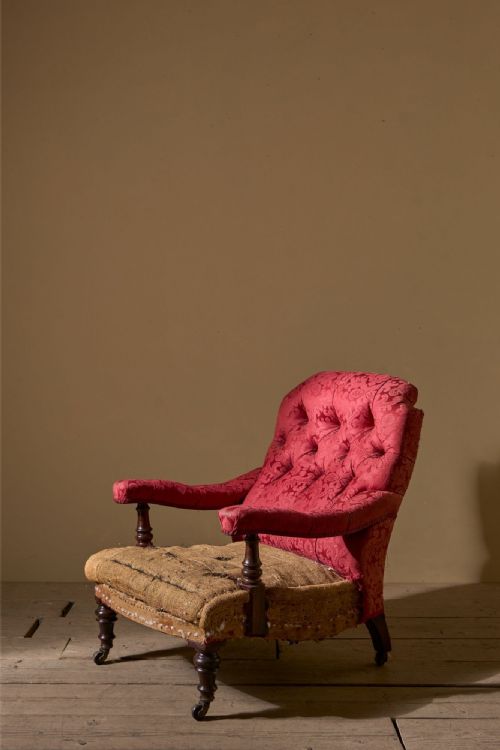
Armchairs, button-backed fireside seats, and dining sets dominate the forms found here. Pieces range from modest nineteenth-century bedroom chairs to substantial walnut and oak library armchairs bearing maker stamps.
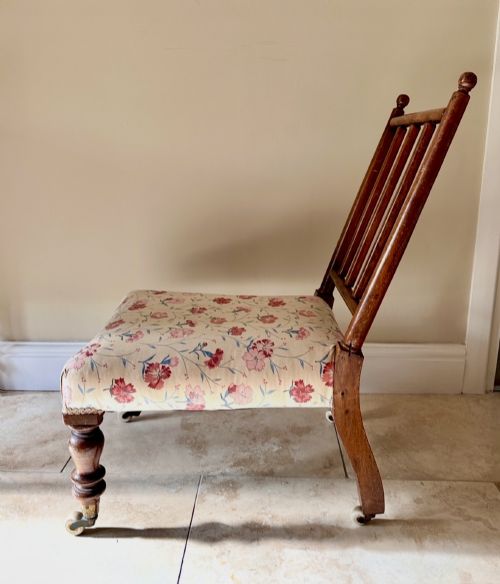
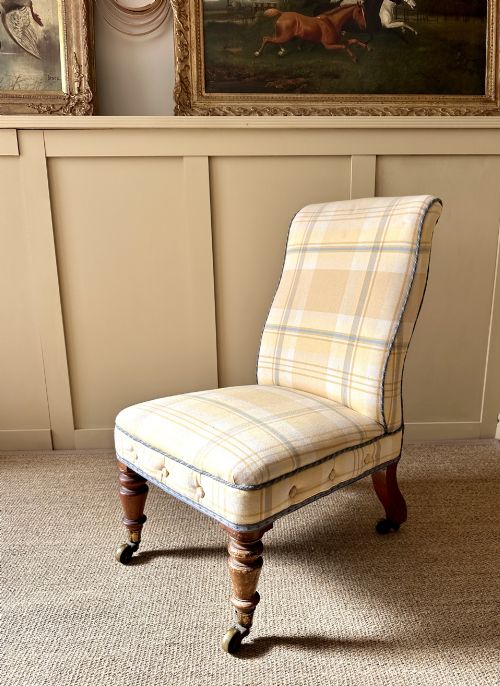
Originating largely from the Victorian period alongside select Regency and Edwardian pieces, these chairs reflect the varied domestic seating habits of nineteenth-century households. Buyers encounter everything from compact slipper chairs to expansive open armchairs.
How They Were Made
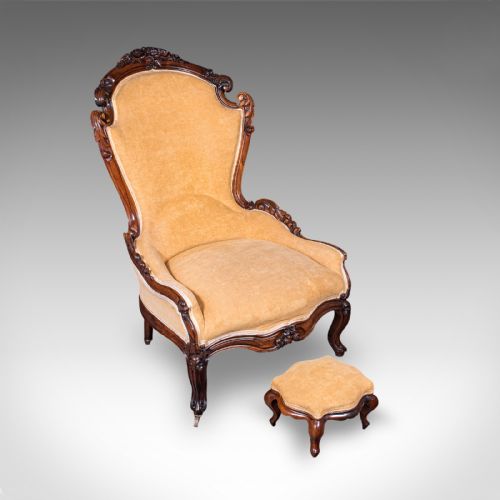
Frames rely upon traditional timbers including mahogany, walnut, oak, rosewood, and birds-eye maple, joined with durable cabinet-making techniques. Skilled artisans shaped showwood frames, carved cabriole or turned legs, and fitted metal sockets to house the rolling mechanism.
Upholstery techniques involve deep buttoning, sprung interiors, and hand-stitched coverings using velvet, tapestry, cotton, leather, and needlework. Brass components secure the castors to the base of the legs, ensuring the weight of the timber and upholstery rests firmly on the metal wheels.
Victorian Chair with Castors Retail Price Guide 2026
Typical asking prices for victorian chair with castors among the pieces listed under this phrase on Sellingantiques today, from the lower quarter to the upper quarter. They describe what is for sale here now, not the wider market.
Period origins on this page range from the Regency era through Victorian decades to the Edwardian age.
What Varies In Quality
The distinction between standard seating and superior examples rests upon timber selection, carving depth, and structural integrity. Finer pieces display carefully figured mahogany or walnut, crisp hand-carved ornamentation on the showwood frame, and robust internal framing that withstands decades of daily use.
Maker attribution and original hardware elevate a piece significantly. Chairs retaining stamped maker marks, original castors, and period-appropriate upholstery styles demonstrate a level of craftsmanship that separates workshop masterpieces from routine domestic furniture.
Howard and Sons·James Shoolbred·William Birch
The Victorian Chair with Castors Glossary
- Castor
- A small swivelling wheel fitted to the base of a furniture leg to aid movement. These wheels are frequently fashioned from brass and mounted into wooden cups.
- Button back
- An upholstery style where depressions are formed in the padding by stitching deep buttons at regular intervals. This technique creates a tufted surface that holds stuffing firmly in place.
- Showwood
- Timber framework left exposed around the upholstered portions of a chair. It highlights the grain and carved details of woods like walnut or mahogany.
- Bergere
- An enclosed armchair with a wooden frame and woven cane panels on the back and sides. These pieces often feature loose squab cushions for seating comfort.
- Slipper chair
- A low-seated bedroom chair originally designed for ladies to sit upon while putting on shoes. Their compact height and lack of arms distinguish them from standard armchairs.
Victorian Chair with Castors: Frequently Asked Questions
How do I clean the wooden frame?
Dust the timber regularly with a soft, dry cloth to prevent dirt accumulation on carved details and showwood surfaces. Apply a quality beeswax periodically to nourish the grain and maintain the natural lustre of mahogany or walnut.
Avoid using modern silicone sprays or excessive water, which can damage historic finishes and seep into joined timber sections. Gentle care preserves the original patina built up over decades of domestic use.
Were castors original to these chairs?
Many nineteenth-century seating designs incorporated castors specifically to allow heavy upholstered armchairs and dining suites to move across thick carpets. Makers fitted brass cappings and wheels into the base of turned or carved wooden legs during initial production.
While some castors are replaced during restoration work, original brass fittings display appropriate wear and secure mounting methods consistent with nineteenth-century workshop practices.
Can I use these chairs daily?
These robust nineteenth-century frames are built from dense timbers like oak and mahogany, making them entirely suitable for regular daily seating. Their sturdy construction handles standard household use without compromising structural integrity.
Checking the stability of the joints and the condition of the internal webbing ensures the chair remains supportive for everyday reading, dining, or relaxing.
What fabric styles match these periods?
Historical accuracy points towards traditional textiles such as heavy cotton, velvet, tapestry, needlework, and leather. Many surviving pieces feature button-backed upholstery or patterned covers that reflect Victorian and Edwardian tastes.
When reupholstering, selecting woven period-style fabrics or stamped leathers helps maintain the historical character of the armchair or dining seat.