
Antique Upholstered Slipper Chair
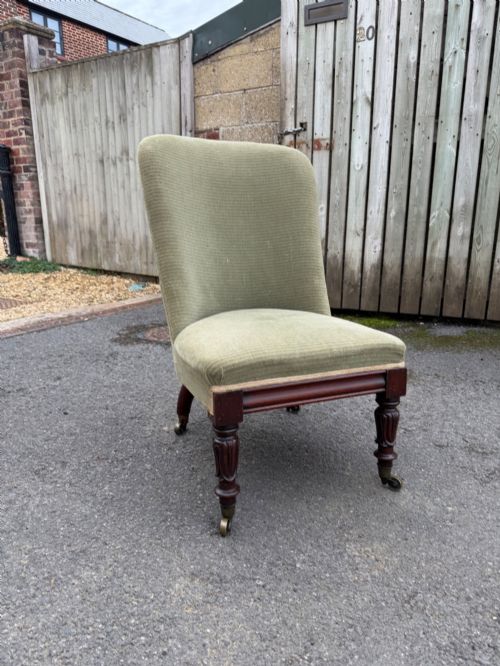
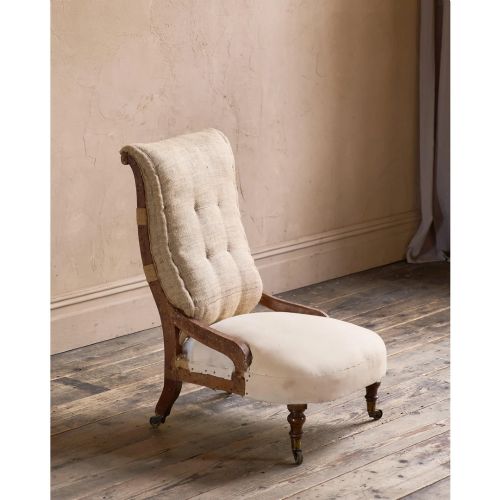
An antique upholstered slipper chair offers low, deep comfort designed originally for dressing rooms, emerging mostly from Victorian and nineteenth-century workshops.
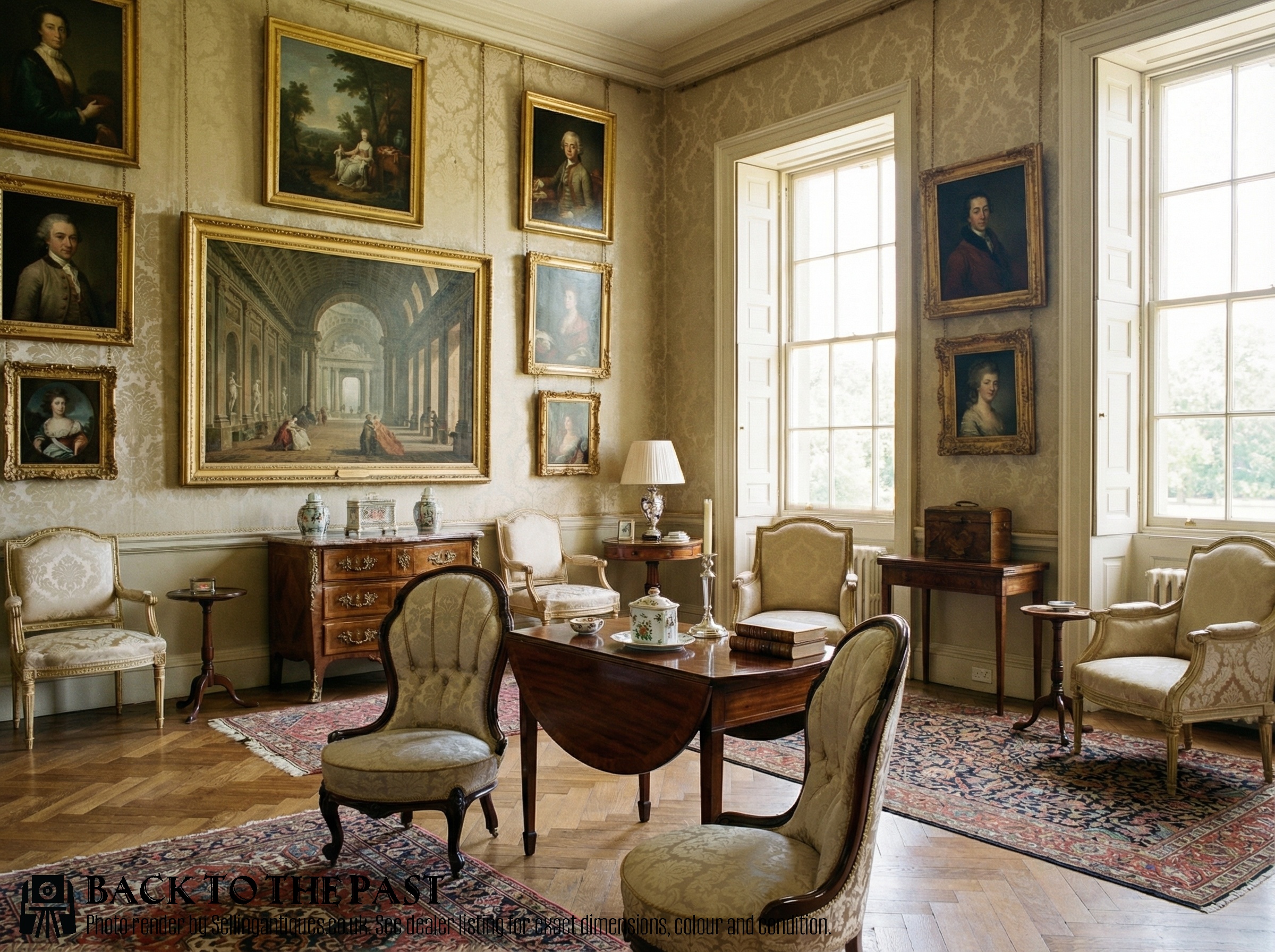
Antique Upholstered Slipper Chair
When you search for an antique upholstered slipper chair, you encounter low-slung seating designed originally for nineteenth-century bedrooms and dressing rooms to allow easy removal of shoes. These pieces frequently overlap with nursing chairs, occasional chairs, and small armchairs in the records.
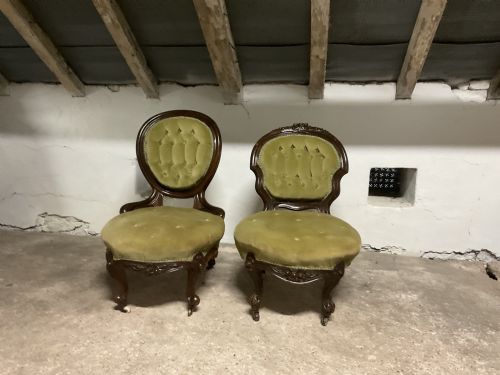
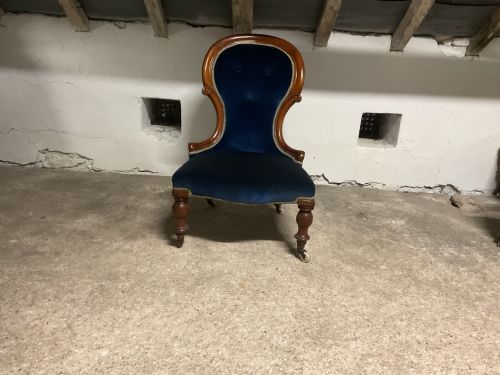
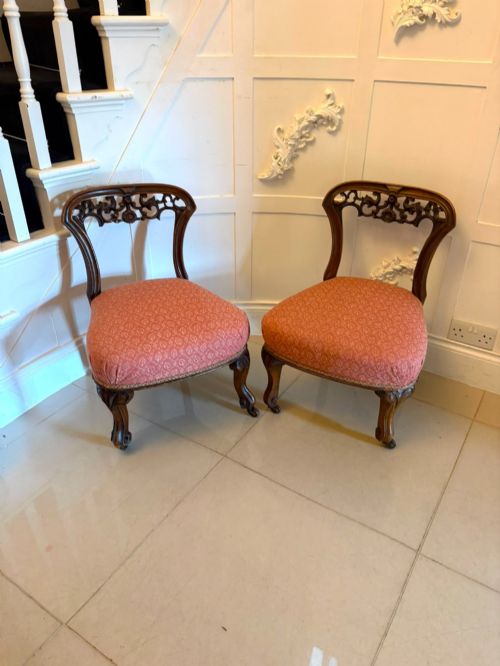
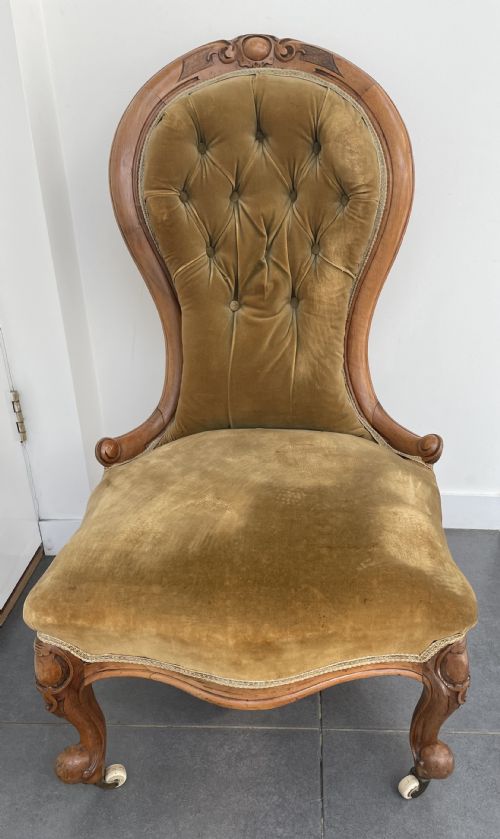
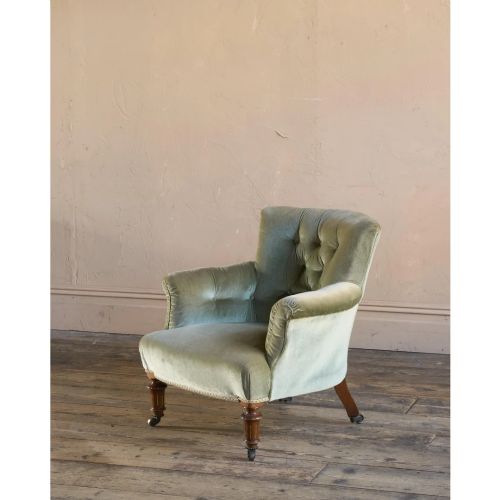
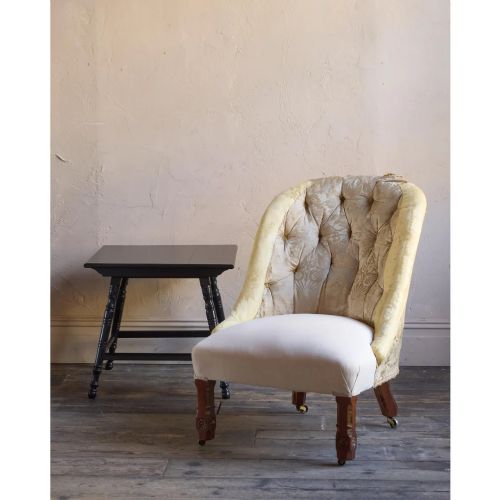
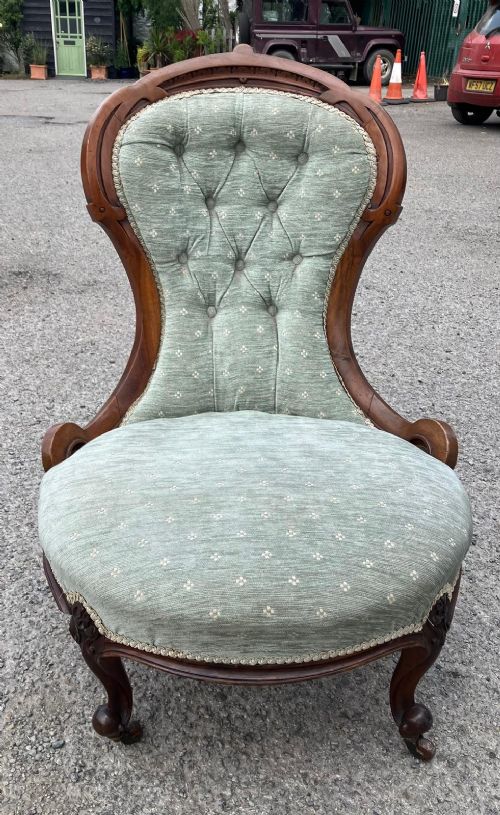
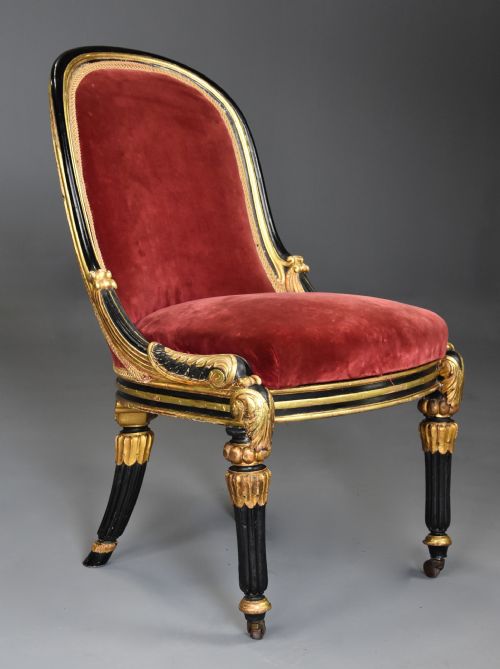
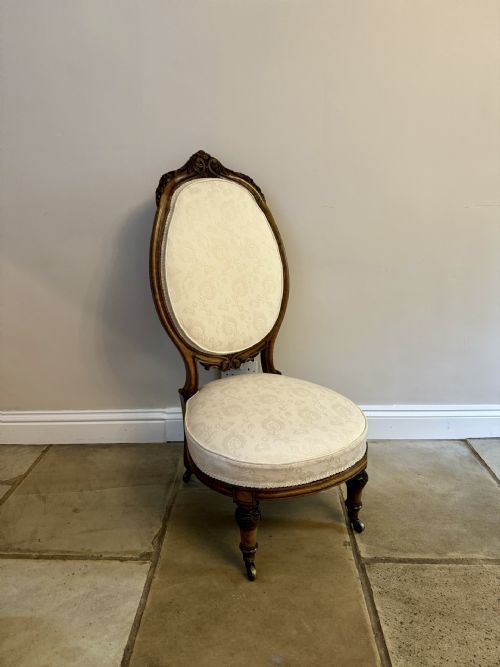
Victorian examples dominate the selection, often rendered in walnut or mahogany with button-backed upholstery and low seats. You also find Edwardian pieces, French Napoleon III designs, and earlier Regency or George IV forms.
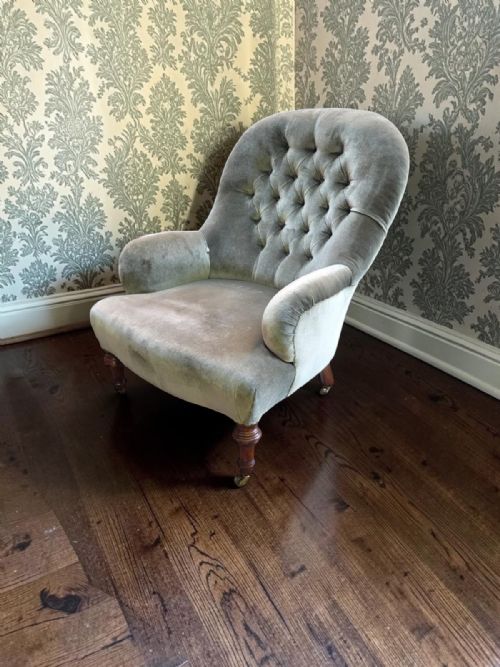
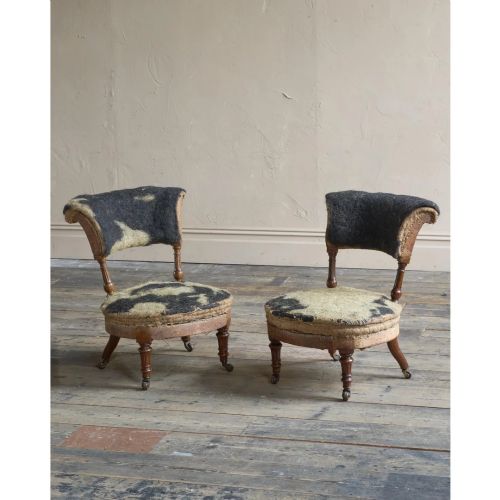
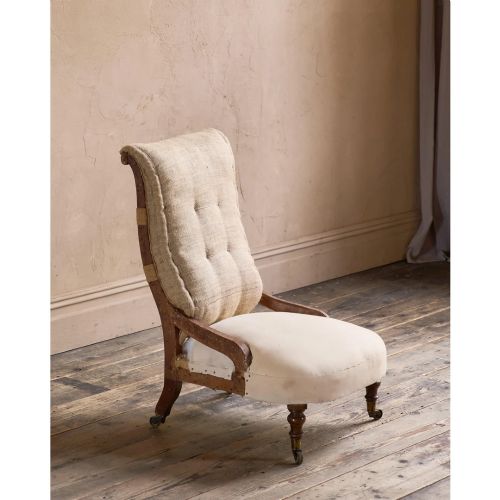
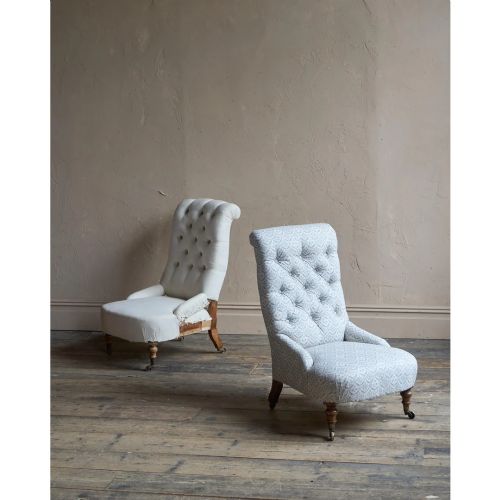
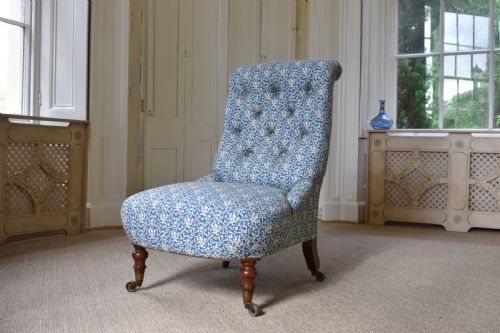
The silhouettes range from round-backed tub chairs and scroll-backed frames to iron-back loungers covered in velvet, tapestry fabric, or hessian. Their compact proportions make them versatile accent chairs for modern drawing rooms and bedrooms.
Materials and construction
Makers built these frames using hardwoods such as mahogany, walnut, rosewood, and birds eye maple, supplemented by giltwood and ebonised finishes on French imports. Brass fittings and castors often appear on the legs to aid movement across carpets.
Upholstery relied on traditional stuffing techniques enclosed in fabrics like velvet, tapestry, and contemporary designer prints such as Robert Kime. Iron supports and webbing formed the internal foundation for buttoned backs and sprung seats.
Antique Upholstered Slipper Chair Retail Price Guide 2026
Typical asking prices for upholstered slipper chair among the pieces listed under this phrase on Sellingantiques today, from the lower quarter to the upper quarter. They describe what is for sale here now, not the wider market.
Designed so ladies could slip off their shoes without tumbling over.
Distinguishing quality
Quality rests primarily in the integrity of the timber frame and the sculptural curve of the back, where carved walnut or giltwood displays deeper chisel work on superior pieces. Maker attribution also elevates certain examples.
The success of the upholstery finish depends on how well the proportions are maintained, particularly on diminutive or low-slung frames where padding must support the low seat height without looking bulky.
Howard and Sons·Gillows
The Antique Upholstered Slipper Chair Glossary
- Slipper chair
- A low-seated upholstered chair originally designed for dressing rooms and bedrooms. Its low profile made it practical for changing shoes in the nineteenth century.
- Button back
- An upholstery style where depressions are formed in the padding by stitches pulled tight and secured with buttons. This technique creates a distinctive quilted texture.
- Nursing chair
- A low-slung armchair designed to provide comfort for feeding infants. These pieces share a close lineage with slipper chairs in nineteenth-century homes.
- Tub chair
- An armchair with a continuous curved back and arms forming a rounded enclosure. They appear frequently in Victorian and Edwardian bedroom settings.
- Hessian
- A coarse woven fabric made from jute fibres used traditionally as an internal scrim for upholstery stuffing. It provides a stable base for top covers.
Antique Upholstered Slipper Chair: Frequently Asked Questions
What is a slipper chair used for?
These low seats were built for nineteenth-century dressing rooms and bedrooms to provide a comfortable place for putting on footwear.
Today, their compact dimensions suit them to corners, bedrooms, and low-profile living room settings.
How do I date a slipper chair?
Dating relies on timber choices like mahogany and walnut, alongside stylistic cues such as Victorian button backs or French Napoleon III scroll frames.
Evidence from nineteenth-century periods also points to maker stamps and specific frame proportions to narrow down the decade.
Are these chairs comfortable for daily use?
Their low seats and sprung or webbed upholstery provide a distinct sitting posture that feels different from a standard lounge armchair.
Many period examples retain supportive padding while offering a compact footprint for smaller spaces.
What fabrics are appropriate for these chairs?
Historical examples utilise velvet, tapestry, and heavy woven textiles, often finished with fringe or button detailing.
Restorers frequently pair these antique frames with traditional or contemporary patterned fabrics to suit modern interiors.