

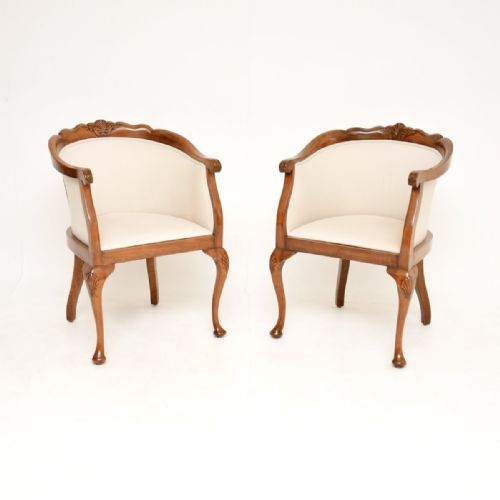
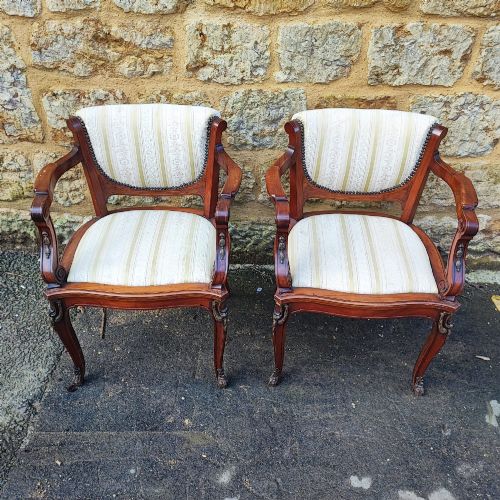
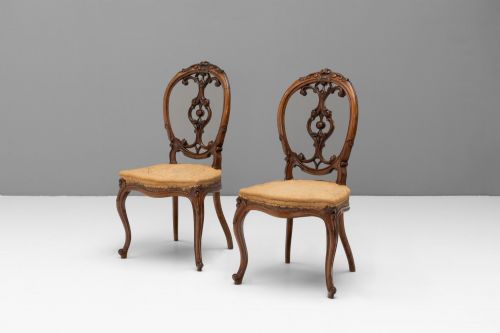
Carved Walnut Bedroom Chair
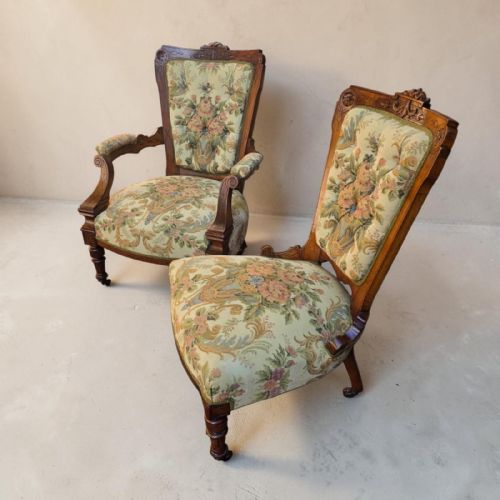
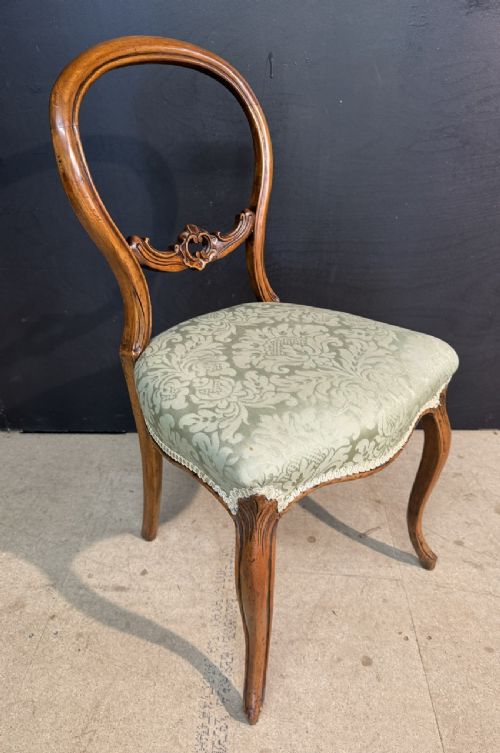
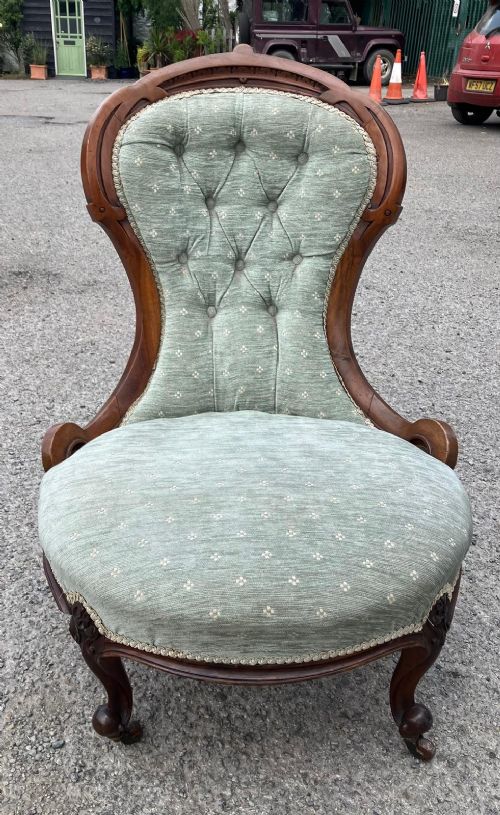
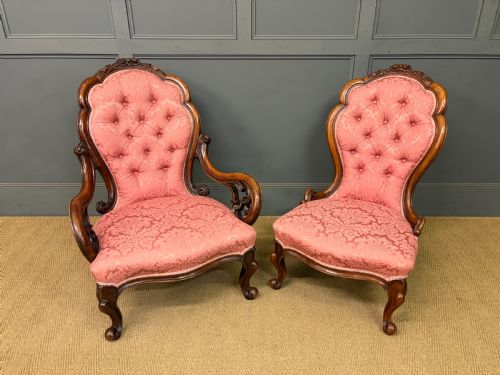
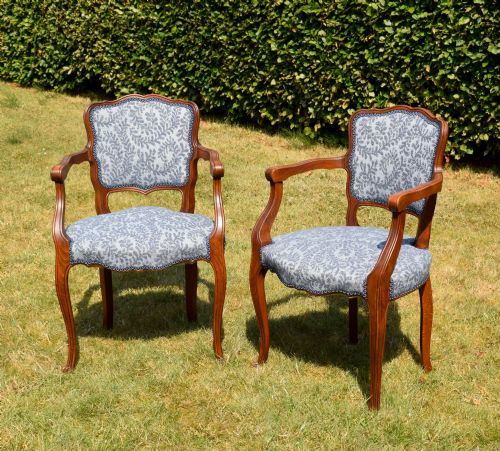
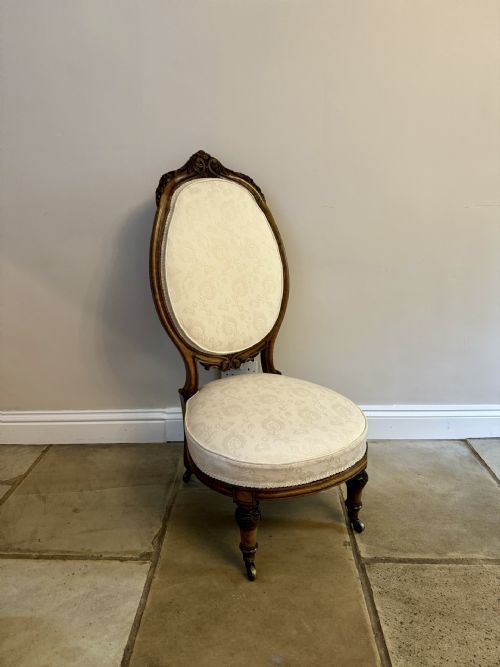
A carved walnut bedroom chair brings Victorian refinement to a room with its rich timber and elegant carved details.
What these pieces are
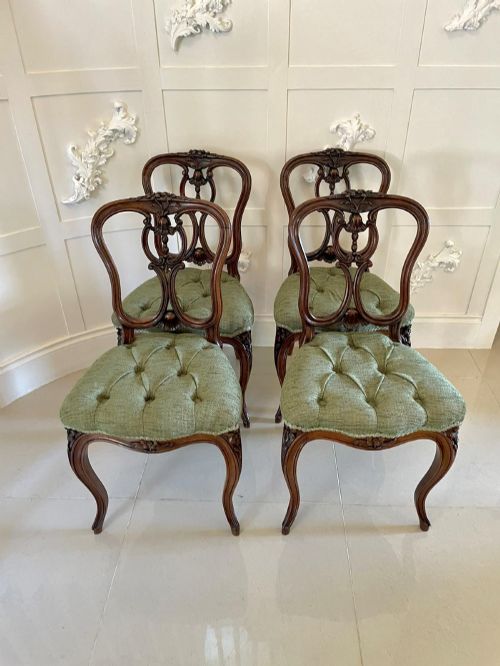
The Victorian era dominates the selection, with specific examples exhibiting Victorian Rococo Revival styling. Buyers encounter pieces dating across several decades from eighteen fifty through to eighteen eighty, alongside broader nineteenth century designations.
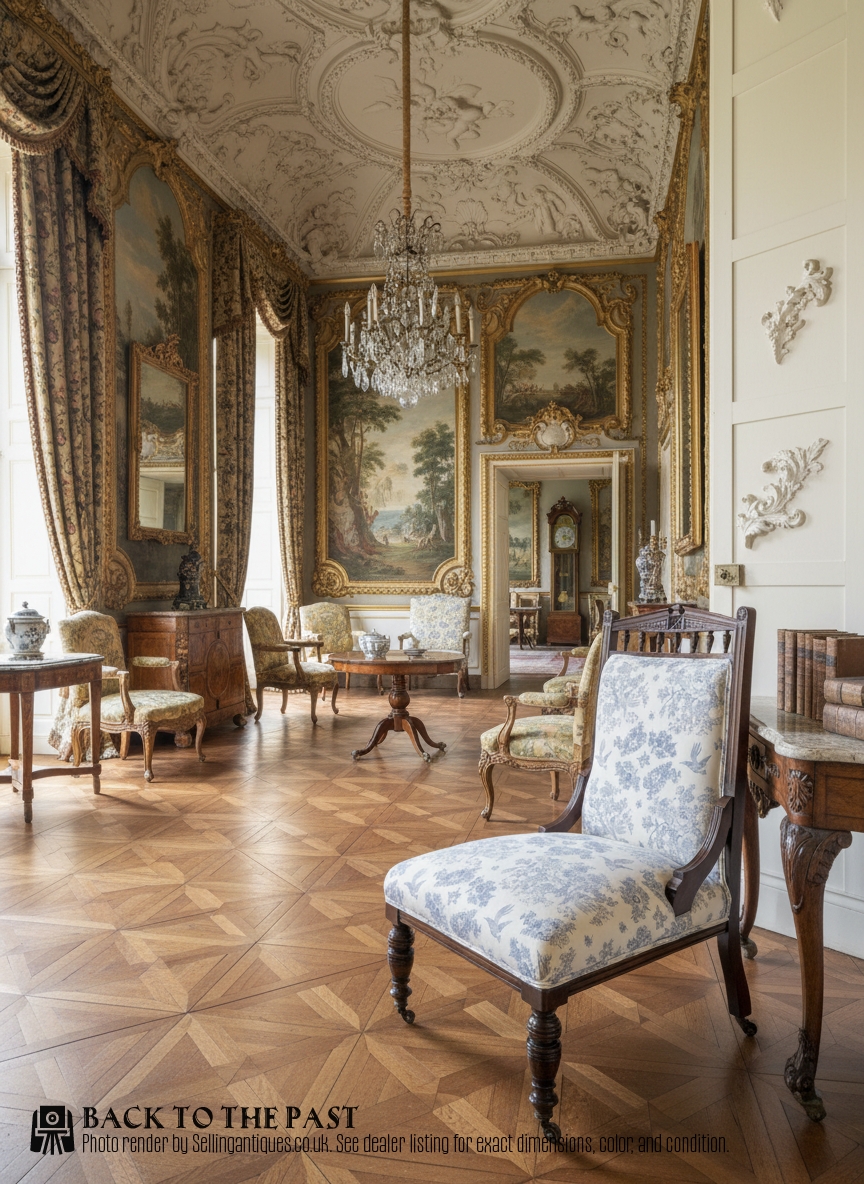
How they were made
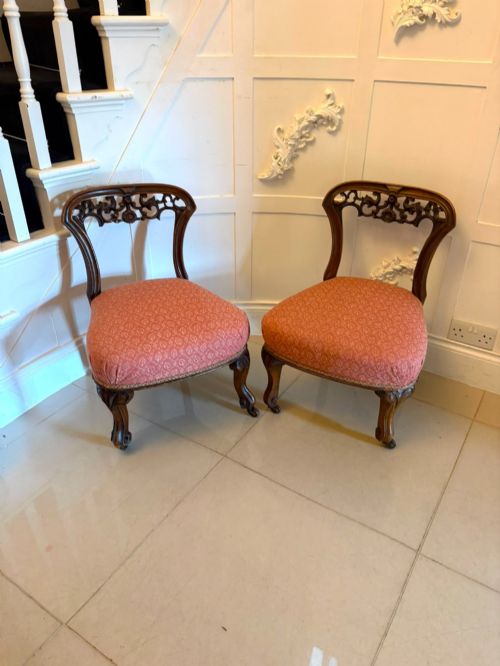
Makers utilised solid walnut timber as the primary structural material, shaping the wood to form curved frames and supportive backs. Carving techniques were applied directly to the walnut to create decorative flourishes and defined contours.
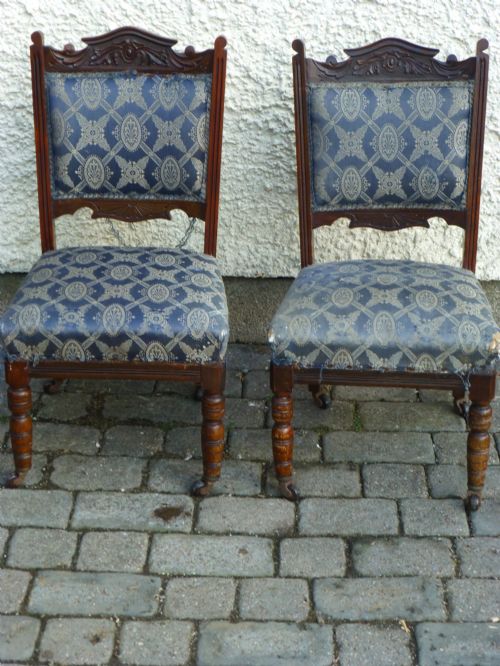
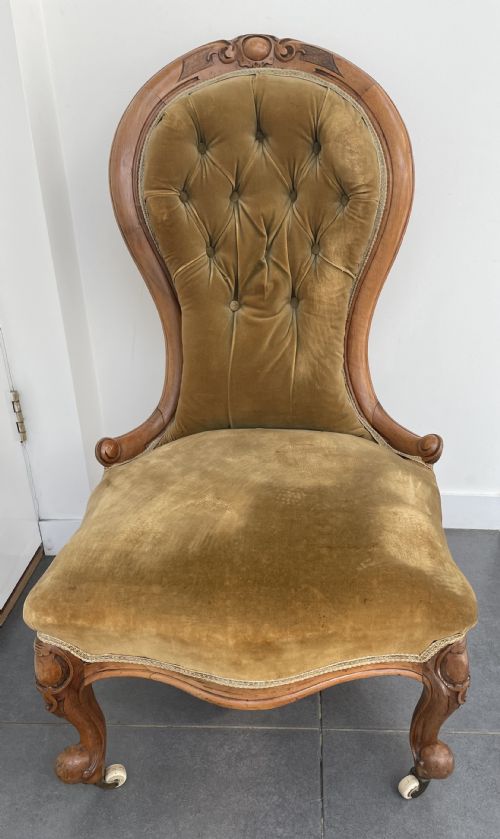
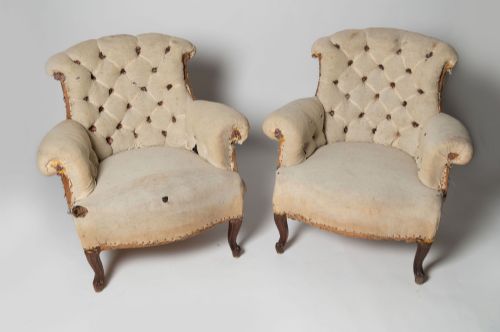
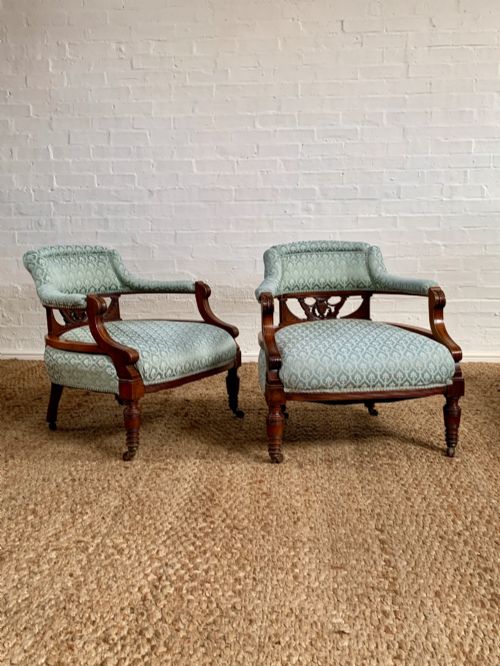
Comfort was integrated through upholstered elements using fabric, velvet, and various upholstery fabrics. Additional components occasionally incorporated ceramic and brass details to complete the construction of the frame and castors.
Retail Price Guide 2026
Typical UK retail prices for carved walnut bedroom chair, calculated from the Sellingantiques database of over a million retail prices indexed since 2003. This retail price guide relies exclusively on Sellingantiques data; no external sources or auction records are used, so the figures do not describe the wider market.
These chairs offered nineteenth century sitters a plush retreat framed in timber grown decades before.
What varies in quality
The refinement of the carved walnut framework dictates the upper tier of the range, where intricate detailing shows superior handwork by nineteenth century artisans. Simpler frames with minimal shaping occupy the more modest end of the spectrum.
The choice of covering material also influences the overall impression, with luxurious velvet distinguishing finer pieces from standard fabric upholstery. The structural integration of the timber and upholstery defines the lasting integrity of each chair.
The Carved Walnut Bedroom Chair Glossary
- Walnut
- A dense, dark hardwood utilised extensively for nineteenth century furniture framing. It accepts deep carving exceptionally well.
- Nursing chair
- A low-seated chair historically designed for comfortable feeding or nursing infants. These pieces often feature an upholstered back and sprung seat.
- Rococo Revival
- A mid-nineteenth century design style characterised by exuberant, asymmetrical naturalistic carving. It draws inspiration from eighteenth century French motifs.
- Side chair
- An upright chair without arms intended for occasional seating around a room. These items complement larger armchairs within a bedroom set.
- Spoon back
- An oval upholstered chair back shaped to resemble the hollow of a spoon. This ergonomic form provides lumbar support.
Frequently Asked Questions
What is a carved walnut bedroom chair used for?
These pieces function primarily as decorative and functional seating within bedrooms, dressing rooms, or private parlours. Historically, lower variants served as comfortable seats for nursing infants.
Today, collectors utilise them as accent pieces or occasional seating to add period character to domestic interiors.
How can I tell the period of a chair?
Dating relies on stylistic indicators such as Victorian Rococo Revival curves, timber selection, and construction methods. Pieces generally date from the mid to late nineteenth century.
Examining the underlying upholstery techniques and walnut framing provides further clues regarding the exact decade of manufacture.
Are these chairs comfortable for daily use?
Most pieces feature padded upholstery with fabric or velvet coverings designed for relaxed sitting. Their lower seat heights and supportive spoon backs offer a distinct ergonomic experience compared to modern dining chairs.
Buyers often place them in low-traffic areas to preserve the antique fabric and structural integrity.
What materials are used in these chairs?
The primary structural material is solid walnut, chosen for its rich colour and suitability for detailed carving. Upholstery materials include traditional fabrics and velvet.
Some examples incorporate small brass or ceramic components within their hardware or castor assemblies.