

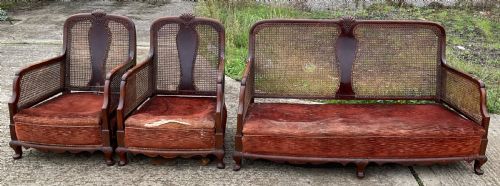
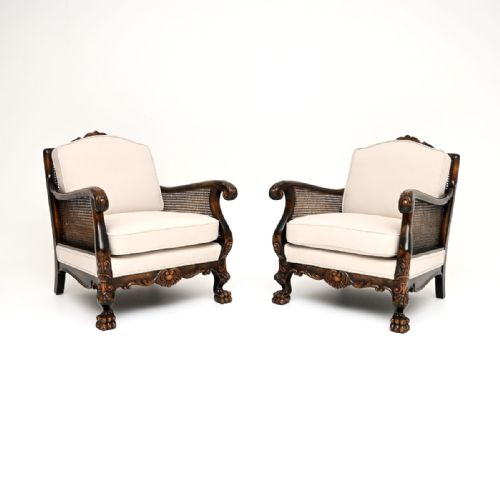
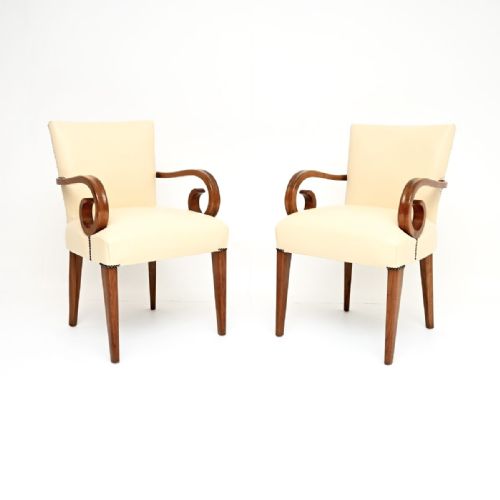
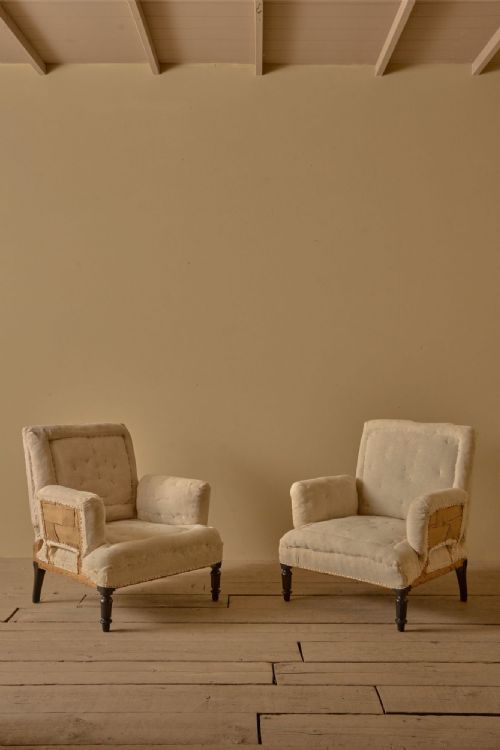

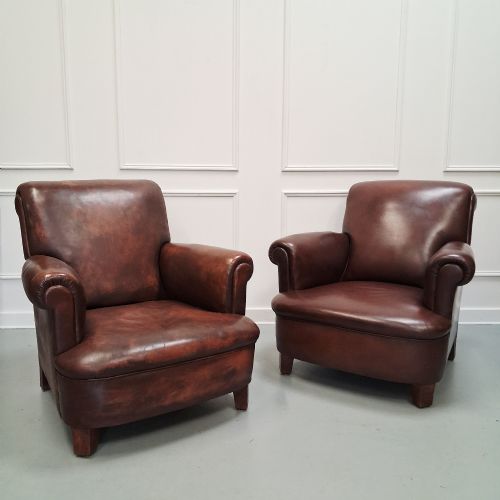
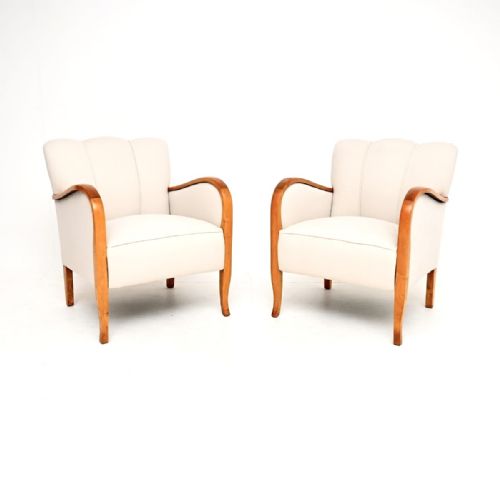
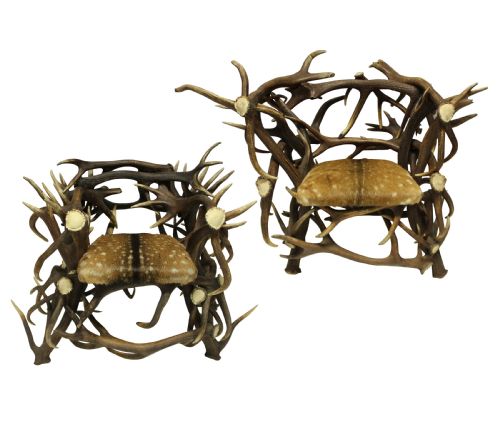
Antique Lounge Chairs Pair
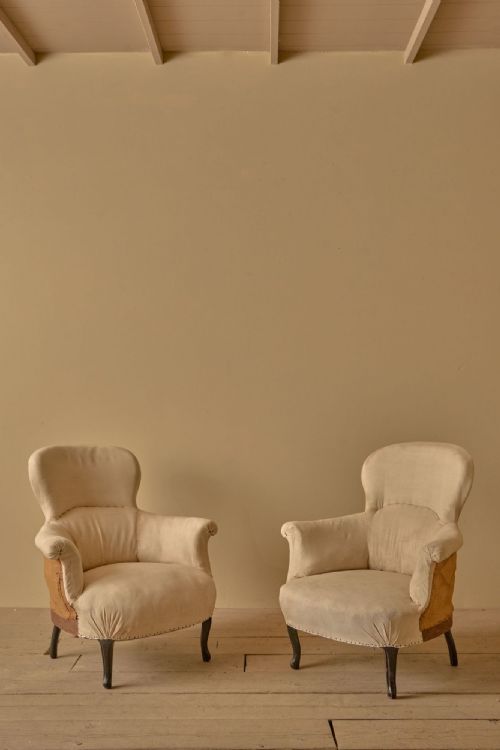
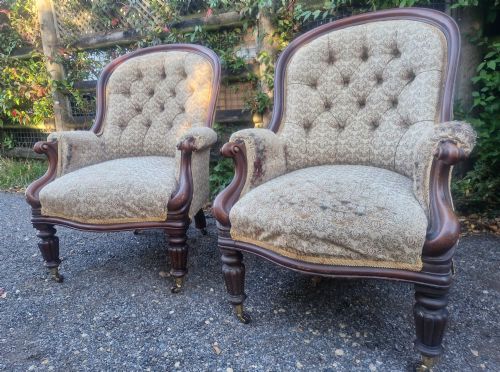
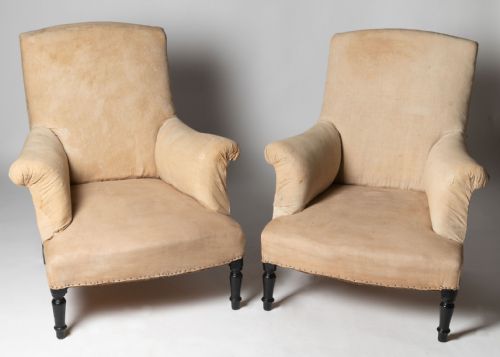
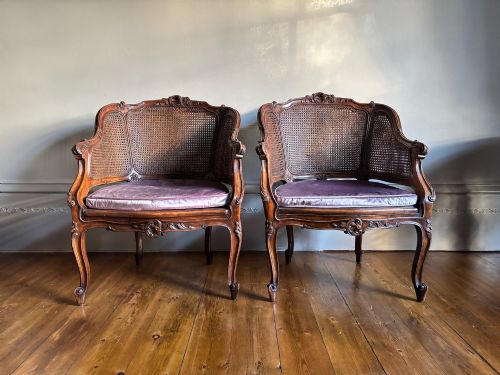
An antique lounge chairs pair brings genuine period character and deep seating comfort to a room, offering matched silhouettes that anchor a seating arrangement.
Antique Lounge Chairs Pair
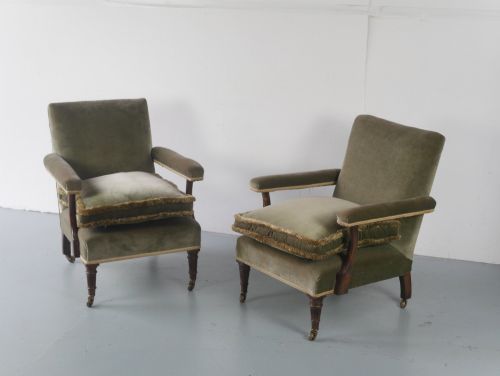
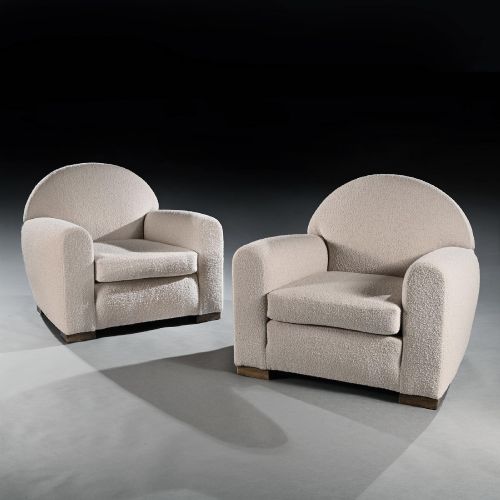
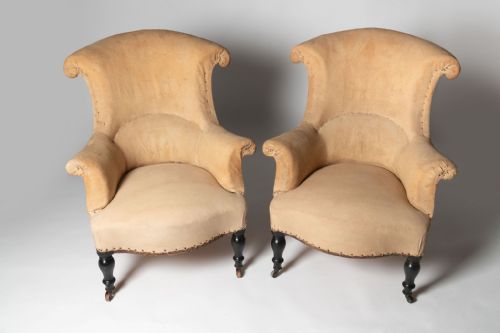
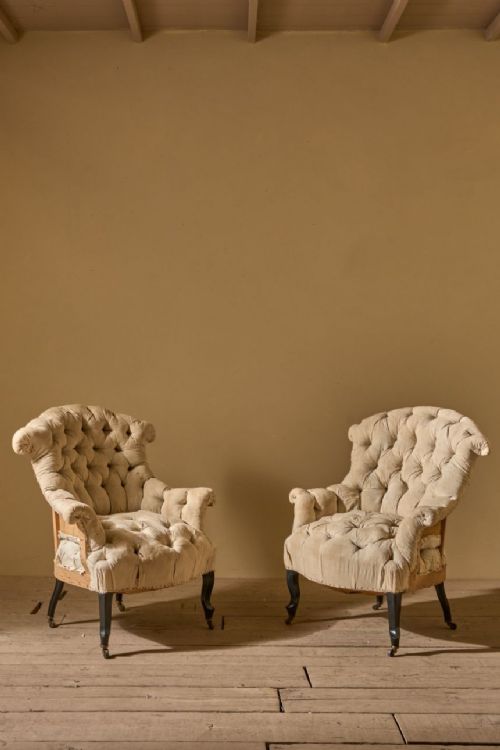
When you search for an antique lounge chairs pair, you encounter matched seating from the nineteenth and early twentieth centuries, spanning from eighteen fifty through nineteen twenty. These pieces appear in forms such as armchairs, club chairs, wing back chairs, and nursing chairs.
You are most likely to meet Victorian and Georgian style examples alongside French Renaissance Revival and Jacobean Revival pieces. The selection includes frames built from oak, mahogany, walnut, hardwood, and bentwood.
The configurations range from deep seat lounge easy chairs to upholstered salon and wing chairs. Each pair provides the unified look that collectors seek for balanced interior schemes.
How they were made
Makers constructed the sturdy frames using solid timbers including oak, mahogany, walnut, and hardwood, often shaping bentwood for specific designs. These structural elements provided the durability required for daily seating.
Upholstery techniques involved traditional fabric, leather, and velvet coverings secured over supportive padding. Brass details frequently appeared as functional or decorative hardware on these frames.
Antique Lounge Chairs Pair Retail Price Guide 2026
Typical asking prices for lounge chairs pair among the pieces listed under this phrase on Sellingantiques today, from the lower quarter to the upper quarter. They describe what is for sale here now, not the wider market.
Listings feature pieces spanning the nineteenth century and early twentieth century, utilising oak, mahogany, walnut, leather, velvet, and brass.
What varies in quality
The distinction between standard examples and superior pieces rests in the handling of the timber frame and the refinement of the carved details. Finer pairs exhibit crisp joinery and sophisticated stylistic revivals such as French Renaissance or Jacobean motifs.
Material selection also dictates the standing of a pair, with rich walnut and mahogany frames paired with quality leather or velvet upholstery commanding greater attention. The integrity of the original wood and the ambition of the design separate basic seating from distinguished collector pieces.
The Antique Lounge Chairs Pair Glossary
- Wing Back
- An armchair with side panels extending from the back to shield the sitter from drafts. This form became particularly prominent in leather club chair designs.
- Bentwood
- Wood softened by steam and bent into curved structural shapes. This technique created distinct, flowing frames during the early twentieth century.
- Nursing Chair
- A low-seated armchair designed historically for comfort during child care. These pieces typically feature upholstered walnut frames from the Victorian era.
- French Renaissance Revival
- A nineteenth century decorative style drawing on sixteenth century French motifs. It manifests in heavy carved oak armchairs with classical ornamentation.
- Jacobean Revival
- An architectural and furniture style reviving seventeenth century English designs. Pieces in this style utilise dark woods and traditional turned supports.
Antique Lounge Chairs Pair: Frequently Asked Questions
What periods do these pairs cover?
The pieces span from the mid nineteenth century through the early twentieth century. Dates range from eighteen fifty for Victorian walnut nursing chairs up to nineteen twenty for leather wing backs and bentwood models.
This timeline encompasses Victorian, Georgian style, and revival periods. Each era brings distinct timber choices and upholstery styles to the matched pairs.
What materials were used?
Frames utilise solid timbers including oak, mahogany, walnut, hardwood, and bentwood. These structural woods provide the foundation for the seating.
Coverings include fabric, velvet, leather, and brass hardware elements. The combination of these materials defines the aesthetic of each specific era.
How do I identify a revival style?
Revival pieces draw on historic design vocabulary from earlier centuries. French Renaissance Revival pairs show heavy carved details, while Jacobean Revival pieces feature traditional turned woodwork.
Examining the specific ornamental motifs helps distinguish these revival periods from original antique eras. Makers applied these historical styles to nineteenth century seating forms.
Are these chairs comfortable for daily use?
Many of these pieces function as deep seat lounge easy chairs and club chairs. Their generous proportions were built specifically for relaxation.
Upholstered salon chairs and wing backs provide supportive seating. They combine historical craftsmanship with practical comfort for modern living spaces.