
Deep Seated Armchairs
Deep seated armchairs offer generous proportions and relaxed lounging, built for long hours of comfortable repose in country houses and parlours.
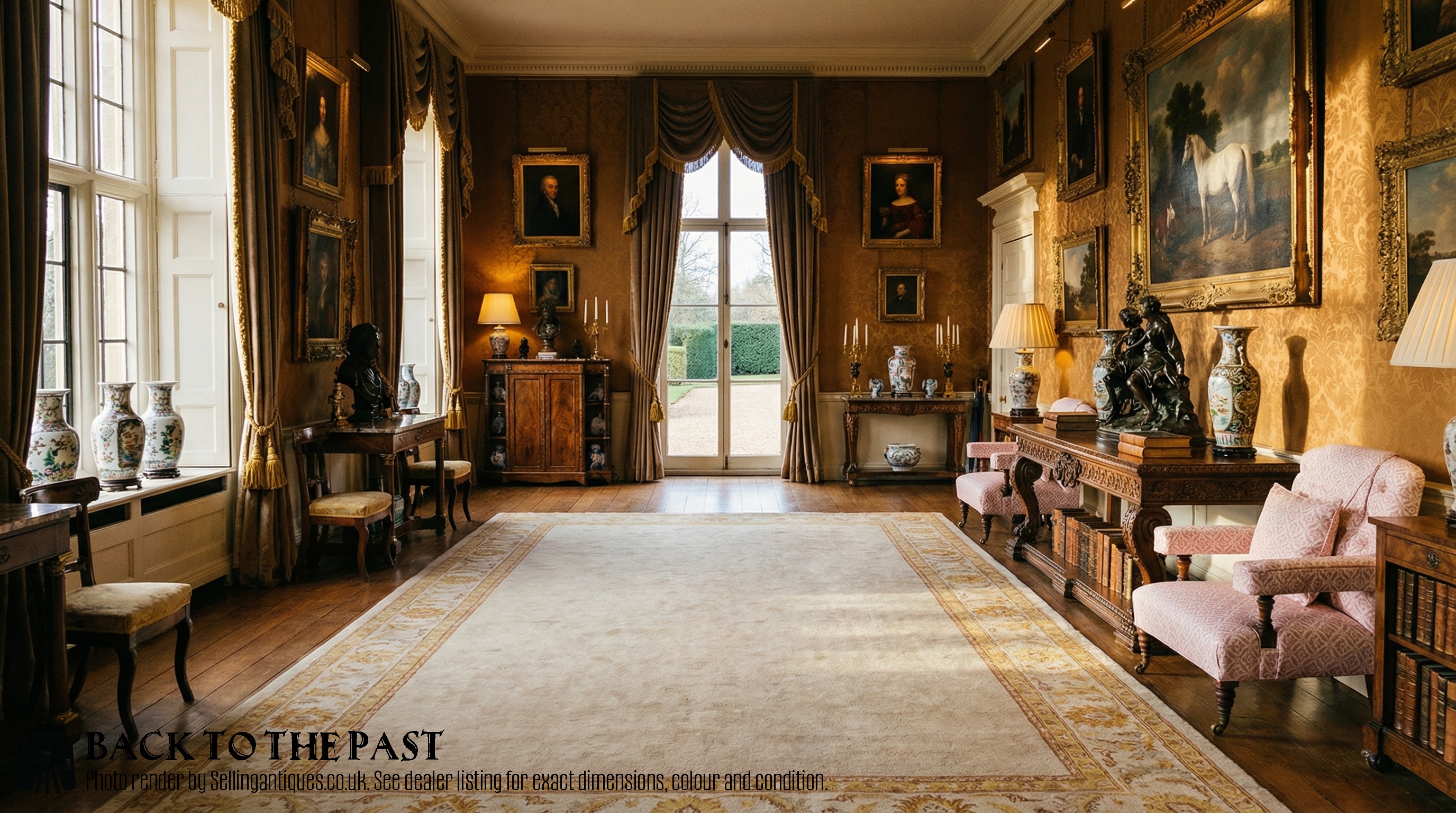
What deep seated armchairs are
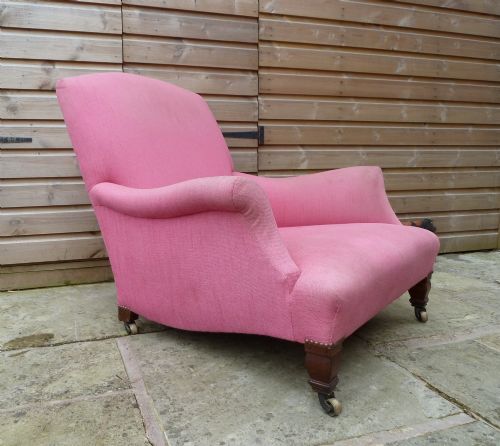
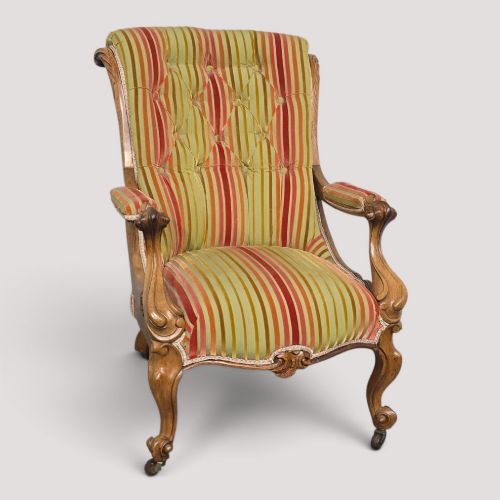
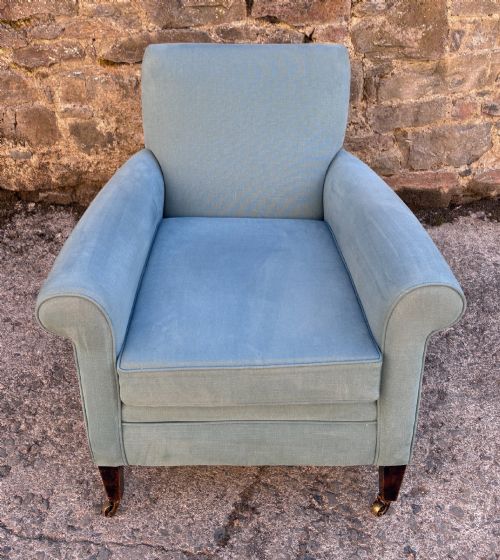
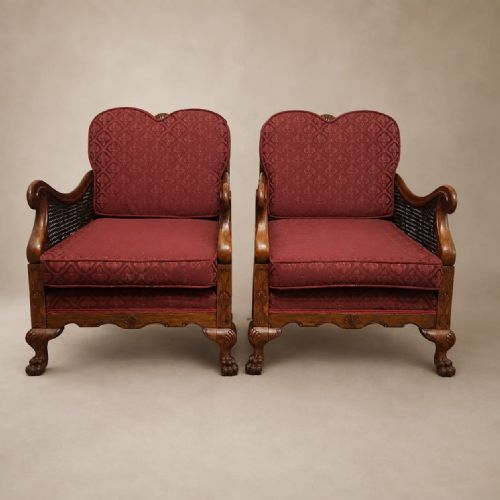
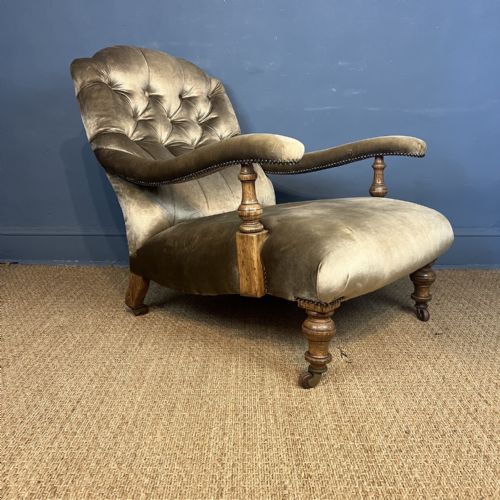
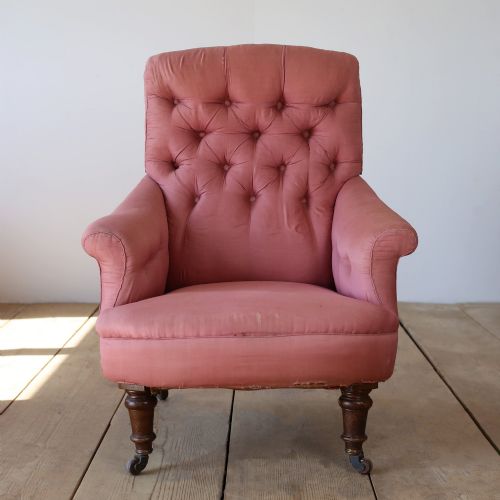
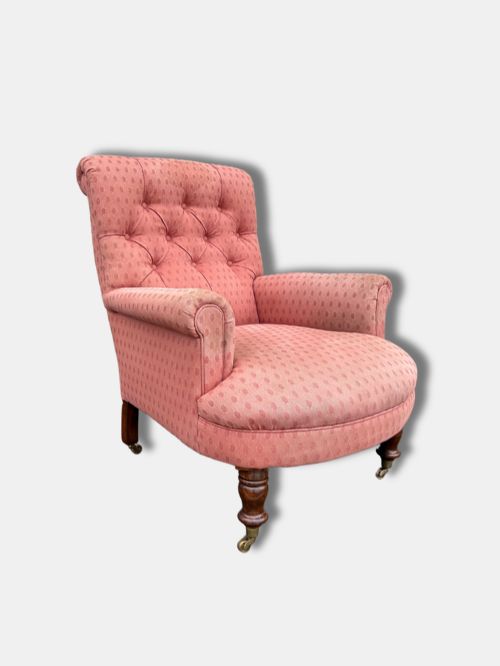
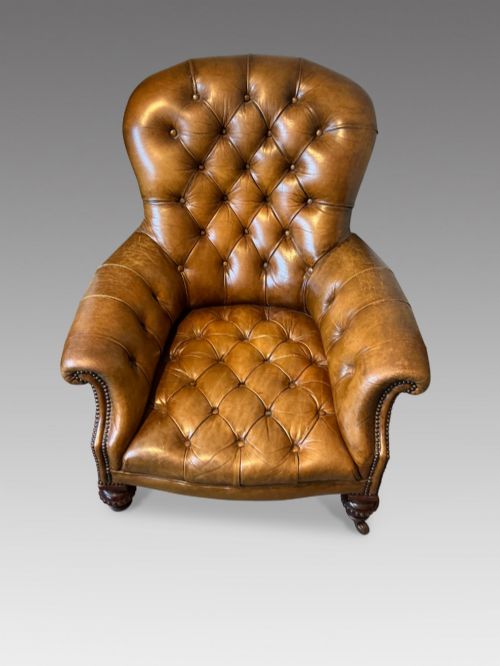
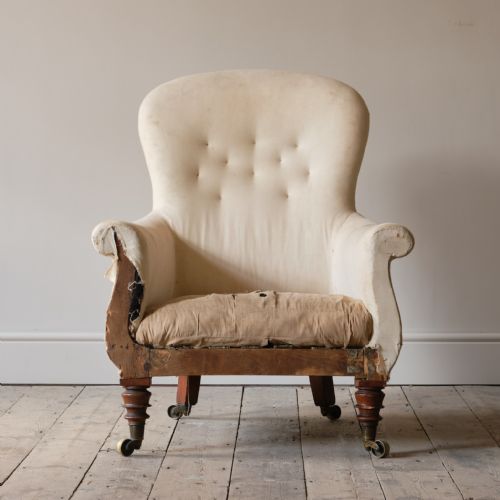
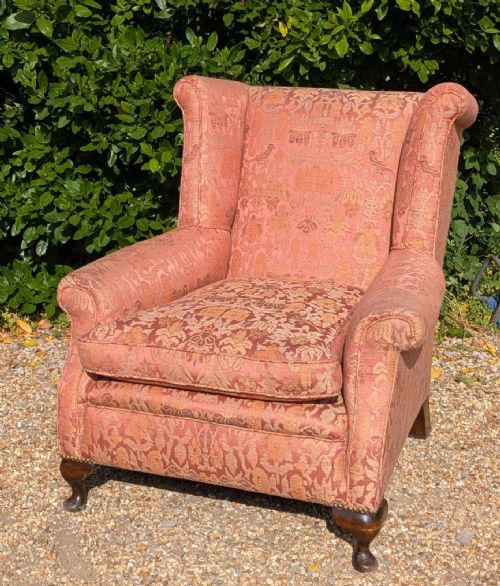
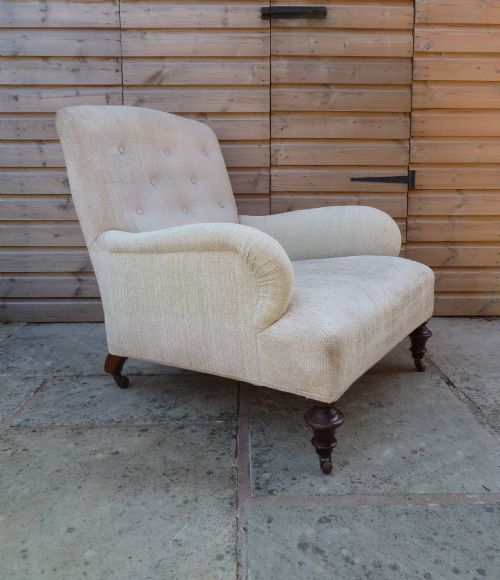
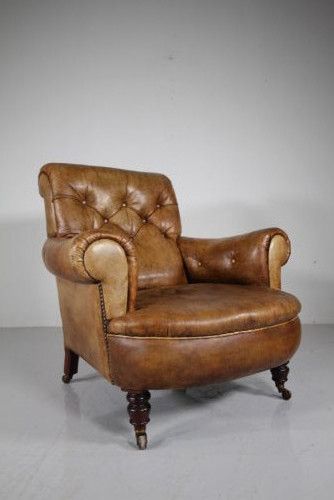
Deep seated armchairs are substantial lounging seats designed for comfort, frequently appearing as matched pairs within the listings. These pieces span the nineteenth century, the Edwardian era, and the early twentieth century.
The aesthetic leans towards English country house comfort and Jacobean Revival styling. You will regularly encounter Victorian and Edwardian examples featuring generous proportions for relaxed sitting.
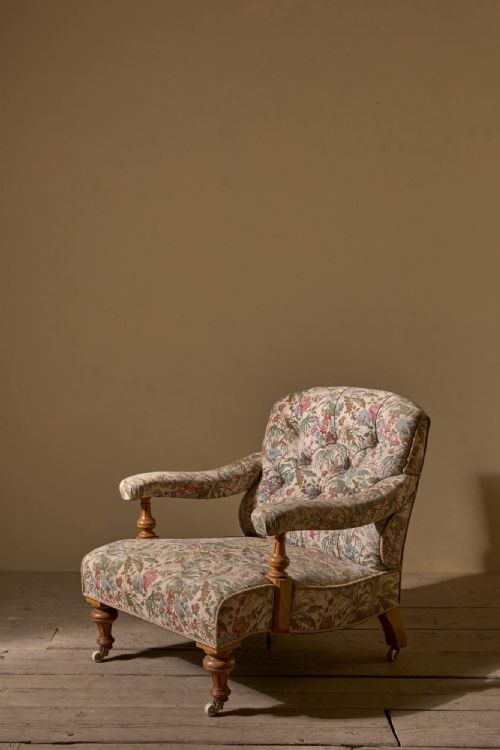
Makers such as Howard and Sons, Gillows, and Maple and Son dominate the better records, often rendered in specific models like the Grafton or Ingleby. Unattributed pieces in the style of Howard and Sons also feature prominently.
How they were made
The structural framework relies on sturdy timbers including walnut, mahogany, and general hardwood. These solid frames support the deep proportions required for comfortable lounging.
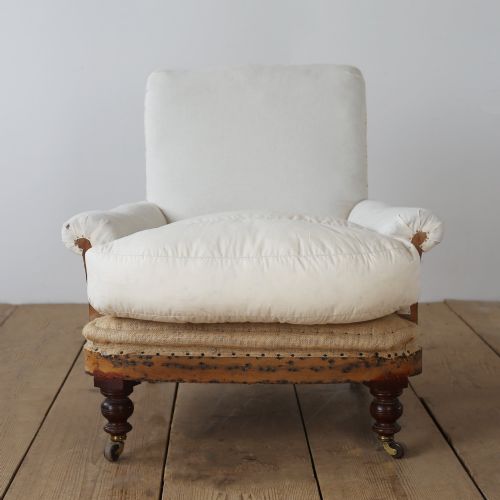
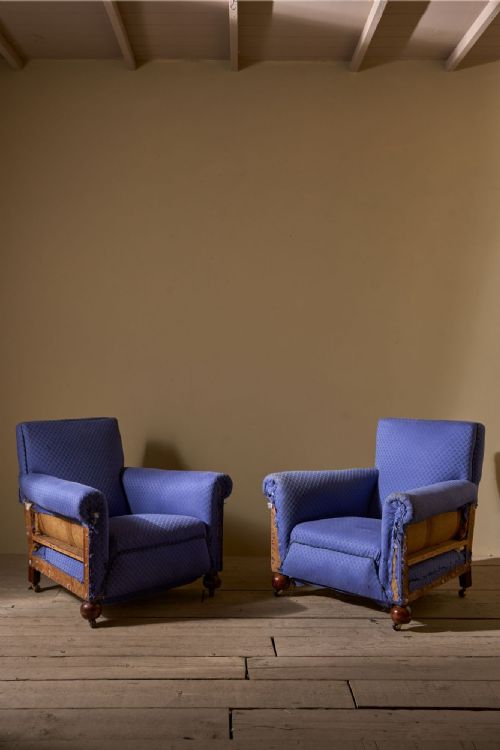
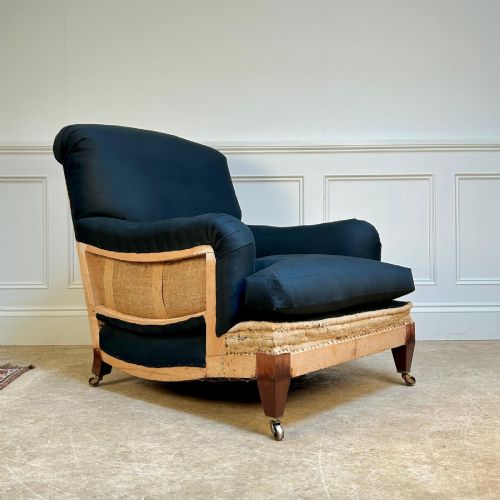
Internal construction incorporates traditional materials such as hessian, calico, and fabric upholstery. Brass details sometimes appear on castors or decorative elements associated with the frames.
Retail Price Guide 2026
Typical UK retail prices for deep seated armchairs, calculated from the Sellingantiques database of over a million retail prices indexed since 2003. This retail price guide relies exclusively on Sellingantiques data; no external sources or auction records are used, so the figures do not describe the wider market.
Many of these generous lounge seats require extra floor space simply because they were built for maximum eighteenth and nineteenth-century slouching.
What varies in quality
Quality rests upon the integrity of the underlying hardwood frame and the reputation of the maker. Pieces bearing stamps or labels from firms like Howard and Sons or Gillows command greater interest.
The fidelity of the upholstery preparation, using traditional hessian and calico foundations, dictates the longevity and comfort of the seat. Finer pieces maintain their structural proportion and supportive tension across decades of use.
Howard and Sons·Gillows·Maple and Son
The Deep Seated Armchairs Glossary
- Calico
- A plain-woven cotton fabric used as an initial upholstery layer beneath top covers. It provides a stable base for stuffing and springs.
- Hessian
- A coarse woven fabric, often made from jute, utilised for webbing and internal padding containment in traditional seating. It ensures the interior materials remain secure.
- Jacobean Revival
- A nineteenth-century design style emulating seventeenth-century English furnishings. It utilises dark woods and sturdy, upright turnings.
- Grafton model
- A specific armchair design produced by Howard and Sons known for its generous proportions. It represents a benchmark of Victorian lounge seating.
Frequently Asked Questions
What defines deep seated armchairs?
These chairs feature extended seat depths designed for relaxed, lounging postures rather than upright sitting. They are traditionally built for country house drawing rooms and libraries.
Most examples emerge from the nineteenth and early twentieth centuries, constructed with substantial hardwood frames and deep cushioning.
Are these chairs sold in pairs?
The available evidence heavily skews towards matched pairs rather than single items. This reflects their original manufacture for formal drawing room layouts.
Finding two identical lounging seats from the Victorian or Edwardian periods offers symmetry for interior schemes.
How do I identify a Howard and Sons chair?
Authentic pieces often feature maker stamps on the wooden legs, castors, or woven into the internal webbing. They are also known by specific model names like Grafton or Ingleby.
Unattributed pieces are frequently described as being in the style of the firm, sharing similar generous proportions and sturdy hardwood frames.
What materials are used inside the upholstery?
Traditional construction relies on layers of hessian and calico to contain the internal stuffing and support the springs. These hidden textiles form the structural sandwich beneath the outer fabric.
Timbers such as walnut and mahogany provide the rigid skeleton for these heavy lounge seats.