

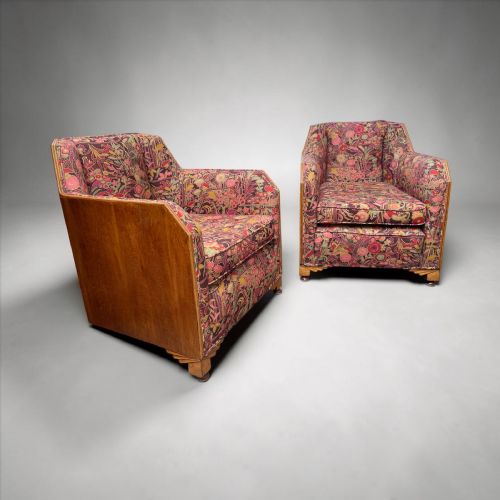
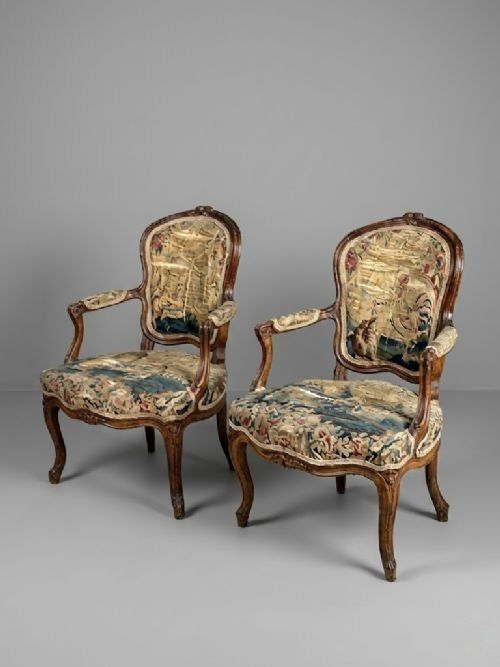
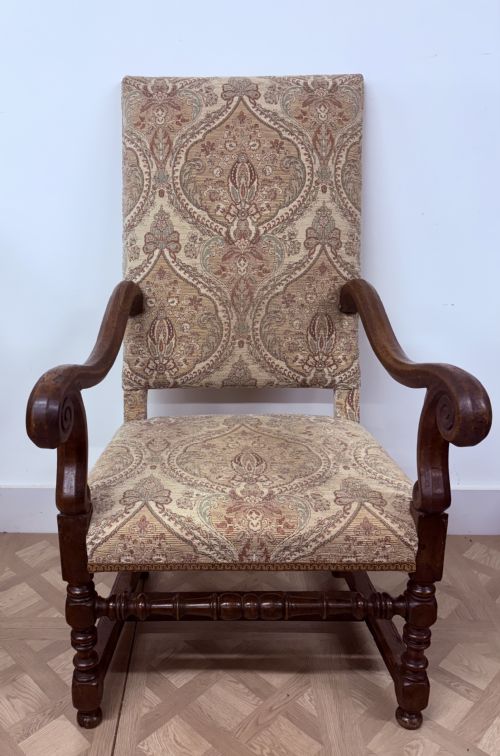
Walnut Upholstered Armchair
A walnut upholstered armchair brings rich timber frames and tactile textiles together across centuries of domestic seating.
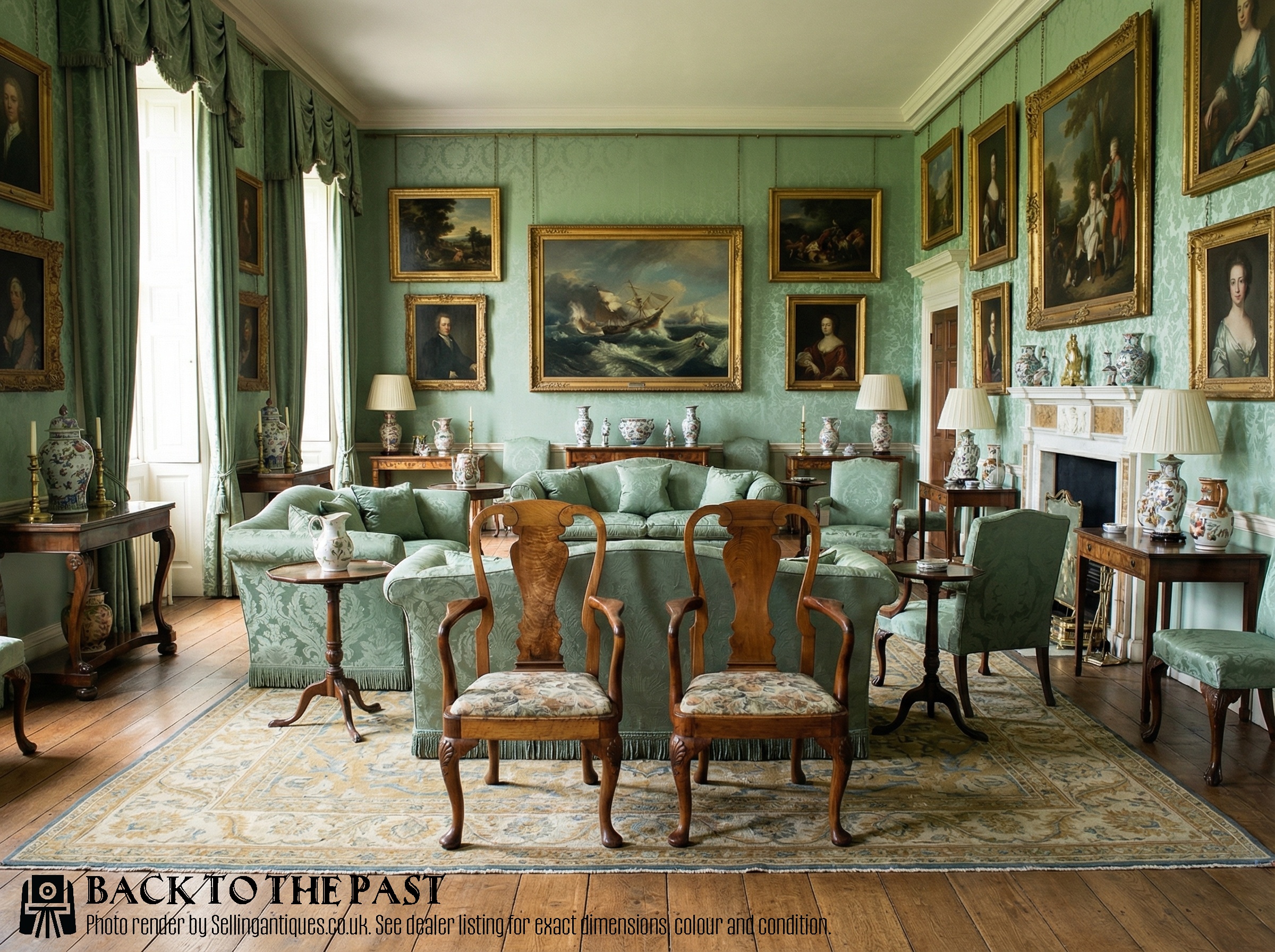
Walnut Upholstered Armchair
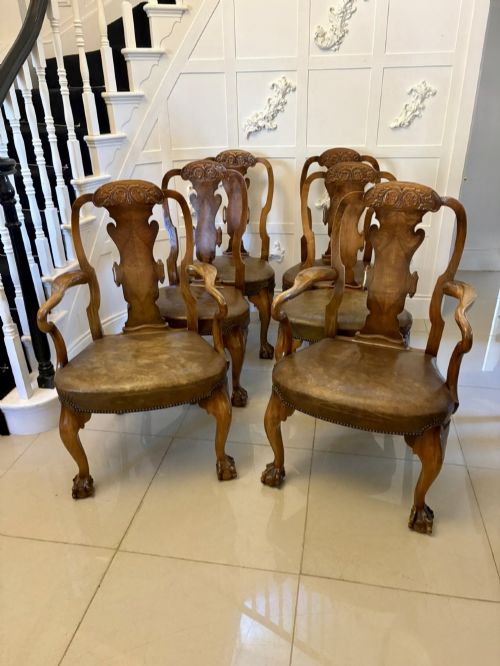
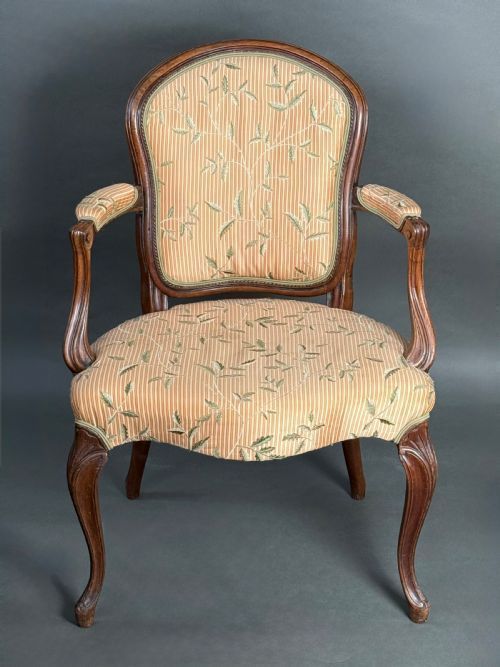
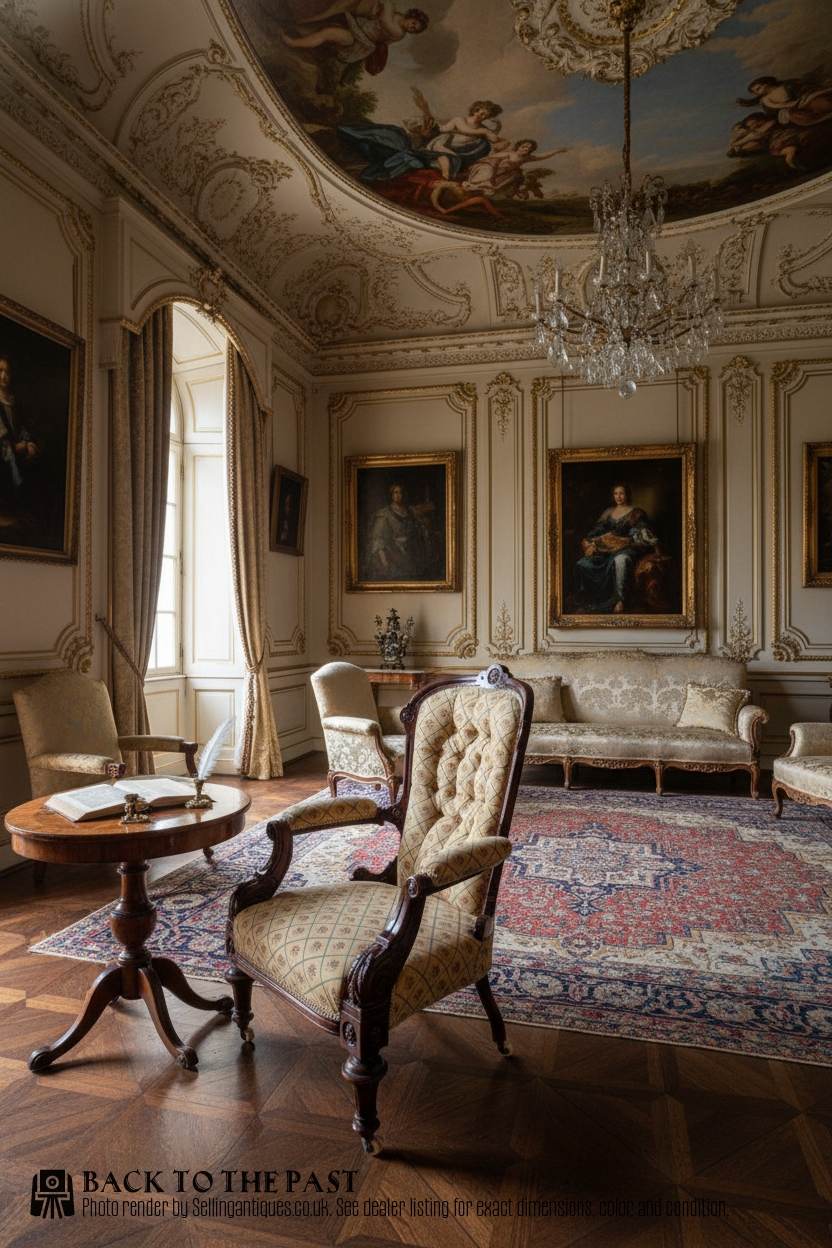
A walnut upholstered armchair spans centuries of seating design, appearing in forms ranging from high-backed wing chairs to low occasional seats and library armchairs. These pieces combine substantial timber frames with textile coverings, drawing on traditions from Victorian parlours, Georgian drawing rooms and French provincial houses.
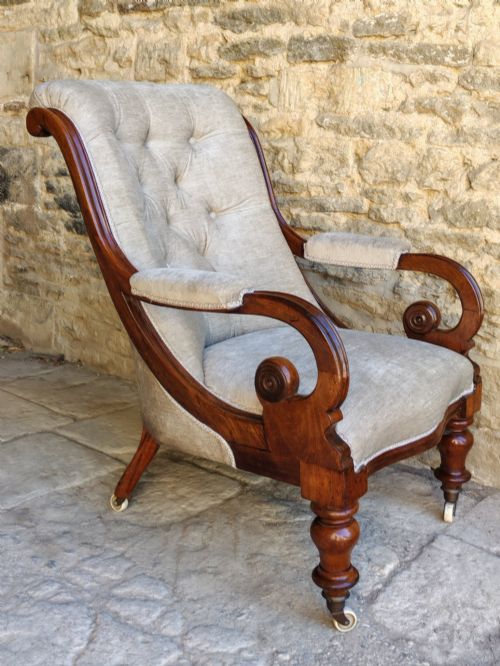
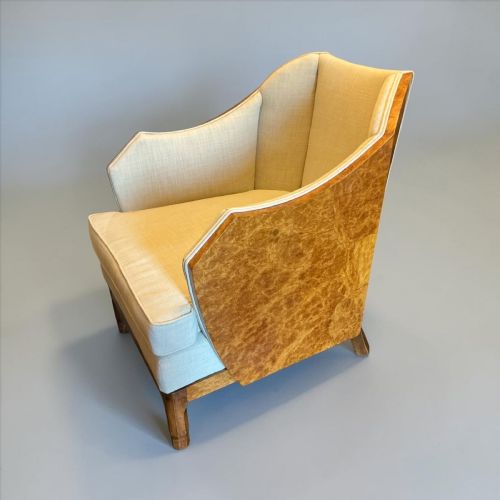
The walnut upholstered armchair on this page most frequently emerges from the nineteenth century, often displaying carved walnut frames paired with traditional fabric or velvet upholstery. Alongside these Victorian examples, buyers encounter eighteenth-century designs and later twentieth-century Art Deco interpretations.
Makers and makers' marks occasionally surface on these chairs, pointing to renowned nineteenth-century workshops like Howard and Sons alongside firms such as C. Hindley and Sons and SF Cullen. These labeled pieces sit alongside unmarked French bergères and English wing armchairs.
What varies in quality
The distinction between standard seating and exceptional examples lies in the crispness of the timber carving and the architectural proportion of the frame. Superior frames exhibit balanced curves, harmonious scale and dense, well-figured walnut timber that has matured gracefully over generations.
Originality of components and the integrity of the underlying construction define the upper tier of these armchairs. Pieces retaining their primary frames, uncompromised joinery and sympathetic textile coverings command greater attention from discerning collectors.
Walnut Upholstered Armchair Retail Price Guide 2026
Typical asking prices for walnut upholstered armchair among the pieces listed under this phrase on Sellingantiques today, from the lower quarter to the upper quarter. They describe what is for sale here now, not the wider market.
Listings span from the 17th century through the Victorian era to 1930, utilising walnut, silk, velvet, and brass.
Howard and Sons·C Hindley and Sons·SF Cullen·Shoolbred
The Walnut Upholstered Armchair Glossary
- Bergere
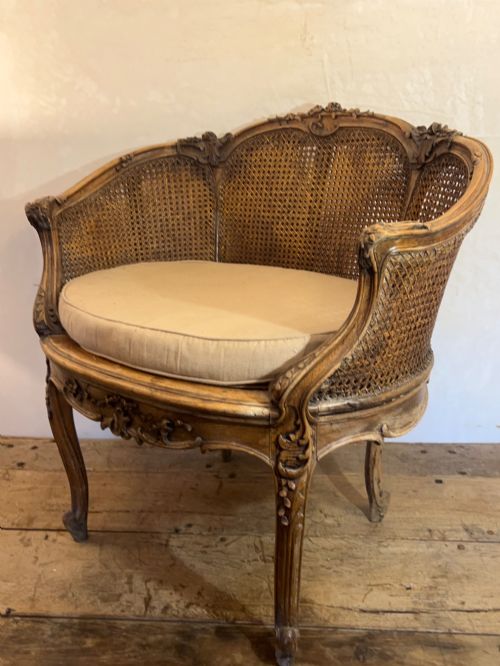
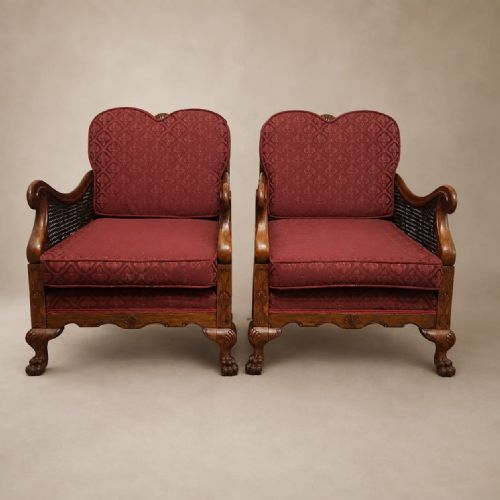
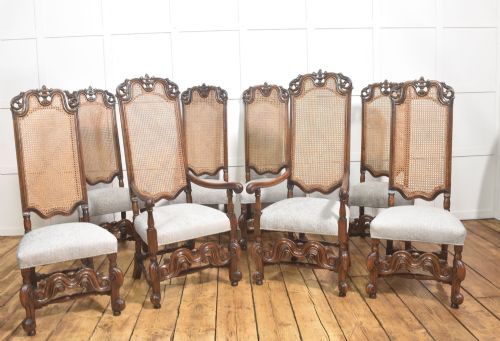
- An enclosed upholstered armchair with wooden framing, often featuring cane panels to the sides and back. These French-derived seats frequently appear in walnut from the eighteenth and nineteenth centuries.
- Wing armchair
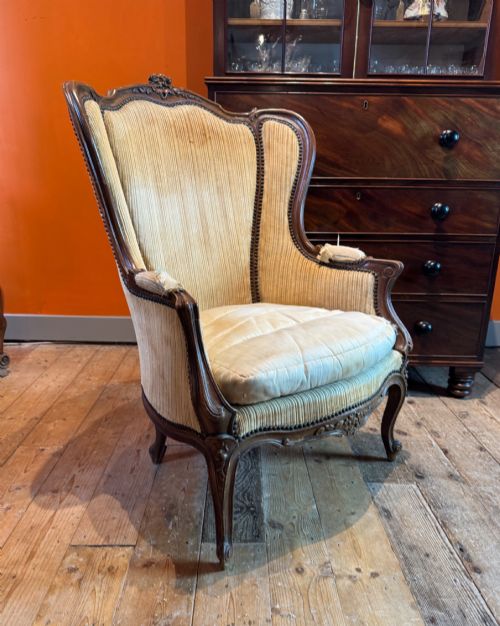
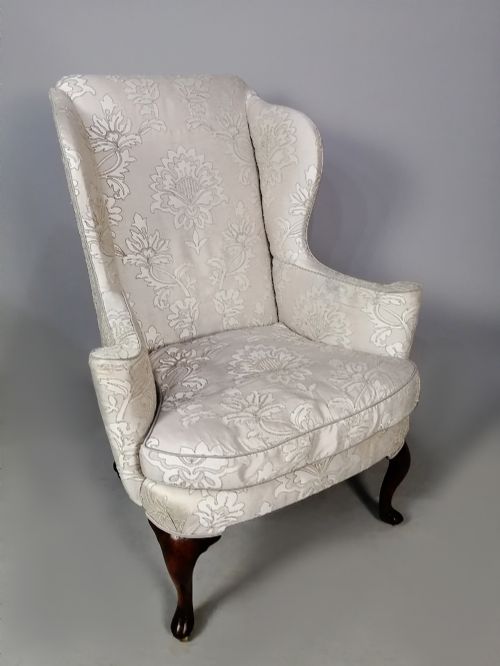
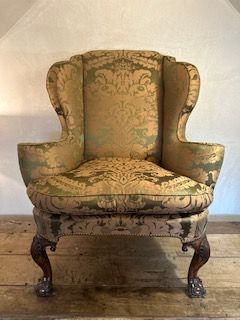
- A high-backed seat featuring protective side panels designed to shield the sitter from draughts. This form evolved through the Georgian and Victorian eras.
- Fauteuil
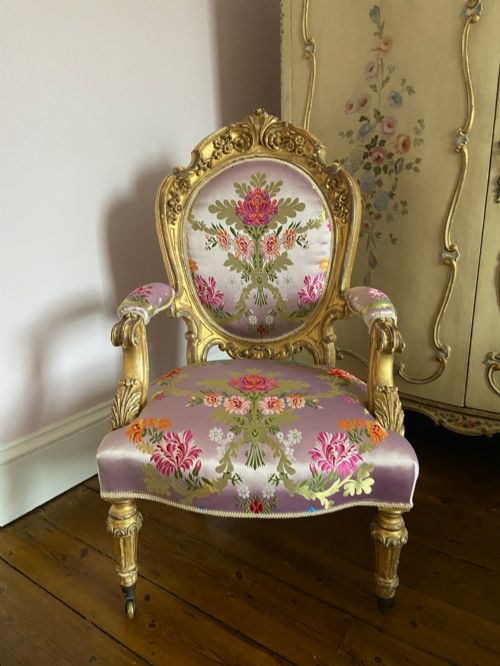
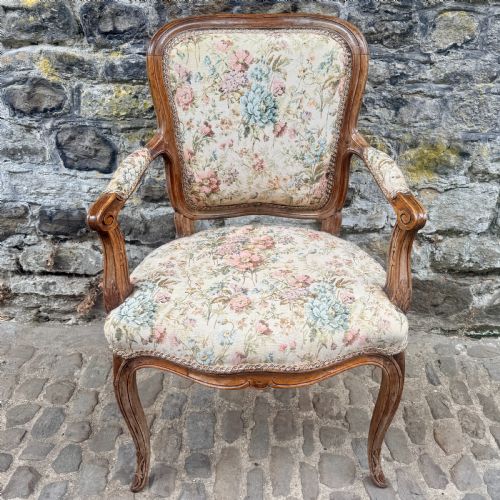
- An open-armed upholstered chair originating in France, characterised by exposed wooden framework and padded armrests. These pieces often reflect Louis XV or Louis XVI styling.
- Cabriole leg
- A furniture leg that curves outward at the knee and tapers inward toward the foot, resembling an animal's limb. This feature is common on Queen Anne and Georgian walnut seating.
- Spoon back
- A padded chair back shaped in a concave oval resembling the bowl of a spoon, designed to fit the human spine. This contour is particularly prevalent in Victorian walnut salon seating.
Walnut Upholstered Armchair: Frequently Asked Questions
How do I date a walnut armchair?
Dating relies on examining the secondary woods, structural joinery, and stylistic details such as cabriole legs or spoon backs. Comparing the carved motifs against known historical periods helps narrow down the decade of creation.
Upholstery methods and webbing materials also offer clues, though many pieces have been recovered over their long lifespans.
Are these chairs suitable for daily use?
Most antique armchairs are built with solid walnut frames that easily withstand everyday seating. Ensuring the internal webbing and joints remain sound is key to comfortable daily habitation.
Selecting pieces with durable upholstery fabrics protects the investment while providing practical seating for modern rooms.
How should I care for the walnut frame?
Maintaining the timber requires keeping the chair away from direct heat sources and sudden humidity changes to prevent the walnut from drying out. Occasional dusting with a soft, dry cloth preserves the natural lustre of the polished wood.
Avoid using harsh chemical sprays or silicone polishes, which can damage the historic surface finish over time.