

Antique Club Chairs
These antique club chairs offer deep, supportive seating, combining sturdy wooden frames with durable leather upholstery for enduring comfort.
Antique Club Chairs
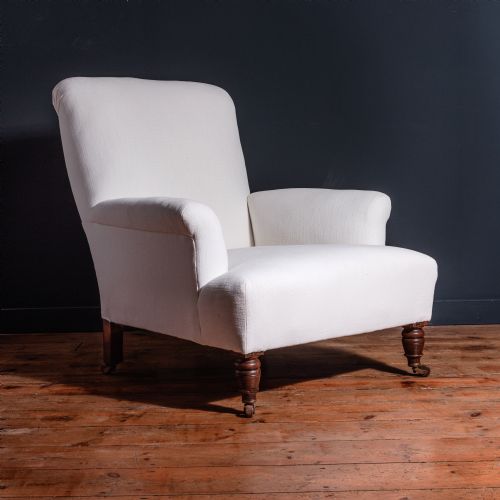
Antique club chairs are substantial upholstered seating designed for deep comfort, appearing frequently as comfortable library, office, or fireside armchairs. When exploring antique club chairs on this page, buyers encounter various historical forms originating from the nineteenth and early twentieth centuries.
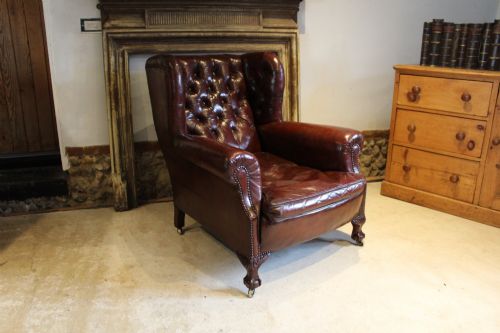
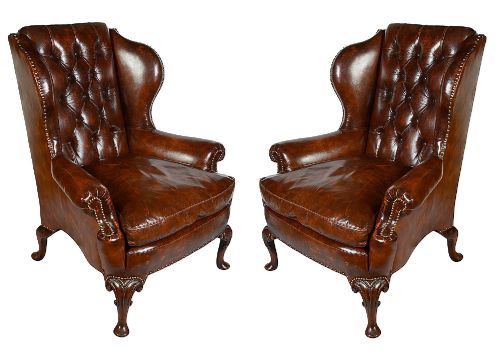
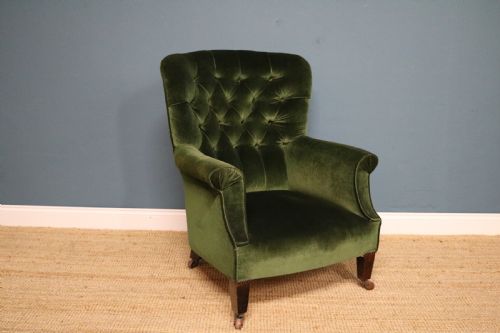
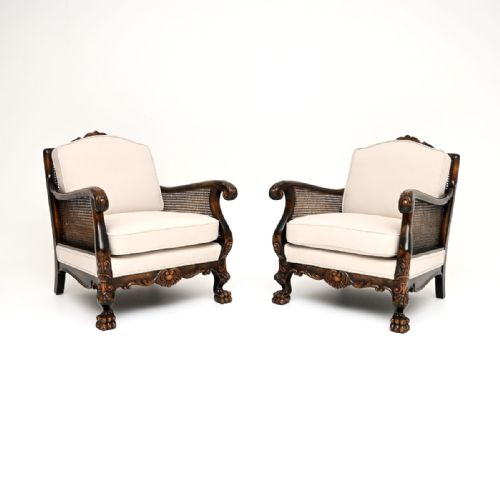
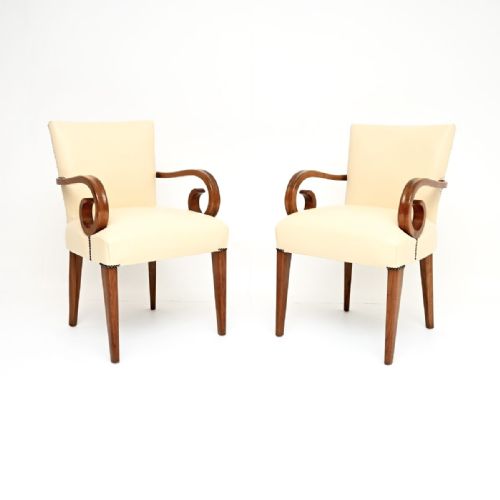
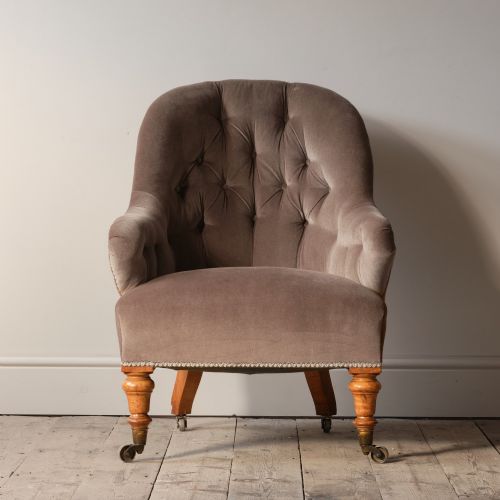
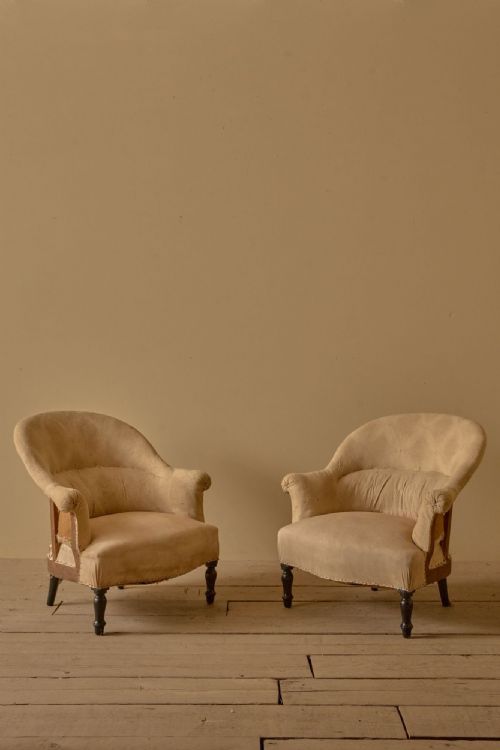
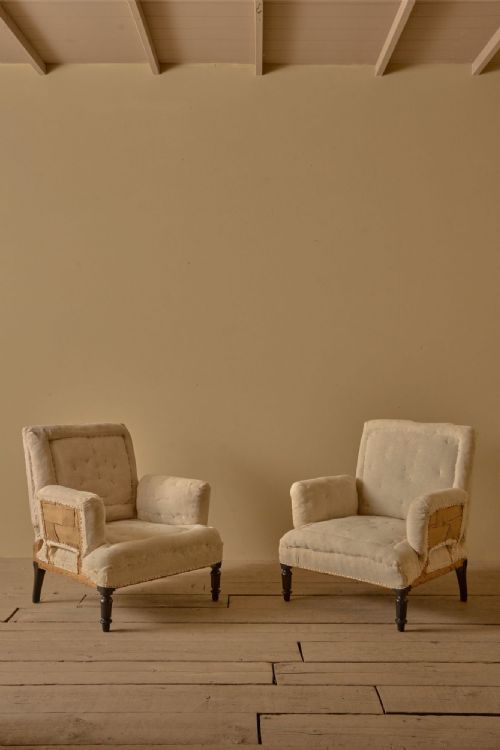
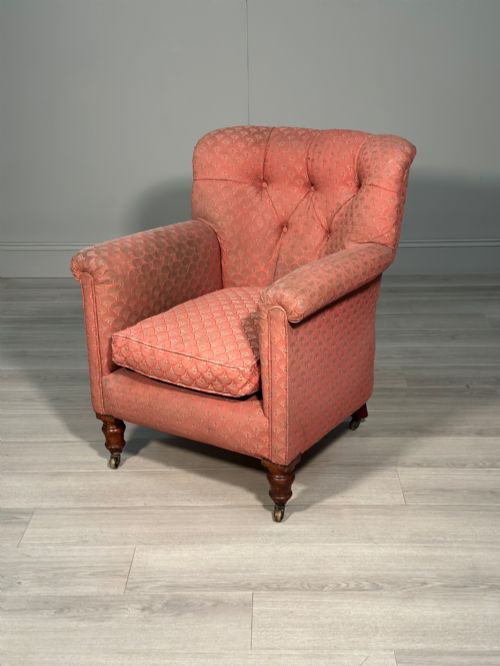
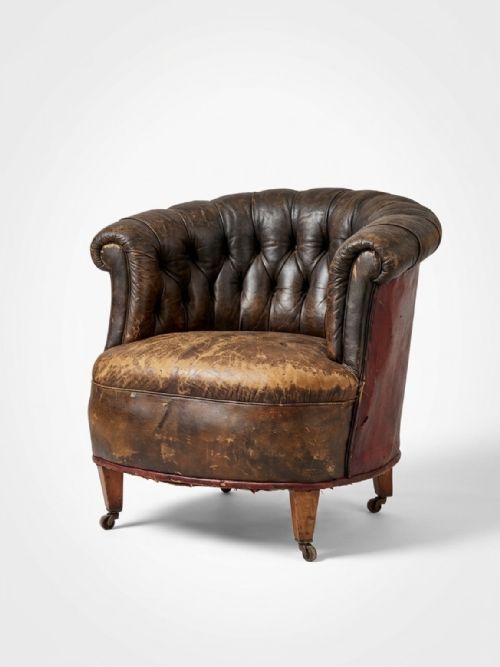
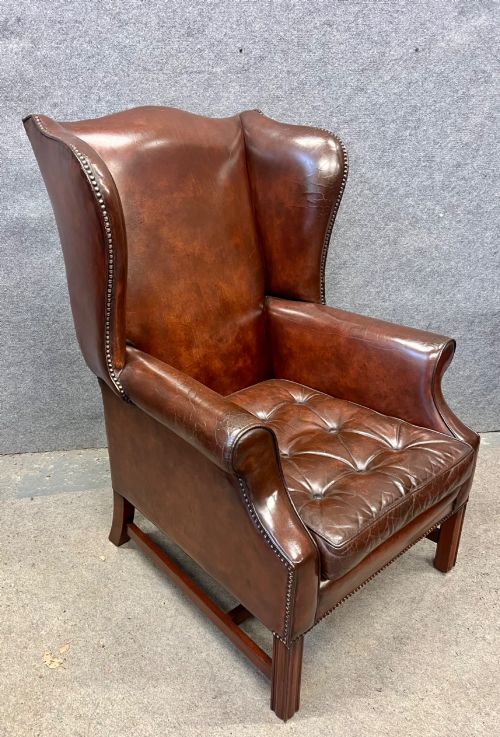
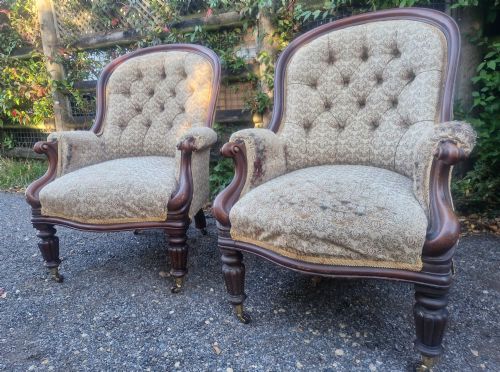
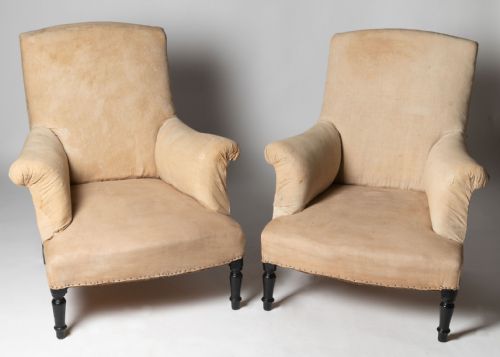
Many examples survive as pairs, upholstered in materials ranging from hand-dyed brown leather to red oxblood rexine and embossed hide. Their silhouettes span from simple wooden frames with upholstered seats to elaborate button-backed easy chairs resting on bun feet.
How they were made
Makers constructed the foundational frames of these armchairs using dense hardwoods such as oak, mahogany, walnut, and rosewood, ensuring structural longevity. Brass elements frequently appear in the form of decorative tacks or structural fittings that secure the outer upholstery edges.
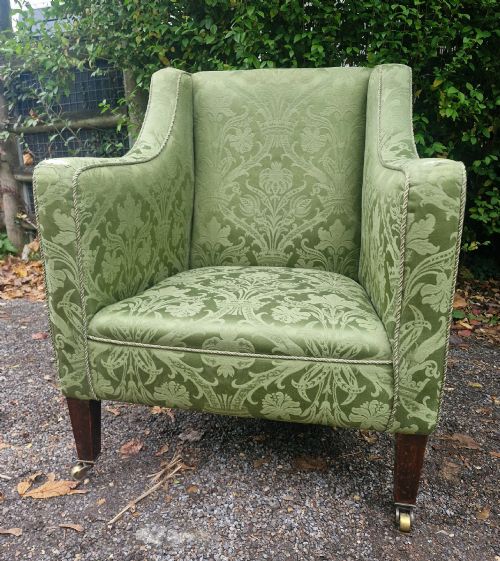
Upholstery methods relied on durable hides, including hand-dyed leather, embossed leather, and alternative coverings like rexine or standard fabric. Skilled craftspeople employed traditional deep-buttoning techniques and secure padding to achieve the characteristic supportive contours of nineteenth and twentieth-century seating.
Antique Club Chairs Retail Price Guide 2026
Typical asking prices for club chairs among the pieces listed under this phrase on Sellingantiques today, from the lower quarter to the upper quarter. They describe what is for sale here now, not the wider market.
Several armchairs travel across the North Sea, originating from Swedish workshops.
What varies in quality
Quality in these chairs rests upon the integrity of the underlying hardwood frame and the depth of the joinery. Timbers like oak and mahogany provide superior structural stability compared to softer woods.
The grade of the leather and the execution of hand-dyed finishes dictate the visual richness of the piece. Superior examples exhibit expert buttoning and enduring upholstery work that retains its supportive shape over decades of use.
Howard and Sons
The Antique Club Chairs Glossary
- Chesterfield
- A traditional style of upholstered seating characterised by rolled arms and deep buttoning. It provides a distinct profile common in British domestic and office interiors.
- Rexine
- A branded artificial leather fabric utilised as an alternative to genuine hide. It offers a durable, wipe-clean surface seen on twentieth-century seating.
- Bun foot
- A rounded, flattened wooden furniture foot shaped like a bun. It frequently supports the base of Victorian and Edwardian armchairs.
- Tub armchair
- An upholstered seat featuring a semicircular back enclosing the sides continuously. This form wraps around the sitter for added enclosure and support.
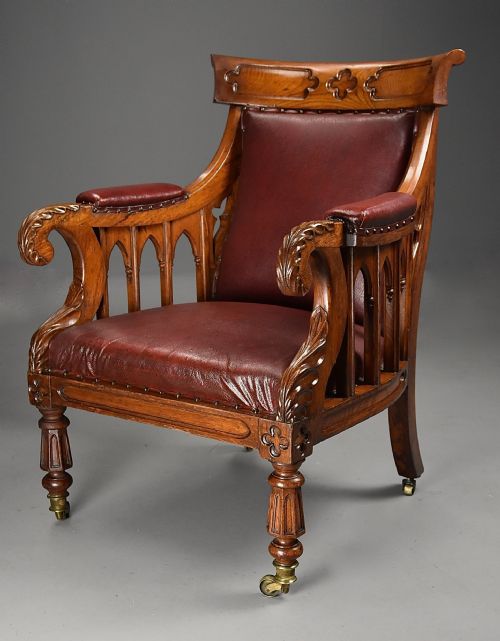
- Gothic Revival
- An architectural and decorative style drawing inspiration from medieval design. Pieces often display pointed arches and heavy oak construction.
Antique Club Chairs: Frequently Asked Questions
What defines a club chair?
A club chair is a heavily upholstered, deep-seated armchair designed for relaxation in studies, libraries, and sitting rooms.
Originating in nineteenth-century gentlemen's clubs, these seats prioritise substantial padding and robust wooden frames to ensure lasting comfort.
How do I date an antique armchair?
Dating relies on examining the timber species, upholstery methods, and stylistic cues inherent to periods like the Victorian or Edwardian eras.
Cabinetmakers and upholsterers employed specific structural techniques and hardware, such as brass tacks and bun feet, which shift across different decades.
Are these chairs comfortable for daily use?
These seating options were specifically engineered for extended periods of sitting, offering deep cushions and supportive backrests.
Their robust hardwood frames and resilient leather upholstery make them practical for everyday living spaces as well as studies.
What is the difference between Victorian and Edwardian styles?
Victorian designs often feature darker hardwoods like rosewood or walnut, intricate button-backs, and heavier proportions.
Edwardian interpretations tend to incorporate lighter country house aesthetics, simpler lines, and alternative frame woods.