


High Back Leather Chairs
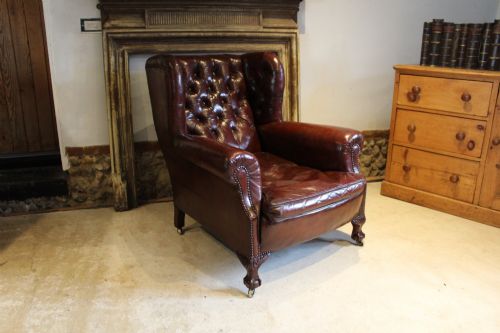
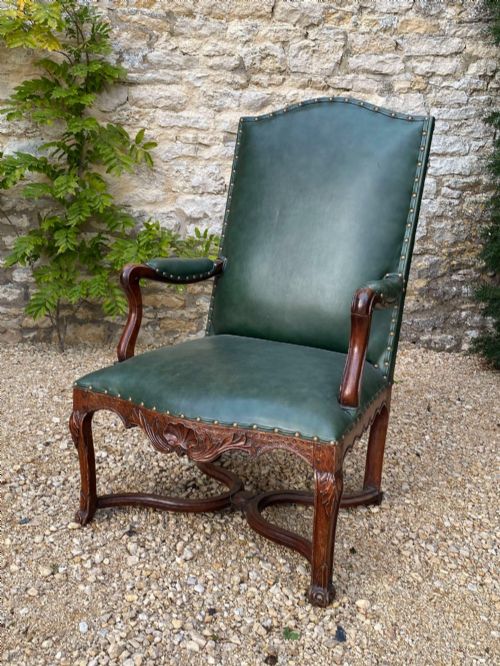
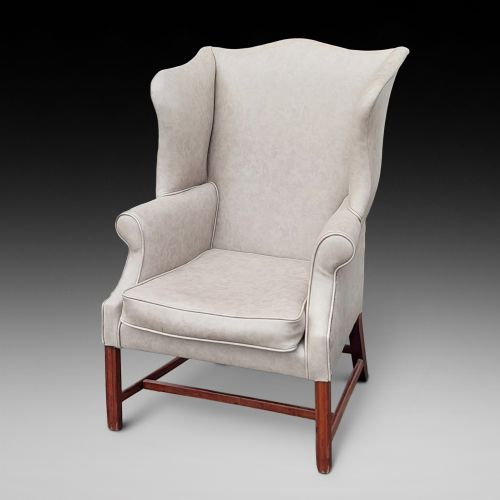
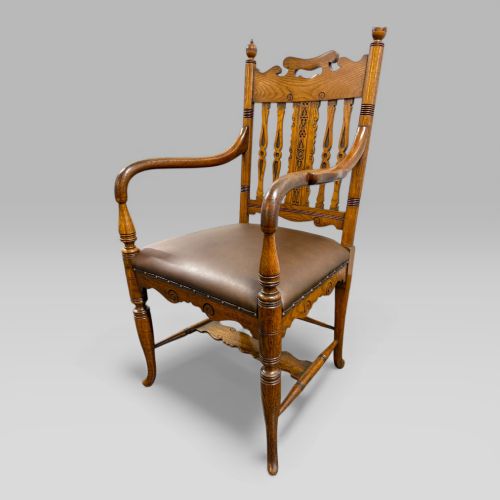
High back leather chairs are commanding oak, walnut and leather seats built for dining halls and libraries across the centuries.
High Back Leather Chairs
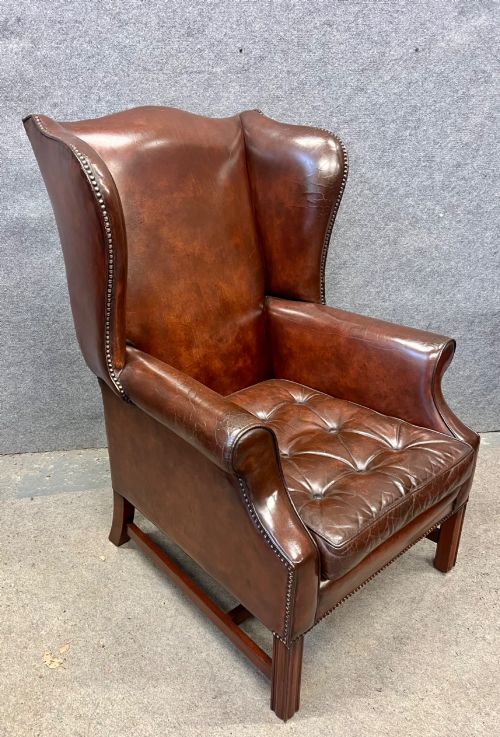
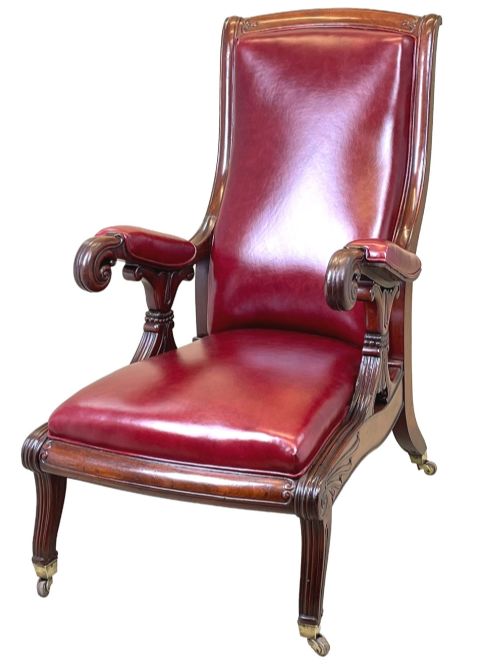
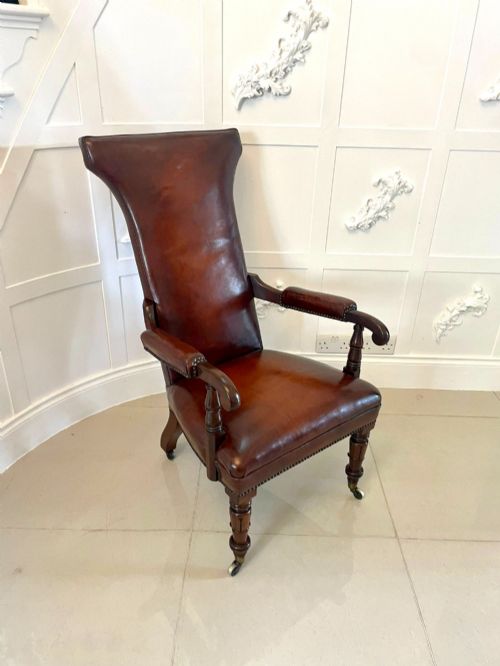
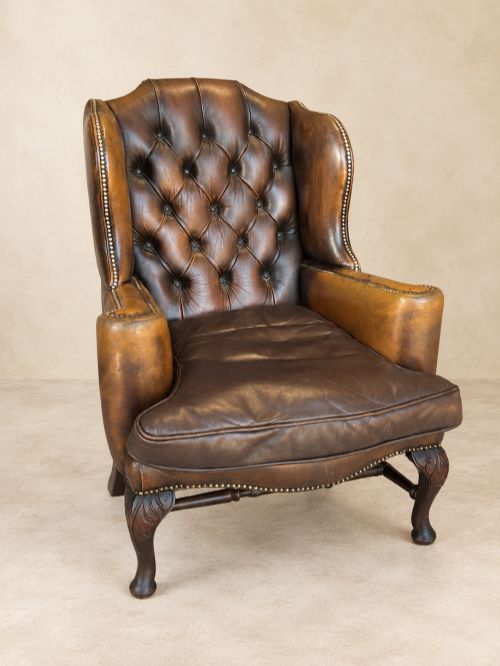
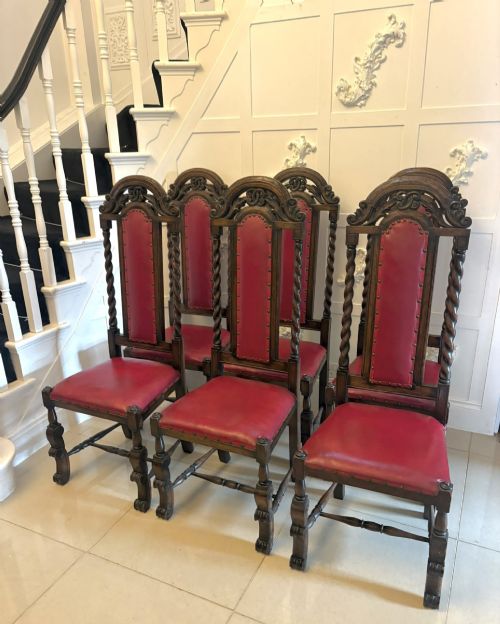
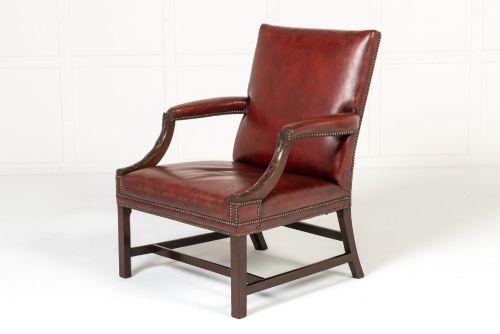
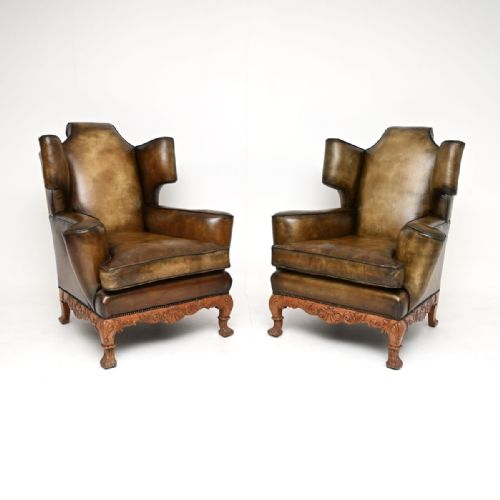
High back leather chairs span from the 17th century through the Victorian period, Edwardian era and 1920, covering both dining chairs and armchairs. You will frequently encounter robust oak and walnut frames paired with embossed, studded or plain leather upholstery.
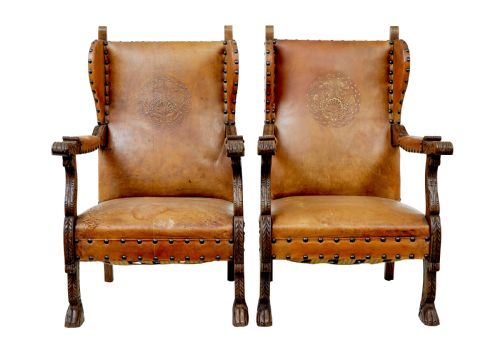
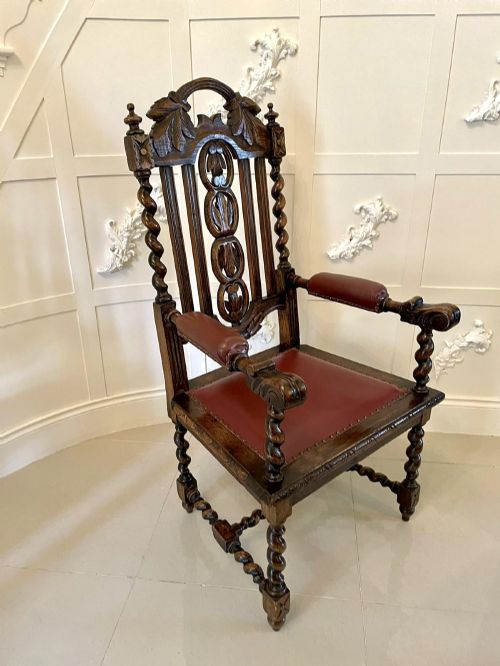
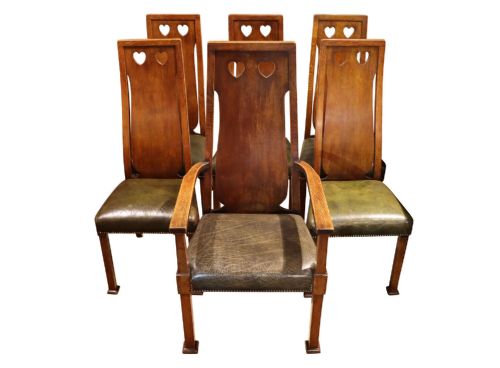
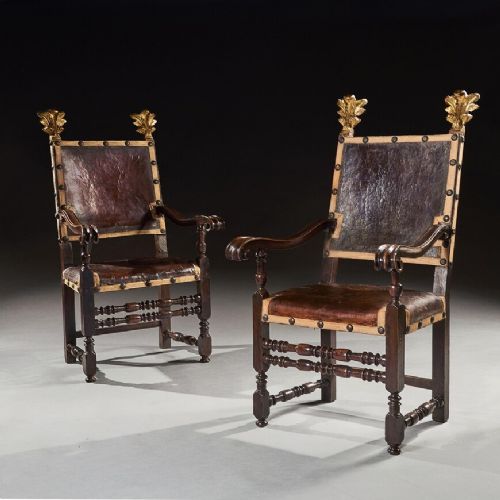
The selection ranges from grand Italian Baroque parcel-gilt walnut armchairs and Victorian Gothic Revival throne chairs to sets of dining chairs in 17th century style, Spanish revival, and Arts & Crafts designs.
How they were made
Carpeneters constructed the structural frames using solid timber such as oak and walnut, occasionally applying gold leaf for decorative accent. Upholsterers then secured leather hides to the seat backs and pads, frequently finishing the edges with brass studs.
Detailing on these pieces includes intricate carving on the wooden frames and embossed patterns pressed directly into the leather surfaces during construction.
High Back Leather Chairs Retail Price Guide 2026
Typical asking prices for high back leather chairs among the pieces listed under this phrase on Sellingantiques today, from the lower quarter to the upper quarter. They describe what is for sale here now, not the wider market.
Listings feature oak, walnut, leather, brass, and gold leaf across pieces spanning the 17th century to the Edwardian era.
What varies in quality
The distinction between standard examples and superior pieces rests on the depth of hand-carving in the timber frame and the richness of the wood grain in the oak or walnut. Heavier timber frameworks and crisper execution of historical styles elevate a piece.
The grade of the leather and the precision of traditional upholstery work, such as neat brass stud placement and clean embossing, define the finishing standard across different periods.
The High Back Leather Chairs Glossary
- Parcel-Gilt
- Partially gilded with gold leaf to highlight carved wooden details. This technique adds subtle shimmer to walnut frames.
- Embossed Leather
- Leather stamped with raised patterns using heat and metal dies. It provides texture and visual depth to chair backs.
- Arts & Crafts
- A design movement prioritising traditional craftsmanship and honest materials. Chairs from this style often feature exposed joinery and simple lines.
- Baroque
- An ornate style characterised by drama and rich ornamentation. Italian examples often display dynamic carving and parcel-gilt highlights.
High Back Leather Chairs: Frequently Asked Questions
How do I care for antique leather?
Keep leather clean using a dry cloth and occasionally nourish it with appropriate conditioning wax to prevent drying.
Avoid placing these chairs in direct sunlight or near heat sources, which can cause the hide to crack over time.
Are high back chairs suitable for dining?
Many sets of dining chairs feature tall backs designed specifically for formal dining tables. They offer firm, upright support.
Check the seat height and table clearance before purchasing to ensure comfortable legroom.
How do I date an oak chair?
Examine the construction methods, tool marks, and wood patination visible on the underside and frame. Joinery techniques often reveal the era of manufacture.
Compare the overall decorative style, such as Victorian Gothic or Edwardian simplicity, with known historical design periods.
What is the difference between an armchair and a hall chair?
Armchairs feature side supports for the arms and are built for heavier lounging or library use. They tend to have more padding.
Hall chairs are typically stiffer, lighter side chairs intended for occasional seating in corridors or entranceways.