



Oak Leather Armchairs
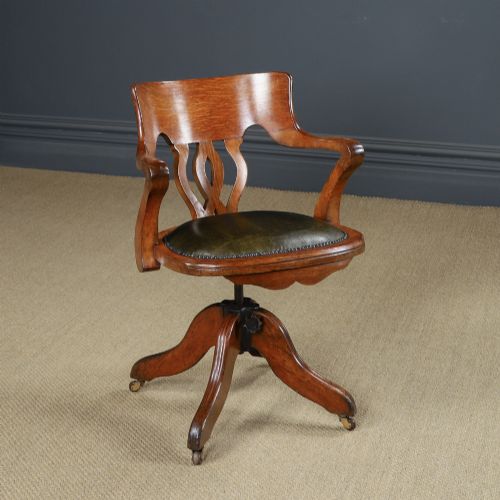
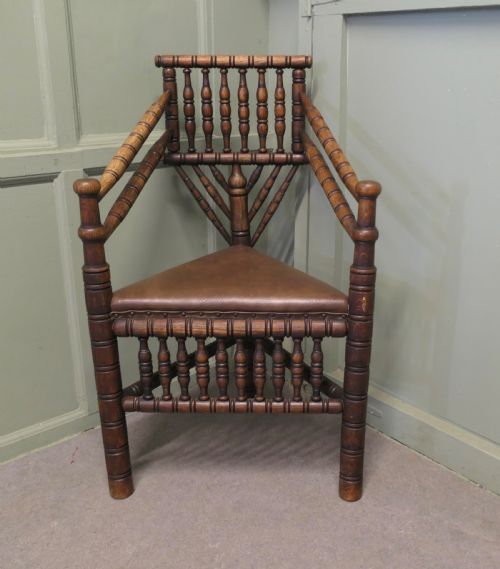
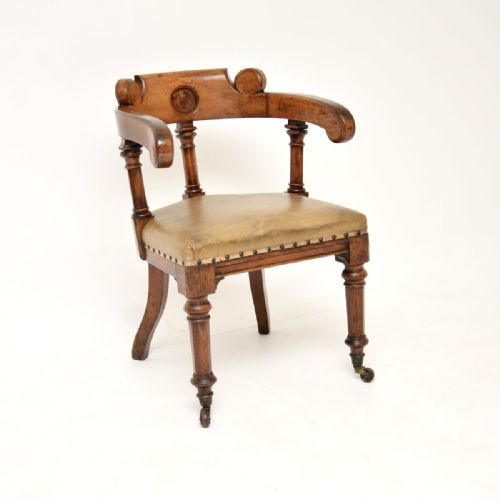
Oak leather armchairs combine sturdy timber framing with practical hide upholstery, providing durable seating suited to libraries, halls and studies.
Oak Leather Armchairs
When you search for oak leather armchairs, you encounter sturdy seating designed for libraries, offices and halls across several distinct periods. The examples found here span the nineteenth century, the Edwardian era and the early decades of the twentieth century.
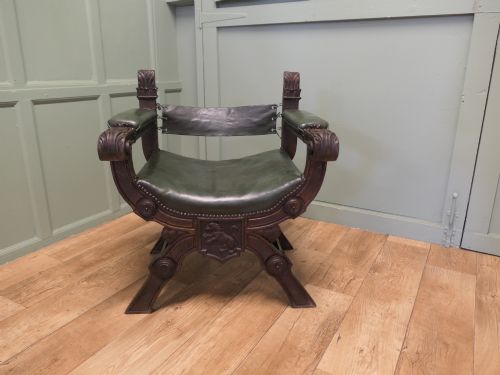
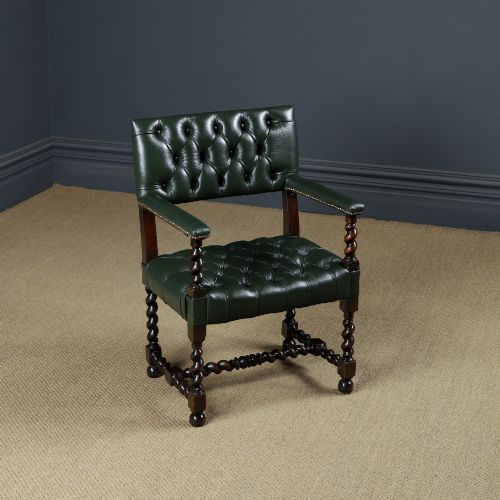
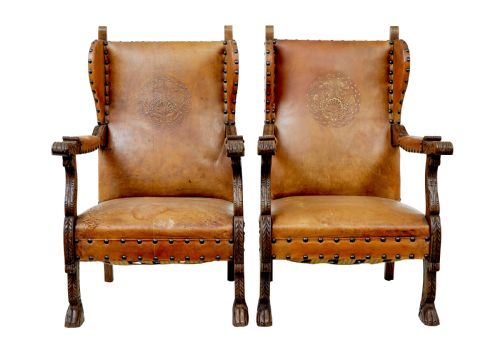
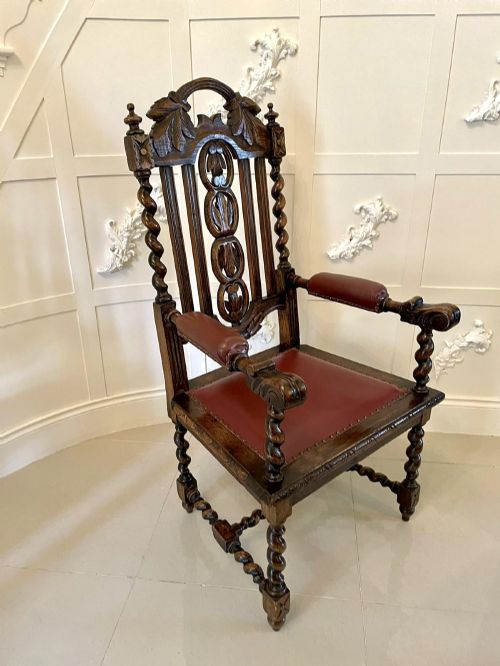
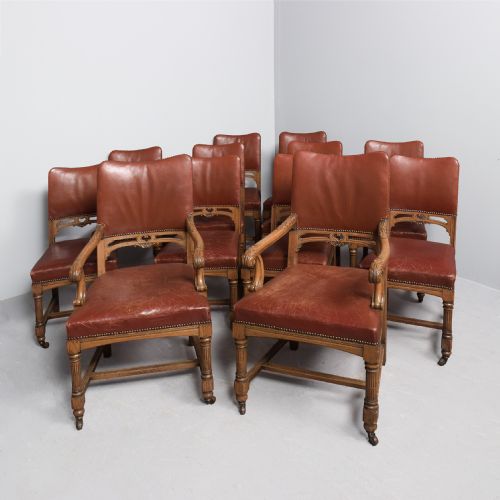
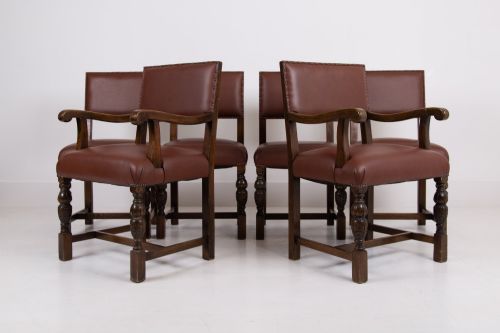
Most entries feature styles drawing on earlier traditions, including Jacobean Revival, Carolean Revival and Spanish Revival forms. These pieces often appear as matching pairs, offering robust construction combined with padded leather seats and backs.
Materials and construction methods
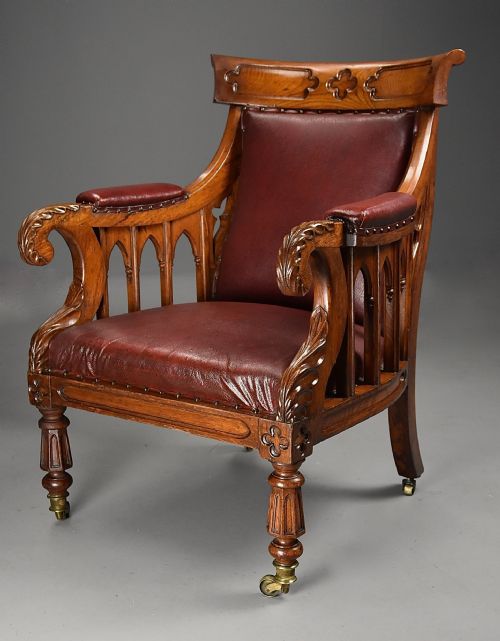
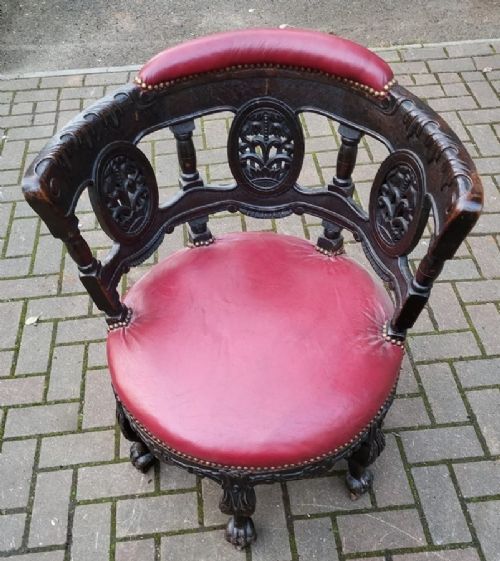
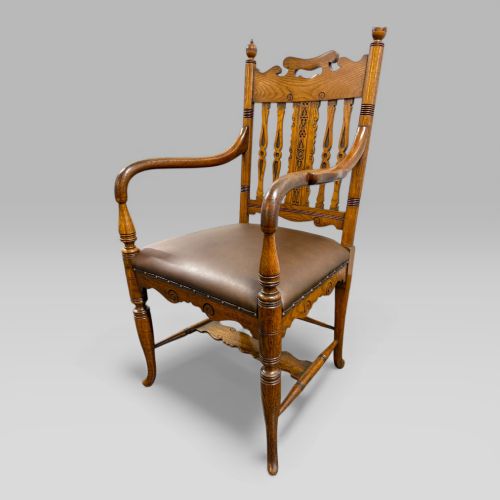
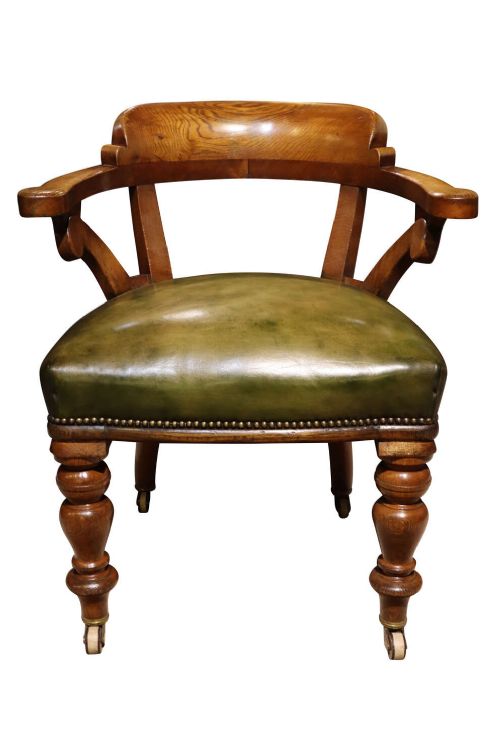
Construction relies upon solid oak frames, sometimes decorated with carved ornamentation along the arms, crests and legs. Leather upholstery is attached to the wooden structure using metal studs or secured over woven webbing.
Additional hardware elements such as brass detailing occasionally appear on specific library and club models. The integration of hide and timber yields a heavy, stable armchair built for prolonged daily use.
Oak Leather Armchairs Retail Price Guide 2026
Typical asking prices for oak leather armchairs among the pieces listed under this phrase on Sellingantiques today, from the lower quarter to the upper quarter. They describe what is for sale here now, not the wider market.
One massive Welsh oak throne once served as an Eisteddfod reading chair, bringing bardic grandeur straight to the fireside.
Judging quality and character
Differences in quality rest upon the depth of the timber carving and the calibre of the oak frame. Finer examples display crisper execution in revival ornament and superior joinery in the arm and leg assembly.
The nature of the leather upholstery also distinguishes the range, from plain stretched hide to buttoned or woven surfaces. Substantial proportions and well-preserved surface patination separate the standard examples from the more impressive library chairs.
Gordon Russell
The Oak Leather Armchairs Glossary
- Bergere
- An upholstered armchair with an enclosed wooden frame where cane or leather panels form the sides and back. This French-inspired form appears in various antique seating designs.
- Carolean
- A style dating from the reign of Charles II characterised by rich carving, scrolling woodwork and turned supports. Revival versions of this aesthetic emerged during later periods.
- Wainscot
- A heavy wooden armchair type with solid panelled construction originating in earlier centuries. Nineteenth-century interpretations often revive these substantial proportions for hall and library use.
- Elbow chair
- An alternative term for an armchair, referring specifically to the supporting wooden rests for the arms. These pieces frequently serve as reading or desk seating.
Oak Leather Armchairs: Frequently Asked Questions
What periods do these armchairs come from?
The pieces span the nineteenth century, including Victorian and Edwardian examples, alongside early twentieth-century designs. Revival styles drawing on seventeenth-century motifs also feature prominently.
Specific dates range from mid-nineteenth-century library chairs to Art Deco period club armchairs from the nineteen-thirties.
Are these chairs usually sold as pairs?
A large proportion of the listings consist of matched pairs designed for libraries, halls or drawing rooms. Single pieces and larger sets also occur occasionally in the selection.
Matching pairs are particularly common among library, office and club armchairs from the Victorian and Edwardian periods.
How should I care for the leather upholstery?
Leather upholstery on antique chairs benefits from regular dusting and occasional conditioning to maintain suppleness. Avoiding direct sunlight helps prevent the hide from drying out over time.
Preserving the original surface patination involves gentle cleaning rather than heavy restoration.
Where were these armchairs originally used?
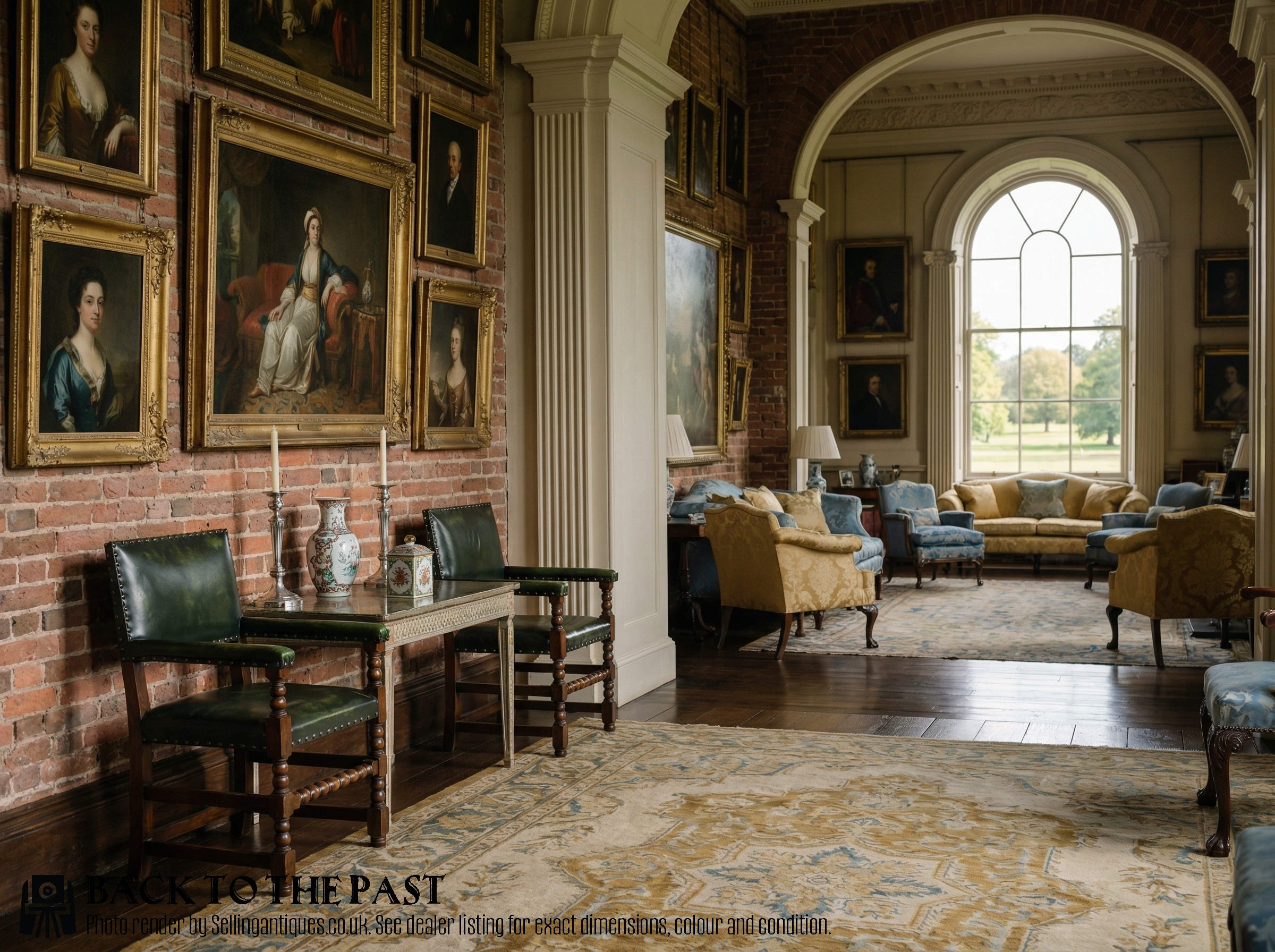
These sturdy oak and leather seats were traditionally placed in libraries, studies, offices and large entrance halls. Their robust construction made them suitable for daily reading and working.
Gentlemen's clubs and grand domestic interiors frequently utilised heavy upholstered club and throne chairs for comfort.