
Pair Edwardian Armchairs
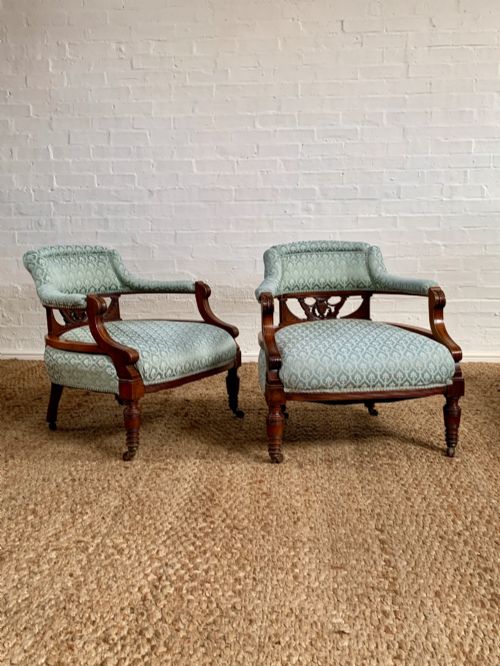
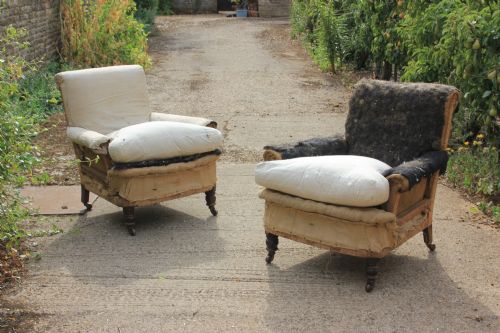
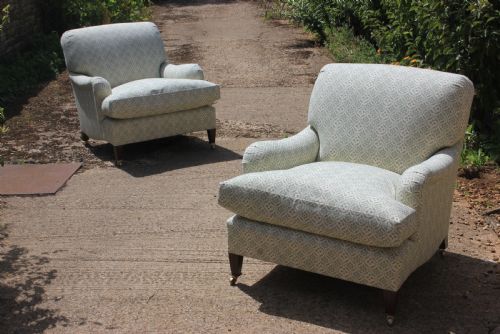
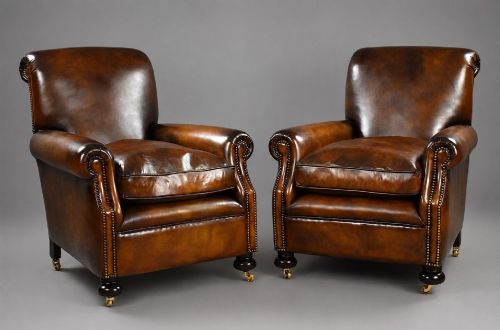
Pair edwardian armchairs bring matched seating from the early twentieth century into modern drawing rooms and libraries with distinct period character.
Identifying pair edwardian armchairs
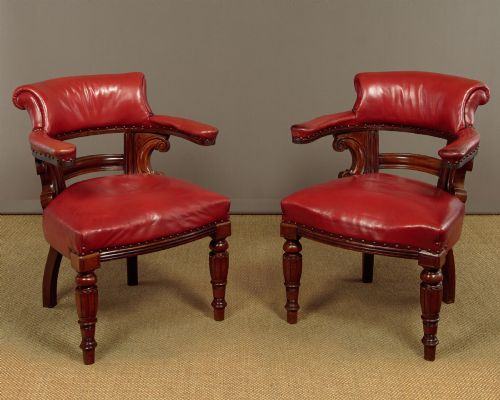
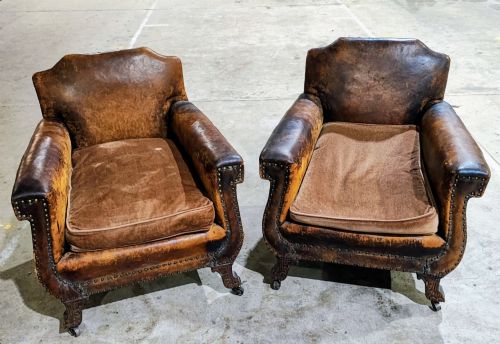
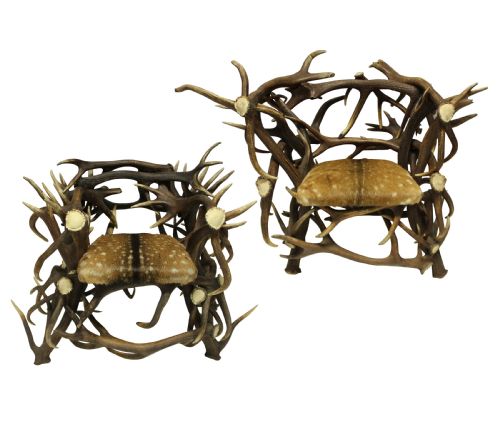
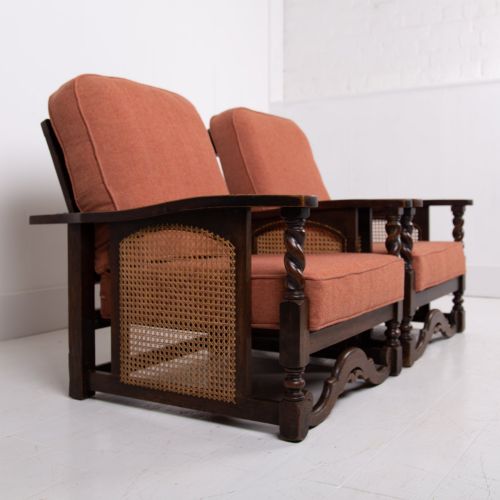
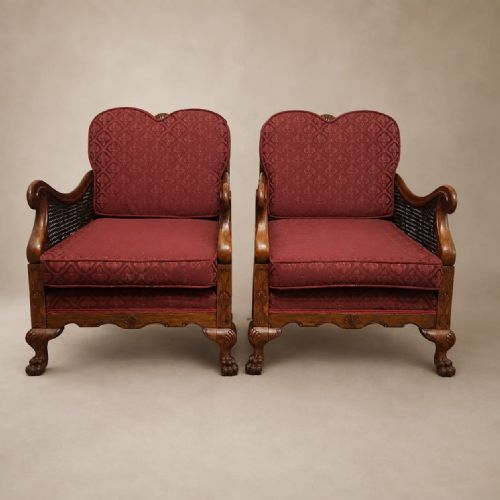
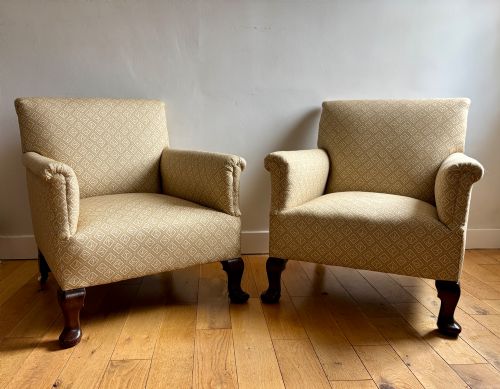
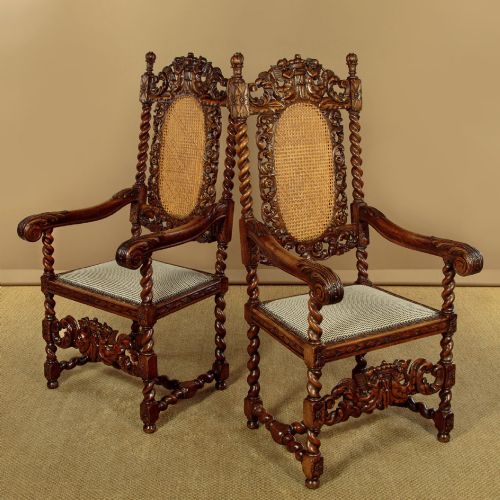
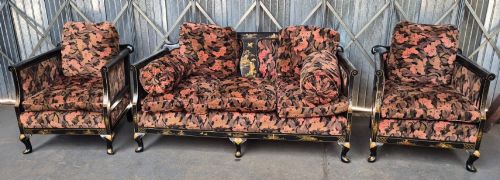
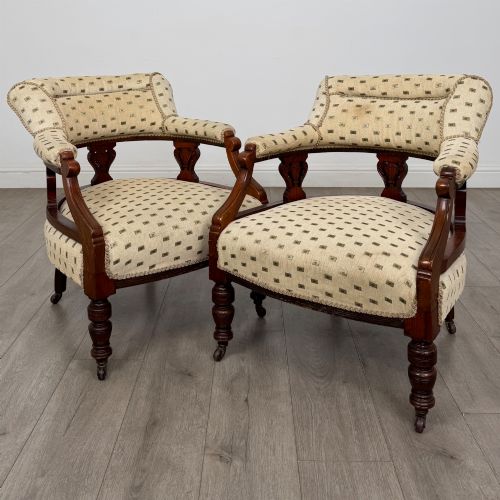
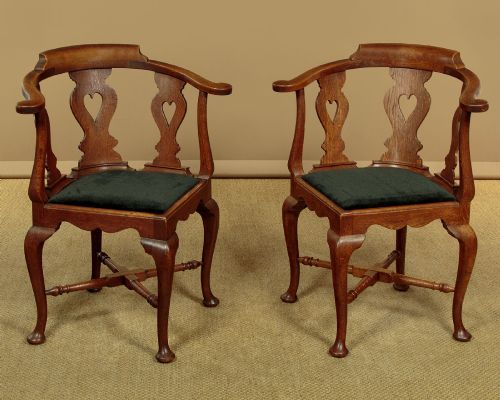
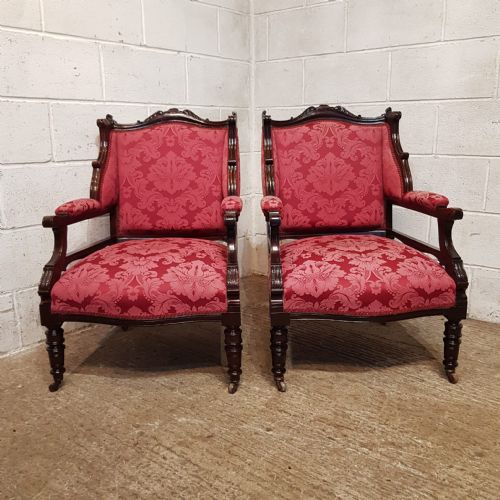
These items comprise matching sets of two seats produced during the Edwardian era and around nineteen ten, spanning library chairs, corner chairs, and drawing room suites. The inventory shows considerable variety in seating forms, ranging from upholstered salon chairs to cane-backed bergere models and solid oak frames.
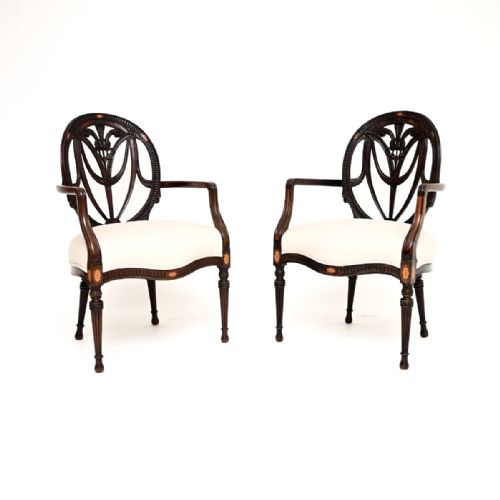
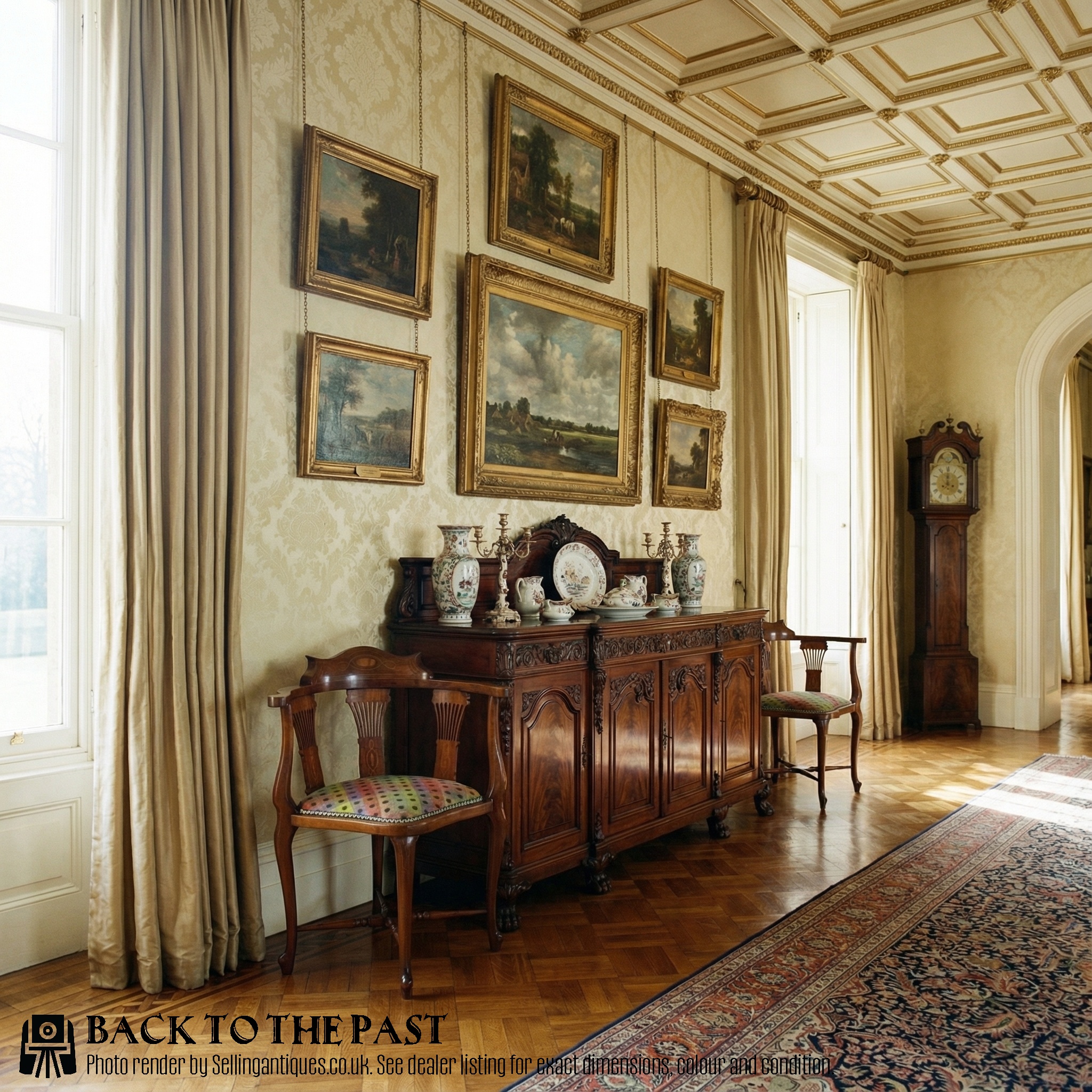
Buyers most frequently encounter mahogany and walnut constructions, often featuring inlaid wood or decorative lacquer work alongside traditional fabric upholstery. Regional and country house variants also appear, including oak, beech, wicker, and specialised forms such as Orkney designs or reclining frames.
Assessing quality and craftsmanship
Distinctions in the range rest upon the choice of timber and the precision of decorative work, such as fine marquetry inlay versus plain wood finishes. Higher grade examples exhibit refined carving, matched grain patterns, and sophisticated form.
The integrity of secondary materials like cane panels, leather inserts, and upholstery fabric also defines the standard. Pieces retaining original structural stability and documented maker details stand apart from standard workshop productions.
Retail Price Guide 2026
Typical UK retail prices for pair edwardian armchairs, calculated from the Sellingantiques database of over a million retail prices indexed since 2003. This retail price guide relies exclusively on Sellingantiques data; no external sources or auction records are used, so the figures do not describe the wider market.
Listings demonstrate materials including fabric, oak, cane, walnut, mahogany, brass, and upholstery across the Edwardian period.
The Pair Edwardian Armchairs Glossary
- Bergere
- An enclosed upholstered armchair with cane work panels to the back and sides. This French-inspired form became popular in mahogany and walnut during the Edwardian period.
- Carver
- An armchair designed with armrests, traditionally placed at the heads of a dining table or used as a desk chair. These often match larger dining chair sets.
- Tub chair
- An armchair featuring a rounded, enclosed back that curves continuously into the armrests. This compact style appeared frequently in inlaid mahogany.
- Marquetry
- Decorative woodwork where pieces of contrasting veneer are applied to a structure to form intricate patterns. Craftspeople used this technique on high-end drawing room furniture.
- Corner chair
- A seating form designed to fit into room angles, featuring a diagonal seat orientation and a curved back rail supported by posts.
Frequently Asked Questions
Where were pair edwardian armchairs used?
These seats found placement in drawing rooms, libraries, and country house reception spaces. They served as comfortable furnishings for reading and formal entertaining.
Smaller formats such as tub chairs and corner chairs suited bedrooms and writing alcoves. Drawing room suites often paired ladies and gentlemen's variants together.
How do I identify edwardian furniture?
Edwardian pieces date from nineteen hundred to nineteen ten, bridging late Victorian mass production and earlier revival styles. Construction often employs light mahogany or walnut with subtle inlay rather than heavy Victorian ornamentation.
Design influences draw heavily from earlier Georgian and Jacobean periods while maintaining lighter proportions. Materials frequently include cane panels and upholstered fabrics typical of the era.
Are these chairs comfortable for daily use?
Many examples feature upholstered padding or leather seats designed for domestic lounging. Library and drawing room variants prioritize ergonomic support through cushioned seating.
Some surviving pieces retain modern replacement cushions or require updated upholstery to suit contemporary comfort preferences. Frames built from solid oak or mahogany provide enduring structural support.
What woods were used for these chairs?
Mahogany and walnut form the majority of surviving frames, frequently enhanced with contrasting stringing or marquetry inlay. Oak and beech appear in country house, hall, and reclining variants.
Satinwood and lacquered finishes are also present in specialised decorative pieces. Secondary materials like cane and wicker provide lightweight alternatives to solid timber.