

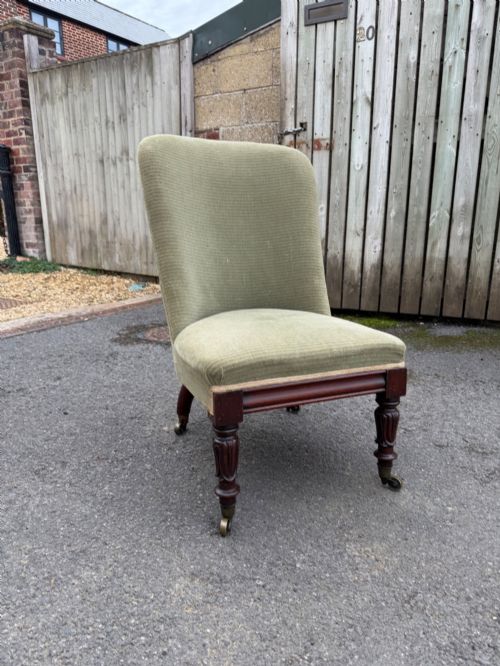
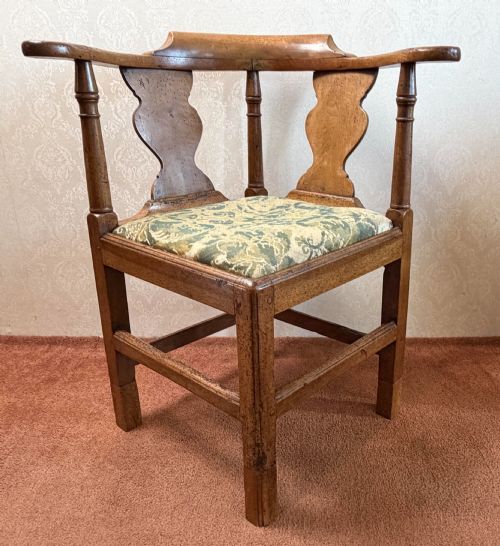
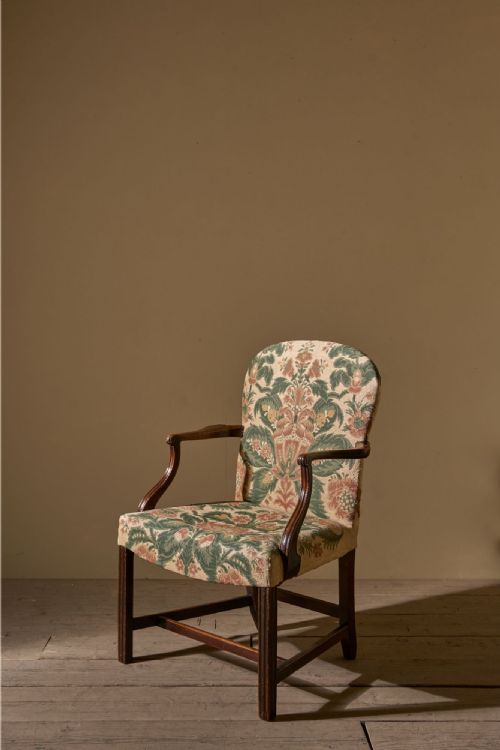
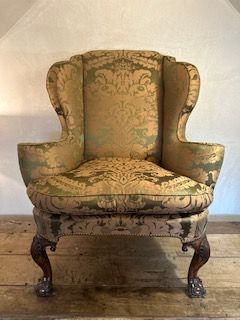
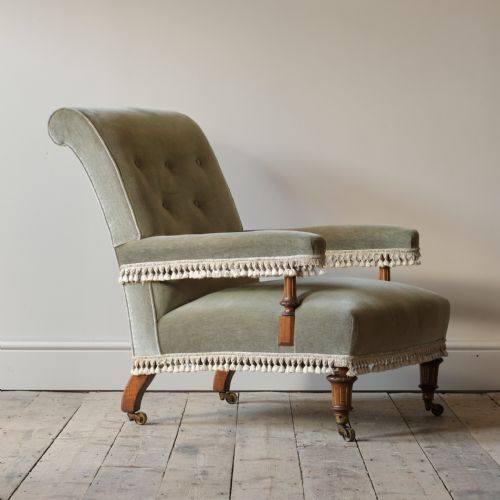
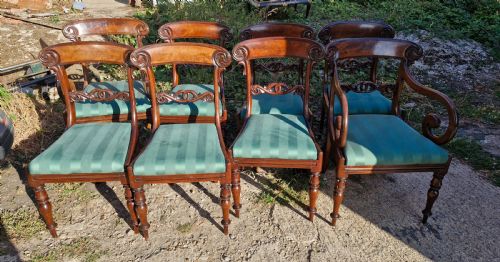
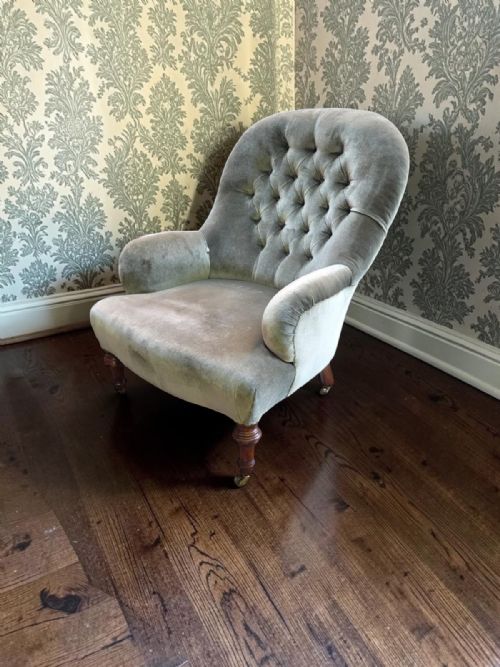
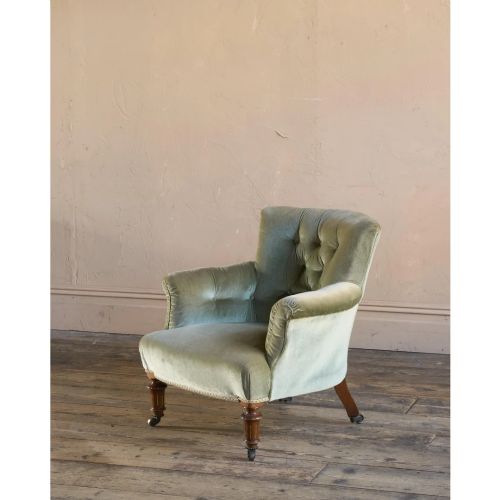
Green Upholstered Armchairs
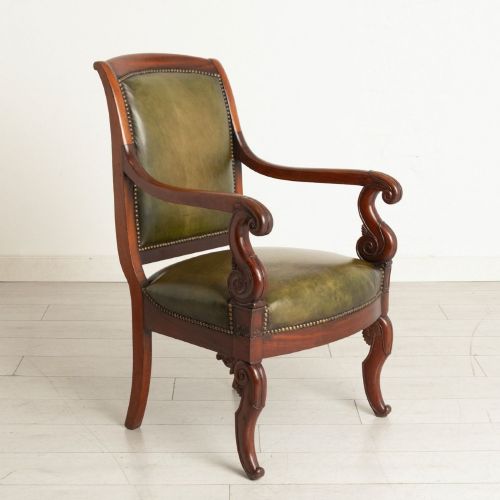
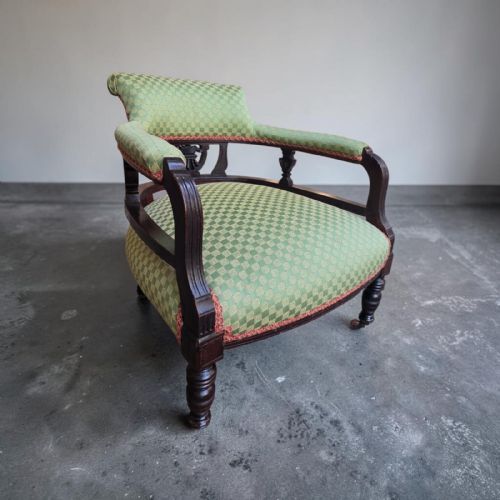
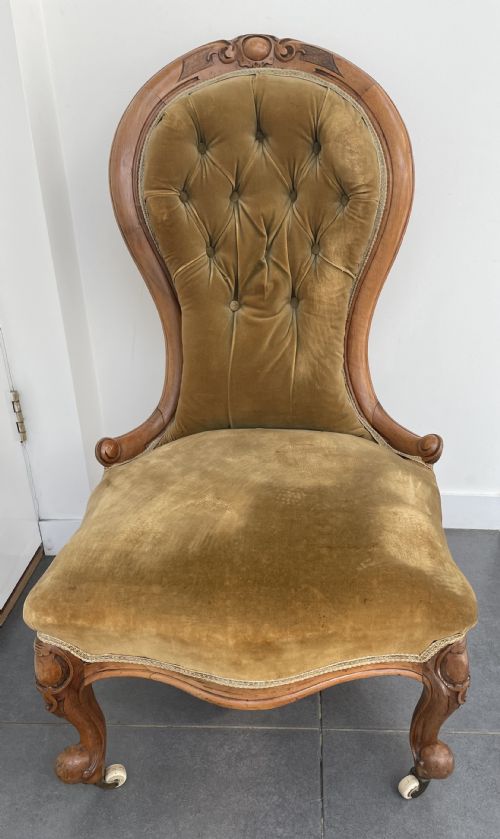
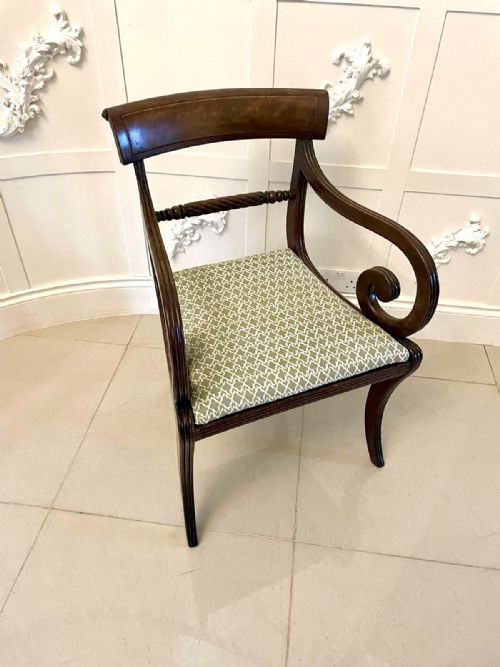
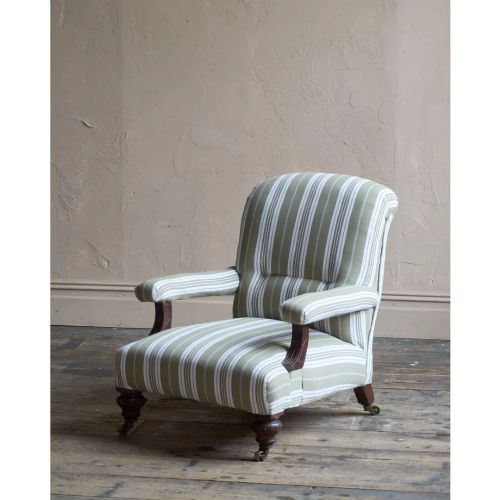
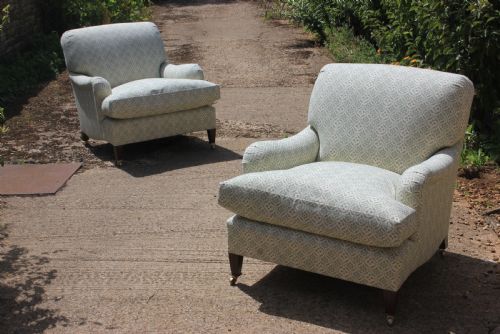
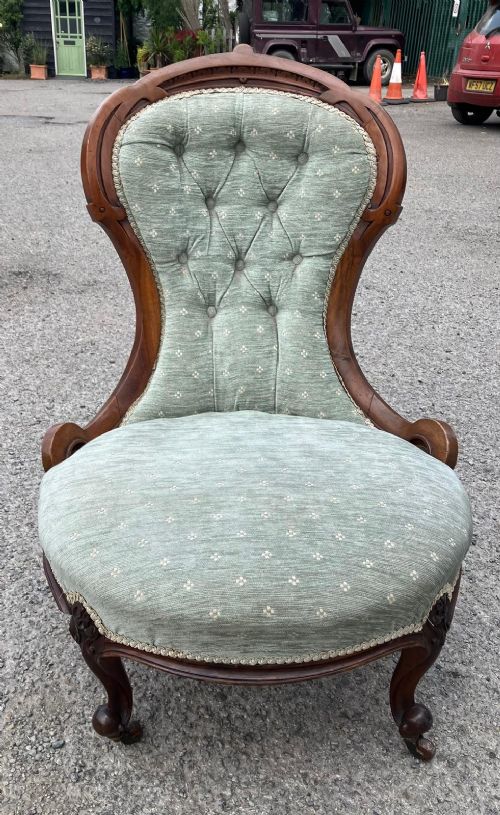
Green upholstered armchairs bring warmth and texture into a room, combining solid timber frames with soft textile coverings.
What They Are
Green upholstered armchairs encompass seating pieces framed in woods such as walnut, mahogany, and rosewood, paired with fabric or textile coverings. The selection here ranges widely across the nineteenth century and into the early twentieth century, reflecting diverse historical revivals.
Buyers will encounter pairs most frequently, alongside larger salon suites and individual carvers. Styles span from Georgian and Victorian through to Jacobean Revival, French Louis revivals, and Art Nouveau.
The origins vary from Scottish workshops to Continental makers and French ateliers, offering diverse regional interpretations of timber framing and upholstery.
How They Were Made
Frames are constructed from dense hardwoods like walnut, mahogany, and rosewood, frequently shaped with hand-carved details. Structural stability relies on traditional joinery methods suited to heavy timber armchair construction.
Metal components such as brass appear alongside textile coverings and upholstery fabric to complete the seating structure. Wood surfaces show polished or carved finishes that highlight the natural grain of the timber.
Retail Price Guide 2026
Typical UK retail prices for green upholstered armchairs, calculated from the Sellingantiques database of over a million retail prices indexed since 2003. This retail price guide relies exclusively on Sellingantiques data; no external sources or auction records are used, so the figures do not describe the wider market.
The listings feature walnut, mahogany, and rosewood frames spanning the nineteenth century and early twentieth century.
What Varies in Quality
Quality rests upon the crispness of the timber carving and the architectural proportions of the wooden frame. Subtleties in the silhouette separate standard production from pieces bearing distinct regional or maker attribution.
The selection of timber, from figured walnut to dense mahogany, dictates the visual depth of the frame. Furthermore, the integration between the timber structure and the textile upholstery reveals the maker's underlying skill.
J. & T. Scott
The Green Upholstered Armchairs Glossary
- Salon suite
- A matched set of seating furniture designed for formal entertaining rooms. These groupings typically include a larger sofa alongside coordinating armchairs.
- Carver
- An armchair featuring open sides, originally designed for the head of a dining table or for use in a drawing room.
- Wing armchair
- A high-backed seating form featuring protective side panels designed to shield the occupant from drafts. This traditional shape appears across several revival periods.
- Revival style
- A design movement looking back to historical periods such as the Jacobean era or French reigns for stylistic inspiration. Makers reinterpreted these earlier forms using contemporary nineteenth and early twentieth-century techniques.
Frequently Asked Questions
What periods do these armchairs represent?
The pieces span the nineteenth century and the early decades of the twentieth century. They encompass Victorian, Edwardian, and earlier revival eras.
Craftsmen drew upon Georgian, Jacobean, and French Louis styles during these periods, resulting in varied timber frames and upholstery treatments.
Are these chairs sold in pairs?
Many of the listed green upholstered armchairs appear as matched pairs or within larger salon suites. This reflects their original domestic use in drawing rooms and parlours.
Single carvers and armchairs also feature among the selection, offering options for diverse room layouts.
What timbers were used for the frames?
Makers utilised dense hardwoods including walnut, mahogany, and rosewood to construct sturdy chair skeletons. These timbers provided the necessary strength for carved arms and legs.
Selected pieces incorporate brass details alongside textile upholstery to finish the design.
How do revival styles differ?
Revival styles draw inspiration from earlier historical epochs, such as Jacobean or French Louis designs, executed with nineteenth or twentieth-century craftsmanship. Each revival interprets historical proportions and carving motifs differently.
Makers adapted these historic silhouettes to suit contemporary drawing room and salon requirements.