


Pair of Accent Chairs
A pair of accent chairs brings symmetry and proportion to a room, offering matched seating rooted in periods from the seventeenth century to the twentieth.
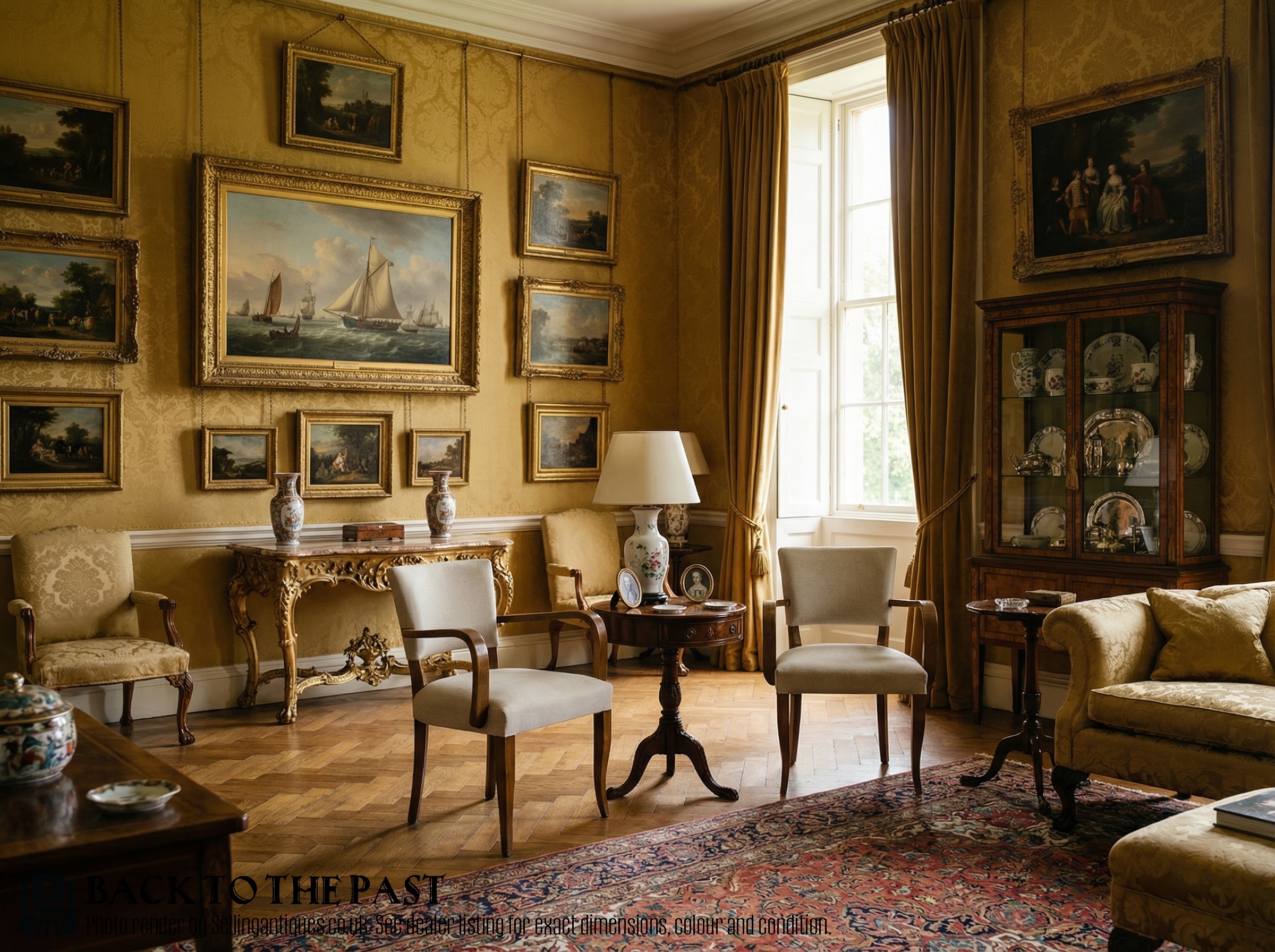
Pair of Accent Chairs
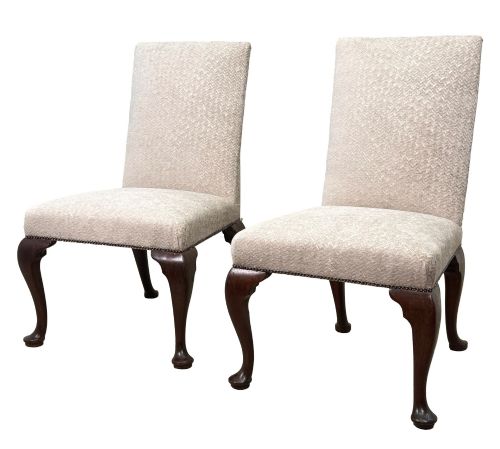
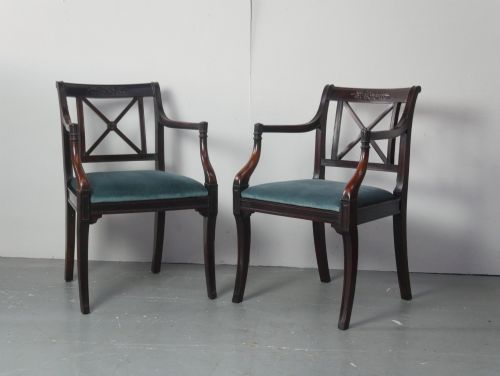
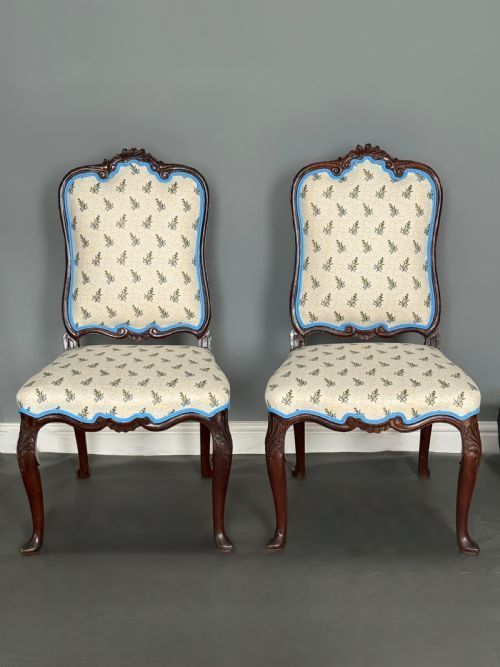
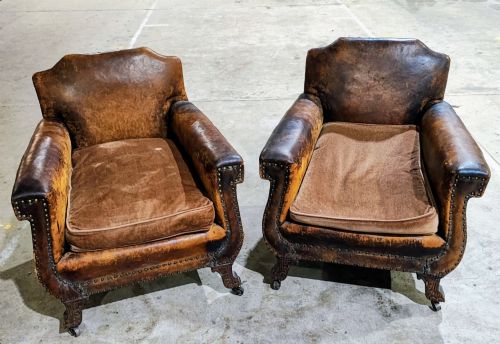
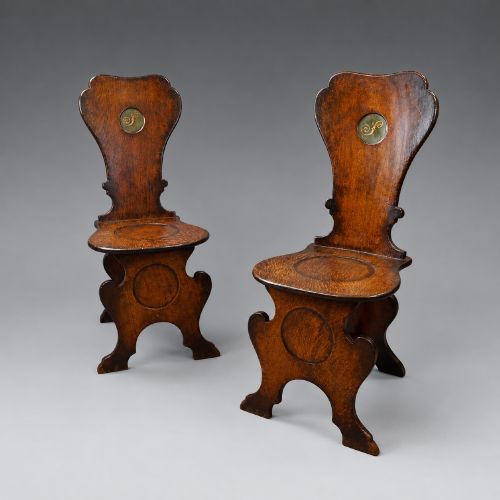
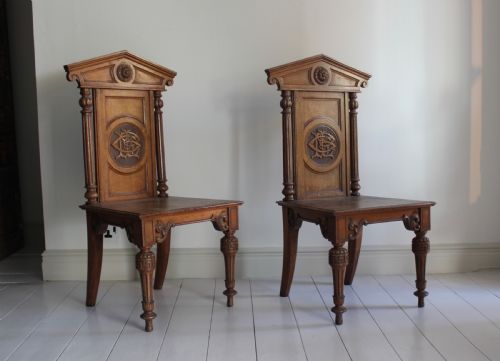
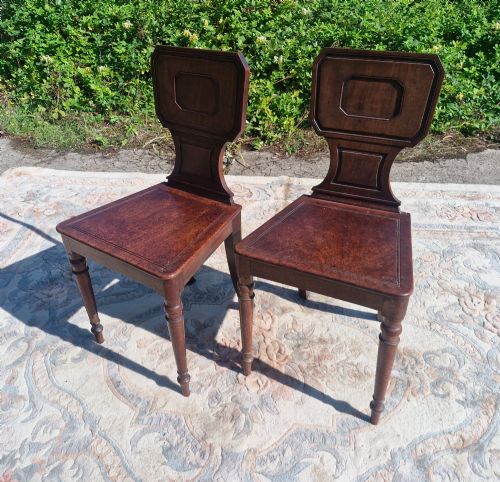
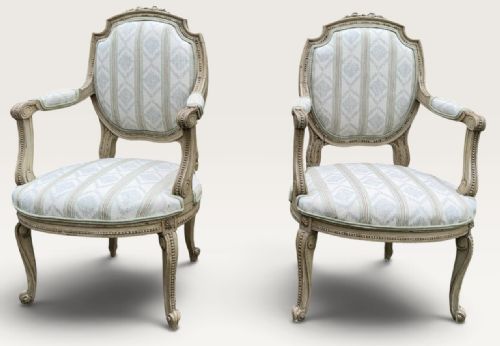
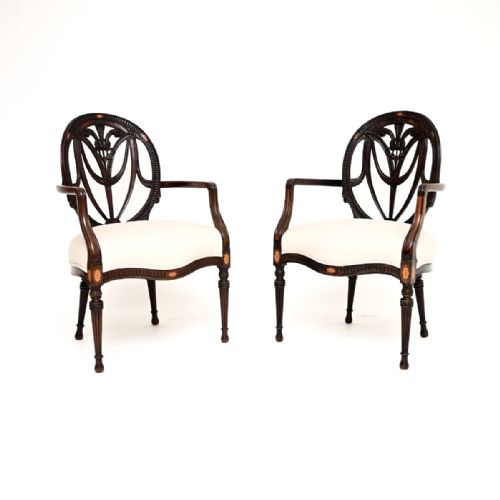
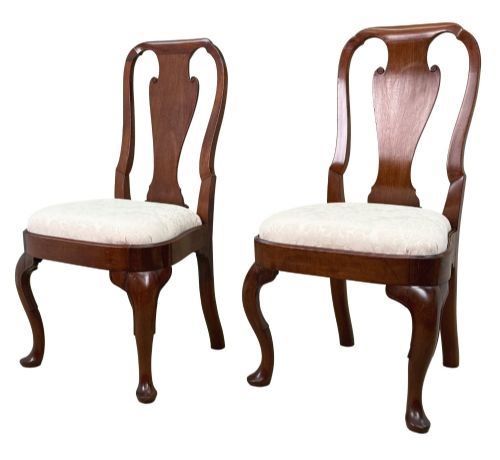
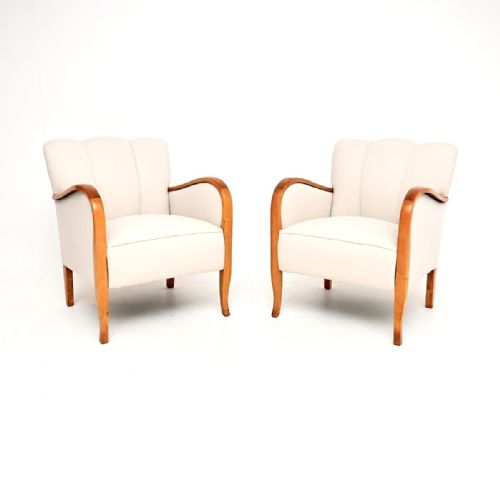
A pair of accent chairs encompasses matched seating forms such as armchairs, side chairs, hall chairs, and nursing chairs designed to coordinate within a interior space. These seating pairs appear across multiple design movements, including Victorian, Regency, Edwardian, and Art Deco, reflecting shifting domestic functions.
The selections span centuries of woodworking and upholstery traditions, ranging from formal eighteenth-century walnut side chairs to twentieth-century Swedish birch armchairs. Buyers frequently encounter nineteenth-century walnut and mahogany examples alongside oak hall chairs and upholstered salon seating.
Origin points vary widely across the inventory, taking in English, French, Italian, and Scandinavian workshops. Whether configured as low nursing seats, tall-backed armchairs, or rigid hall chairs, each matched pair provides dual seating intended to anchor a room's decorative scheme.
How they were made
Construction relies heavily on dense hardwoods such as mahogany, walnut, and oak, often shaped through traditional turning, carving, and joinery techniques. Frames utilise structural timbers to support various seating formats, from rigid wooden boards to intricate cane panels.
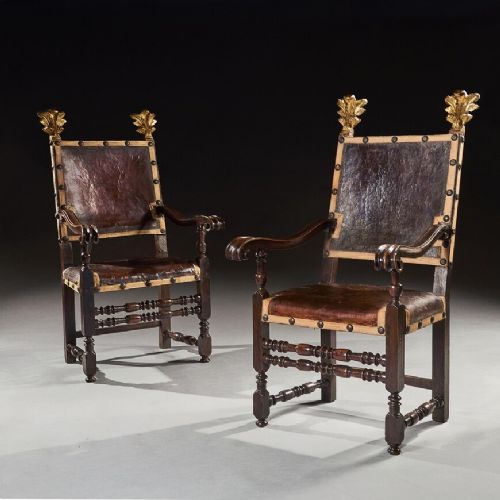
Upholstery methods incorporate fabric, leather, textiles, and tapestry secured to internal webbing or padding, while specialised pieces feature parcel-gilt details, original paint surfaces, or decorative brass elements. Carved ornamentation distinguishes many frames, executed directly into the solid wood foundations.
Pair of Accent Chairs Retail Price Guide 2026
Typical asking prices for pair of accent chairs among the pieces listed under this phrase on Sellingantiques today, from the lower quarter to the upper quarter. They describe what is for sale here now, not the wider market.
Listings feature structural timbers including walnut, mahogany, oak, and birch across pieces dated from the seventeenth century onward.
What varies in quality
The integrity of the original wood frame and the crispness of carved details dictate the baseline standard of a matched pair. Superior examples retain their structural stability and authentic surface treatments, such as original paint or period gilding, without extensive rebuilding.
Cohesion between the two chairs determines overall success, as matched pairs must share identical proportions, timber graining, and decorative execution. Subtle discrepancies in manufacture or mismatched subsequent repairs diminish the visual harmony expected of matched seating.
Charles Tozer·Jacob Desmalter
The Pair of Accent Chairs Glossary
- Bergere
- An enclosed upholstered armchair featuring wooden framing and cane or upholstered side panels. These seats originated in France during the eighteenth century.
- Sgabello
- A Renaissance chair type featuring a wooden seat supported by solid side boards or trestles rather than legs. These decorative seats served primarily in halls.
- Fauteuil
- An open-framed upholstered armchair with exposed wooden armrests originating in France. The style developed through successive royal periods.
- Bobbin turned
- A form of furniture leg or stretcher shaped on a lathe to resemble a series of wooden bobbins or spools. This decorative turning appears frequently on seventeenth and eighteenth-century seating.
- Parcel-gilt
- A decorative treatment where selected portions of a wooden object receive a thin layer of gold leaf while other areas remain exposed wood or paint. This technique highlights carved details.
Pair of Accent Chairs: Frequently Asked Questions
Where should I place these chairs?
Matched seating works effectively when balanced on either side of a fireplace, window, or console table. Their symmetry introduces formal structure to living rooms, hallways, and reception spaces.
Consider the seat height and back profile relative to surrounding furniture to maintain clear pathways and comfortable sightlines. Lighter forms suit bedrooms and dressing areas, while substantial armchairs anchor larger reception rooms.
How do I care for antique wood?
Maintain stable indoor humidity levels and protect timber surfaces from direct sunlight to prevent cracking or fading. Regular dusting with a soft, dry cloth preserves the polished finish.
Avoid applying modern silicone sprays or heavy waxes that build up over time. Natural beeswax applied sparingly helps nourish historic wood surfaces without harming the patina.
Can I reupholster historic seating?
Reupholstery is common for pieces requiring functional updates to fabric or internal padding. Preservationists recommend retaining underlying webbing layers and traditional stuffing techniques where possible.
Selecting textiles sympathetic to the chair's period ensures historical consistency. Professional execution protects fragile wooden frames during the stripping and recovering process.