

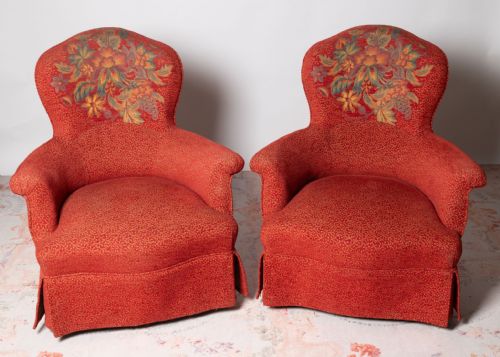
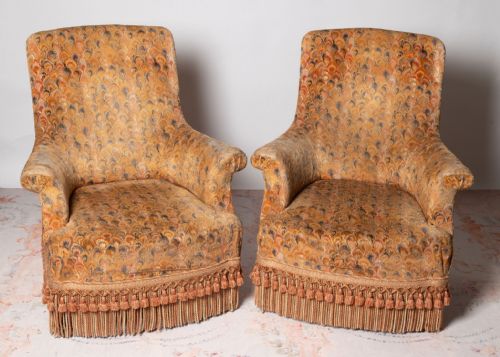
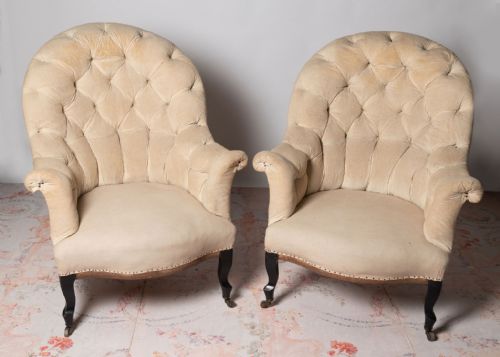
Napoleon III Armchairs
Napoleon iii armchairs are plush, buttoned French seats designed for deep comfort, bringing nineteenth-century chateau style to any room.
What Napoleon III Armchairs Are
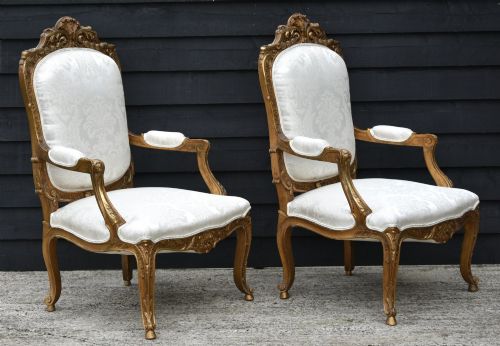
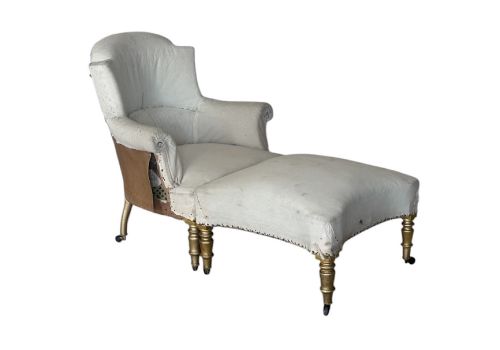
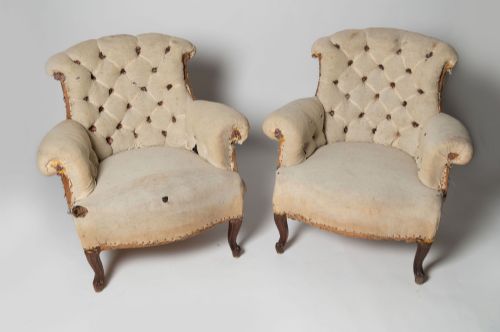
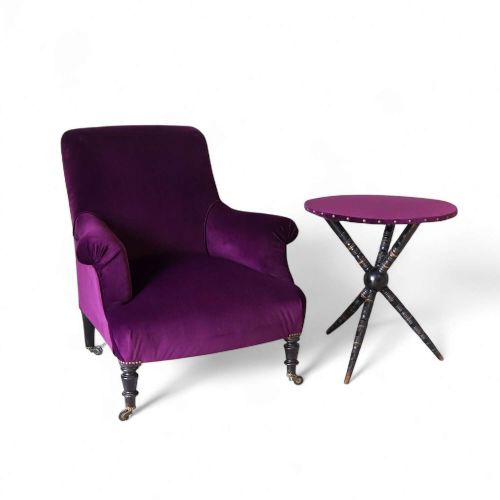
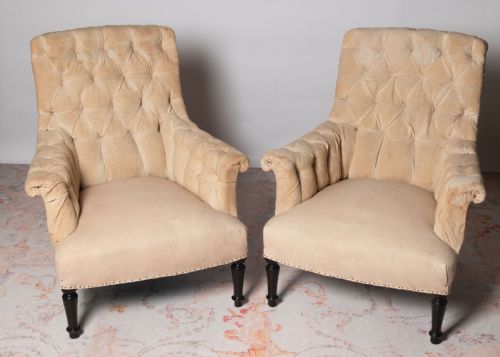
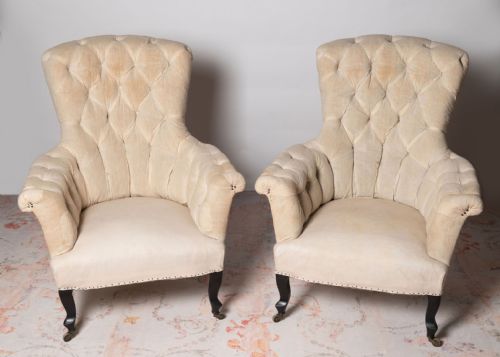
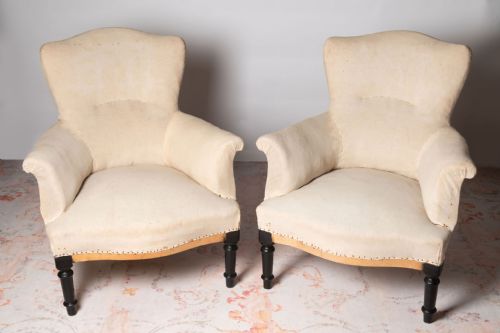
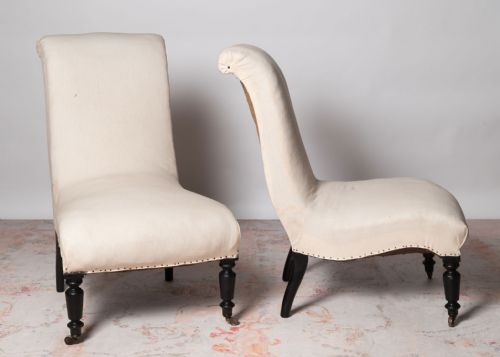
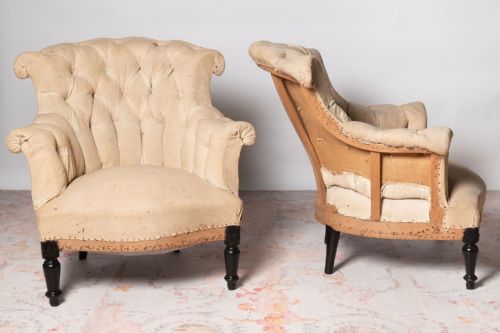
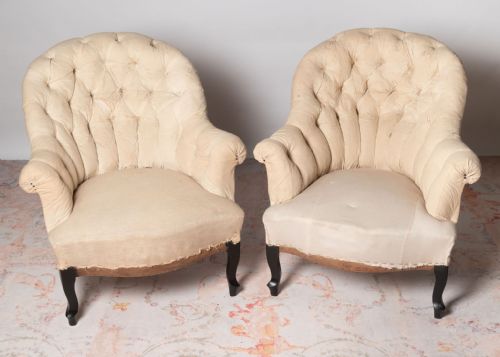
Napoleon iii armchairs are nineteenth-century French seating forms built primarily as pairs, featuring various distinctive back shapes such as spoon, square, shield, fishtail, and pie crust designs. These pieces often arrive upholstered in cotton calico, linen, green ticking, or hessian, reflecting both plain finishes and buttoned detailing.
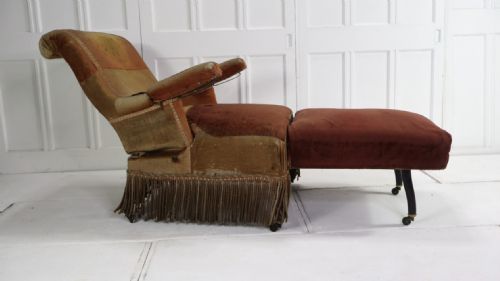
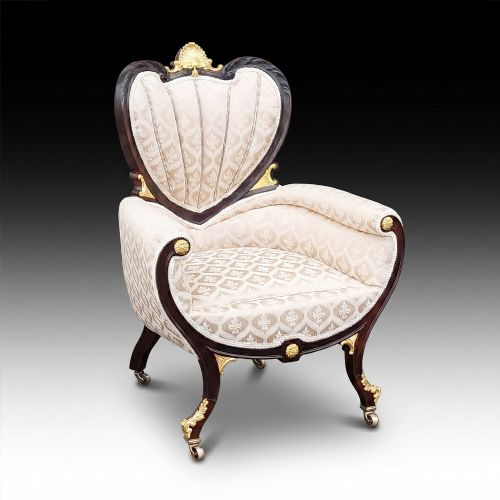
Buyers browsing this selection meet numerous pairs originating from the 19th century and around 1880, encompassing French rococo revival and chateau aesthetics. The inventory ranges from large throne chairs to folding armchairs, wide-seated models, and items accompanied by matching stools.
The dominant forms on this page emphasise supportive curves, pillow arms, and scroll backs, demonstrating the ornate yet comfortable domestic seating of the French Second Empire. Each pair reveals the classic proportions and distinctive silhouette expected of nineteenth-century seating from this specific period.
How They Were Made
Frames are constructed from timber, beech, and wood, frequently carved and occasionally ebonised to provide a sturdy structural foundation for the upholstered components. Brass elements appear as decorative details, securing and accentuating the framework of these nineteenth-century seats.
Upholstery techniques rely on traditional textile applications using cotton, linen, calico, and ticking fabrics, often incorporating deep buttoning across the backrests and seats. Workshops shaped these materials into curved, scroll, and pie crust profiles supported by internal padding and sturdy legs.
Retail Price Guide 2026
Typical UK retail prices for napoleon iii armchairs, calculated from the Sellingantiques database of over a million retail prices indexed since 2003. This retail price guide relies exclusively on Sellingantiques data; no external sources or auction records are used, so the figures do not describe the wider market.
Some chairs sport green ticking that suggests a French dairymaid took a very tidy turn at the chateau.
What Varies in Quality
Quality in these armchairs depends on the precision of the timber frame carving, the elegance of the wood finish such as ebonising, and the structural integrity of the joinery. Superior examples maintain firm proportions across complex silhouettes like fishtail and shield backs without timber distortion.
The standard of upholstery work dictates the refinement of the piece, particularly in the regularity of buttoning and the choice of traditional covering fabrics like ticking or linen. Examples featuring balanced padding, well-executed curves, and matching auxiliary pieces display the higher tier of nineteenth-century French production.
The Napoleon III Armchairs Glossary
- Buttoned
- Upholstery secured with deep tufting to create a pleated, dimpled surface across the backrest or seat. This technique provides both visual texture and structural tension to the padding.
- Spoon back
- An oval backrest shaped with a concave contour resembling the bowl of a spoon. This nineteenth-century design cradles the sitter's spine.
- Pie crust
- A decorative, undulating edge carved into the wooden frame or shaped in the upholstery. The name derives from its resemblance to traditional pastry crimping.
- Ebonised
- Wood finished with a dark stain or black lacquer to imitate ebony. This treatment was frequently used on French revival frames to create high contrast.
- Hessian
- A coarse woven fabric typically utilised as a sturdy base layer beneath outer upholstery textiles. It provides essential support for internal padding.
Frequently Asked Questions
What defines a Napoleon III armchair?
These nineteenth-century French seats are characterised by generous padding, buttoned upholstery, and distinct back profiles like spoon, square, or fishtail shapes. They emerged during the Second Empire period and often feature carved wooden frames.
Craftsmen built them for comfort and visual presence, frequently producing them in pairs for formal domestic parlours and sitting rooms.
How do I identify different back shapes?
Back shapes range from simple squares and curved scrolls to elaborate shield, fishtail, and pie crust silhouettes. Spoon backs offer a distinct concave oval form that fits the human spine.
Examining the upper wooden rail and the upholstery contour reveals whether the piece follows a rococo revival curve or a structured rectangular geometry.
Were these chairs originally made in pairs?
Many nineteenth-century French reception rooms required symmetrical seating arrangements, leading workshops to construct these armchairs in matching pairs. Surviving sets often share identical frame carvings and fabric coverings.
Finding them paired preserves the intended decorative balance of a nineteenth-century interior scheme.
What fabrics were traditionally used for upholstery?
Original coverings included cotton calico, linen, hessian, and green ticking with distinctive criss-cross patterns. Buttoning was applied directly through these materials to secure the internal stuffing.
Textiles were chosen to complement the polished beech and timber frames while providing durable domestic comfort.
How do I care for an antique wood frame?
Maintain the timber or beech frame by dusting regularly with a soft, dry cloth and avoiding direct sunlight or moisture fluctuations. Preserving the polished surface protects the original woodwork.
Inspect the joints periodically to ensure the structure remains stable without applying harsh chemical polishes.