


French Boudoir Chairs
French boudoir chairs are intimate seating pieces designed for private chambers, offering charming decorative presence and compact elegance.
What French boudoir chairs are
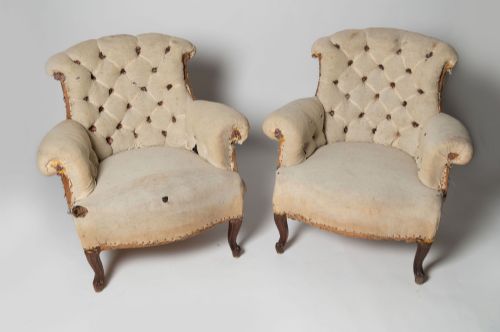
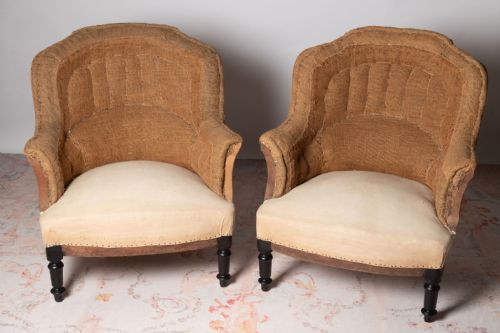
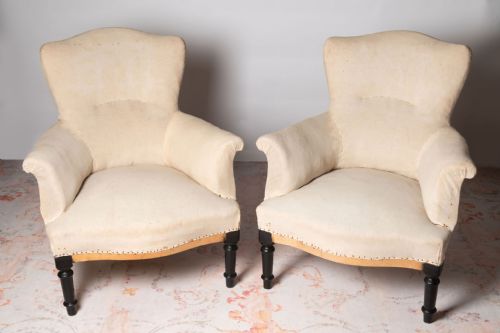
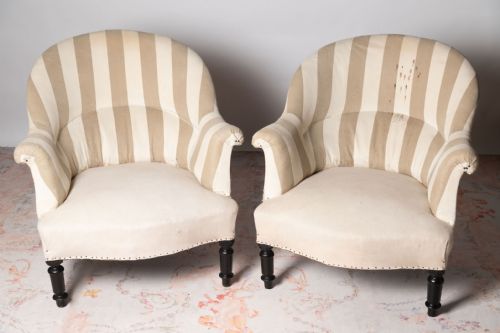
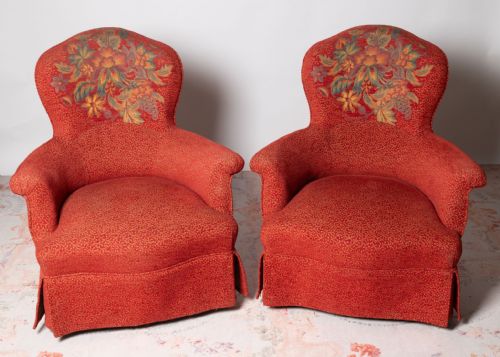
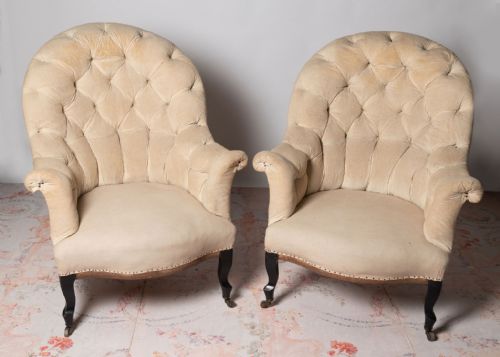
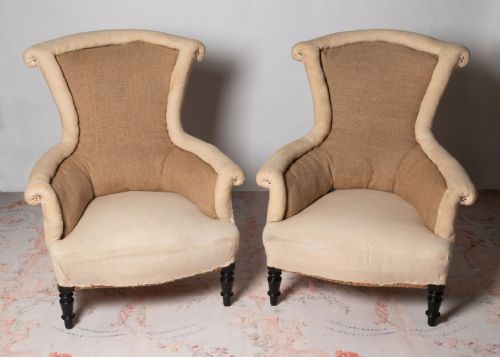
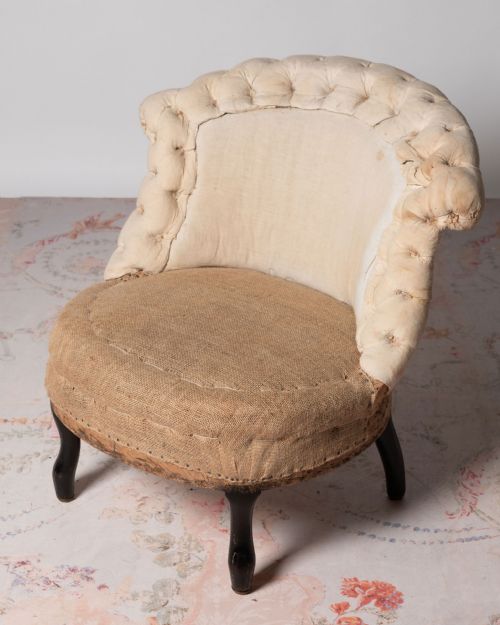
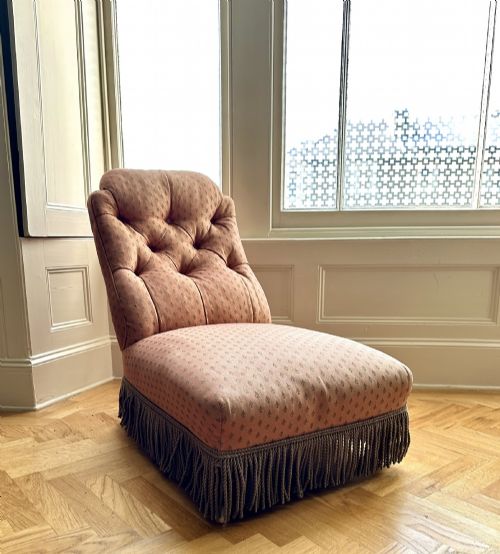
French boudoir chairs comprise small-scale seating forms historically suited to private rooms, encompassing armchairs, side chairs, slipper-back chairs, and tub chairs. These pieces emerge predominantly from the nineteenth century, including specific dates such as 1880, alongside turn-of-the-century examples.
The selections span distinct stylistic revivals, featuring French Chateau, French Napoleon III, French Rococo Revival, and Louis XVI styles. Buyers encounter both single items and matched pairs or sets, reflecting the domestic arrangements of their original periods.
How they were made
Maker construction relies heavily upon traditional hardwoods, with beech, wood in general, fruitwood, and gilt-wood forming the primary structural frames. Metal elements also appear in specific framework applications.
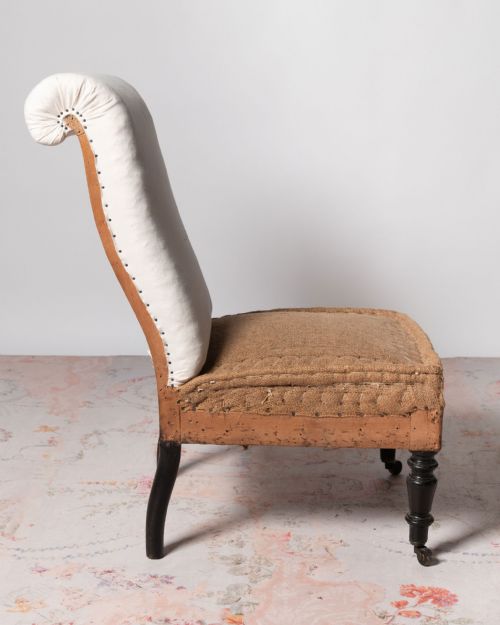
Upholstery techniques utilise foundational materials such as hessian, calico, linen, and cotton underneath decorative top layers of velvet upholstery. Painted and gilded surface treatments frequently finish the wooden frames.
Retail Price Guide 2026
Typical UK retail prices for french boudoir chairs, calculated from the Sellingantiques database of over a million retail prices indexed since 2003. This retail price guide relies exclusively on Sellingantiques data; no external sources or auction records are used, so the figures do not describe the wider market.
The listings here feature nineteenth-century pieces alongside 1880 examples, constructed from beech, fruitwood, and gilt-wood with velvet, linen, and cotton upholstery.
What varies in quality
Quality differentiates through the integrity of the wooden frames and the refinement of surface decoration, distinguishing standard painted finishes from intricate gilt-wood carving. The sophistication of the chosen style, from restrained Louis XVI lines to ornate Rococo Revival curves, dictates the visual ambition of each piece.
The preservation of original textile layers and underlying materials, such as hessian and traditional stuffing, influences the physical authenticity of surviving examples. Matching sets and pairs display a higher degree of initial commissioning investment than isolated individual chairs.
The French Boudoir Chairs Glossary
- Boudoir chair
- A small, decorative armchair or side chair designed for a private dressing room or bedroom. These seats prioritise compact proportions over heavy domestic scaling.
- Napoleon III style
- A nineteenth-century French design movement reviving eclectic historical motifs under the Second Empire. It incorporates rich gilding and opulent textiles.
- Gilt-wood
- Wood coated with a thin layer of gold leaf or metallic gilt paint. This technique accentuates carved details on formal seating frames.
- Slipper-back chair
- A low-slung chair traditionally used for changing shoes in a bedroom or dressing space. The low profile facilitates ease of use in private chambers.
- Hessian
- A coarse woven fabric typically utilised as a sturdy foundation material beneath final upholstery layers. It supports internal padding and spring systems.
Frequently Asked Questions
What is a French boudoir chair?
A French boudoir chair is a compact, decorative seat historically kept in private dressing rooms or bedrooms. These pieces are smaller than standard parlour armchairs.
They encompass various nineteenth-century styles, including Napoleon III and Rococo Revival, designed for private comfort and aesthetic charm.
How do I date a boudoir chair?
Dating relies on stylistic markers, framing materials like beech or fruitwood, and construction methods. Nineteenth-century examples often display specific regional revival details.
Evidence from this category points to pieces originating around 1880 and throughout the nineteenth century, reflecting distinct historical periods.
What materials are used for upholstery?
Original and traditional upholstery schemes incorporate supportive base layers of hessian and calico. These are covered with linen, cotton, or velvet.
Underneath these textiles, frames constructed from beech, fruitwood, or gilt-wood provide the foundational structure.
Are these chairs sold in pairs?
Many listings feature matched pairs of chairs, reflecting how they were originally commissioned for domestic boudoirs and salons. Single pieces also appear.
Buyers find both individual seating options and pairs or small sets depending on the specific surviving inventory.