

Pair French Accent Chairs
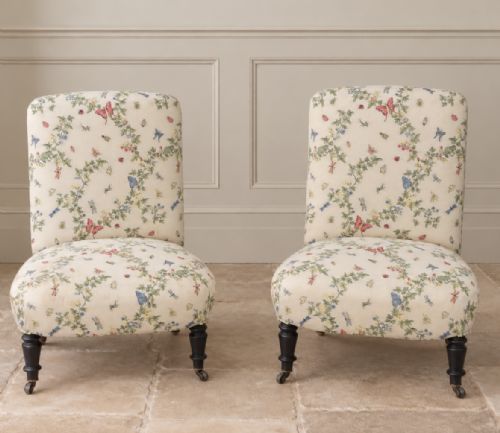
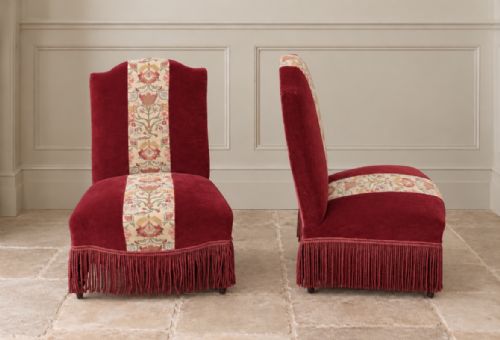
These pair french accent chairs bring distinct continental seating to a room, offering matched character and form that collectors seek.

Pair French Accent Chairs
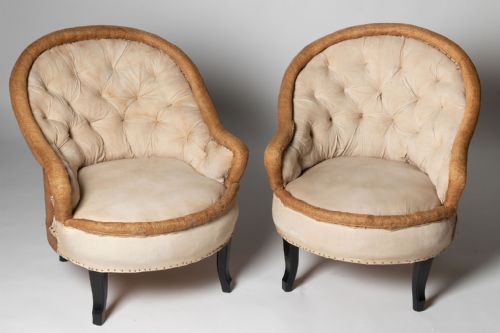
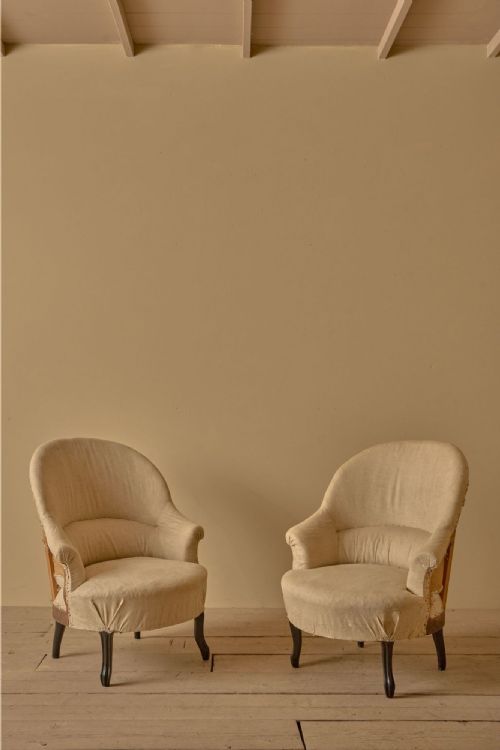
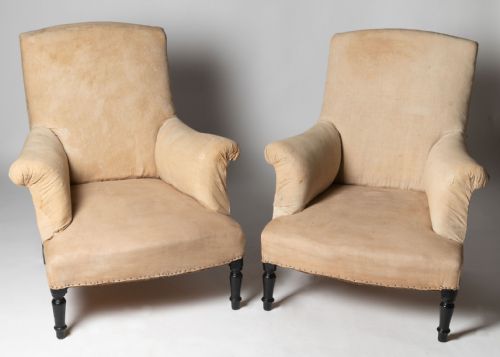
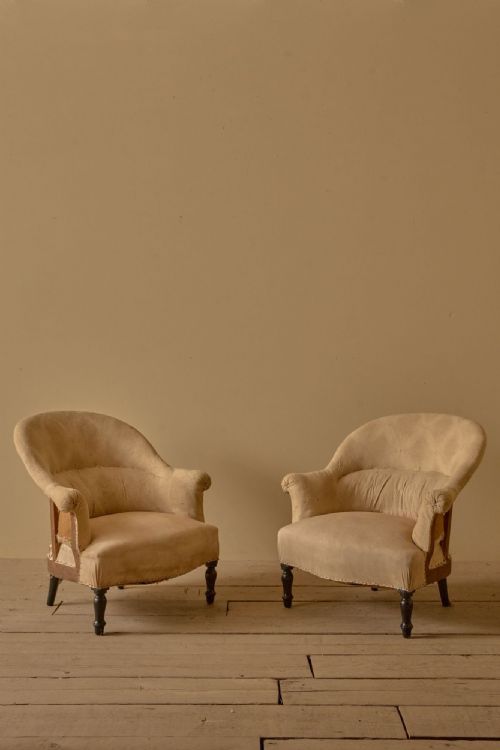
A pair french accent chairs selection brings together matched seating originating from continental workshops, predominantly taking the form of open armchairs, fauteuils, and side chairs. Buyers searching for these pieces encounter diverse iterations spanning the eighteenth through the early twentieth centuries, reflecting changing domestic fashions.
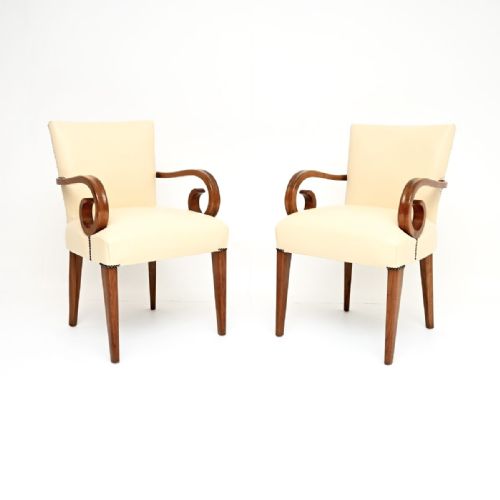
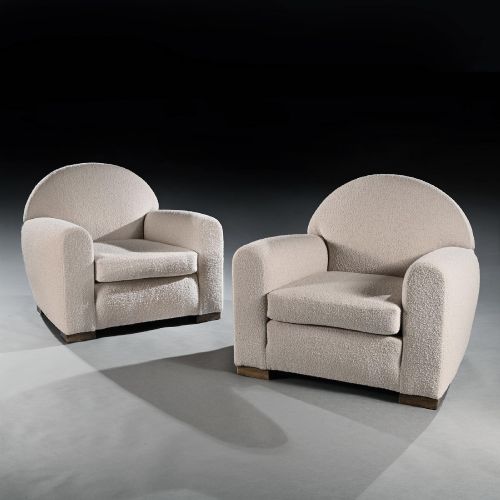
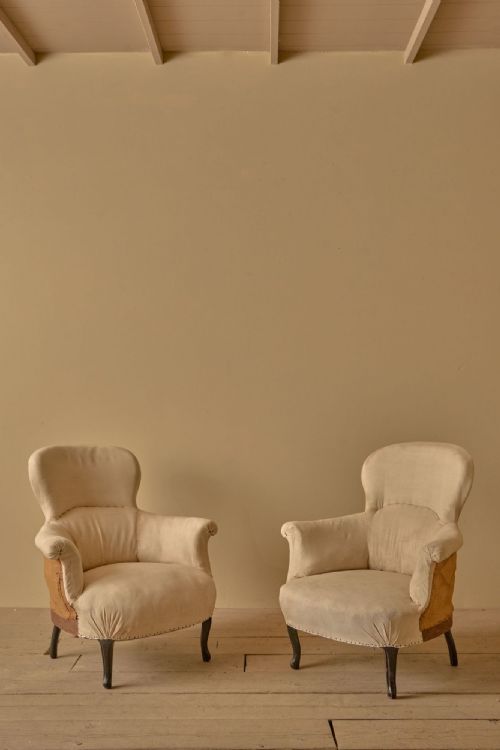
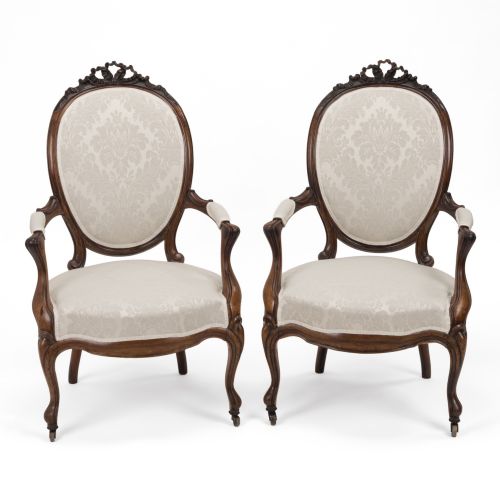
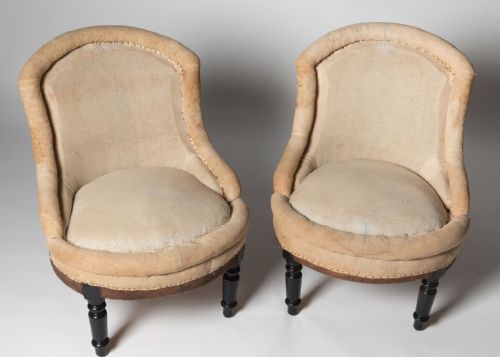
The inventory on this page draws heavily on nineteenth-century examples alongside early twentieth-century interpretations, including Louis XV and Louis XVI revivals, French Chateau styles, and Art Deco designs. Armchairs and bergere tub armchairs dominate the selections available to collectors.
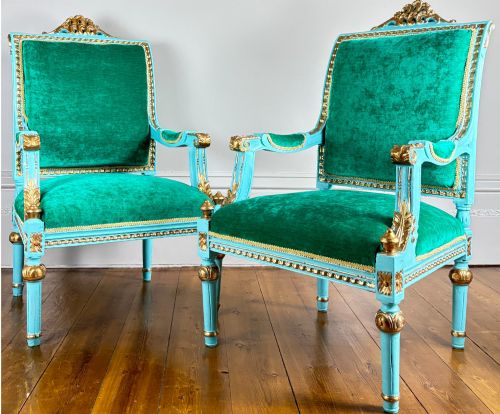
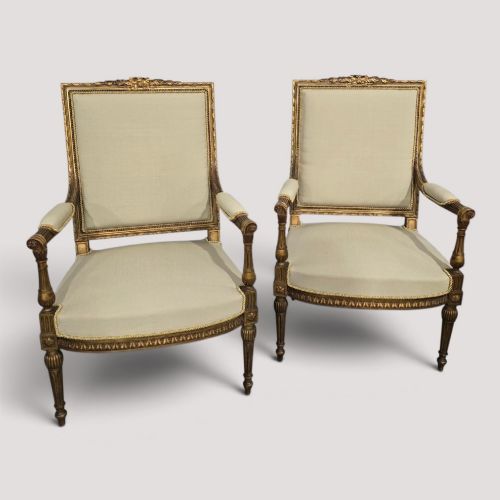
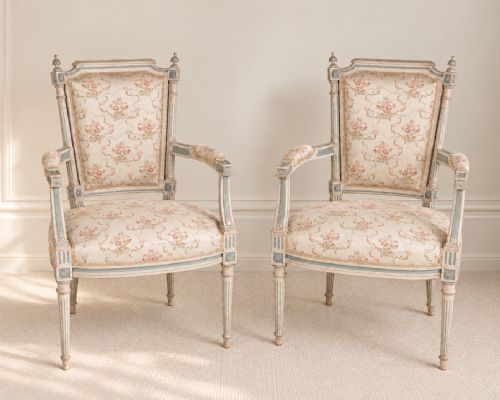
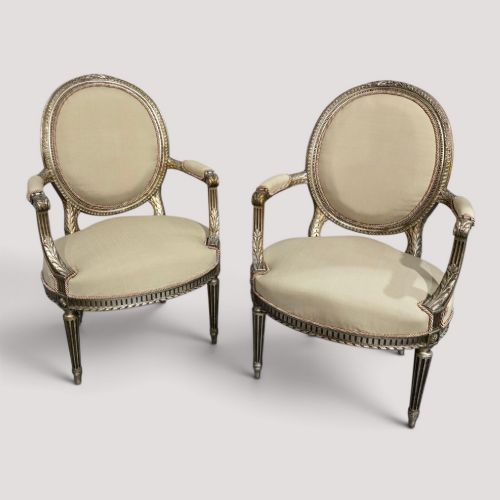
Originating from various European contexts, these pairs range from gilded formal salon seating to painted and parcel-gilt frames intended for relaxed drawing rooms. Each pair provides a balanced visual symmetry suited to traditional and eclectic interiors alike.

Materials and Techniques
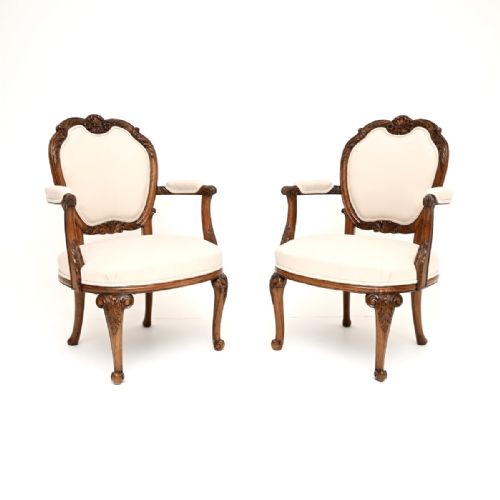
Makers constructed these frames using native timbers such as walnut, beech, and oak, frequently applying giltwood finishes, ormolu mounts, and original paint surfaces. Structural integrity depended on traditional joinery techniques adapted to the curves of revivalist and chateau aesthetics.
Upholstery methods utilised materials like velvet, leather, linen, and tapestry, often secured with button-back detailing or split cane panels. The interplay between carved wooden frames and textile coverings defines the physical presence of each piece.
Pair French Accent Chairs Retail Price Guide 2026
Typical asking prices for pair french accent chairs among the pieces listed under this phrase on Sellingantiques today, from the lower quarter to the upper quarter. They describe what is for sale here now, not the wider market.
Some chairs retain traces of Palais de Tuileries history alongside twentieth-century leather club seats.
Quality and Craftsmanship
The standard of carving distinguishes superior examples from simpler production, seen in the crispness of acanthus motifs, floral details, and scrollwork on walnut and giltwood frames. Greater depth and relief in the woodwork indicate higher artisan involvement during manufacture.
The preservation of original surface treatments, including early paint layers and fire-gilt finishes, elevates certain pieces within the range. Cohesion between the structural frame and the execution of upholstery determines the overall integrity of the pair.

Jacob-Desmalter
The Pair French Accent Chairs Glossary
- Fauteuil
- An open-armed upholstered armchair with exposed wooden framing, typical of French seating design. These chairs generally feature padded armrests and a wide seat.
- Bergere
- An enclosed upholstered armchair featuring solid sides filled with cane, upholstery, or woodwork. The style provides a deep, comfortable seat often accompanied by a loose cushion.
- Giltwood
- Timber treated with gold leaf or gilt finish applied over a prepared gesso ground. This technique creates a brilliant reflective surface common on formal salon chairs.
- Ormolu
- Cast bronze mounted with a finely chased gold-ore finish, used decoratively on furniture frames. The application enhances the neoclassical appearance of Empire style pieces.
- Tapestry
- Woven textile featuring pictorial or decorative designs utilised for heavy upholstery. Such fabrics add rich texture and historical character to period seating.
Pair French Accent Chairs: Frequently Asked Questions
How do I identify a Louis XV revival chair?
Louis XV revival pieces are characterised by asymmetric curves, cabriole legs, and naturalistic carved foliage motifs. These designs draw inspiration from mid-eighteenth-century French aesthetics.
Makers working in later periods adopted these flowing lines and rounded cartouche backs to create lighter, decorative seating suitable for formal rooms.
Are original paint finishes common on these chairs?
Original paint surfaces survive on select nineteenth-century and early twentieth-century examples, showing natural wear and patination over time. These finishes indicate how the pieces appeared in period interiors.
Preserved paint layers add historical value compared to later redecorated surfaces.
How were bergere chairs used historically?
Bergere chairs served as comfortable fireside or drawing room seating designed for relaxation. Their enclosed sides offered protection from draughts in grand houses.
Over time, these comfortable seats became central decorative elements in formal French-style interiors.