

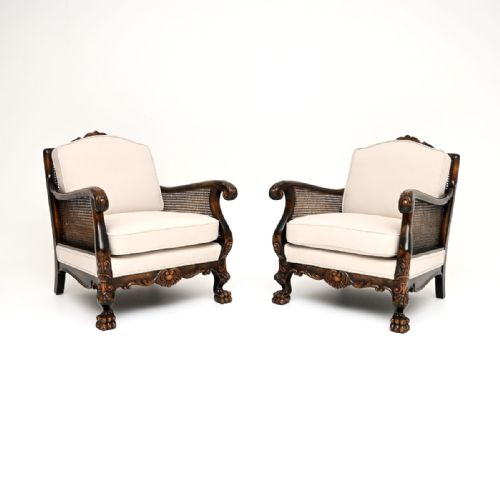
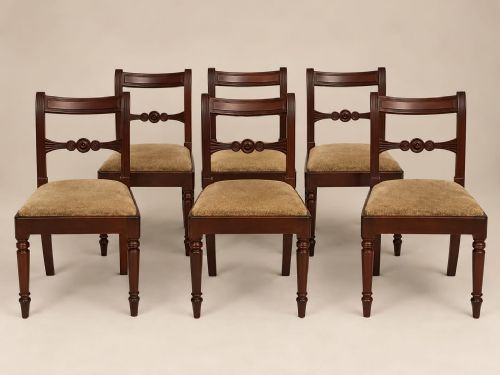
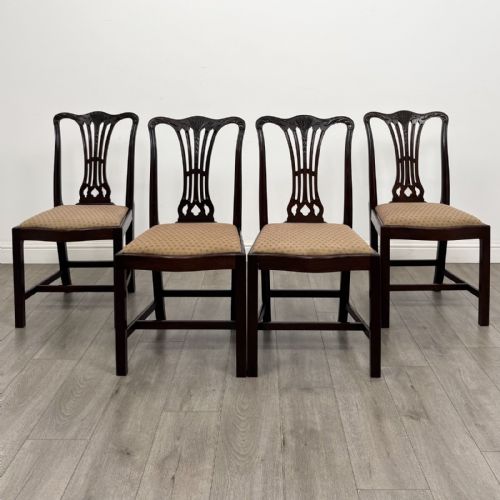
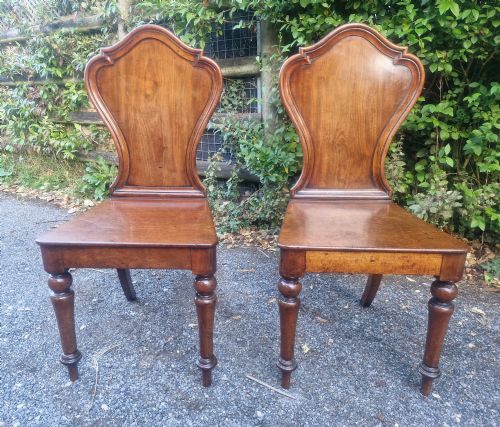
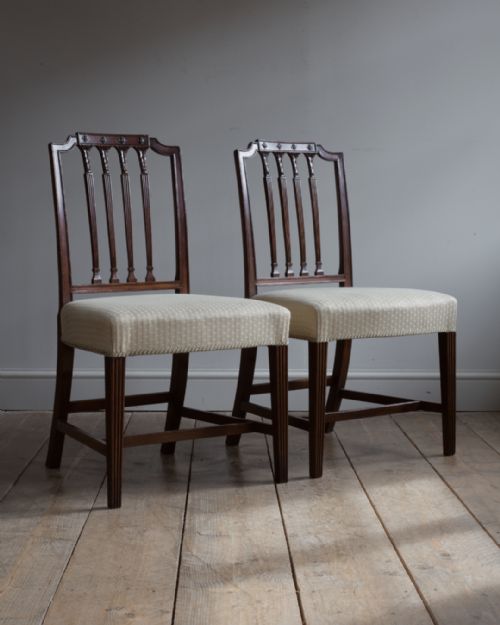
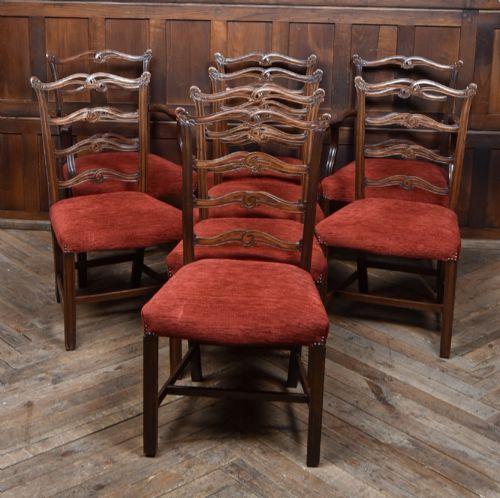
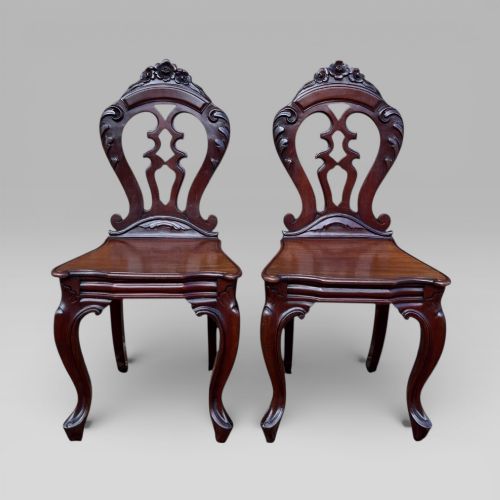
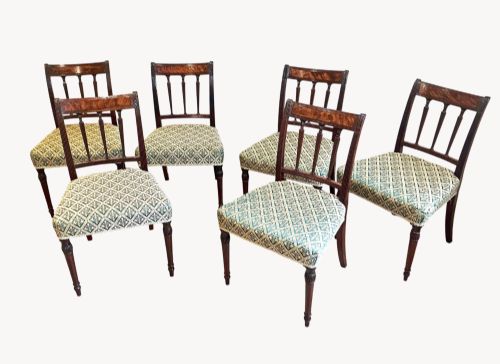
Carved Wood Side Chairs
These carved wood side chairs bring solid presence and period character to any room, offering versatile seating shaped by centuries of regional design.

Carved Wood Side Chairs
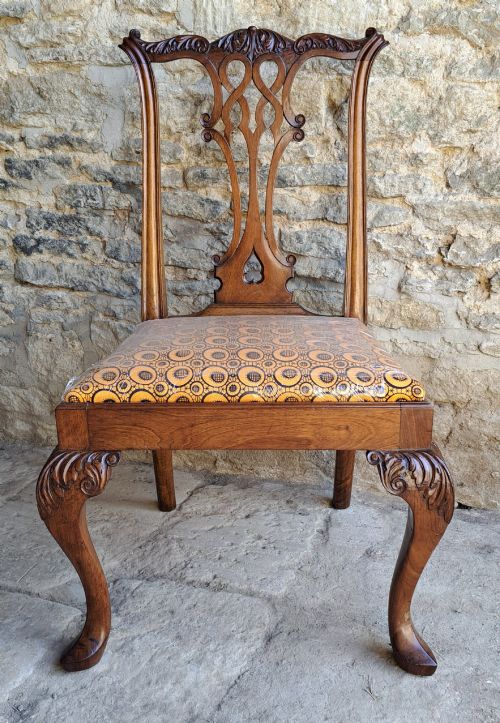
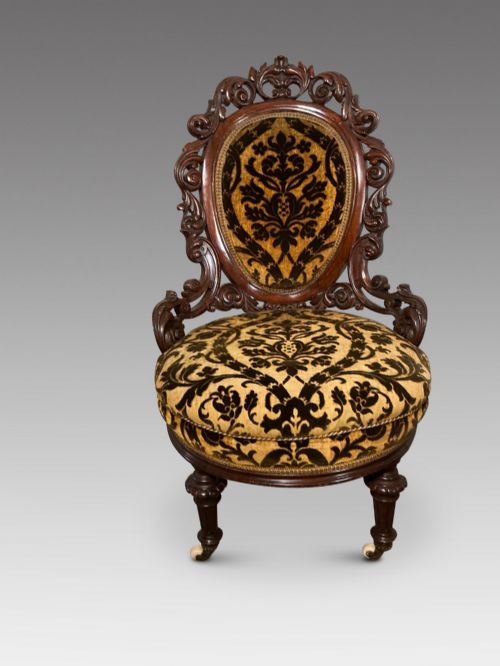
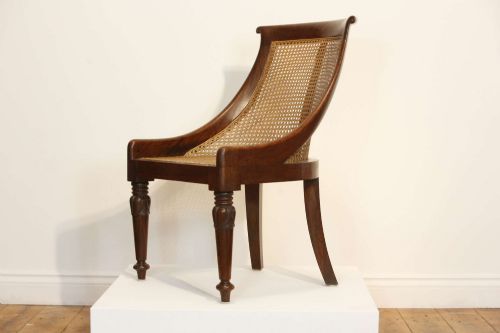
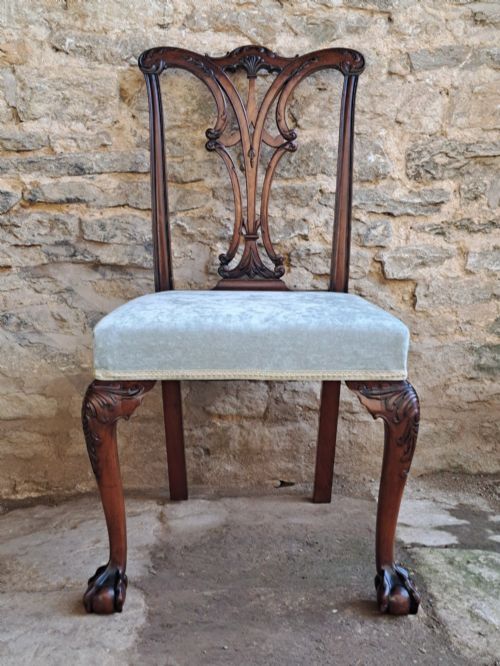
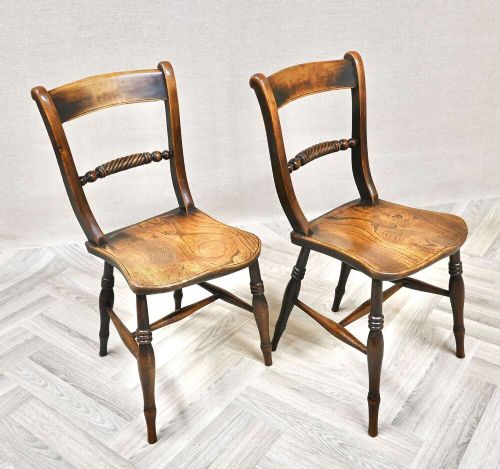
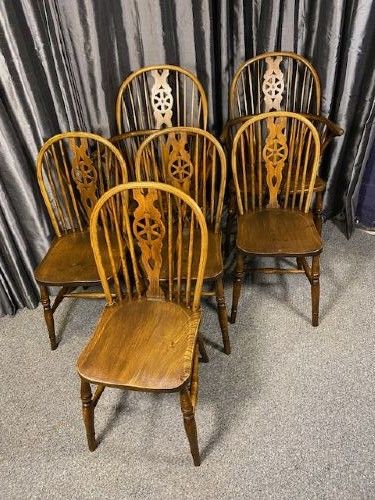
Carved wood side chairs encompass diverse forms from the nineteenth century onward, including hall chairs, salon chairs, and occasional seating. Buyers seeking carved wood side chairs frequently encounter Victorian Gothic designs, French revival styles, and Swiss alpine examples.
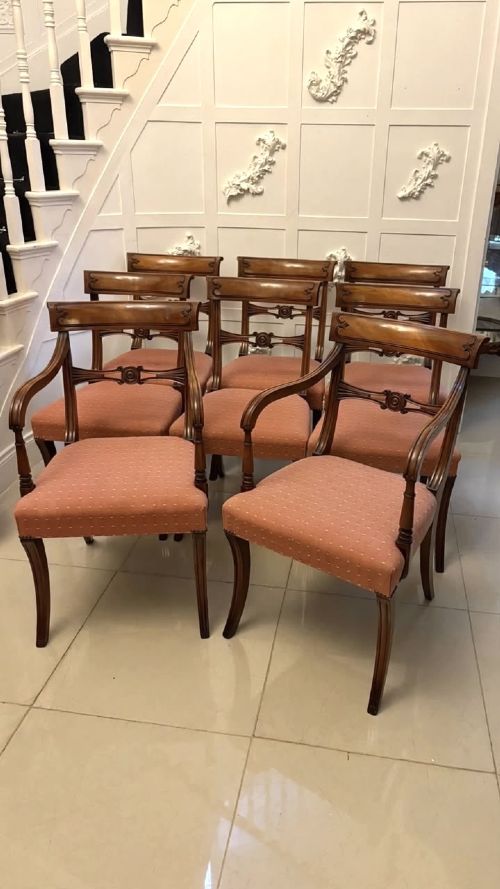
The selection ranges from sturdy oak and walnut frames to rosewood and satinwood variations. Pairs and sets dominate the offerings, providing matching seating arrangements for halls, bedrooms, and dining spaces.
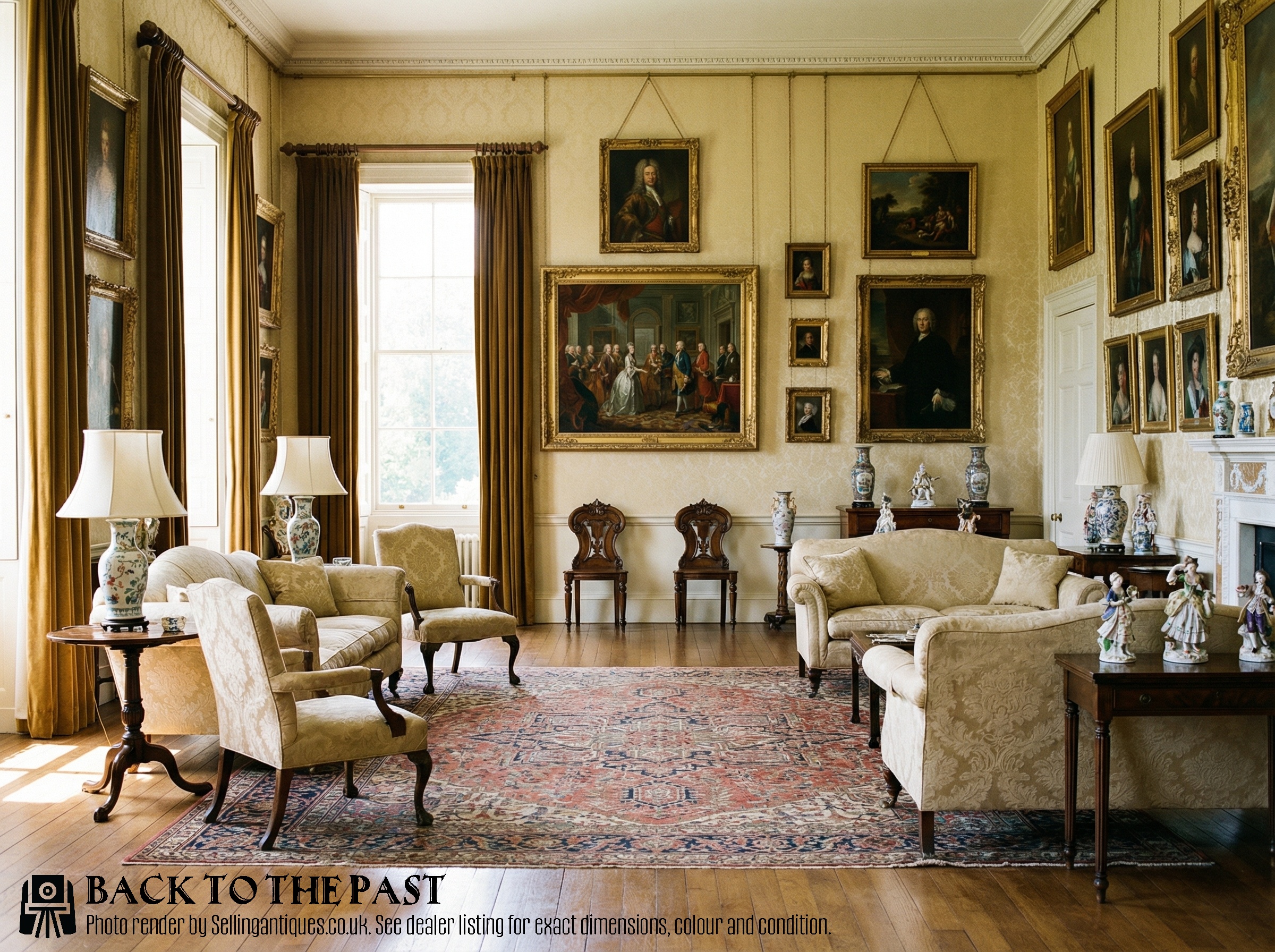
How they were made
Craftsmen built these chairs using solid timbers such as oak, walnut, rosewood, and satinwood, occasionally incorporating brass details and giltwood finishes. Structural joinery supported intricate surface carving, giving depth to backs, rails, and legs.
Upholstered versions utilised traditional textiles including tapestry, calico, and various specialist upholstery fabrics. Painted surfaces and polished timber finishes protected the wood while highlighting the detailed ornamentation.
Carved Wood Side Chairs Retail Price Guide 2026
Typical asking prices for carved wood side chairs among the pieces listed under this phrase on Sellingantiques today, from the lower quarter to the upper quarter. They describe what is for sale here now, not the wider market.
Listings feature periods from the nineteenth century, including Victorian Gothic and Louis revival styles.
What varies in quality
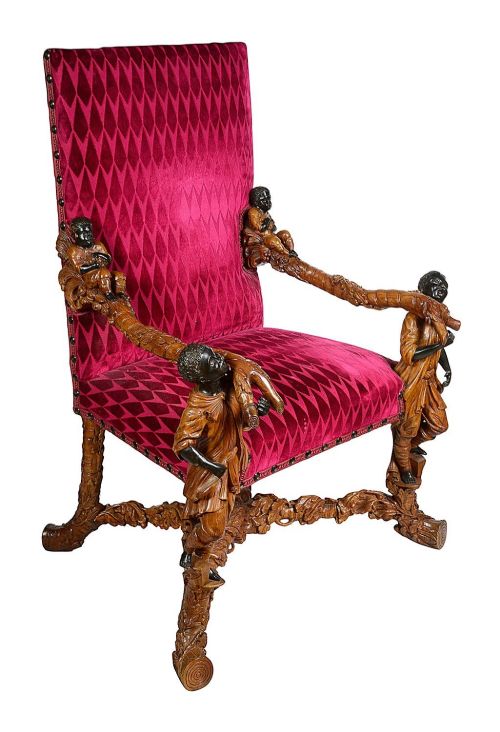
Depth and crispness of the carving distinguish finer examples from simpler production, revealing the hand of a skilled carver rather than mechanical repetition. Timber selection also matters, with dense woods like rosewood and figured walnut holding sharper details than softer or painted alternatives.
Structural integrity and the retention of original upholstery materials or frame components elevate certain pieces above standard utility seating. The cohesion of matched sets or pairs further defines the standing of the furniture.
The Carved Wood Side Chairs Glossary
- Side chair
- A light, armless chair designed primarily for dining or occasional use around a room. These pieces fit easily against walls when not occupied.
- Hall chair
- A stiff-backed wooden chair traditionally placed in entrance halls, often featuring carved family crests or decorative back panels. They prioritise visual impact over soft comfort.
- Giltwood
- Timber treated with a thin layer of gold leaf or metallic powder to create a bright, reflective surface. This finish appeared frequently on revival seating intended for formal reception rooms.
- Carolean revival
- A nineteenth-century style imitating late seventeenth-century English furniture, known for scrolling woodwork and high pierced crest rails. These pieces draw inspiration from the restoration period.
- Escabelle
- A traditional type of wooden chair or stool with a sloping back and sturdy frame, often associated with Swiss alpine regions. They demonstrate regional folk carving traditions.
Carved Wood Side Chairs: Frequently Asked Questions
Where should I place a side chair?
These chairs suit hallways, bedrooms, and reception rooms where space is limited but decorative presence is desired. They function well against walls or flanking larger furniture items.
Because they lack arms, they tuck neatly under tables or into corners without obstructing movement through a room.
How do I identify Victorian Gothic chairs?
Victorian Gothic examples typically feature pointed arch motifs, quatrefoils, and heavy carved solid oak frames. These design elements echo medieval architecture.
They often appear as hall chairs with rigid wooden seats and imposing vertical proportions.
Are these chairs suitable for daily dining?
Many examples function well for regular seating, particularly sturdy oak or walnut dining and side chair configurations. Comfort depends on the presence of upholstery or the contouring of the wooden seat.
Pairs and sets provide uniform seating around a table while adding historic character to a dining space.
What woods were commonly used?
Makers utilised a range of timbers including walnut, oak, rosewood, and satinwood depending on the period and style. Hardwoods provided the structural strength needed for intricate carving.
Some pieces also incorporated painted finishes or giltwood highlights to enhance their decorative appeal.