

Victorian Dining Chairs Set
A victorian dining chairs set brings solid nineteenth-century timber and sturdy proportions to the dining room, offering matched seating for everyday meals or formal gatherings.

Victorian Dining Chairs Set
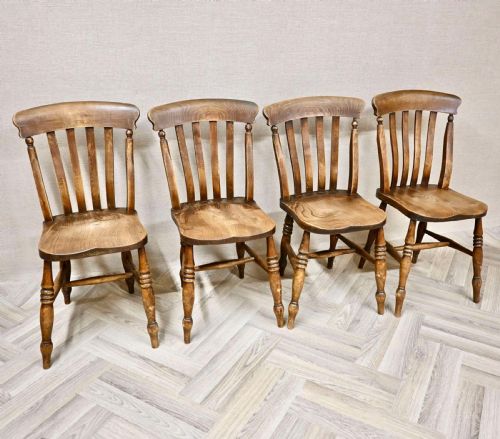
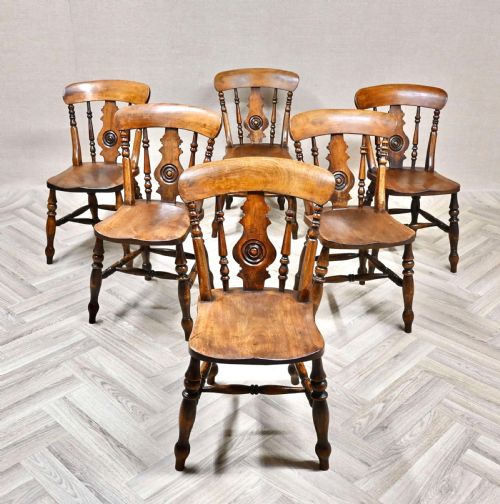
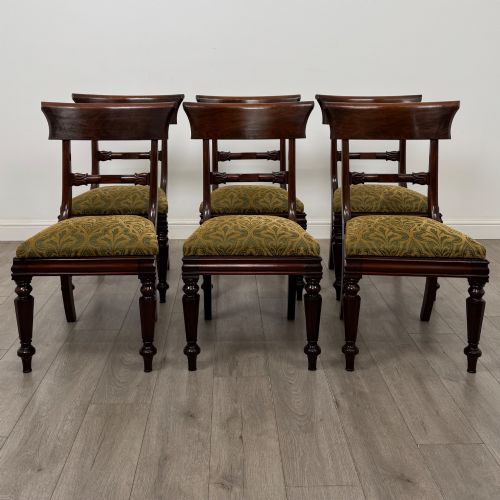
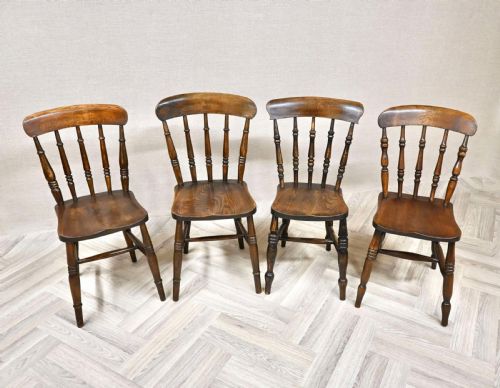
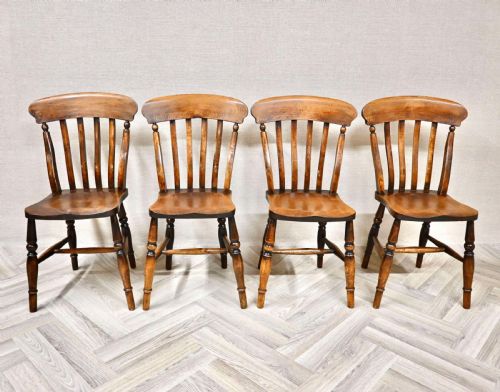
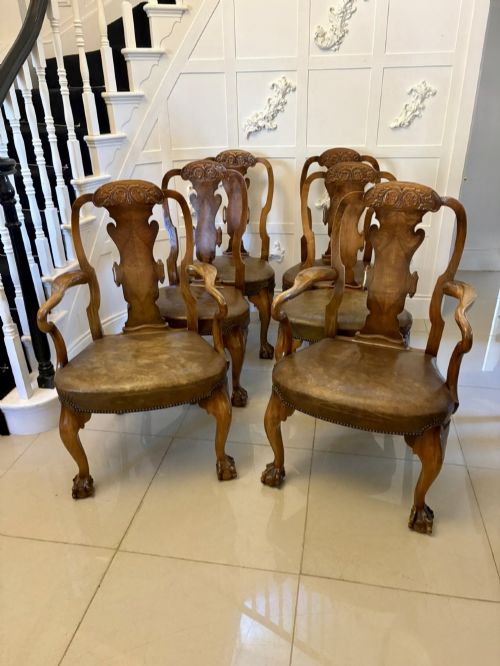
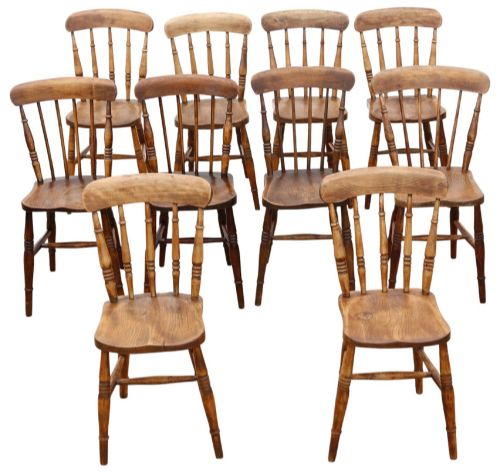
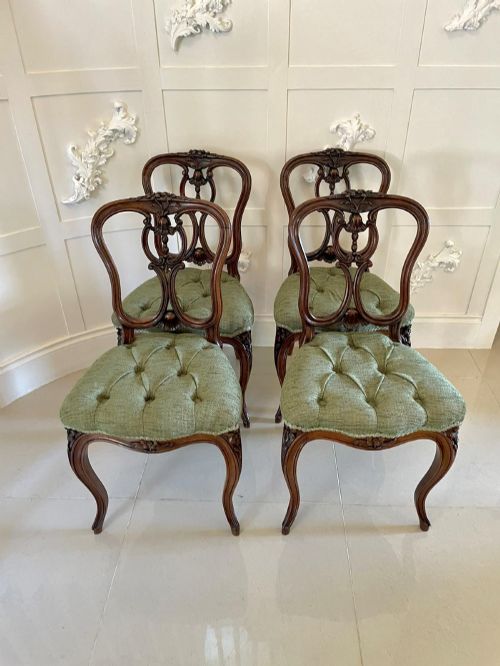
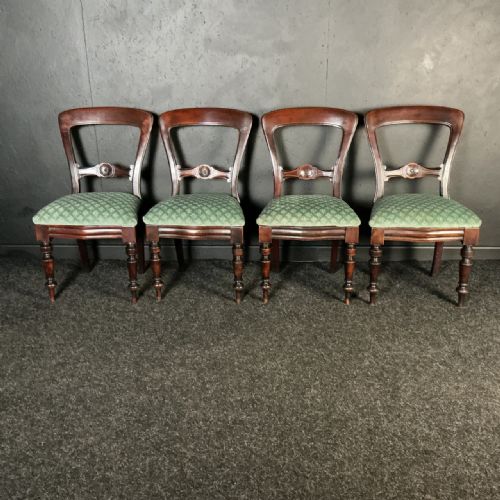
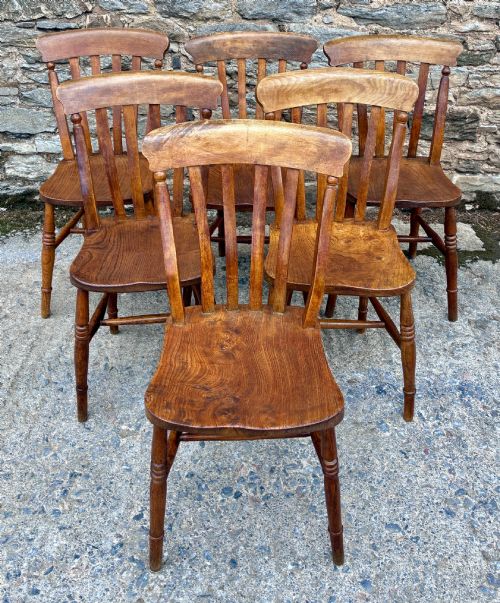
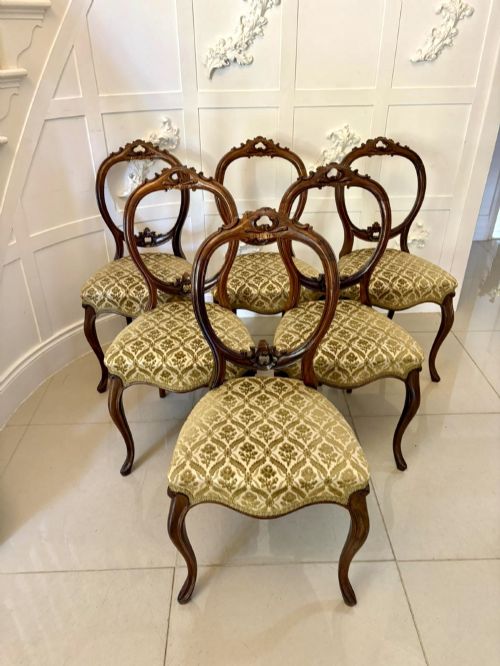
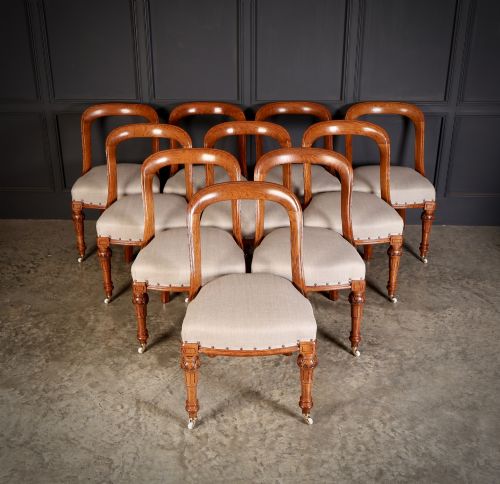
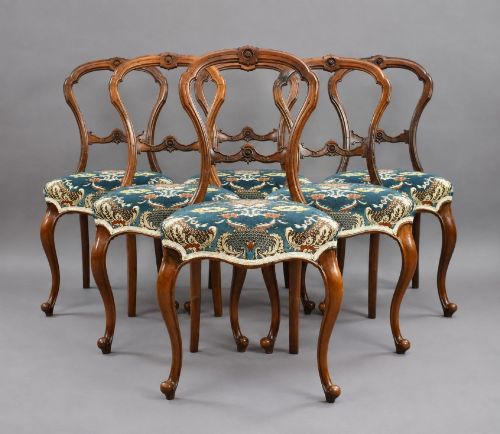
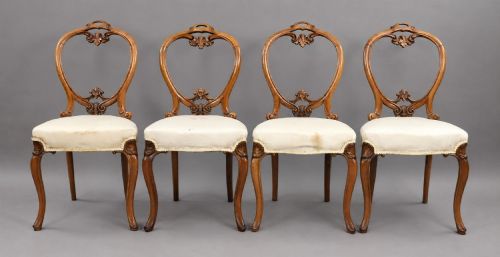
When searching for a victorian dining chairs set, buyers encounter collections ranging from four to twelve matched pieces designed for nineteenth-century dining rooms. The forms encompass formal mahogany balloon back shapes, richly carved walnut frames, and sturdy oak or elm country Windsor kitchen styles.
Matching sets of six or eight form the core of surviving collections, though larger sets of ten or twelve emerge for grander interiors. Harlequin sets also appear, grouping related nineteenth-century chairs sharing similar regional traits or timbers.
Materials and construction methods
Cabinet makers utilised dense hardwoods like mahogany, walnut, and oak for formal dining sets, employing steam bending for curved balloon backs and robust mortise and tenon joinery. Country workshops constructed Windsor and farmhouse chairs using elm seats combined with beech or ash spindles.
Carved ornament on walnut and mahogany frames relied on skilled hand chiselling, seen in floral motifs, cartouches, and gadrooning along the rails. Upholstered seats incorporated horsehair stuffing and webbing secured over traditional frame foundations, often finished in leather or patterned fabric.
Victorian Dining Chairs Set Retail Price Guide 2026
Typical asking prices for victorian dining chairs set among the pieces listed under this phrase on Sellingantiques today, from the lower quarter to the upper quarter. They describe what is for sale here now, not the wider market.
Regional kitchen seating includes nineteenth-century rush seat chairs from East Anglia alongside vernacular lathback and bullseye Windsor designs.
Distinctions in construction and timber grade
Quality separates through timber selection, visible in the figured grain of burr walnut, flame mahogany, or quarter-sawn oak rather than plain utility boards. Superior sets display crisp, deep hand carving on the crest rails and stiles, whereas lesser examples rely on shallow machine shaping or applied mouldings.
Structural integrity dictates longevity, distinguishing frames with tight, original joints from those weakened by loose dowels or extensive timber shrinkage. Consistency across a set marks higher production standards, ensuring uniform timber colour, matched grain patterns, and identical turning dimensions.
Gillows·Warings
The Victorian Dining Chairs Set Glossary
- Balloon back
- A rounded, continuous backrest shaped like an oval or hot air balloon, popular in mid-nineteenth-century mahogany and walnut dining seating. This form dominated formal domestic interiors during the Victorian era.
- Windsor
- A wooden chair constructed with a solid shaped seat into which turned legs and spindles are wedged directly. Country versions often feature elm seats with ash or beech frameworks.
- Gothic Revival
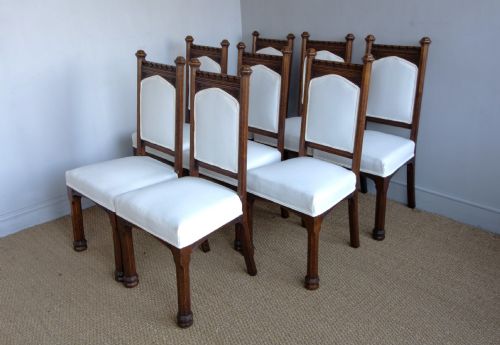
- A nineteenth-century design style incorporating medieval architectural motifs such as pointed arches, quatrefoils, and tracery into chair backs. These pieces frequently utilise oak and heavy proportions.
- Harlequin set
- A collection of dining chairs assembled to match in style, timber, or period while showing subtle individual variations in turning or carving. Such groupings reflect pieces gathered together over time.
- Lathe back
- A chair back featuring horizontal wooden slats or laths secured between upright supports, common in nineteenth-century kitchen and farmhouse seating.
Victorian Dining Chairs Set: Frequently Asked Questions
How many chairs came in a typical set?
Nineteenth-century dining sets most commonly comprise four, six, or eight chairs, reflecting standard household dining table capacities of the period. Larger sets of ten or twelve seats occasionally survive for more substantial dining rooms.
Buyers frequently encounter sets of six in mahogany or walnut, while larger groupings often require careful verification to ensure all pieces share identical timber grain and construction details.
How do I identify country Windsor chairs?
Country Windsor chairs are distinguished by a solid wooden saddle seat, usually carved from elm, into which the legs and back spindles are socketed. They lack traditional upholstered frames and rely entirely on turned wooden components.
These pieces were produced in regional workshops across Britain using local timbers like beech, ash, and elm, resulting in robust, functional kitchen and farmhouse seating.
Are Gothic Revival dining chairs rare?
Gothic Revival dining chairs appear less frequently than standard balloon back models, utilising heavy oak frames adorned with medieval architectural details like pointed arches and tracery. They were commissioned for specific Victorian dining rooms influenced by romantic historicism.
These chairs usually feature leather drop-in seats and substantial proportions, reflecting mid-nineteenth-century enthusiasm for ecclesiastical and medieval design aesthetics.
What timber was used for Victorian dining chairs?
Mahogany served as the predominant timber for formal Victorian dining sets through the nineteenth century, valued for its stability and deep reddish-brown colour. Walnut and burr walnut gained equal prominence for highly carved mid-to-late Victorian saloon and dining suites.
Oak and rosewood also featured prominently, alongside utilitarian regional timbers like elm, beech, and ash utilised specifically for country kitchen and farmhouse seating.