
Antique Timber Dining Chairs
These antique timber dining chairs bring centuries of cabinet-making skill directly to the table.
Antique Timber Dining Chairs
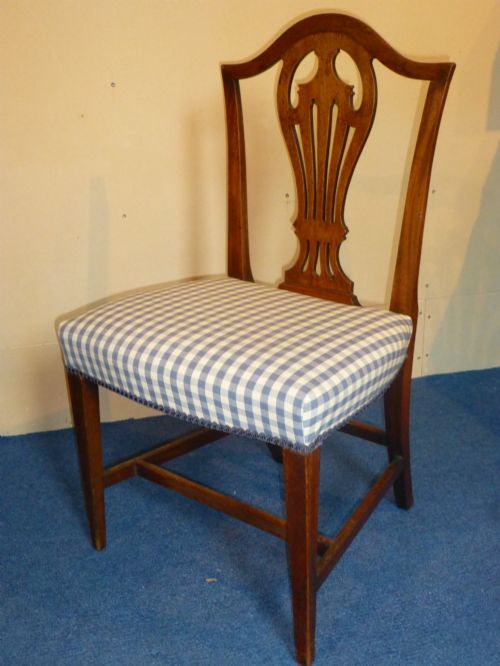
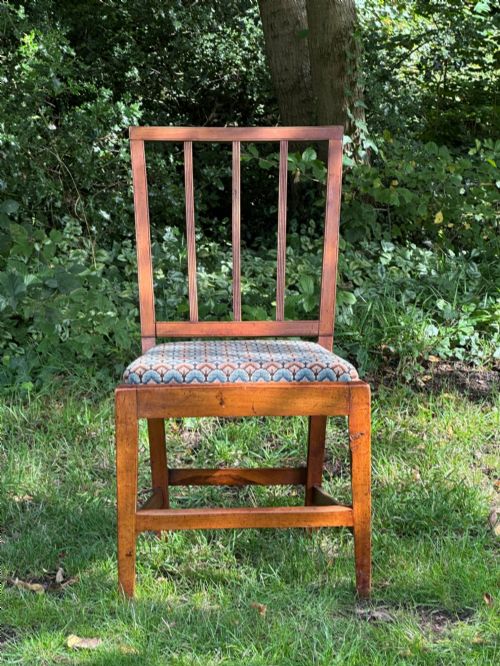
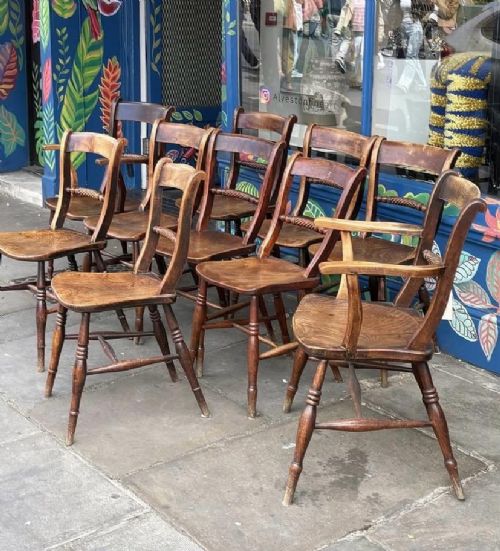
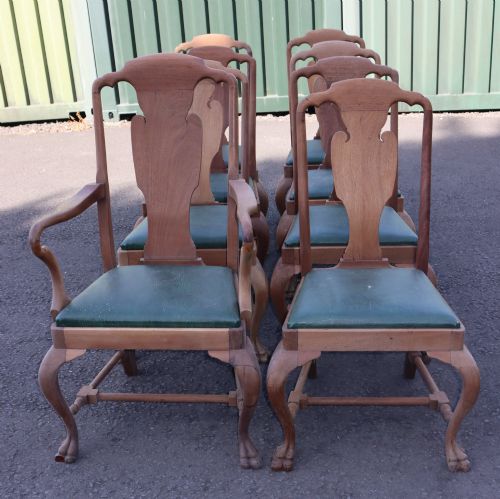
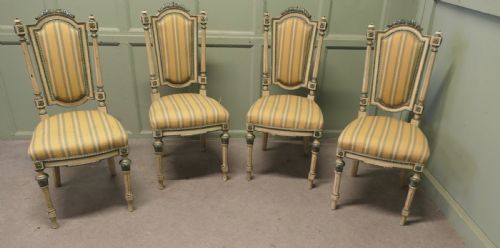
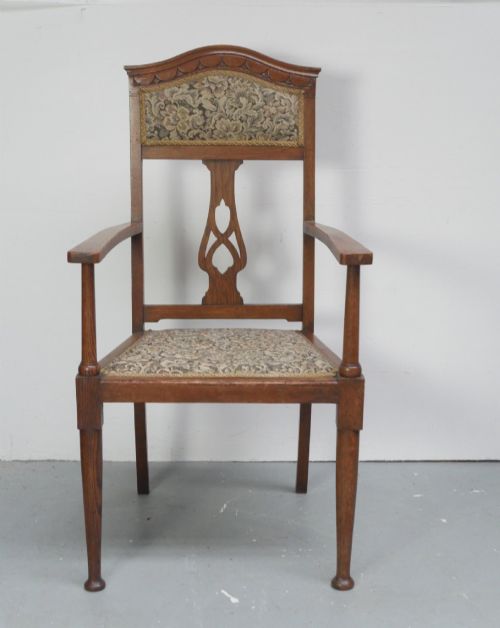
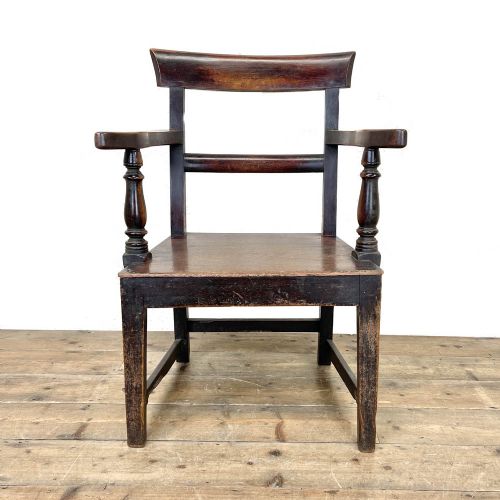
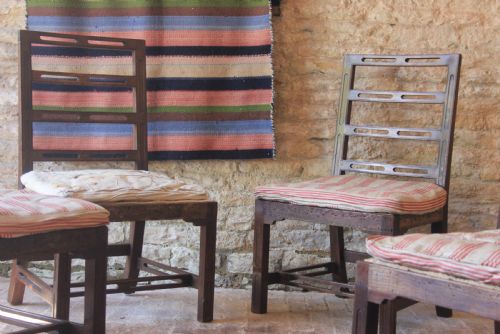
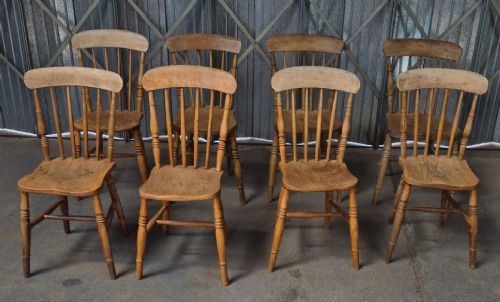
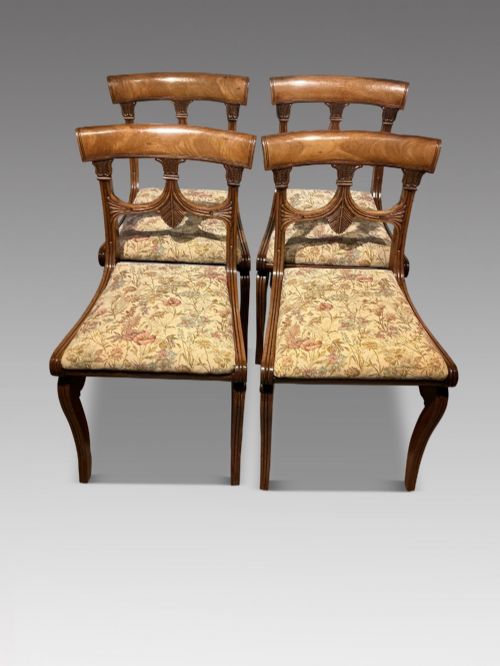
When you search for antique timber dining chairs, you encounter a wide variety of seating forms spanning the eighteenth, nineteenth, and early twentieth centuries. The selection includes formal dining sets in mahogany and walnut, alongside country vernacular kitchen chairs in elm, beech, and ash.
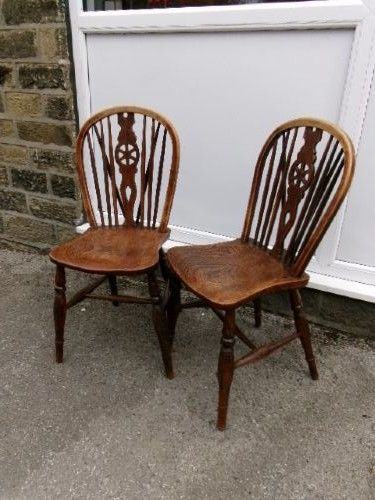
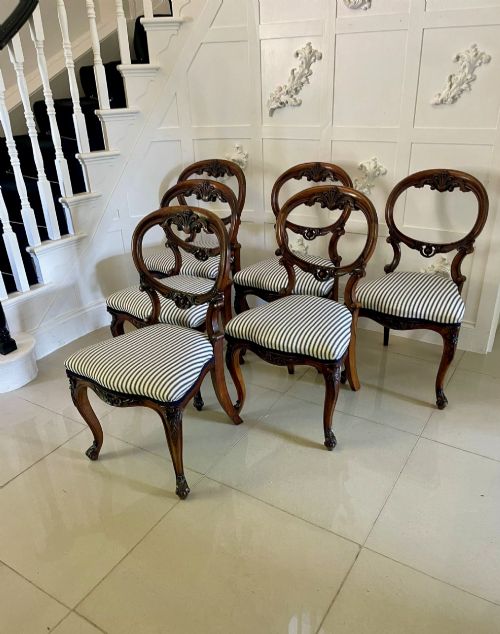
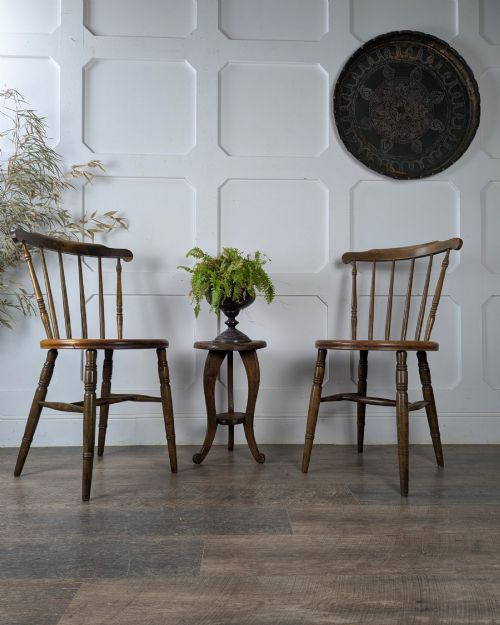
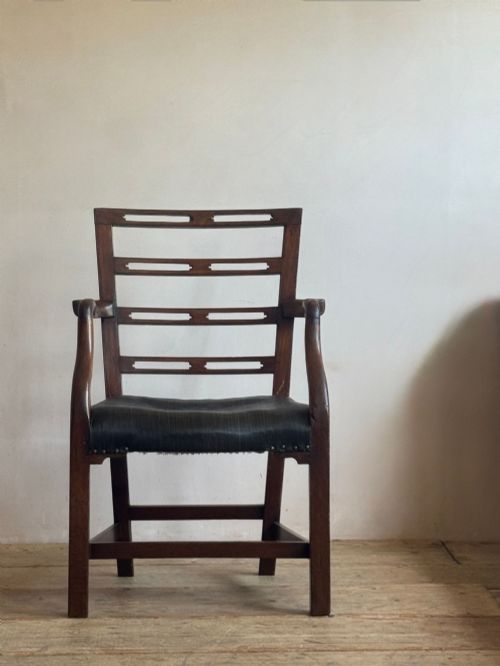
Sets vary significantly in composition, ranging from solitary carvers and pairs to complete suites of six or ten pieces. Regional and stylistic expressions such as Georgian ladder-backs, Victorian balloon backs, and Windsor wheelbacks dominate the physical evidence on this page.
How they were made
Construction relies heavily on dense timbers like mahogany, oak, rosewood, and walnut for formal styles, paired with tough domestic woods such as elm and beech for vernacular kitchen seating. Craftsmen utilised traditional joinery methods, incorporating solid timber seats, steam-bent components, and hand-carved details.
Surface treatments and upholstery vary from exposed polished wood to fabric, velvet, and rush seating. Makers shaped these materials using hand tools, producing distinctive regional characteristics visible in stick-back, wheel-back, and ladder-back forms.
Antique Timber Dining Chairs Retail Price Guide 2026
Typical asking prices for timber dining chairs among the pieces listed under this phrase on Sellingantiques today, from the lower quarter to the upper quarter. They describe what is for sale here now, not the wider market.
The inventory records diverse regional styles including English country, French provincial, and Chinese vernacular forms.
What varies in quality
The distinction between ordinary and superior pieces rests upon timber selection and the precision of the carving. Sets that retain matching grain patterns, robust structural integrity, and crisp, unaltered carved details command greater appreciation among collectors.
Completeness also dictates standing, as matched or uniform sets of four, six, or eight chairs hold more cohesion than assembled groups. The refinement of the turning and the integrity of the original joints reveal the competency of the original workshop.
Thonet Or J & J Kohn
The Antique Timber Dining Chairs Glossary
- Windsor chair
- A wooden chair featuring a solid timber seat into which the legs and back spindles are separately bored. This form often includes steam-bent bows and central wheel or stick splats.
- Ladder-back chair
- A seating form possessing horizontal slats or rungs between the upright back posts. These designs are frequently found in vernacular and country styles.
- Balloon back
- A rounded, oval-shaped backrest popular during the Victorian period, frequently carved from rosewood or mahogany. This profile defines numerous formal dining chairs.
- Carver chair
- An armchair designed to match a set of dining side chairs, usually placed at the head of the table. These pieces often feature more elaborate arms and structural framing.
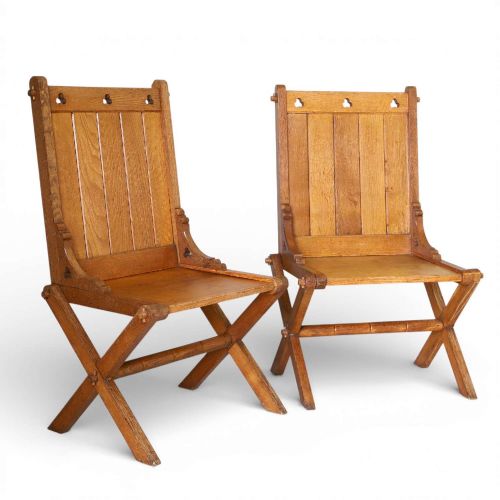
- Hall chair
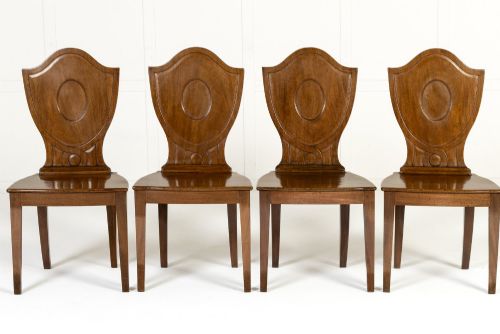
- A rigid, usually un-upholstered timber chair intended for entrance halls rather than dining rooms. They often display prominent armorial carvings or painted family crests.
Antique Timber Dining Chairs: Frequently Asked Questions
How do I date an antique dining chair?
Dating relies upon examining the timber species, joinery techniques, and prevailing stylistic markers present in the frame. Secondary woods and tool marks often reveal the manufacturing era.
Comparing the proportions and decorative motifs against documented historical periods provides further chronological context.
Are mismatching antique dining chairs usable?
Assembled or matched sets function practically around a dining table while offering a collected aesthetic. Many buyers mix individual side chairs with a pair of carvers.
Seat height and overall scale remain the primary considerations for daily comfort and dining utility.
How do I care for antique timber chairs?
Maintenance involves keeping wooden surfaces away from direct heat sources and sudden humidity changes to prevent timber splitting. Regular dusting with a soft cloth preserves the polish.
Applying occasional wax feeds the wood without building up heavy residue on carved details.
What is the difference between a side chair and a carver?
Side chairs lack arms and were designed to fit neatly along the sides of a dining table. Carver chairs feature integrated armrests for the head of the table.
Both types share matching design motifs within formal dining sets.