

Victorian Kitchen Chairs
Victorian kitchen chairs bring sturdy regional character to domestic spaces through honest timber construction and comfortable country seating.
What Victorian kitchen chairs are
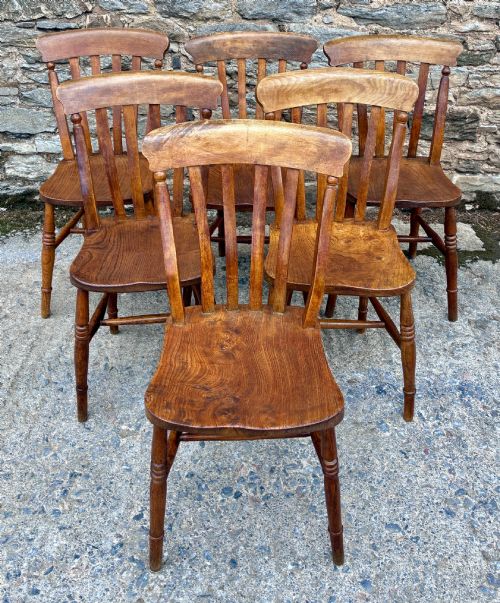
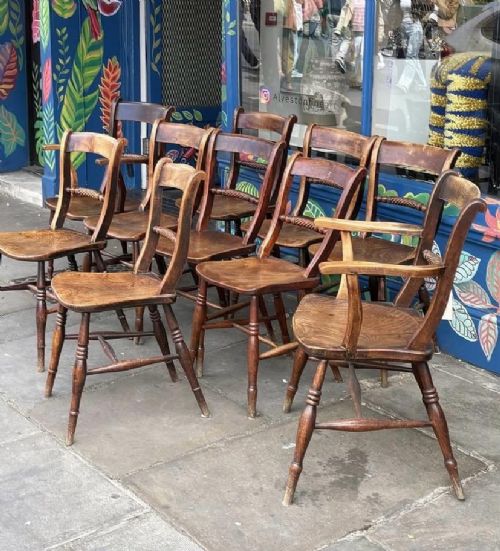
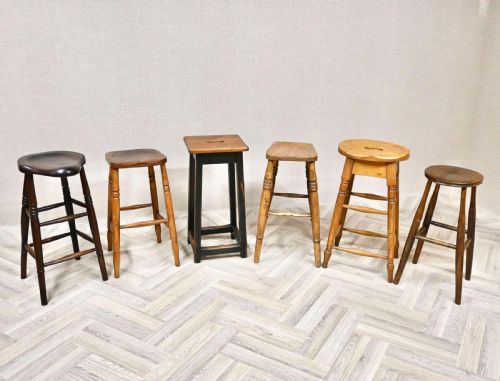
When searching for victorian kitchen chairs, buyers encounter practical domestic seating produced across the nineteenth century and into the early twentieth century. These furnishings served everyday needs in farmhouse kitchens, country houses, and rural homes.
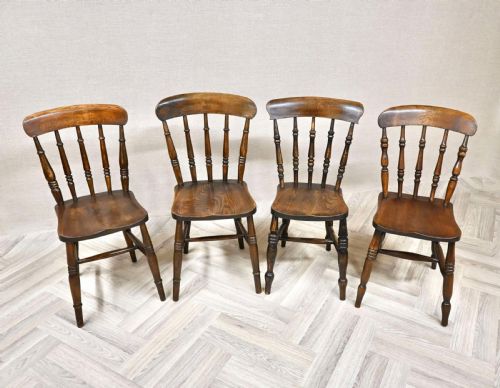
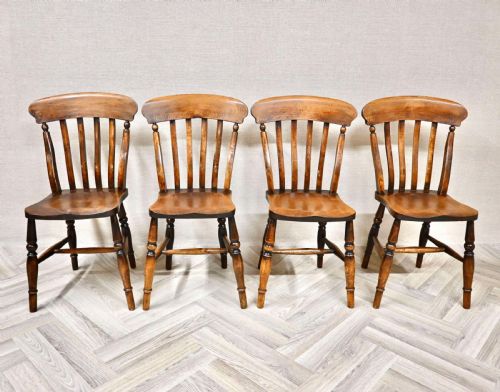
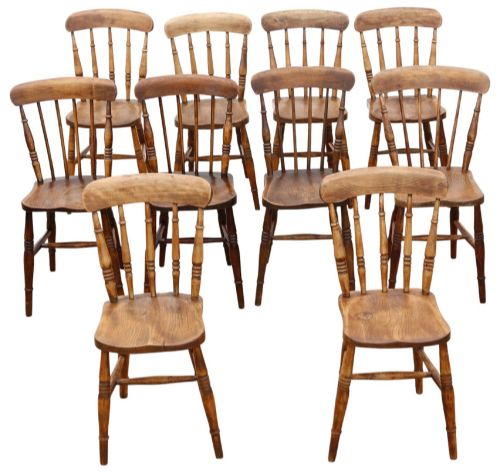
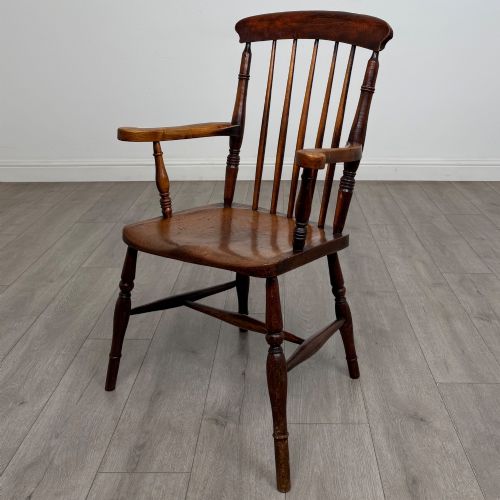
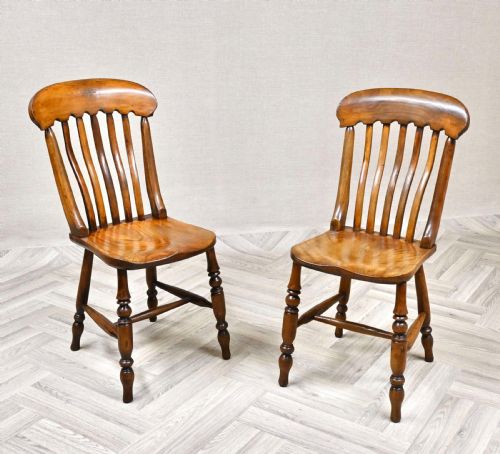
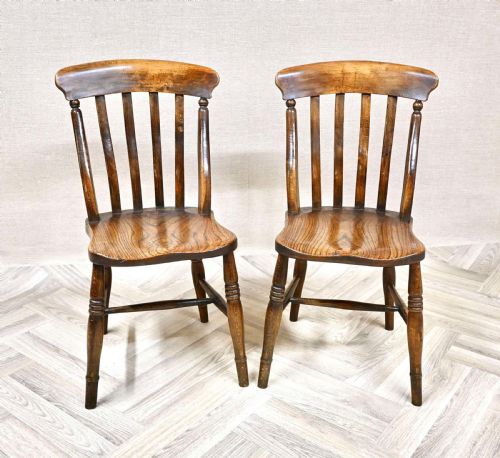
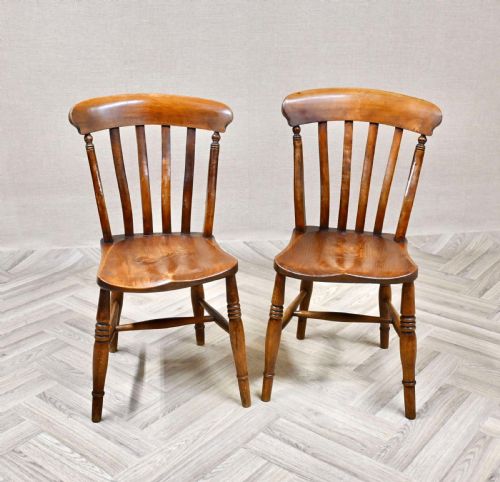
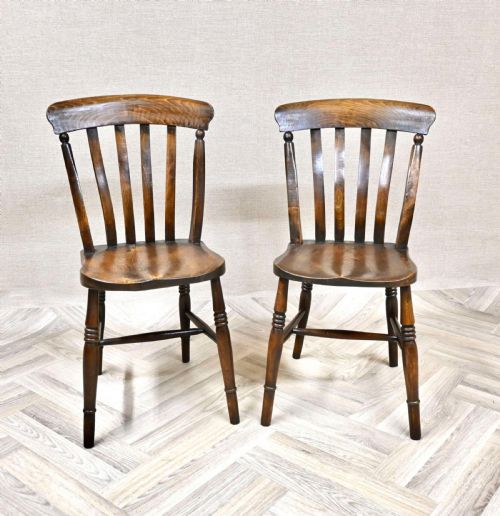
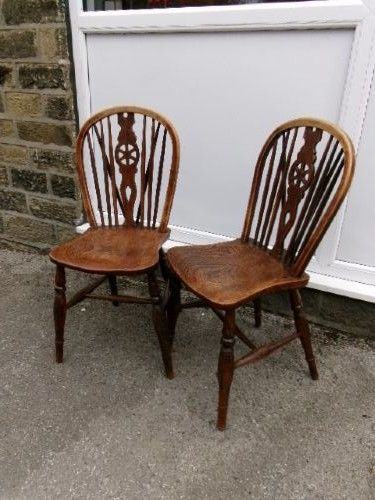
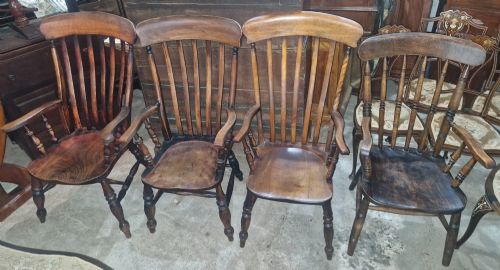
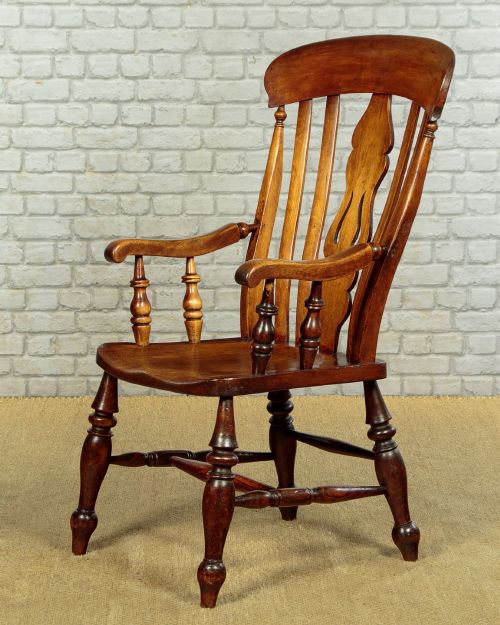
The evidence shows sets ranging from pairs up to twelve pieces, alongside harlequin assemblies gathered over time. Common forms include Windsor stick backs, hoop backs, wheel backs, slat backs, and spindle backs.
Regional variations appear in the records, including Thames Valley and Suffolk origins, reflecting local timber traditions and maker preferences. Most surviving examples pair elm seats with ash or beech framing.
How they were made
Maker workshops built victorian kitchen chairs using native hardwoods recorded as elm, beech, ash, oak, pine, and general hardwood. Elm provided strong, split-resistant timber for sculpted seats.
Turned components like spindles, legs, and stretchers relied on pole lathes or mechanical turning. Steam bending shaped the continuous hoop backs characteristic of many Windsor designs.
Retail Price Guide 2026
Typical UK retail prices for victorian kitchen chairs, calculated from the Sellingantiques database of over a million retail prices indexed since 2003. This retail price guide relies exclusively on Sellingantiques data; no external sources or auction records are used, so the figures do not describe the wider market.
Some provincial seating bears generations of accumulated kitchen polish and carved initials from previous owners.
What varies in quality
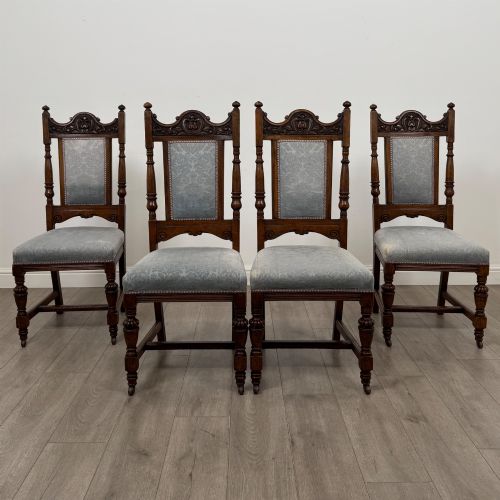
Quality in these chairs rests upon the selection of timber and the harmony of matched sets. Uniformity across larger sets of six or twelve elevates the standing of the group.
The depth of saddle-shaped elm seats and the precision of the turned joints distinguish standard regional work from finer workshop production.
Worksop
The Victorian Kitchen Chairs Glossary
- Windsor
- A chair style featuring a solid wooden seat into which the legs, back sticks, and bow are separately inserted. This construction method offers notable structural stability.
- Harlequin set
- A collection of chairs sharing a similar period and style that were assembled together rather than manufactured as one original batch. These sets display subtle variations in turning and proportion.
- Wheel back
- A Windsor chair variation featuring a pierced splat carved or shaped in the silhouette of a wheel. This decorative motif gained popularity during the Victorian era.
- Stick back
- A chair design utilising plain turned spindles to form the backrest. These members offer resilient support without elaborate carving.
- Stretcher
- A horizontal rail connecting the legs of a chair to provide rigidity and strength. In country chairs, these often take the form of an H-pattern or crinoline bow.
Frequently Asked Questions
How do I identify a harlequin set?
A harlequin set consists of individual chairs that share matching periods, materials, and general forms without being originally manufactured together. Close inspection reveals minor differences in turning details or wood grain.
These gatherings allow buyers to acquire larger quantities of dining seating that maintain a cohesive country aesthetic.
What woods were commonly used?
Regional makers selected native timbers suited to specific structural demands. Elm provided dense, non-splitting material for thick saddle seats.
Ash, beech, and oak furnished the legs, spindles, and bentwood bows for maximum rigidity.
Are these chairs suitable for daily dining?
Victorian kitchen chairs were originally built for hard service in domestic settings and remain well-suited for everyday use. Their sturdy hardwood construction handles regular sitting without difficulty.
Buyers often pair larger sets of six or more with rustic dining tables.